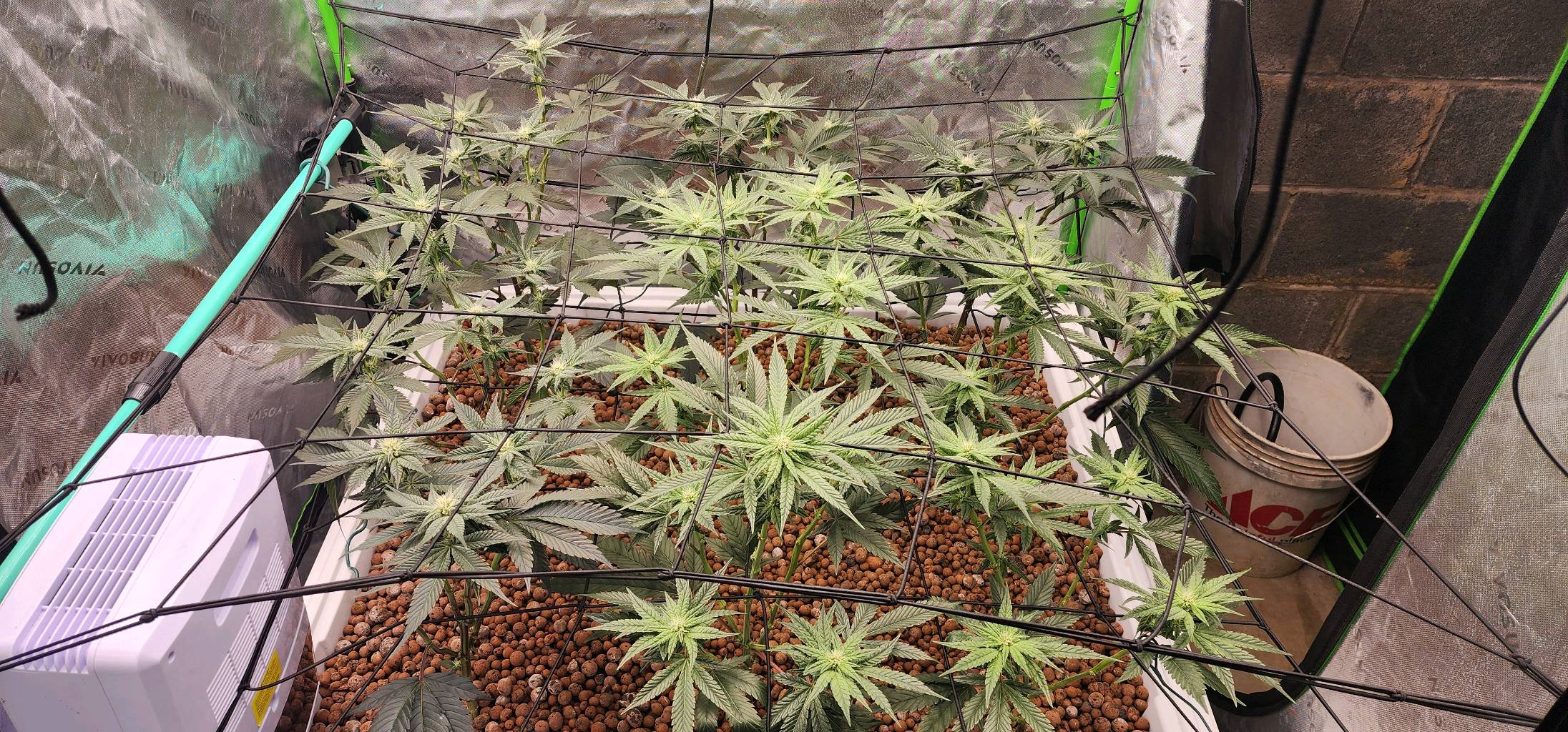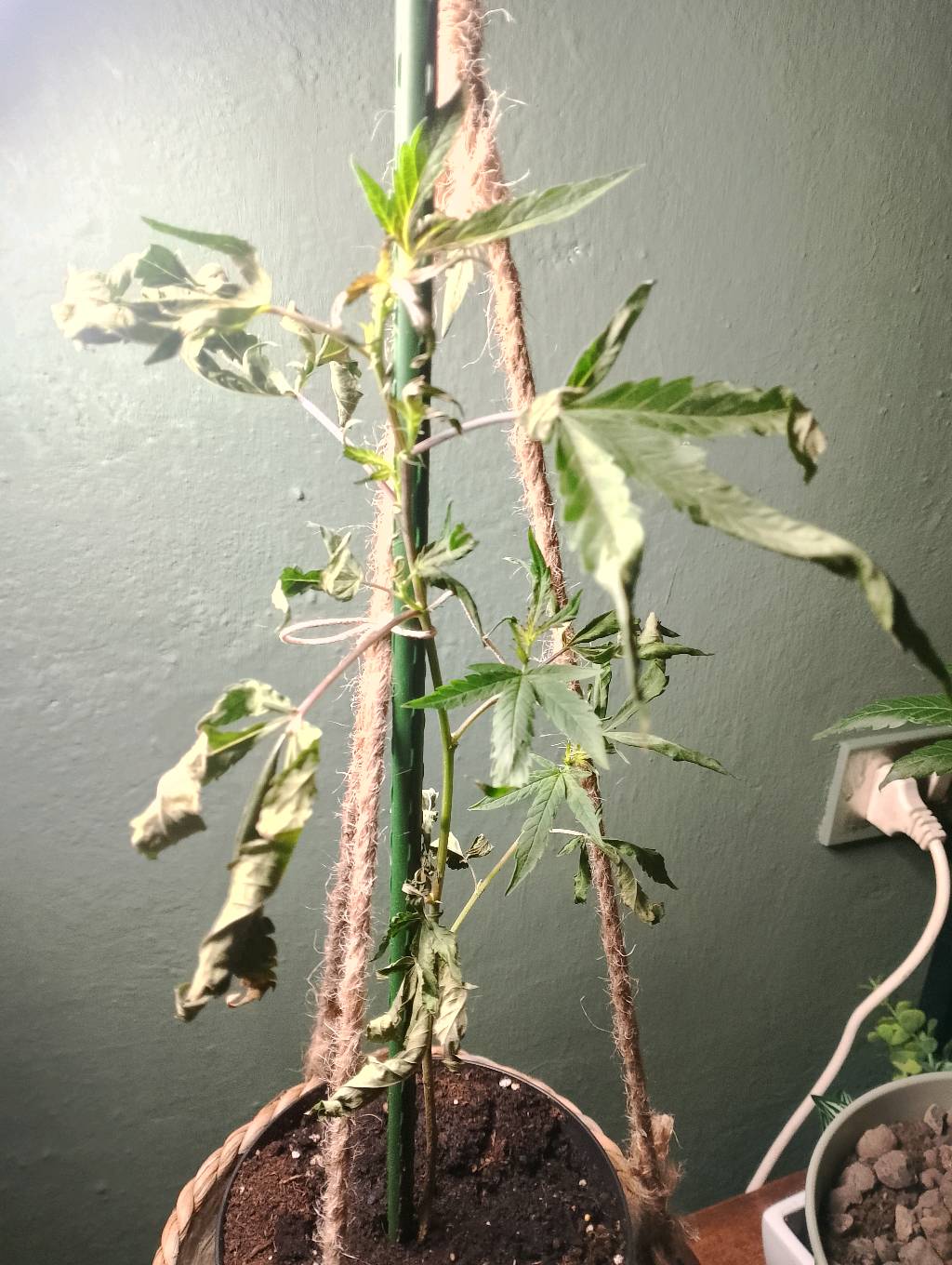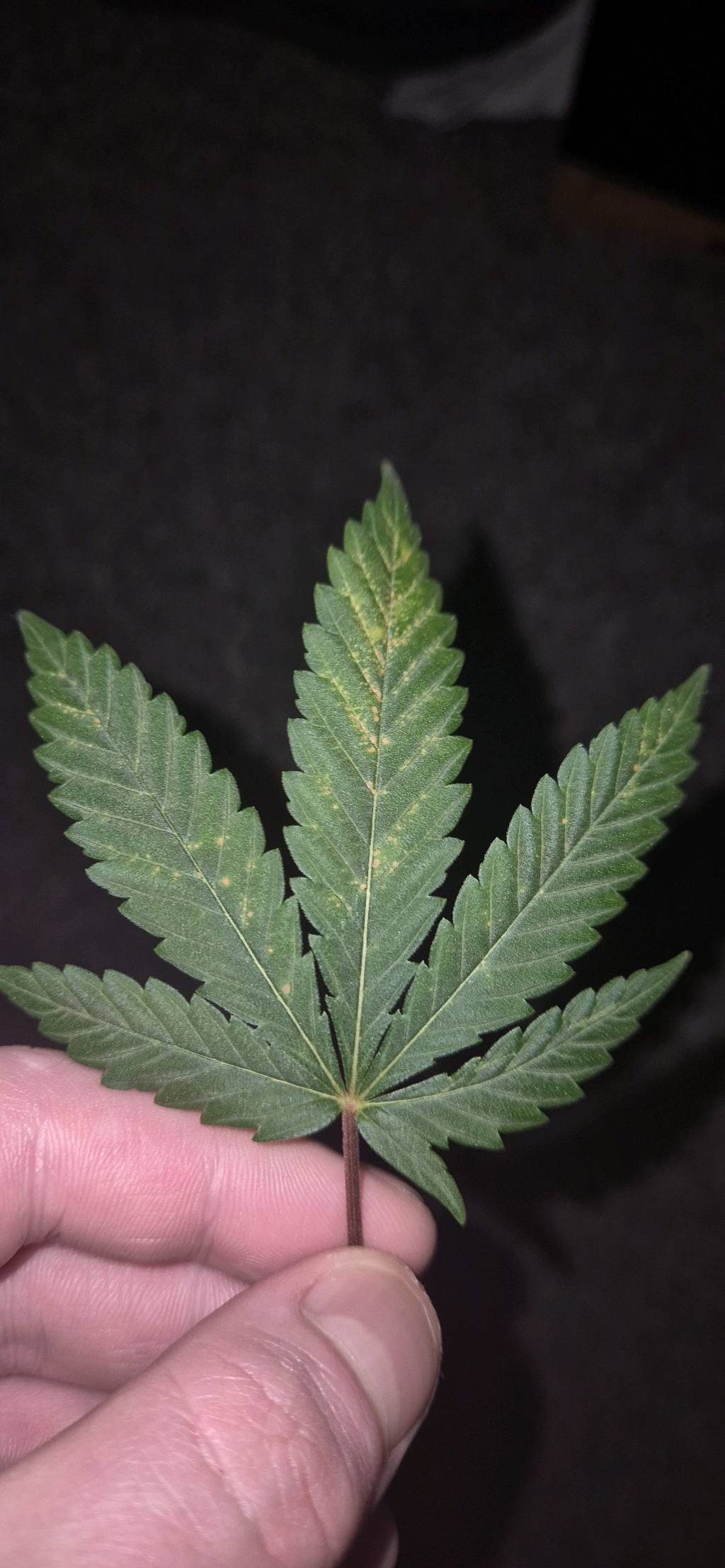
Short version: Where the yellowing is tells you almost everything. Older bottom leaves fading = the plant is moving mobile nutrients (usually nitrogen) up to new growth. Pale new top growth or yellow-between-the-veins = an immobile nutrient or, more often than growers think, a pH problem locking nutrients out. Check your pH before you reach for more bottles.
Yellow leaves are the single most-Googled cannabis symptom, and also the most misdiagnosed — because growers see yellow and immediately add nutrients, when the real cause is often the opposite. The trick is to read the plant like a map: the location and pattern of the yellowing point straight at the cause.
First, always: check your pH
Cannabis can only absorb nutrients within a narrow pH window — 6.0–6.5 in soil, 5.5–6.5 in coco or hydro. Drift outside that and the plant can't take up what's right there in the pot, so it shows "deficiency" symptoms even though it's being fed plenty. This lockout is behind a huge share of mystery yellowing. Before changing anything else, test the pH of what goes in and (in soil/coco) what runs out. If it's off, correcting it often fixes the leaves on its own.
Read it by location
- Bottom / older leaves yellowing first: usually a mobile nutrient — most often nitrogen. The plant cannibalizes old leaves to feed new growth. A little of this is normal, and heavy fading of the lower canopy is expected and healthy in late flower.
- Top / new growth pale or yellow: an immobile nutrient (iron, calcium, sulfur) or pH lockout. The plant can't relocate these, so shortages show up on the newest leaves first.
- Whole plant pale and growth stalled: underfeeding or, again, lockout. Check pH, then consider whether it's actually being fed.
Read it by pattern
- Yellow between the veins, veins staying green (interveinal): classic magnesium on older leaves, or iron on new leaves.
- Rusty or brown spots mixed with yellowing: often calcium/magnesium — extremely common in coco and with soft/RO water.
- Yellow tips turning brown and crispy ("burnt"): that's usually the opposite problem — nutrient burn from too-strong feeding, not a deficiency. Back off.
The fix, in order
- Confirm pH is in range and correct it if not.
- Locate the yellowing (old vs. new growth) and note the pattern.
- Match it to a cause using the map above — our deficiency chart and diagnosis guide go deeper.
- Adjust one thing and wait — leaves recover slowly, and new growth is your real progress signal. Feed on a consistent schedule rather than chasing every leaf.
Frequently asked questions
Why are the bottom leaves of my cannabis plant turning yellow?
Fading that starts on the oldest, lowest leaves is usually the plant relocating a mobile nutrient — most often nitrogen — up to newer growth. A small amount is normal, and significant lower-leaf yellowing is expected in late flower as the plant winds down.
Should I add nutrients when I see yellow leaves?
Not automatically. Check pH first — off-range pH locks out nutrients and mimics a deficiency, so adding more can make it worse. Confirm pH is in range, identify the location and pattern, then adjust one variable at a time.
Is yellowing during flowering normal?
Yes, late in flower. As the plant matures it pulls nitrogen and other mobile nutrients from fan leaves into the buds, so the lower canopy yellows and drops. Sudden yellowing on new top growth, though, still warrants a pH and feeding check.