Short version: Consistency beats intensity. A 2–5 minute daily check — environment, a look at the leaves (tops and undersides), and a pot-lift for moisture — catches almost every problem while it's still cheap to fix. Layer a slightly deeper weekly pass on top, and log it. That habit is the difference between "why is my plant dying?" and a smooth grow.
Most grow disasters aren't caused by one big mistake — they're small problems that went unnoticed for a week. The fix isn't more effort; it's a light, repeatable routine. Here's a simple one you can run on autopilot.
Every day (2–5 minutes)
- Check the environment: glance at your thermometer/hygrometer. Are temp and humidity in range for the current stage? Adjust fans, humidifier, or exhaust.
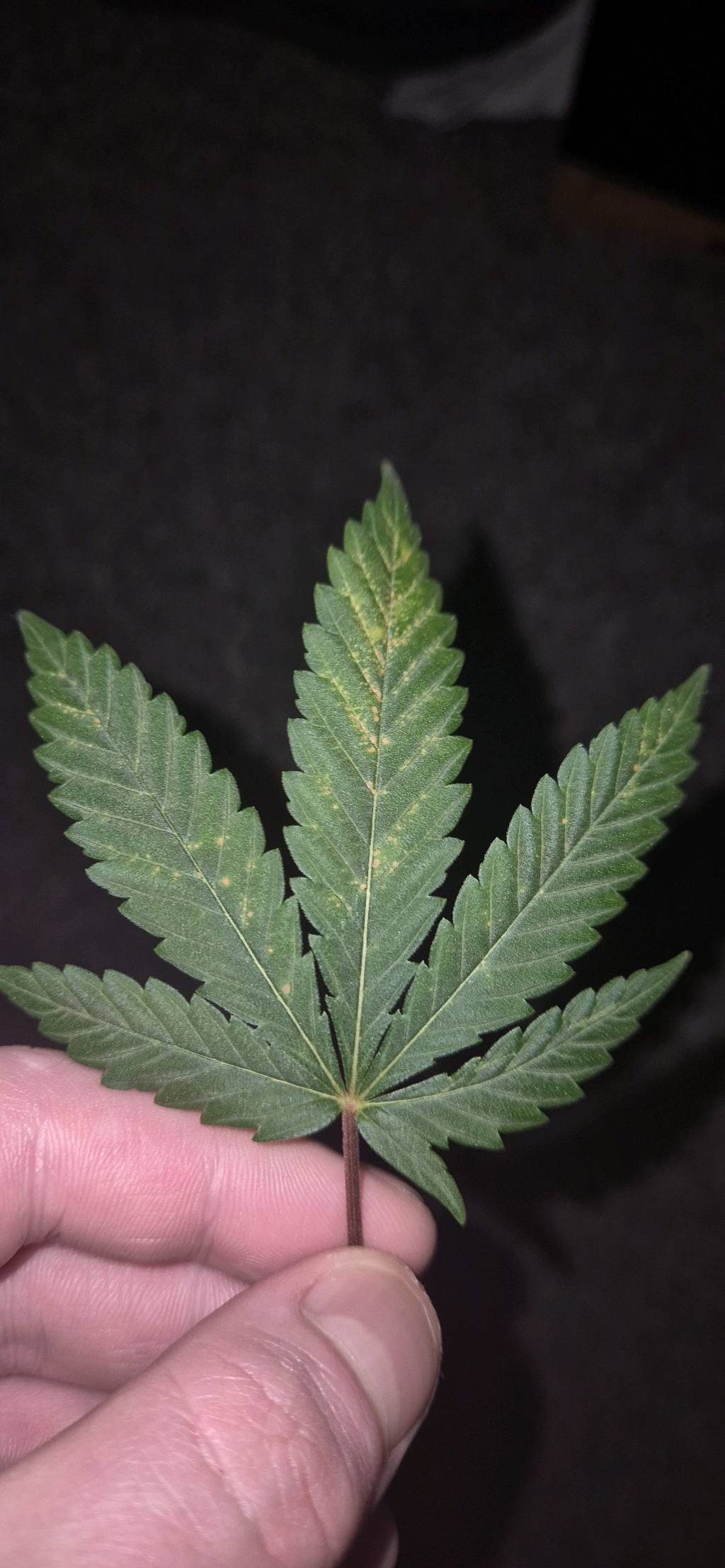
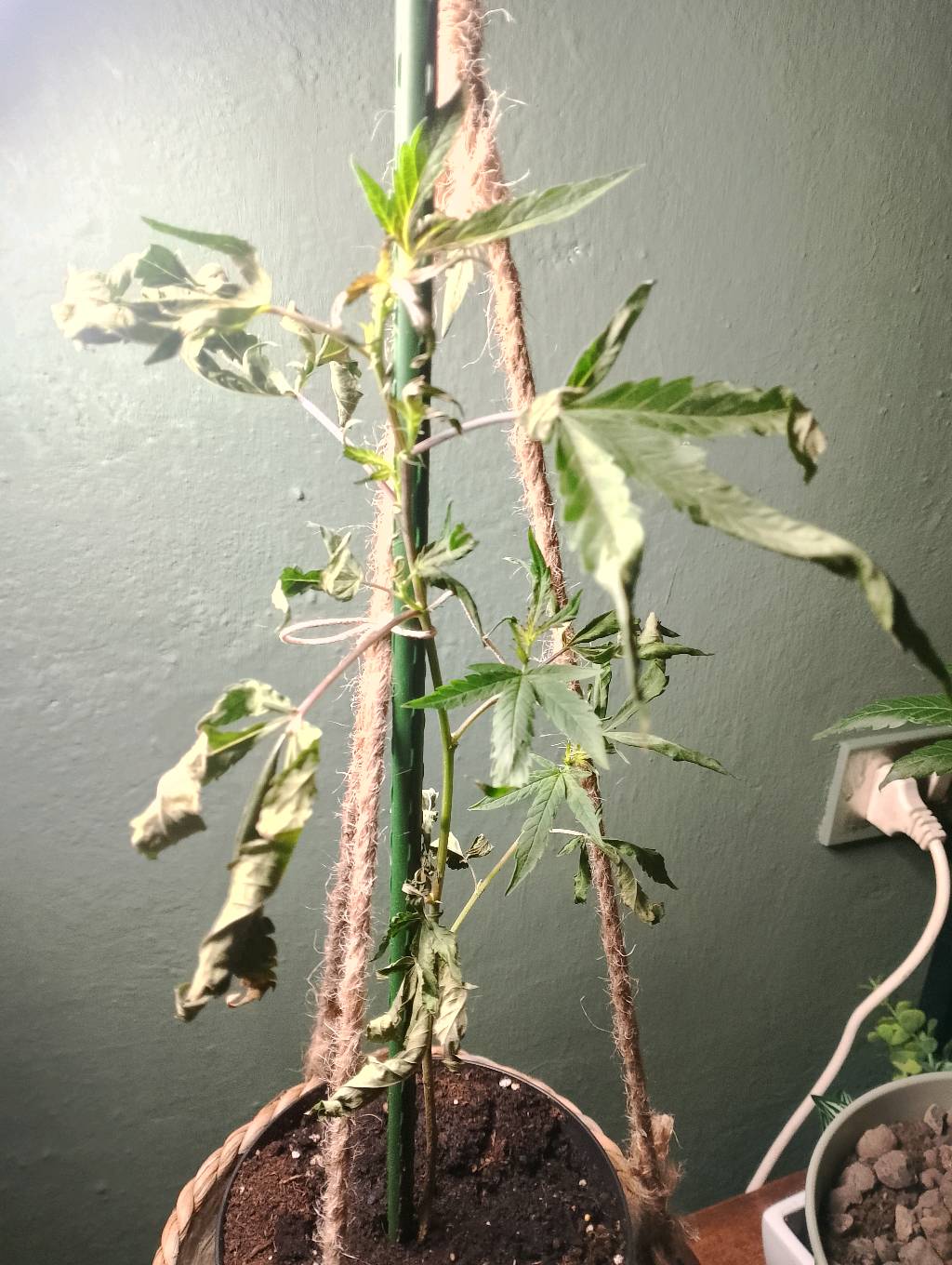
- Look at the plants: overall posture (drooping?), color, and flip a few leaves over to check undersides for pests before they establish.
- Check moisture: lift the pot. Heavy = wait; light = time to water. This one habit prevents the most common beginner mistake, overwatering.
- Snap a photo for your journal — day-to-day changes are easy to miss in person but obvious side by side.
Every time you water
- pH your water to 6.0–6.5 (soil) or 5.5–6.5 (coco/hydro) — the most-skipped step, and the cause of countless "deficiencies."
- Water to slight runoff in soil/coco, then let it dry back — the wet/dry cycle.
- In coco/hydro, check runoff EC to see whether you're feeding too strong or too weak.
Every week (10–20 minutes)
- Deeper inspection: undersides of lower and inner leaves for pests, and any developing deficiency patterns.
- Tidy & train: remove dead or dying leaves, and do any planned defoliation or training.
- Rotate pots for even light, and top up or change your reservoir if you run hydro.
- Calibrate your pH pen (drift is real) and log your numbers — temp, humidity, pH, EC, feed.
Quick focus by stage
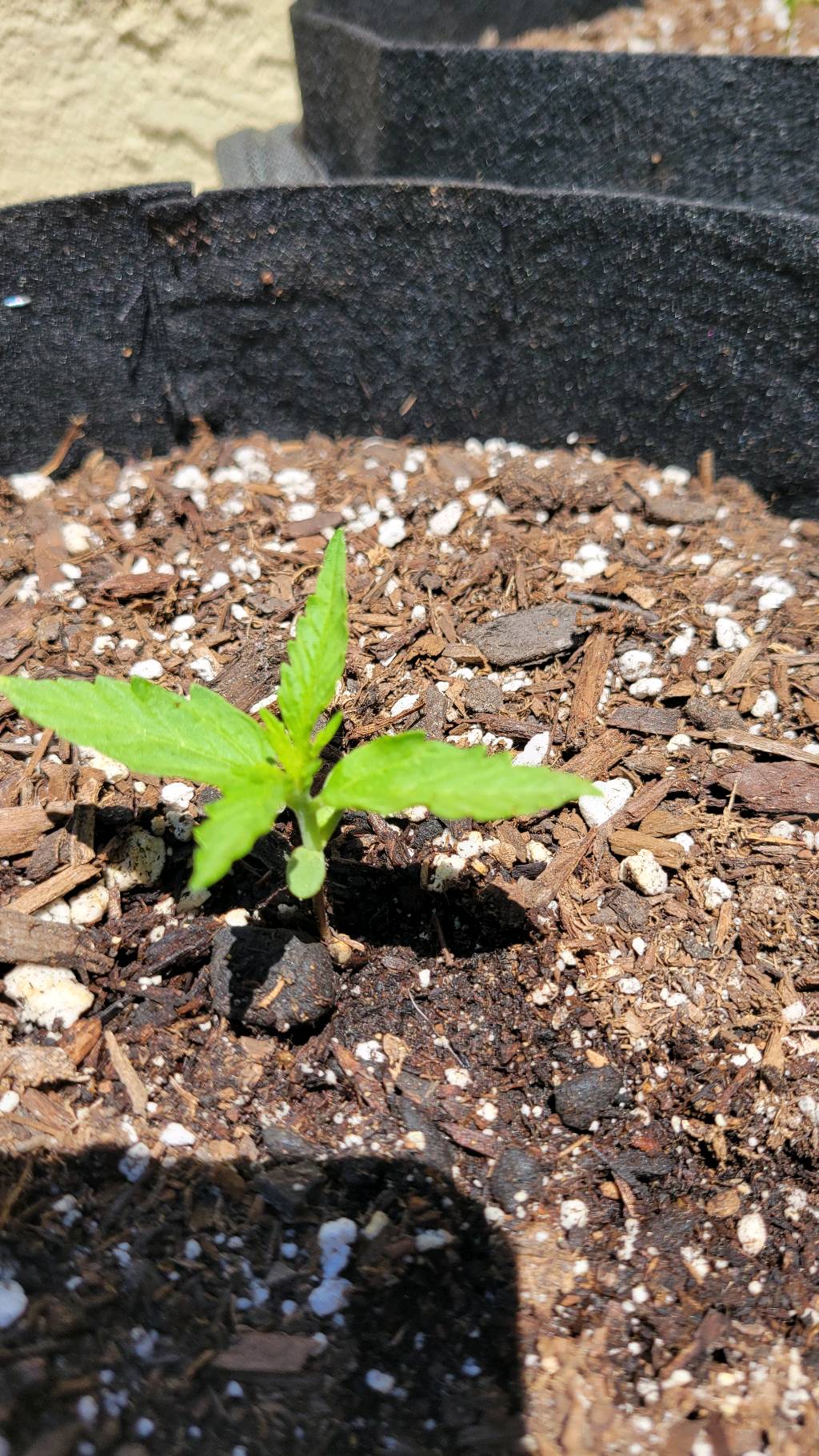
- Seedling: gentle everything — watch humidity and resist the urge to water or feed.
- Veg: training and airflow; this is where you build the plant's structure.
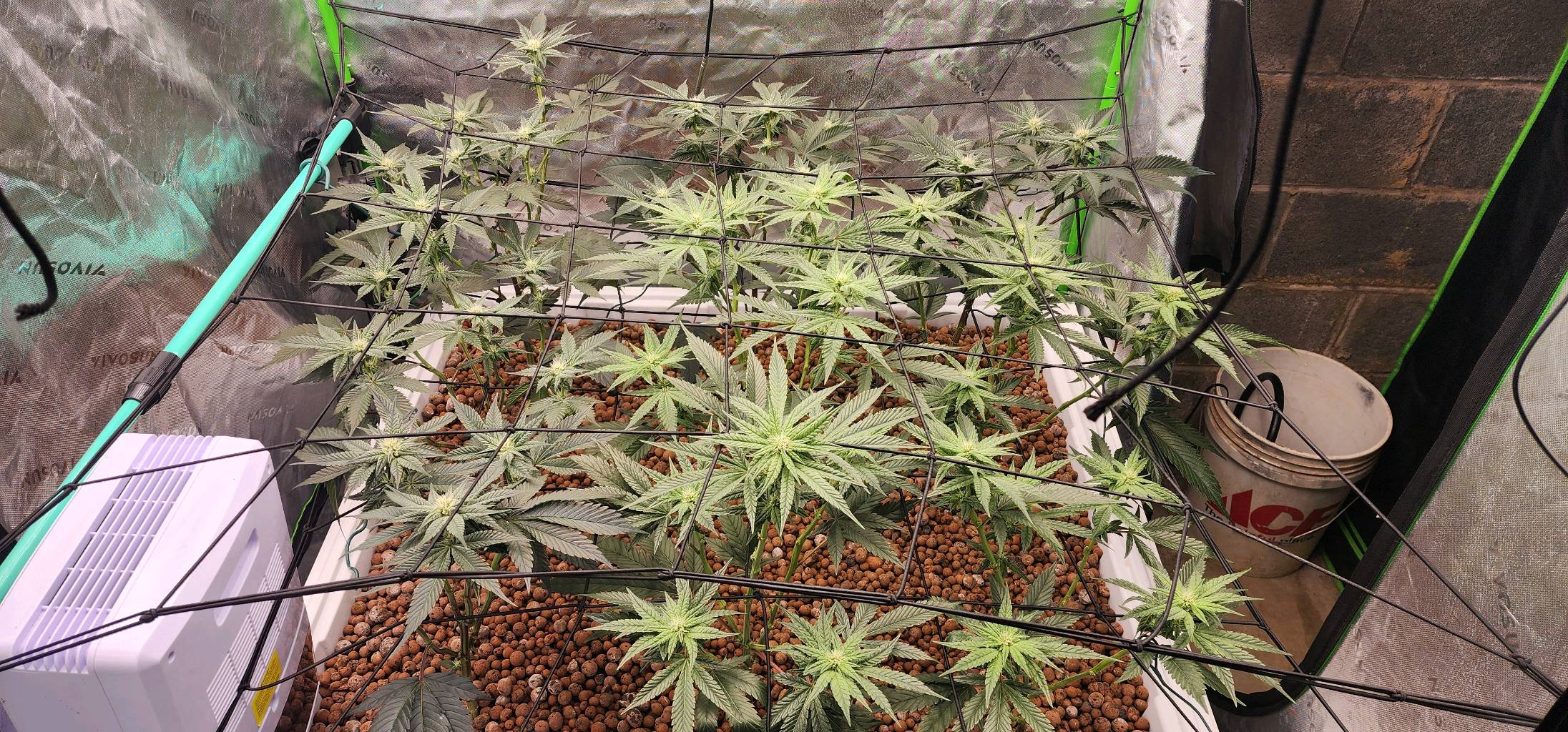
- Flower: drop humidity, keep air moving to prevent bud rot, and start checking trichomes late.
New to the whole arc? Pair this routine with our seed-to-harvest in 12 steps guide. And the whole point of a journal is to look back — logging photos and numbers turns each grow into notes for the next one.
Frequently asked questions
How often should I check on my cannabis plants?
A quick daily look — two to five minutes for environment, leaf posture, undersides, and pot weight — is ideal. It catches problems while they're small; a deeper inspection and cleanup once a week rounds it out.
What should I check every day in my grow?
Temperature and humidity, the plant's overall posture and color, the underside of a few leaves for pests, and soil moisture by lifting the pot. Taking a daily photo for your journal also makes gradual changes easy to spot.
Why keep a grow journal?
Because day-to-day changes are hard to see in person but obvious in side-by-side photos, and logged numbers (pH, EC, temp, humidity) let you diagnose issues and repeat what worked. Each grow becomes a reference for the next.