Why the White Widow Plant Rewards Growers Who Pay Attention
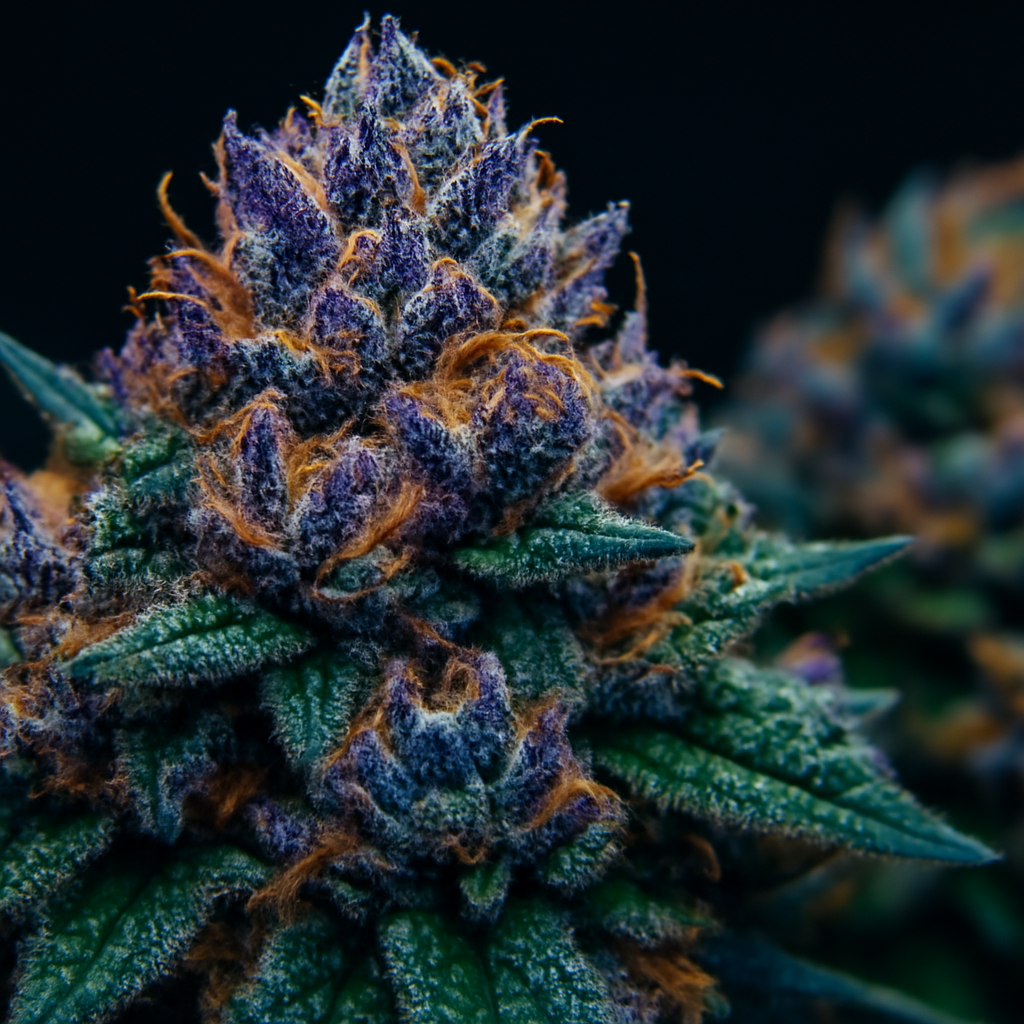
The white widow plant has earned its reputation over three decades not through hype but through consistent performance. It's a balanced indica-sativa hybrid — widely believed to be a cross of a Brazilian sativa landrace and a South Indian indica — and that balance shows up everywhere: in its structure, its feeding tolerance, and its finish. Buds are dense, heavily frosted with trichromes, and the plant itself is sturdy enough for beginners while offering enough nuance to keep experienced growers interested. At Grow Guide, the vast majority of our community grows indoors (736 out of 1,000 tracked grows), and White Widow is one of the strains that performs reliably in that environment. This guide gives you exact numbers and timings — not general advice — so you can run a clean, productive grow from seed to jar.
Want to track your White Widow grow in detail? See how other growers are running White Widow on Grow Guide, or start your own journal using the Grow Schedule Planner to map out every stage before you drop the seed.
White Widow Plant Structure and Growth Characteristics
Understanding the plant's architecture helps you make better training and feeding decisions. White Widow grows with a classic hybrid structure: a dominant central cola with strong lateral branching. In veg it stretches moderately — expect a 50–75% height increase during the first two weeks of flower. That stretch is manageable but worth accounting for, especially if you're running a tent with limited vertical clearance.
Environment for the White Widow Plant: Temperature, Humidity, and VPD
White Widow is forgiving, but it performs best when you run tight environmental parameters. Use VPD (vapour pressure deficit) as your guide rather than treating temperature and humidity as independent variables.
- Seedling (weeks 1–2): 72–78°F (22–26°C), 65–70% RH, VPD ~0.6–0.9 kPa
- Vegetative (weeks 3–8): 72–80°F (22–27°C), 60–65% RH, VPD ~0.9–1.2 kPa
- Early flower (weeks 1–4 of 12/12): 70–78°F (21–26°C), 50–55% RH, VPD ~1.0–1.3 kPa
- Late flower (weeks 5–9 of 12/12): 68–75°F (20–24°C), 40–45% RH, VPD ~1.2–1.5 kPa
- Night temps: Never drop below 60°F (16°C) — chilling stresses roots and slows resin development.
White Widow's dense bud structure makes it more susceptible to botrytis (bud rot) than many open-structured strains, so that 40–45% late-flower RH target is non-negotiable if you're stacking big colas. Run oscillating fans to ensure no dead air zones sit against your canopy.
Lighting the White Widow Plant
White Widow responds well to intensity. During veg, target 400–600 PPFD at canopy level. In flower, push to 700–900 PPFD, with well-dialled CO2 supplementation allowing you to run up to 1,000–1,100 PPFD. If you're running a modern full-spectrum LED board, keep your DLI (daily light integral) between 35–45 mol/m²/day in late flower.
Use the Grow Light Calculator to work out exactly how many watts and what fixture height you need for your specific grow space. Getting PPFD right matters more than the fixture brand.
Training the White Widow Plant: SCROG Is Your Best Option
The white widow plant's branching pattern makes it an ideal SCROG (Screen of Green) candidate. The plant produces strong lateral shoots that naturally want to compete with the main cola — a screen lets you level that playing field and turn all of them into top-quality bud sites.
- Install your screen at 12–16 inches above the medium.
- Veg until shoots fill roughly 60–70% of the screen, then flip to 12/12.
- During the first 1–2 weeks of flower, tuck new growth back through the screen. After week 2, stop tucking and let the plant lock into position.
- Lollipop aggressively below the screen during the first week of flower — anything that won't reach the light is wasting energy. Remove it clean.
Topping or FIMing during veg further multiplies the bud sites you can fill with a SCROG. See our Fimming vs Topping guide for a side-by-side breakdown of both techniques.
Nutrient Schedule for White Widow
White Widow has above-average nutrient tolerance compared to many indica-dominant hybrids. It doesn't show signs of light nutrient burn as readily as, say, a sensitive autoflower — but that doesn't mean you should push EC without monitoring. Here's a practical schedule:
| Stage | N–P–K Emphasis | EC Range (soil) | pH (soil) |
|---|---|---|---|
| Seedling (wks 1–2) | Light N, trace elements | 0.4–0.8 | 6.0–6.5 |
| Veg (wks 3–8) | High N, moderate P and K | 1.2–1.8 | 6.0–6.5 |
| Early flower (wks 1–3) | Reduce N, increase P and K | 1.6–2.0 | 6.0–6.5 |
| Peak flower (wks 4–7) | Low N, high P and K, add Ca/Mg | 1.8–2.2 | 6.0–6.5 |
| Late flower / flush (wks 8–9) | Flush or taper EC to 0.5–0.8 | 0.5–0.8 | 6.2–6.5 |
If you're growing in coco coir, drop pH to 5.8–6.2 across all stages and run EC slightly higher (add ~0.2 to the above ranges). White Widow in coco tends to finish with more resin density and sharper terpene expression than in soil, though soil grows are more forgiving for beginners. Our platform data shows soil is the dominant medium across tracked grows (634 out of 1,000), but coco is very much the choice of more experienced cultivators.
Spotted yellowing, curl, or edge browning? Use the Nutrient Deficiency Identifier to diagnose quickly. White Widow commonly shows magnesium deficiency mid-flower — yellowing between the veins of mid-canopy fan leaves — which resolves fast with a foliar or root drench of Cal-Mag at 2–5ml/L. For seedling nutrition guidance, see our Best Nutrients for Cannabis Seedlings article.
White Widow Plant: Harvest Timing and Trichome Inspection
White Widow typically finishes its flower cycle in 8–9 weeks from the flip to 12/12. Don't go by calendar alone — use a jeweller's loupe (30–60x) or digital microscope to read the trichomes directly on the bud (not the sugar leaves, which mature faster and skew your read).
- All clear trichomes: Too early. THC is still building. Wait.
- Mostly cloudy, 0–10% amber: Peak THC, more cerebral and energetic effect.
- Mostly cloudy, 10–20% amber: Optimum for most growers — balanced, potent, with some body weight.
- 30%+ amber: THC converting to CBN, sedative effect, lower potency. Likely past peak unless that's intentional.
Watch your pistils too: 70–90% of white hairs should have darkened and receded before you seriously consider harvest. Calyx swelling in the final week is another reliable indicator — calyxes should look fat and stacked, not flat.
Drying and Curing White Widow Buds
This is where most first-time growers lose quality they spent months building. White Widow's resin load makes it especially responsive to a slow, controlled dry and a proper cure.
Drying: Hang whole branches (or use a drying rack for smaller grows) in darkness at 60–70°F (15–21°C) with 45–55% RH. Airflow should be indirect — a fan in the room but not blowing directly on buds. Target a 7–10 day dry. The benchmark: smaller inner stems should snap cleanly, not bend. If they're snapping in under 5 days, your room is too dry or too warm. Slow it down.
Curing: Trim, jar in wide-mouth glass containers filled to roughly ⅔ capacity. Store at 60–65°F (15–18°C) in darkness. Open jars twice daily for the first week to burp CO2 and moisture, then drop to once daily for week 2, then every 2–3 days from week 3 onward. Minimum cure is 3 weeks; 6 weeks is noticeably better for White Widow's terpene profile. A 62% Boveda or Integra pack in each jar keeps RH stable after the initial cure period.
Use the Dry & Cure Timer to track your burping schedule and log moisture milestones throughout the process — particularly useful when you're managing multiple jars from different parts of the canopy.
Estimating Your White Widow Yield
Indoor White Widow grown under 600W HID or equivalent LED, with SCROG and a 4–6 week veg, typically returns 400–500g/m². Outdoor plants in a long growing season can exceed 600–700g per plant given adequate root volume and sun exposure. These are realistic numbers from competent grows — not seed bank marketing figures.
Plug your light wattage, grow space, and training method into our Yield Calculator for a more personalised estimate based on your setup. For a full breakdown of what affects final yield from seed to harvest, see our guide on how to grow good cannabis indoors.
Common White Widow Troubleshooting
- Yellowing lower leaves mid-flower: Usually nitrogen mobilisation — normal as the plant cannibalises lower foliage to feed buds. If it's progressing fast up the plant, check pH runoff and consider a light N top-up.
- Tip burn: High EC or calcium deficiency. Check EC at source and runoff. Add Cal-Mag if EC is within range.
- Bud rot in dense colas: White Widow's bud density is a liability here. Drop RH below 45% in late flower, increase airflow, and defoliate strategically to open up bud sites to air.
- Spider mites: Check the undersides of fan leaves weekly. Treat at first sign with neem oil (avoid in flower) or predatory mites (Phytoseiulus persimilis) which work well at White Widow's typical grow temps.
- Slow or irregular stretch after flip: Usually an environmental issue — check for light leak during dark periods, which disrupts the photoperiod signal.
If you're new to growing this strain, our guide to growing one cannabis plant indoors covers the full workflow from setup to harvest and pairs well with this strain-specific guide.
Frequently Asked Questions
How long does a white widow plant take to flower?
White Widow typically flowers in 8–9 weeks from the flip to 12/12 light cycle. Some phenotypes will show peak trichome ripeness closer to day 56; others run closer to day 63. Always confirm with trichome inspection rather than relying on the calendar alone.
What is the best growing medium for white widow?
White Widow performs well in both soil and coco coir. Soil is more forgiving for first-time growers and produces a slightly softer terpene profile. Coco tends to deliver faster growth, more resin density, and a sharper flavour, but requires more precise watering and EC management.
How much does a white widow plant yield indoors?
Under 600W HID or equivalent LED in a 1m² SCROG with a 4–6 week veg, expect 400–500g/m². Yield varies significantly based on light quality, canopy training, VPD management, and the specific phenotype. Use the Yield Calculator to model your specific setup.
Is white widow difficult to grow?
No — it's one of the more grower-friendly strains. It tolerates moderate nutrient fluctuations, resists pests better than many hybrids, and gives clear harvest signals. The main challenge is its dense bud structure, which requires humidity control in late flower to prevent botrytis.
When should I harvest my white widow plant?
Harvest when 70–90% of pistils have darkened and trichomes on the bud (not sugar leaves) are mostly cloudy with 10–20% amber. This typically falls between days 56–63 of the flower cycle and represents peak potency with a balanced effect profile.
References
- Leafly Editorial Team (2023). "How to Grow White Widow Cannabis." Covers canopy training techniques and SCROG application for White Widow. leafly.com
- Bliмburn Seeds (2026). "How to Grow White Widow: Crop Guide." Detailed guidance on drying and curing parameters specific to White Widow harvests. blimburnseeds.com
- Soft Secrets (2023). "How to Grow White Widow." Nutrient scheduling and flowering stage management for the strain. softsecrets.com
- Farmer's Lab Seeds (2026). "The Essential Toolkit for White Widow Cultivators." Environmental parameters and temperature/humidity ranges for indoor cultivation. farmerslabseeds.com
- Grow Guide Platform Data (2026). Aggregated grow journal data from 1,000 tracked cannabis grows, including environment type, medium, and feeding method distribution across active users.