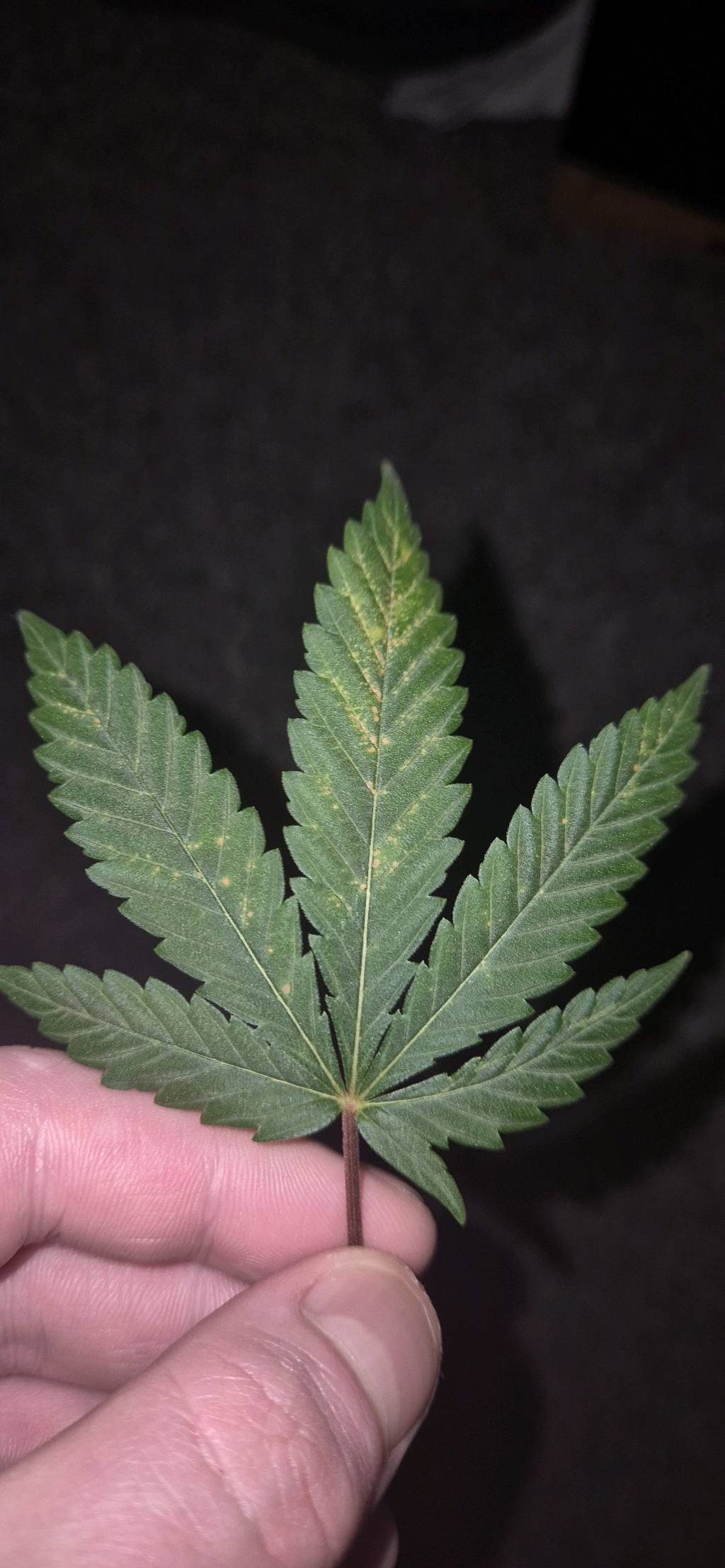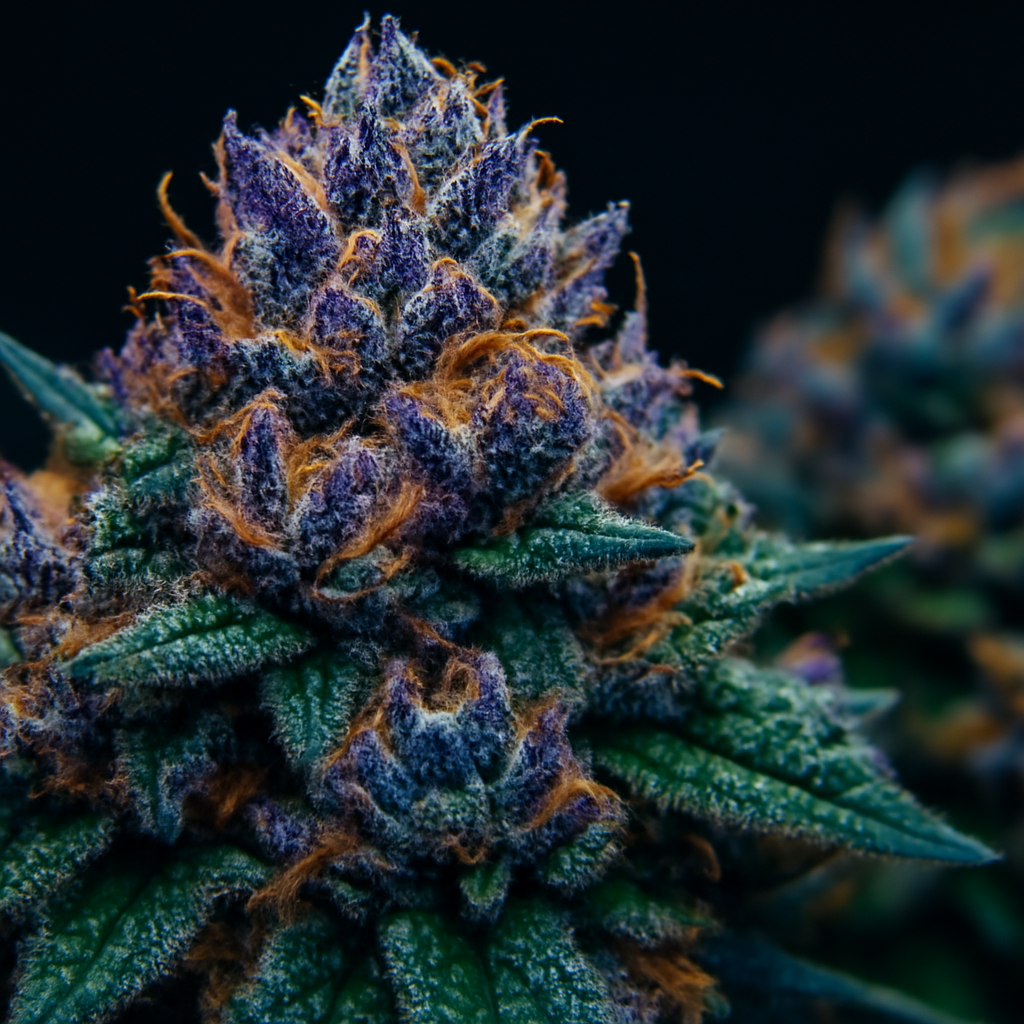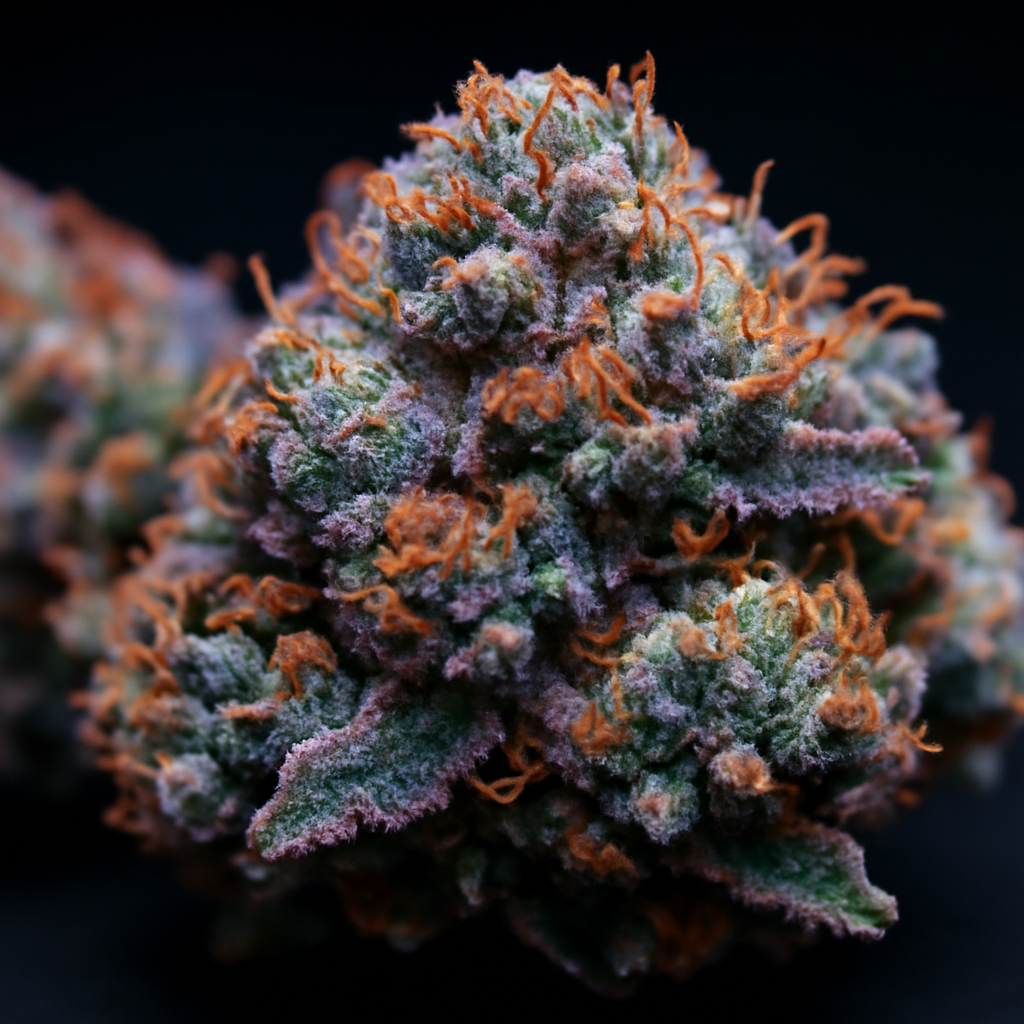
The Wedding Pie strain has earned serious attention from indoor growers for one simple reason: it consistently delivers dense, resin-caked buds with a terpene profile — limonene, caryophyllene, linalool — that smells like a dessert case and hits like an indica at 22–28% THC. Bred by Cannarado Genetics from a Wedding Cake × Grape Pie cross, it combines the best traits of both parents: tight internodal spacing, robust lateral branching, and sweet-fruity aromatics backed by earthy depth. Whether you're running soil or coco, this guide gives you the exact numbers and timing to get the most out of it.
Wedding Pie Strain Genetics and What They Mean for Growers
Understanding where Wedding Pie comes from tells you a lot about how to grow it. Wedding Cake contributes dense structure and high resin production; Grape Pie brings the fruity terpene complexity and the signature purple hue you can coax out with a late-flower temperature drop. The result is a plant that stays relatively short and bushy — think 60–90 cm indoors — with short internodal gaps that make canopy management straightforward but airflow a real concern.
The compact structure means you're not fighting a stretchy sativa. You are, however, managing a plant that will pack buds so tightly that humidity control becomes your number-one job from week 3 of flower onward. Plan for it from day one.
Use the Grow Schedule Planner to map your Wedding Pie grow from seed to harvest before you even pop the seed — it saves you from scrambling mid-cycle.
Vegetative Stage: Training Wedding Pie for Maximum Yield
Wedding Pie's short internode spacing is a gift during veg. You can fit more canopy into less vertical space and drive lateral growth aggressively. Here's the approach that works:
- Topping: Top at the 4th–5th node, once the plant has 5–6 true nodes established. This creates two dominant colas and signals the plant to push lateral branches harder. Check our Fimming vs Topping guide if you're weighing your options.
- LST (Low-Stress Training): Start bending and tying main branches outward 3–5 days after topping, once new growth resumes. Wedding Pie's lateral branches are naturally strong — they respond well to being pulled horizontal without snapping.
- Veg duration: 4–5 weeks from transplant is the sweet spot for a 60–90 cm final height indoors. Running veg longer on a plant this bushy just creates airflow nightmares in flower.
- Light schedule: 18/6 during veg. PPFD target: 400–600 µmol/m²/s at canopy level. Use the Grow Light Calculator to dial in your fixture distance.
Nutrient-wise in veg, run moderate nitrogen — an EC of 1.2–1.6 mS/cm in coco or hydroponics, or follow your soil manufacturer's feed chart on the lighter end. Wedding Pie doesn't need to be pushed hard in veg. See our best seedling nutrients guide for early-stage feeding specifics.
Flowering Stage: Environmental and Nutrient Management for Wedding Pie
Flip to 12/12 when your canopy is 30–45 cm — Wedding Pie will stretch another 30–50% in the first three weeks of flower, finishing at 60–90 cm. Here's your stage-by-stage breakdown:
Weeks 1–3: Transition and Early Bud Set
- Reduce nitrogen, increase phosphorus and potassium. EC can move to 1.6–2.0 mS/cm.
- PPFD: ramp to 600–800 µmol/m²/s.
- VPD target: 1.0–1.2 kPa. Keep daytime temps at 70–80°F (21–27°C), relative humidity at 50–55%.
- Perform a defoliation pass at week 2 — remove large fan leaves blocking bud sites and any growth below the main canopy that won't receive light. This is the single most important airflow intervention with this strain.
Weeks 4–6: Peak Resin Development
- Drop RH to 40–50%. Below 40% isn't necessary and will stress the plant; above 50% is where botrytis risk starts climbing on those dense buds.
- EC: 1.8–2.2 mS/cm. pH: 6.0–6.5 in soil, 5.8–6.2 in coco.
- PPFD: 800–1000 µmol/m²/s. If you're running LED, check your DLI — target 40–45 mol/m²/day at this stage.
- A second light defoliation pass at week 4 (removing only yellowing or shaded leaves) keeps airflow moving without stressing the plant mid-bloom.
Weeks 7–9: Late Flower and Flush
- Begin tapering nutrients around week 7. By week 8, most growers run plain water or a light flush formula.
- Drop nighttime temps to 62–65°F (17–18°C) in the final 10–14 days. This temperature differential is what triggers the purple phenotype expression that Grape Pie genetics enable. It's not guaranteed on every phenotype, but worth attempting.
- RH: hold at 40–45%. You're protecting those swelling, tight buds from late-stage mold.
Lighting for Wedding Pie: Spectrum and Intensity
Wedding Pie responds well to high-intensity light, but it's not a strain that forgives light burn. A 600W LED or HPS in a 1.2m × 1.2m tent is a solid starting point. In practice:
- Vegetative PPFD: 400–600 µmol/m²/s, 18 hours on
- Early flower PPFD: 600–800 µmol/m²/s
- Peak flower PPFD: 800–1000 µmol/m²/s — don't push past 1000 without CO₂ supplementation, or you'll hit light saturation on this strain
Full-spectrum LEDs with a red-heavy flowering spectrum (660nm peak) are the current go-to for maximizing resin production in the final 3 weeks. Use the Grow Light Calculator to verify your fixture covers the canopy area evenly — hot spots over those dense buds will cause surface bleaching.
Troubleshooting Common Wedding Pie Issues
Airflow and Botrytis Risk
This is the strain's primary challenge. Wedding Pie buds stack so densely that even at 45% RH, you can get internal bud rot if air isn't moving through the canopy. Run an oscillating fan at canopy height around the clock, not just during lights-on. If you see any grey fluff on a bud — cut it out immediately, back 2–3 cm into healthy tissue, and drop RH by 5 points.
Nutrient Sensitivity
Wedding Pie shows tip burn (calcium-related or heat-related) if you push EC above 2.4 mS/cm in coco. Keep your feeding EC at or below 2.2 and you'll avoid it. If you see interveinal chlorosis in mid-flower, that's usually magnesium — 1g/L of Epsom salt as a foliar spray (lights-off, never during flower lights-on) or added to your feed resolves it within a week. The Nutrient Deficiency Identifier can help you distinguish Mg from iron or sulphur deficiencies quickly.
Stretching More Than Expected
If your Wedding Pie is stretching past 50% of flip height by week 3, your light intensity was too low during veg. Drop your fixture, increase PPFD to 500+ µmol/m²/s during the next run's veg stage. You can also supercrop (gentle stem pinching) at the base of stretching branches in weeks 1–2 of flower to redirect energy without causing excessive stress.
Harvest: Trichome Reading for Wedding Pie
At 8–9 weeks, check trichomes with a 60× loupe or digital microscope on a bud midway up the plant — not a sugar leaf, not the top cola (they mature differently). You're looking for:
- Mostly cloudy, 10–20% amber: Peak THC, more cerebral edge — harvest here if you want the euphoric side of Wedding Pie's effect profile.
- 30–40% amber: More sedative, CBN is converting from THC — harvest here for maximum relaxation effect.
Most growers targeting Wedding Pie's balanced euphoria-and-relaxation profile hit the 10–20% amber mark at day 58–63 of flower. Don't rely on the breeder's 8-week number alone — trichomes don't lie, calendars do.
Want to estimate your haul before you chop? Run your numbers through the Yield Calculator based on your canopy size and light intensity.
Drying and Curing Wedding Pie for Maximum Terpene Retention
This strain's terpene profile — particularly linalool and limonene — is volatile. Rushing the dry destroys what makes Wedding Pie worth growing. Here's the protocol:
Drying
- Hang whole branches (or bucked buds on a rack) in a dark room: 60–70°F (15–21°C), 45–55% RH
- Target dry time: 10–14 days. Faster than 7 days means terpenes are gone; slower than 14 at correct RH means you're wasting time, not adding quality
- Stems should snap cleanly when bent, not bend or feel rubbery
- No fans blowing directly on buds — air circulation in the room only
Curing
- Fill airtight glass jars to 75% capacity — no more, or you'll trap moisture
- Target jar RH: 58–62% (use Boveda or Integra packs to monitor)
- Burp jars twice daily for the first 2 weeks, then once daily for weeks 3–4
- Minimum cure: 4 weeks. Wedding Pie at 6–8 weeks of cure develops a noticeably smoother, more complex terpene expression than a 3-week cure
Set up your drying and curing schedule precisely with the Dry & Cure Timer — it'll send you burp reminders and track your jar RH over time.
Grow Medium: Soil vs. Coco for Wedding Pie
According to Grow Guide platform data from 1,000 tracked grows, 63.2% of growers use soil and 14.8% use coco coir. Both work well for Wedding Pie, but they produce different results:
- Soil: More forgiving on feeding, enhances the earthy terpene undertones naturally, and gives slightly more linalool expression in a well-amended organic mix. Run a light nutrient load (EC 1.0–1.8 max) and let the soil biology do the heavy lifting. See our best organic nutrients guide for soil-specific feeding.
- Coco coir: Faster growth, more control over nutrition, and typically higher yields per watt — but you're feeding every watering and Wedding Pie in coco is less forgiving of EC spikes. Stay at 5.8–6.2 pH and never let the medium dry completely between feeds.
Both setups benefit from a 3-gallon (11L) container for a 4–5 week veg plant. Anything smaller and you'll hit root restriction before the plant reaches its yield potential.
Frequently Asked Questions
How long does the Wedding Pie strain take to flower?
Wedding Pie flowers in 8–9 weeks from the flip to 12/12. Most growers see harvest-ready trichomes (mostly cloudy with 10–20% amber) between days 58–63. Don't rely solely on the calendar — read your trichomes with a 60× loupe for accuracy.
What yield can I expect from Wedding Pie indoors?
Under 600W LED or HPS in a 1.2m × 1.2m tent with LST and topping, growers typically see 350–500g per square metre. Run the Yield Calculator with your specific light output and canopy size to get a tighter estimate for your setup.
Is Wedding Pie difficult to grow?
It's intermediate difficulty. The compact structure and short flowering time make it manageable, but its dense bud structure demands strict humidity control (40–50% RH in flower) and good airflow to prevent botrytis. Growers who nail environment management find it very rewarding.
How do I get the purple coloration in Wedding Pie?
Drop nighttime temperatures to 62–65°F (17–18°C) in the final 10–14 days of flower. This cold differential activates anthocyanin expression from the Grape Pie parentage. Not every phenotype will purple up, but the temperature drop also benefits resin production regardless of colour change.
What terpenes does Wedding Pie have?
The dominant terpenes are limonene (citrus, uplifting), caryophyllene (spicy, anti-inflammatory), and linalool (floral, relaxing). This combination produces the characteristic sweet-fruity aroma with earthy undertones. Use the Terpene Explorer to learn more about how these interact with the strain's effects.
References
- MMJ.com (2024). Wedding Pie Strain Overview — documents THC range of 22–28% and terpene profile (limonene, caryophyllene, linalool) in the Wedding Pie hybrid. mmj.com/learn/strains/wedding-pie/
- Stiiizy Learn Blog (2024). Wedding Pie Strain Guide — details cultivation characteristics including compact bushy structure, short internode spacing, LST and topping recommendations, defoliation timing, and harvest window of 8–9 weeks. stiiizy.com/blogs/learn/wedding-pie-strain-guide
- Cannarado Genetics (2023). Wedding Pie Breeding Notes — original breeder documentation of the Wedding Cake × Grape Pie cross and its phenotypic expression characteristics.
- Bugbee, B., Utah State University (2021). Cannabis Photobiology and PPFD Targets — establishes PPFD saturation thresholds for high-THC cannabis cultivars, supporting the 800–1000 µmol/m²/s peak-flower target used in this guide. extension.usu.edu/cannabis/
- Grow Guide Platform Data (2026). Internal grow journal statistics from 1,000 tracked cannabis grows — shows 63.2% of growers use soil and 14.8% use coco coir as primary grow medium, providing context for medium selection recommendations.