What Is the Tahoe OG Strain?
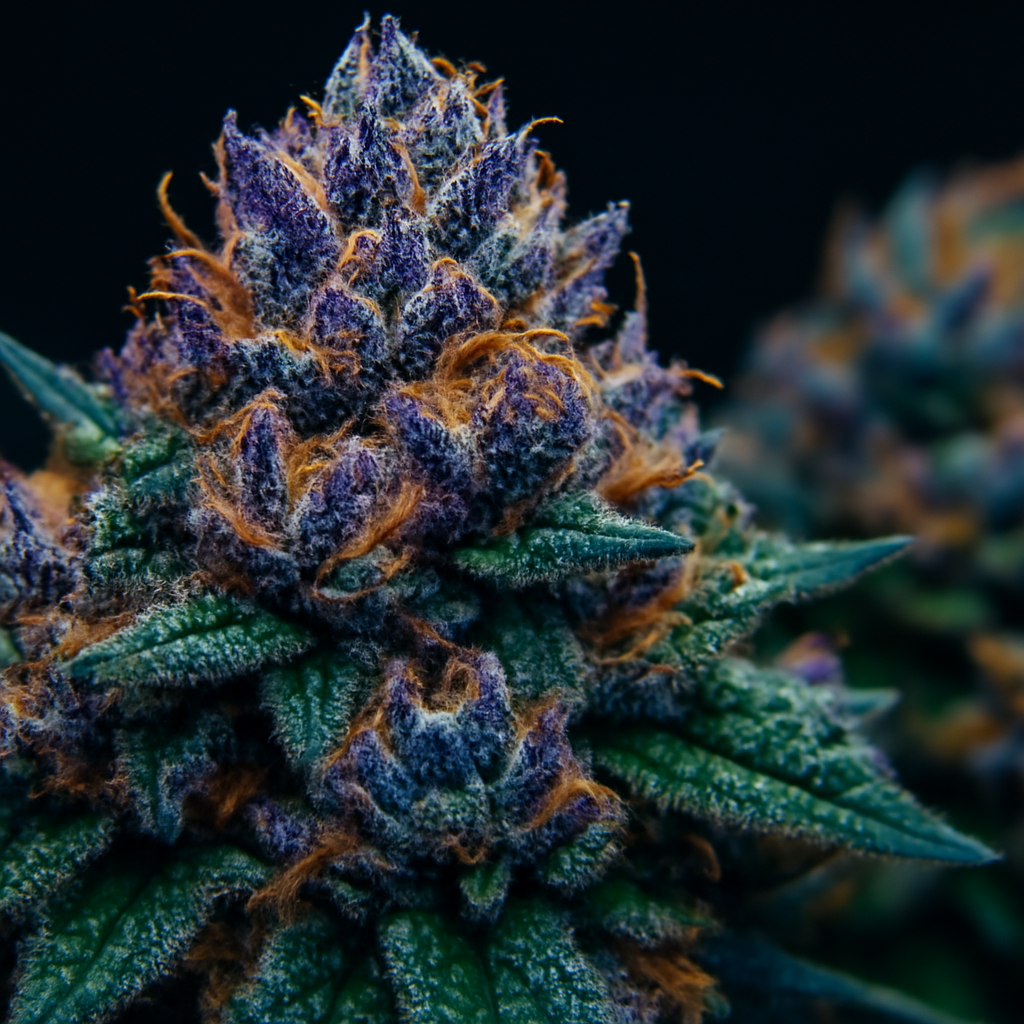
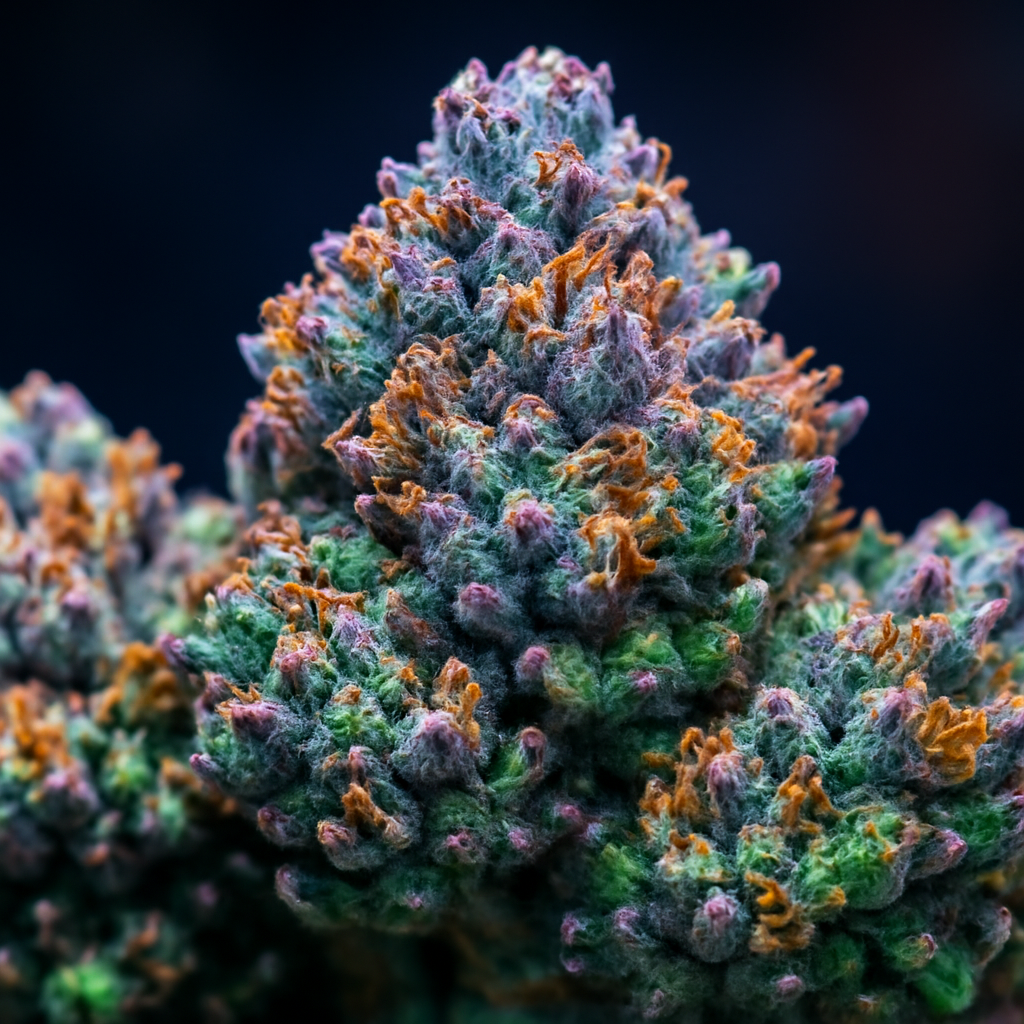
The Tahoe OG strain is an indica-dominant hybrid that's earned a reputation as one of the heavier-hitting OG phenotypes in the cannabis world. Genetically, it's rooted in OG Kush — some breeders describe it as a cross between OG Kush and SFV OG Kush — but whatever its exact lineage, the result is a plant that stacks dense, resin-caked buds, throws out a sharp lemon-pine terpene profile, and routinely tests between 20% and 25% THC with barely any CBD (around 0.2%). If you're growing it for the first time, know this: it rewards precision. Sloppy humidity control or lazy training will cost you grams and potency. Do it right and you'll have one of the most aromatic, sticky harvests you've pulled.
According to Grow Guide platform data, 73% of tracked grows are run indoors — and Tahoe OG is built for a controlled tent or room where you can dial in the environment exactly. You can track every detail of your run in a structured grow diary to catch problems early and replicate wins.
Tahoe OG Strain: Genetics, Terpenes, and What to Expect
Before you even germinate, it's worth understanding what the plant is trying to do. Tahoe OG grows with typical OG structure — compact internodes, wide fan leaves, and a tendency to bush out rather than stretch. In an uncontrolled environment, that canopy gets messy fast. The terpene profile is dominated by myrcene (earthy, musky base), limonene (the bright lemon topnote), and caryophyllene (the spice). If you want to dig deeper into how these terpenes interact, the Terpene Explorer breaks it down visually.
The flowering window is 9–10 weeks from flip. Week 3–5 of flower is when Tahoe OG stacks hardest — you'll notice rapid calyx stacking and a sharp increase in trichome production. This is also when humidity control becomes critical. Those dense buds are beautiful and a mold risk in equal measure.
Setting Up the Environment for Tahoe OG
Temperature and Humidity
Run your canopy temperature between 65°F and 80°F (18–27°C). During the lights-off period, a 5–10°F drop is fine and can even encourage deeper terpene expression late in flower. Anything below 60°F consistently will slow growth and can stress the plant.
Humidity is where Tahoe OG growers get caught out. Because the buds are so dense, airflow doesn't penetrate the way it does with more open-structured strains. Target:
- Veg: 55–70% RH
- Early flower (weeks 1–4): 50–60% RH
- Mid-to-late flower (weeks 5–10): 40–50% RH
- Final two weeks: Drop to 38–42% RH to stress trichomes and reduce mold risk
VPD (vapor pressure deficit) is a more reliable metric than RH alone. Aim for 0.8–1.0 kPa in veg and 1.0–1.5 kPa during flower. At 75°F canopy and 50% RH, you're sitting around 1.1 kPa — a good flowering target.
Lighting
Tahoe OG responds well to high light levels once established. In veg, run 400–600 PPFD at canopy. In flower, push toward 800–1000 PPFD at the top of the canopy once plants are mature and CO₂ levels are adequate. Use the Grow Light Calculator to figure out exact hanging heights and coverage for your space.
Training the Tahoe OG Strain for Maximum Yield
This is where you make or lose a significant chunk of your yield. Left untrained, Tahoe OG will grow a dominant main cola with significantly smaller popcorn buds below. Topping and LST (low-stress training) change that completely.
Topping and LST
Top at the 5th or 6th node, once the plant is actively growing and healthy — typically 3–4 weeks into veg. This creates two main colas instead of one. You can top again 10–14 days later for a 4-cola structure. After each topping, use soft ties or pipe cleaners to LST the branches outward, opening up the canopy and letting lower bud sites receive direct light. For a detailed breakdown of when to top versus FIM, check out the Fimming vs Topping guide.
Because Tahoe OG has shorter internodes, an even canopy is achievable with moderate training. Aim for a flat, wide plant going into flip — every bud site at roughly the same height means every bud site gets the same PPFD, and that translates directly to uniform, dense development across the whole plant.
Defoliation
Do a light defoliation at the flip (day 1 of 12/12) and again at day 21 of flower. Remove large fan leaves blocking bud sites and any larf growth below the canopy that won't develop into viable buds. Don't strip the plant — leave enough foliage for healthy photosynthesis. The goal is airflow through the canopy, not a bare plant.
Nutrients for Tahoe OG: Stage-by-Stage
Tahoe OG isn't a particularly hungry strain compared to some sativas, but it does need consistent nutrition. Running it in soil (which, per Grow Guide platform data, is the medium of choice for 63% of tracked growers) gives you a buffer against overfeeding — coco coir or hydro demands more precision.
- Seedling (weeks 1–2): Minimal feeding. If you're in a good pre-amended soil, you don't need to add anything. If feeding, keep EC under 0.4–0.6 mS/cm. See the best nutrients for seedlings guide for specific product options.
- Veg (weeks 3–6): Nitrogen-forward feed. EC 1.0–1.6 mS/cm in soil, 1.4–1.8 in coco. pH 6.0–7.0 in soil, 5.8–6.2 in coco/hydro. Push N to support the rapid growth post-topping.
- Transition/stretch (weeks 1–3 of flower): Begin stepping N down, ramping P and K up. EC 1.4–2.0 mS/cm. Add a bloom booster if using a two-part or three-part base.
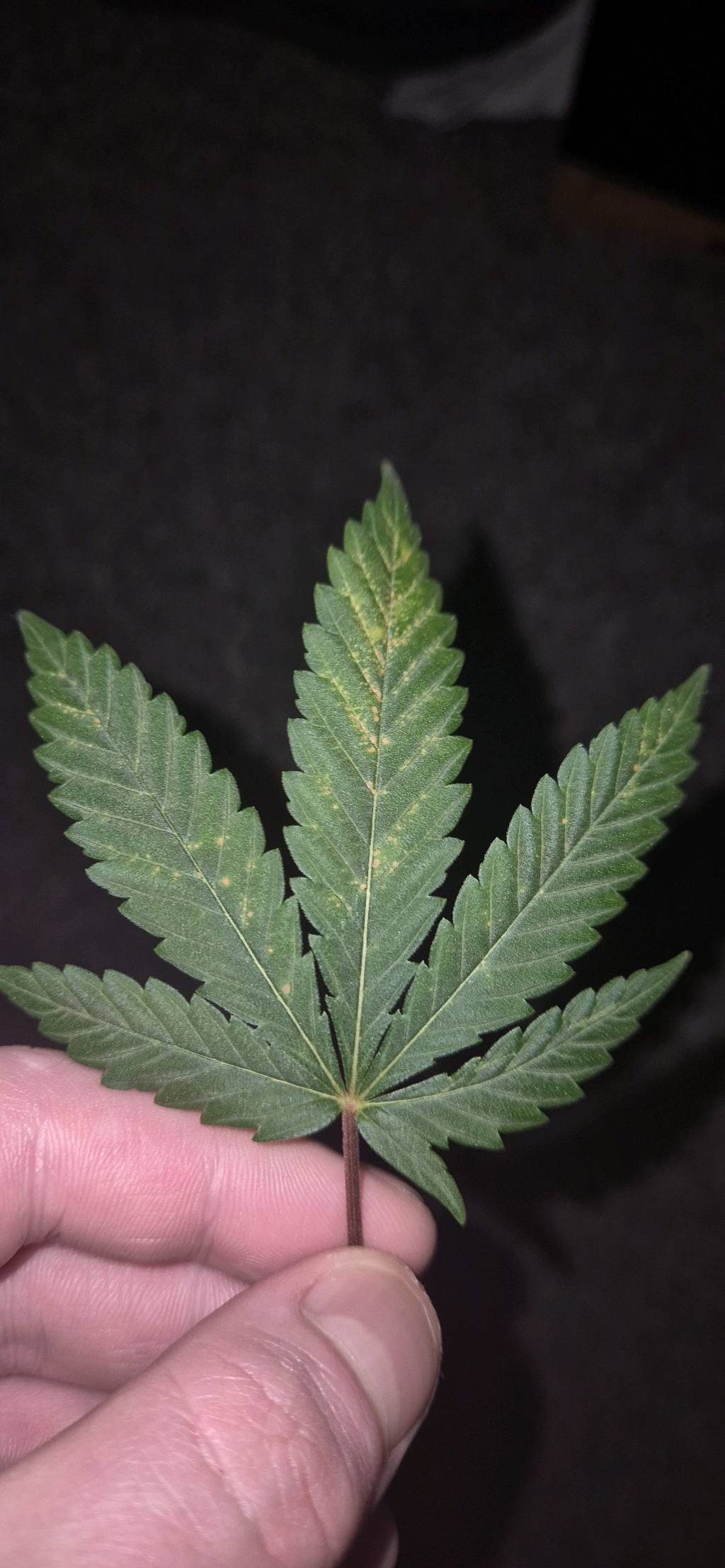
- Peak flower (weeks 4–8): High P/K, low N. EC 1.8–2.2 mS/cm in coco or hydro. Watch for potassium deficiency — yellowing leaf edges with brown tips — which is common in heavy-feeding OG phenos. Use the Nutrient Deficiency Identifier if you spot anything unusual.
- Final 2 weeks: Flush or reduce feed to just water (depending on your philosophy and growing medium). EC back to 0.4–0.8 or plain water from day 56–58 onward.
For growers preferring organic inputs, the best organic nutrients guide has solid options that work well with Tahoe OG's soil-friendly root structure.
Use the Grow Schedule Planner to map out your full nutrient schedule before you start — it's far easier to adjust a plan on paper than to troubleshoot a sick plant at week 6 of flower.
Harvesting Tahoe OG at Peak Potency
Tahoe OG's 9–10 week flower time is a guideline, not a hard rule. Trichome inspection is the only reliable harvest indicator. At the 9-week mark, pull out your loupe or digital microscope and check the trichomes on a mid-canopy bud — not a sugar leaf, which matures faster.
- All clear trichomes: Too early. Potency hasn't peaked.
- Mostly milky/cloudy, no amber: Cerebral, upper-range THC. Harvest here for a more energetic effect profile (less typical for an indica, but some growers prefer it).
- 80–90% milky, 10–20% amber: This is the Tahoe OG sweet spot. THC is at or near peak, with early THC-to-CBN degradation beginning. Heavy, sedating effect profile.
- 30%+ amber: THC has degraded significantly. Heavily sedating. Only harvest here if that's your specific goal.
Also watch pistil color: when 70–90% of pistils have darkened and curled inward, you're in the harvest window. Use trichomes to confirm.
Drying and Curing Tahoe OG: Don't Rush This
The work you've done over 15+ weeks in veg and flower can be compromised in a week of bad drying. Tahoe OG's dense buds hold moisture longer than you'd expect — respect the process.
Drying
Hang whole branches or individual buds upside down in a dark room at 60–68°F and 45–55% RH. Slow drying preserves terpenes — don't force it by running a dehumidifier on maximum or raising the temperature. Target a 7–10 day dry, checking daily. The buds are ready when the small stems snap cleanly rather than bend.
Curing
Pack loosely into wide-mouth glass jars — fill to about 75% capacity. For the first week, "burp" the jars twice daily for 10–15 minutes to release moisture and CO₂. If you open a jar and smell ammonia, the buds are too wet. Spread them on a tray for 30–60 minutes before resealing. After week 1, burp once daily. After week 2, every 2–3 days. A minimum 3-week cure is standard; 4–6 weeks is where Tahoe OG really opens up — the lemon-pine terpene profile sharpens noticeably and the smoke becomes noticeably smoother.
Use the Dry & Cure Timer to track your jar burping schedule and log moisture readings — especially useful across multiple jars from a large harvest.
Troubleshooting Common Tahoe OG Problems
Botrytis (Bud Rot)
The number one threat with Tahoe OG. Dense buds trap moisture internally even when surface RH looks fine. Prevention: keep RH below 50% from week 4 of flower onward, run oscillating fans directly across the canopy, and defoliate enough to allow airflow into the bud structure. If you spot grey-brown tissue inside a bud, remove the affected site immediately, clean your scissors, and drop RH by 5–8 percentage points immediately.
Nutrient Burn
OG phenos can be slightly sensitive to nutrient excess, especially nitrogen late in veg. Symptom: crispy, curled-down leaf tips, deep-green coloration. Back off N by 20–25% and monitor over 3–5 days. Don't flush aggressively — a gradual reduction is cleaner and less stressful to the plant.
Potassium Deficiency in Late Flower
Yellowing at leaf margins progressing to brown, crispy edges — usually appearing in weeks 5–7 of flower. Common when pH drifts above 7.0 in soil or above 6.3 in coco, locking out K uptake. Check runoff pH first before adding more potassium. The Nutrient Deficiency Identifier can help differentiate K deficiency from magnesium or calcium issues, which present similarly at first glance.
Estimating Your Yield
Tahoe OG delivers moderate-to-high yields when trained well. In a 4×4 tent with 4 plants, topped twice and trained into a flat canopy under a 600W HLG-equivalent LED, expect 14–20 oz (400–560g) dry weight per run. A single large untrained plant will produce significantly less, with most weight concentrated in the main cola. Before you start, plug your setup into the Yield Calculator to benchmark realistic targets and compare against actual harvest data. You can also run numbers through the Cost Per Gram Calculator to track whether your setup is producing efficiently.
If you're documenting this run, the grow diary guide walks through exactly what to log at each stage. You can also browse Tahoe OG grow journals on the platform to see how other growers have approached the same strain.
Frequently Asked Questions
How long does Tahoe OG take to flower?
Tahoe OG has a flowering window of 9–10 weeks from the flip to 12/12. Always confirm harvest timing by checking trichomes — look for 80–90% milky trichomes with 10–20% amber for peak potency and the full indica effect profile.
Is Tahoe OG hard to grow?
It's intermediate difficulty. The main challenge is humidity management — dense buds are highly susceptible to botrytis if RH isn't kept below 50% during mid-to-late flower. Training is also important to prevent a single dominant cola and low overall yield. Experienced growers with environmental control will find it very rewarding.
What medium works best for Tahoe OG?
Soil works extremely well for Tahoe OG, offering buffering capacity that protects against overfeeding. Coco coir is also effective and allows for faster growth, but demands more precise EC and pH management. The majority of growers on the Grow Guide platform (63%) run soil, which suits this strain's OG roots well.
What THC percentage does Tahoe OG reach?
Tahoe OG typically tests between 20% and 25% THC under optimized conditions. CBD content is minimal at around 0.2%. To hit the upper end, focus on environment (VPD, PPFD), a complete flush or reduced feed in the final two weeks, and a minimum 4-week cure.
When should I harvest Tahoe OG for the strongest effect?
Harvest when trichomes are 80–90% cloudy/milky with 10–20% amber on bud trichomes (not sugar leaves). At this point THC is near its peak and the cannabinoid profile delivers the heavy, relaxing effect Tahoe OG is known for. Going too early (all cloudy, no amber) produces a lighter, more cerebral effect; going too late degrades THC to CBN, increasing sedation.
References
- StrainHub (2024). Tahoe OG Strain Profile — THC/CBD content, flowering time, and lineage data. strainhub.org/strains/tahoe-og
- StrainPedia (2024). Tahoe OG Cultivation Notes — yield, airflow, and mold prevention guidance. strainpedia.com/tahoe-og
- Strainy (2024). Tahoe OG Grow Data — environmental conditions, nutrient staging, trichome harvest indicators, and dry/cure protocols. strainy.com/cannabis/strains/tahoe-og
- Grow Guide Platform Data (2026). Internal analytics from 1,000 tracked cannabis grows — environment, medium, and feeding method distribution across active grow journals. growguide.app
- Rodriguez, A., Appendino, G., et al. (2009). Taming THC: Potential cannabis synergy and phytocannabinoid-terpenoid entourage effects. British Journal of Pharmacology, 163(7), 1344–1364. doi.org/10.1111/j.1476-5381.2011.01238.x