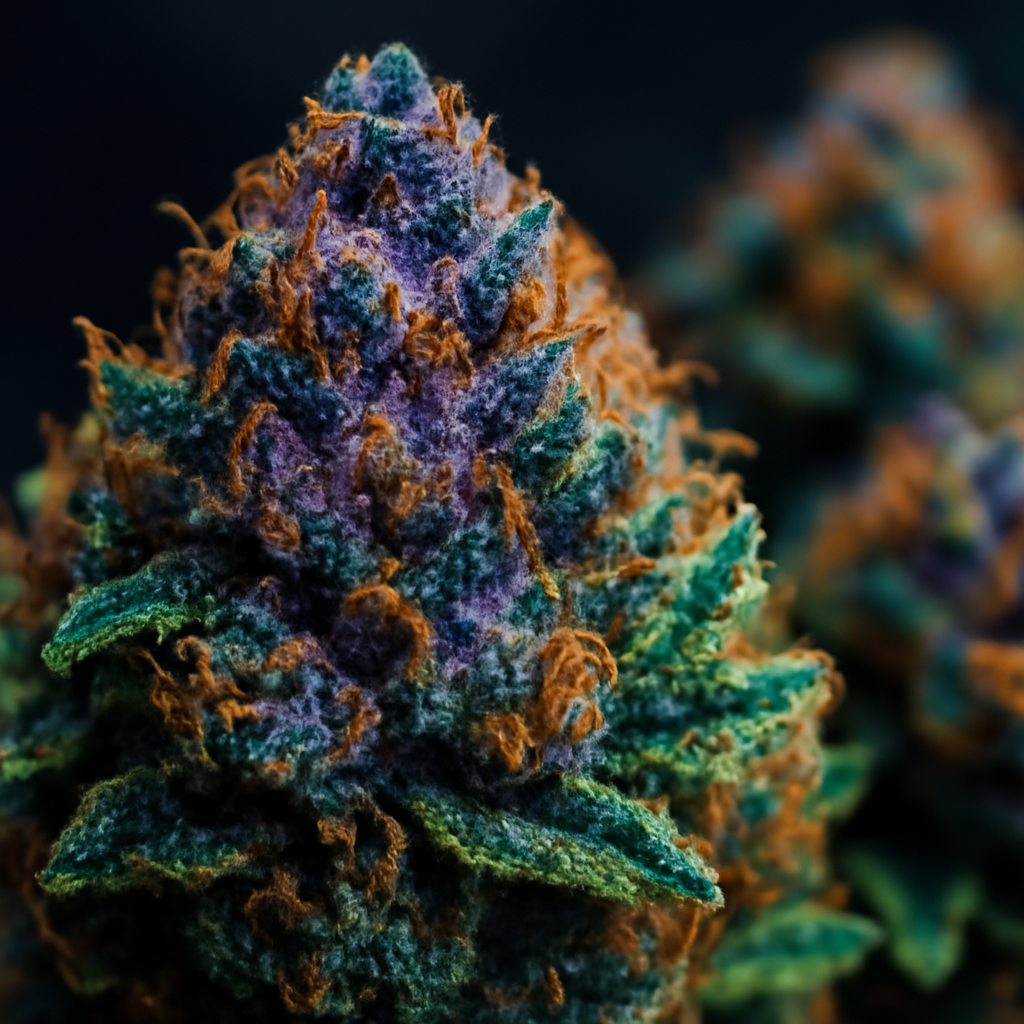
What Is the Lavender Kush Strain?
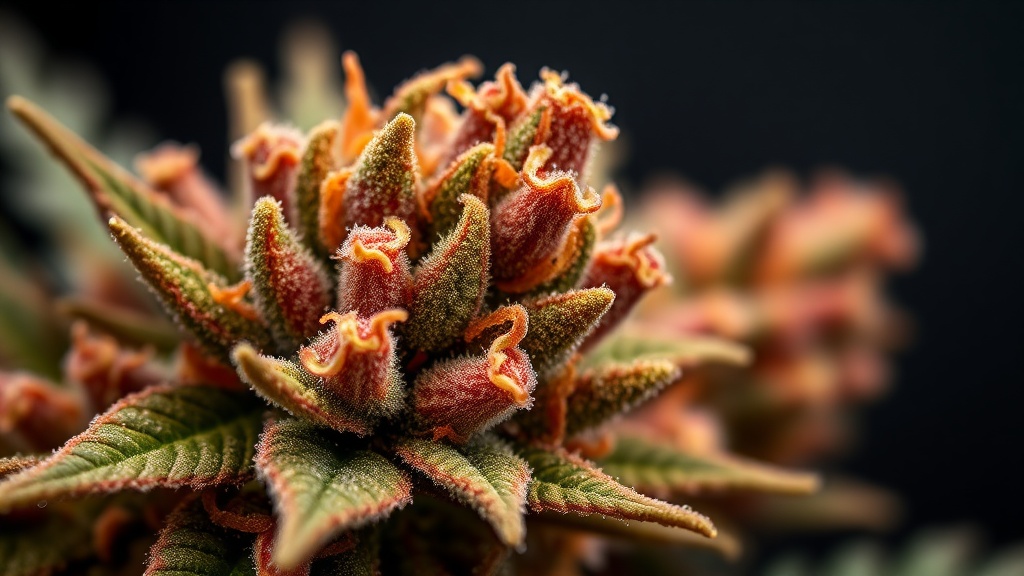
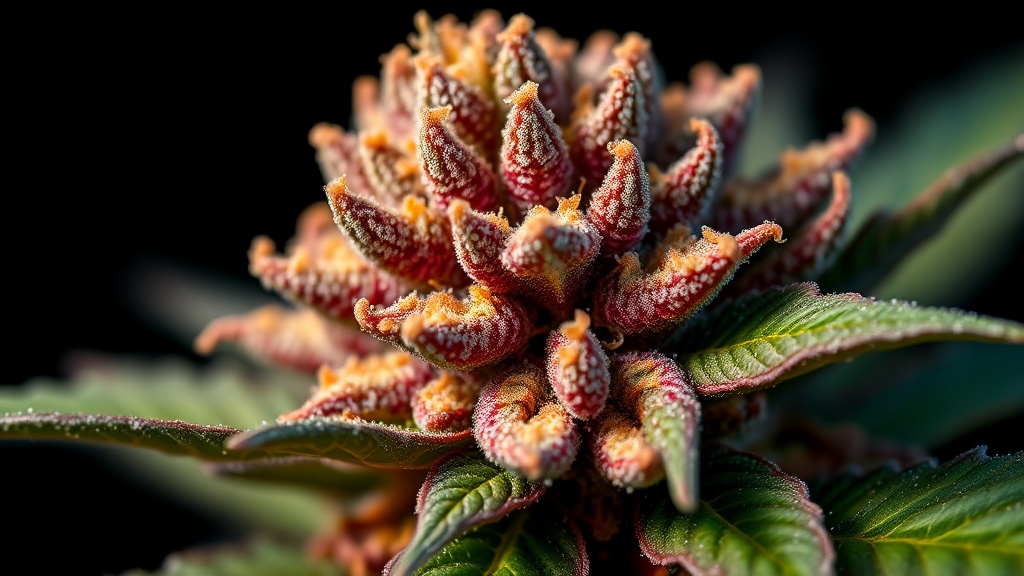
The Lavender Kush strain is an indica-dominant hybrid — commonly cited with genetics tracing through Afghani, Super Skunk, and Big Skunk Korean lines — known for its pronounced floral aroma, dense resinous buds, and deeply relaxing effects. From a cultivation standpoint, it's a medium-difficulty grow that rewards growers who dial in their environment. The buds are heavy and compact, which is exactly what makes late-flower humidity management non-negotiable. Get that wrong and you'll lose a run to Botrytis cinerea. Get it right and you're pulling one of the more aromatic, visually striking harvests in the indica catalog.
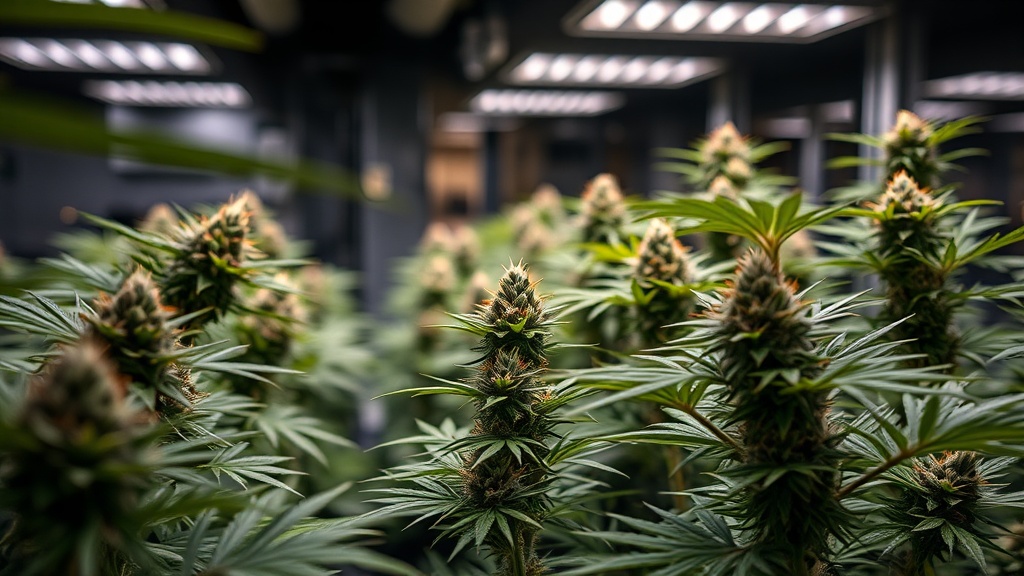
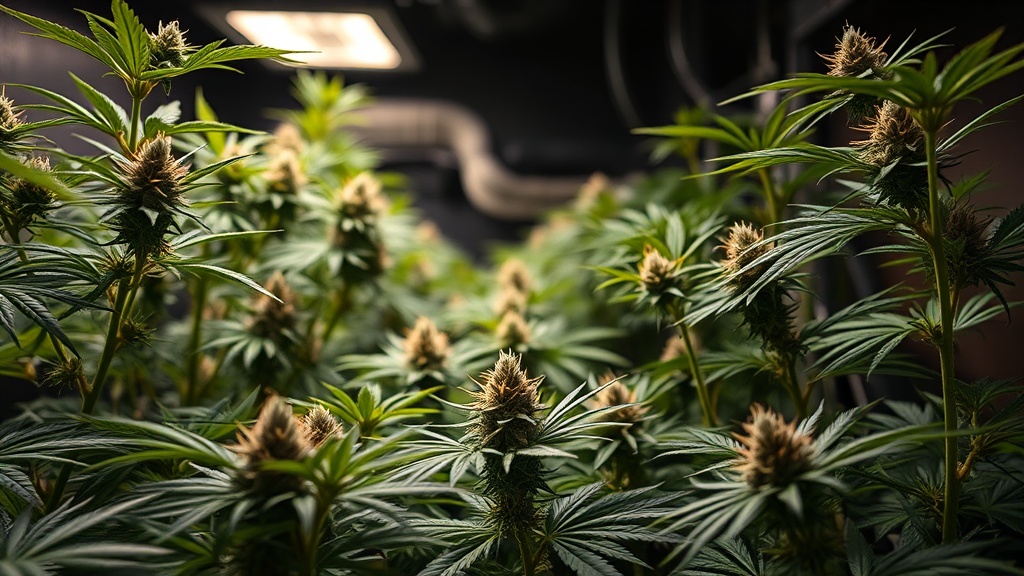
Of the 1,000 grow journals tracked on Grow Guide, 73.4% of growers are running indoor setups — which aligns perfectly with how most people approach a strain like Lavender Kush, where terpene preservation and environmental control are the difference between average and exceptional results.
Growing the Lavender Kush Strain Indoors: Environment First
Before you pick a training style or nutrient line, nail your environment. Lavender Kush is sensitive enough to humidity swings that environmental slip-ups will cost you more than any feeding mistake.
Temperature
- Vegetative: 72–80°F (22–27°C) with lights on, 65–70°F lights off
- Flowering: 68–78°F (20–25°C) lights on
- Final 2 weeks: Drop night temps to 58–68°F (14–20°C) — a 10°F differential encourages the purple and lavender coloration some phenotypes express, and amplifies linalool and myrcene expression
Humidity (VPD)
- Seedling: 65–70% RH
- Vegetative: 50–60% RH, VPD 0.8–1.0 kPa
- Early flower (weeks 1–5): 45–50% RH, VPD 1.0–1.2 kPa
- Late flower (weeks 6–harvest): Below 45% RH — target 40–45%, VPD 1.2–1.5 kPa
Those dense Kush buds create micro-pockets with zero airflow. Run oscillating fans above and below your canopy. A horizontal airflow fan pointed across (not directly into) the canopy during lights-off hours is worth doing from week 4 of flower onward. Use the Grow Schedule Planner to map out your environmental transitions alongside your feed schedule so nothing slips.
Lighting for Lavender Kush
Full-spectrum LED is the preferred choice for this strain — energy efficiency aside, the ability to tune spectrum matters when you're trying to push terpene expression. Target these PPFD values:
- Seedling: 200–300 µmol/m²/s
- Vegetative: 400–600 µmol/m²/s
- Flowering: 800–1,000 µmol/m²/s (pushing toward 1,000+ in the final 3 weeks if your CO₂ and environment are dialed)
Photoperiod: 18/6 in veg, flip to 12/12 to trigger flower. Don't leave it in veg too long — Lavender Kush stretches approximately 50–75% after the flip, so account for that in your canopy management. Use the Grow Light Calculator to verify your light is hitting target PPFD before you commit to a canopy height.
Grow Medium and Feeding
Soil is the natural home for the Lavender Kush strain. Among Grow Guide users, 63.3% of tracked growers run soil — and for a terpene-forward strain like this, that number makes sense. A well-amended organic soil (compost, worm castings, perlite at 20–30% for drainage) gives you a buffering capacity that coco doesn't. Organic top-dresses of bat guano during veg and bloom-specific inputs at weeks 3–5 of flower work well with this strain's pace.
If you're running coco (14.9% of Grow Guide users do), you'll need to be more precise — buffered coco, cal-mag from day one, and tighter pH management.
pH Targets
- Soil: 6.0–7.0 (optimum 6.2–6.8)
- Coco/hydro: 5.8–6.3
EC / Nutrient Schedule
- Seedling: 0.4–0.8 EC — minimal feeding, let the medium carry it
- Early veg: 1.0–1.4 EC, N-heavy (3-1-2 ratio or similar)
- Late veg: 1.4–1.8 EC
- Early flower (weeks 1–3): 1.6–2.0 EC, transition to P/K-forward (1-3-2)
- Peak flower (weeks 4–7): 1.8–2.2 EC, push phosphorus and potassium
- Flush (final 7–10 days): plain pH-adjusted water only, EC near 0
See our guide on Best Organic Nutes for Cannabis (2026) for product-specific recommendations that pair well with soil grows. If you spot yellowing fans mid-veg or reddening stems in flower, hit the Nutrient Deficiency Identifier before you adjust anything — misdiagnosis here costs you weeks.
Training the Lavender Kush Strain for Maximum Yield
Lavender Kush responds well to both LST and topping. Choose based on your canopy space and experience level.
Low-Stress Training (LST)
Start LST at week 2–3 of veg once you have 4–5 nodes. Gently bend the main stem outward and secure it with soft tie-downs or LST clips. As new growth reaches upward, continue bending outward in a circular pattern. Goal: a flat, wide canopy with all bud sites at roughly the same height relative to your light.
Topping
Top above the 4th or 5th node during week 3–4 of veg. Give the plant 5–7 days to recover before any additional stress. The two resulting main colas can then be LST'd outward. You can top once more (mainlining to 4 mains) if your veg window allows. More on this in our Fimming vs Topping Cannabis: 2026 Guide.
Defoliation
Light defoliation at the flip (remove large fan leaves blocking bud sites) and again at day 21 of flower (lollipop the bottom third of the plant). With Lavender Kush's dense structure, restricting airflow is your biggest risk — removing excess interior growth directly reduces humidity pockets in the canopy.
Once your training plan is set, plug your canopy size and plant count into the Yield Calculator to get a realistic target number before harvest.
Troubleshooting Lavender Kush: Common Problems
Bud Rot (Botrytis cinerea)
This is the primary threat. Symptoms: grey or brown fuzzy patches appearing inside dense colas, often starting from a hidden stem. By the time it's visible on the outside, it's already spread internally. Prevention: keep RH below 45% from week 6 of flower onward, ensure airflow reaches every bud site, and inspect the innermost parts of your largest colas twice weekly during the final stretch.
If you find it: remove the affected bud immediately, clean scissors with isopropyl alcohol, and increase airflow and dehumidification. Check surrounding buds within 48 hours.
Nutrient Deficiencies
- Nitrogen deficiency: Yellowing starting from lower fan leaves, moving upward. In veg this is a problem — increase N feed and check pH. In late flower, some lower-leaf yellowing is normal as the plant mobilizes nitrogen.
- Phosphorus deficiency: Purple/red discoloration in stems and petioles, dark green leaves. Increase P during early-to-mid flower. Verify pH is in range first — at 7.0+ in soil, phosphorus locks out regardless of how much you're feeding.
- Calcium deficiency: Brown spots with yellow halos on leaves. Kush strains run hard on cal-mag — add 3–5 mL/gal of cal-mag if you're on soft water or RO.
Harvest Timing for Lavender Kush
Lavender Kush's 8–10 week flower window means your harvest window opens around day 56 and closes around day 70. Don't rely on breeder timelines alone — read the trichomes.
Use a 60x–100x jeweler's loupe or a digital microscope. Sample from mid-canopy buds, not the top cola (those mature faster) and not popcorn sites (those mature slower). Target:
- 70–80% cloudy (milky white) trichomes
- 15–25% amber trichomes
- Minimal clear trichomes remaining
This ratio gives you the balanced indica effect the strain is known for. Harvesting at all-cloudy gives you a more cerebral, energetic result. Pushing past 30% amber will deliver a heavier, more sedative effect — valid if that's your target.
Flush with plain pH-adjusted water for 7–10 days before the chop. Watch for the final leaf yellowing and leaf tuck that signals the plant is finishing strong.
Drying and Curing Lavender Kush
Terpene preservation is where most growers lose what they worked 10+ weeks to build. The floral, lavender-forward aroma of this strain comes primarily from linalool — a volatile monoterpenol that degrades quickly with heat, light, or improper cure conditions.
Drying
- Hang whole branches (wet trim preferred for this strain — the sugar leaves protect trichomes during dry)
- Dark room, 60°F (15.5°C), 60% RH
- Target 10–14 days dry time — stems should snap, not bend
- Airflow: gentle circulation only, no direct fan blast on buds
Fast drying (under 7 days) is the single biggest terpene killer. If your room is too dry, add a humidifier. Don't rush this.
Curing
- Fill glass mason jars to 75% capacity — loose, not packed
- Store in complete darkness, 60–65°F (15–18°C)
- Target 58–62% RH inside jars (use Boveda or Integra packs + a mini hygrometer)
- Week 1: Burp jars twice daily, 10–15 minutes each session
- Week 2: Burp once daily
- Weeks 3–4+: Burp every 2–3 days
- Minimum cure: 4 weeks. Lavender Kush at 6–8 weeks cured is noticeably smoother and more aromatic than at 4 weeks.
If RH inside jars exceeds 65%, leave lids off for an hour and recheck. If RH drops below 55%, add a 62% humidity pack. Track your dry and cure progression with the Dry & Cure Timer so you never lose count of burp days.
Tracking Your Lavender Kush Grow
Lavender Kush is a strain worth documenting carefully — phenotype variation is real with this one, and your grow notes will help you repeat (or improve) your best run. Log daily environment data, feeding records, and training decisions throughout. See our guide on How to Keep a Cannabis Grow Diary for a practical system. You can also view Lavender Kush grow journals on Grow Guide to see how other growers are running this strain and what results they're getting.
When your run is done, plug your final numbers into the Cost Per Gram Calculator to benchmark efficiency — it's one of the most useful data points to have going into your next grow of this strain.
Frequently Asked Questions
How long does the Lavender Kush strain take to flower?
Lavender Kush typically flowers in 8–10 weeks (56–70 days) from the 12/12 flip. Most phenotypes are ready around day 63. Always confirm with trichome inspection rather than relying solely on the breeder timeline.
What yield can I expect from Lavender Kush indoors?
Under optimized LED lighting at 800–1,000 µmol/m²/s PPFD with a trained canopy, growers report 500–600g/m². First-time growers with basic LST and good environment typically land in the 300–400g/m² range. Use the Yield Calculator for a more specific estimate based on your setup.
Is Lavender Kush prone to mold and bud rot?
Yes — its dense, compact bud structure makes it more susceptible than open-structure sativas. Keep RH below 45% from week 6 of flower onward, run oscillating fans above and below the canopy, and defoliate excess interior growth at the flip and at day 21 of flower.
What is the best grow medium for Lavender Kush?
Organic soil is the top choice for expressing Lavender Kush's terpene profile — particularly its linalool-forward floral aroma. Amend with worm castings, compost, and 20–30% perlite for drainage. Coco coir works but requires tighter pH and cal-mag management from day one.
How long should I cure Lavender Kush?
Minimum 4 weeks in glass jars at 58–62% RH and 60–65°F. At 6–8 weeks, the floral terpene profile opens up significantly and harshness drops. Don't shortcut the cure — the lavender aroma this strain is named for depends on it.
References
- DSS Genetics (2026). Lavender Kush Grow Guide: Environmental Controls, Harvest Timing, and Cure Protocol. Details temperature differentials for terpene expression, trichome harvest targets (70–80% cloudy, 15–25% amber), and cure RH targets of 58–62%. dssgenetics.com
- Leafly (2023). How to Grow Lavender Cannabis. Recommends organic soil enriched with compost teas, bat guano, and worm castings to support terpene development in Kush cultivars. leafly.com
- Blimburn Seeds (2026). Cannabis Crop Guide: Humidity Management and Botrytis Prevention for Dense Kush Varieties. Recommends maintaining humidity below 45% during the final weeks of flowering and ensuring multi-level airflow to prevent bud rot in compact indica strains. blimburnseeds.com
- Reality Pathing (2026). Tips for Growing High-Quality Kush at Home. Covers LST and topping techniques for Kush strains, nitrogen management in veg, and P/K transition timing at flower onset. pH target of 6.0–7.0 for soil-based systems. realitypathing.com
- Grow Guide Platform Data (2026). Internal grow journal analytics: 1,000 tracked journals. Environment breakdown: 73.4% indoor, 17.1% outdoor. Medium breakdown: 63.3% soil, 14.9% coco coir. Feed method breakdown: 54.7% manual, 12.6% top-feed drain-to-waste. Grow Guide original data.