What Makes Khalifa Kush Worth Growing
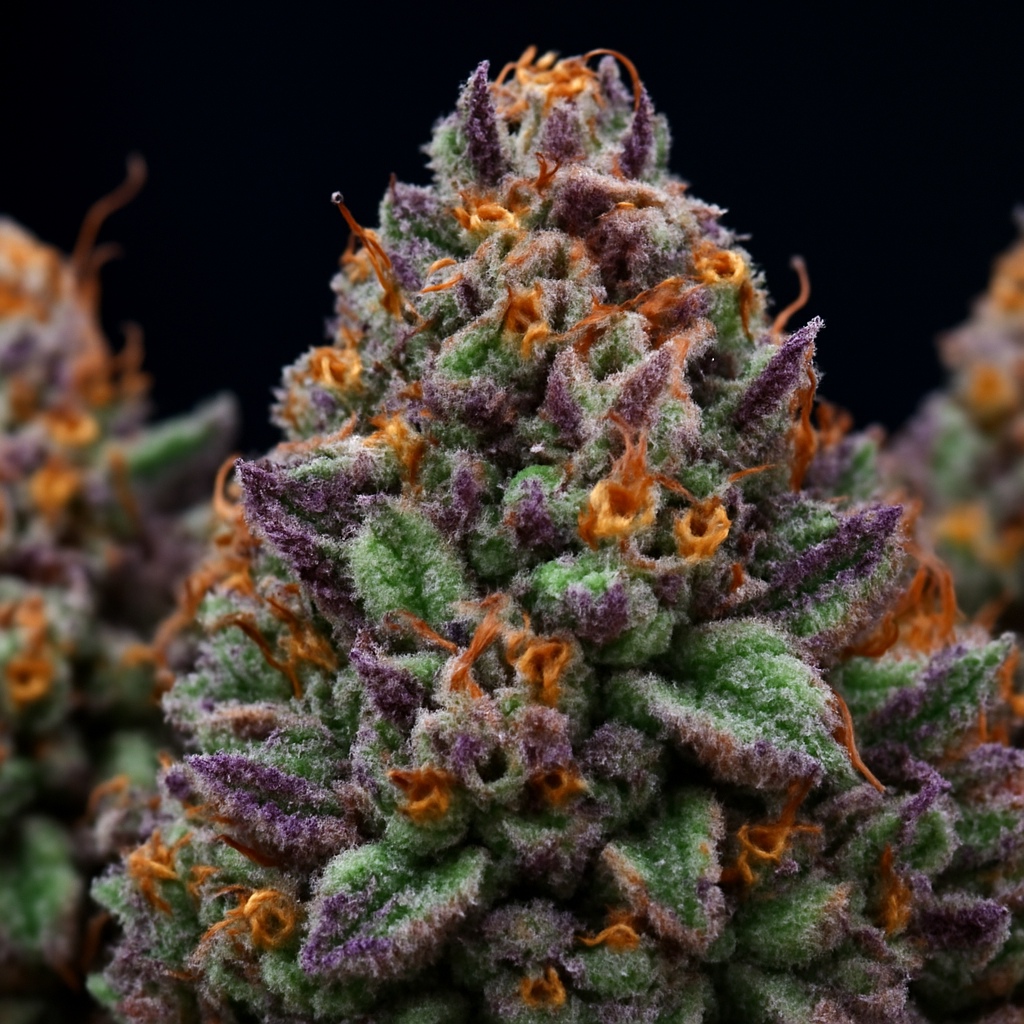
Khalifa Kush — often abbreviated as KK — has earned a strong reputation among indoor cultivators for its dense, resinous buds, recognizable pine-and-citrus terpene profile, and a flowering window that fits neatly into most grow schedules. Originally developed for rapper Wiz Khalifa, the strain has since been reproduced and distributed by multiple genetics houses, including Cookie Fam and Monster Breeders Association. Phenotypes vary, but the cultivation parameters below cover the core expression: a balanced hybrid with OG Kush heritage, predictable structure, and above-average trichome density when dialed in correctly.
According to Grow Guide platform data across 1,000 tracked grow journals, 73.5% of growers are running indoor setups — and Khalifa Kush rewards the control that indoor cultivation allows. Here's how to run it properly from seed to jar.
Khalifa Kush Grow Timeline Overview
Khalifa Kush Environment: VPD, Temperature, and Humidity by Stage
KK's OG lineage makes it sensitive to environmental drift — especially in the transition from mid to late flower, where botrytis and powdery mildew become real risks if humidity climbs above 55%. Track each stage closely and adjust proactively rather than reactively.
- Vegetative (18/6 light): 24–28°C canopy temp, 60–70% RH, VPD 0.8–1.1 kPa. PPFD at 350–600 µmol/m²/s delivering a DLI of 22–39 mol/m²/day.
- Early Flower (Weeks 1–3): 24–26°C, 55–60% RH. Begin increasing PPFD toward 800 µmol/m²/s.
- Mid Flower (Weeks 4–6): 23–25°C, 50–55% RH. PPFD at 900–1000 µmol/m²/s. Push CO₂ to 1200–1400 ppm if your setup supports it.
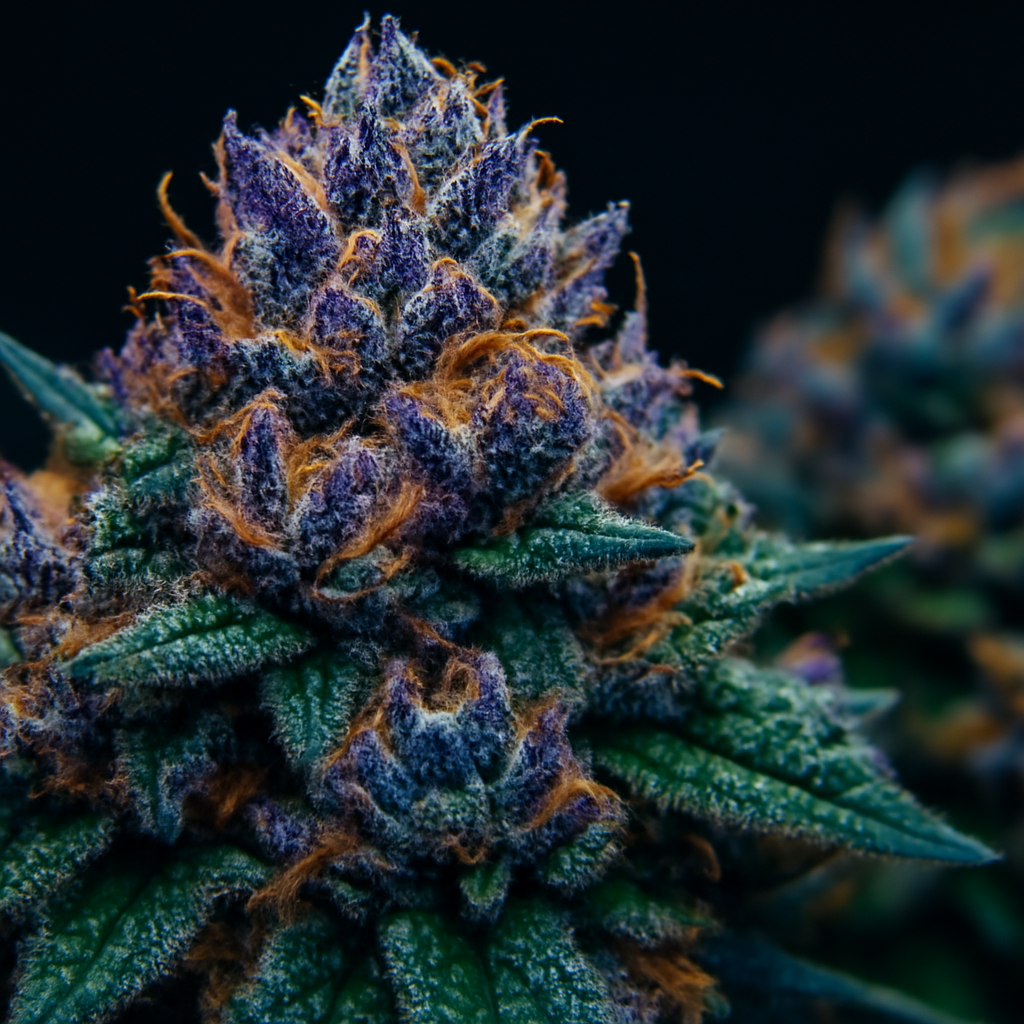
- Late Flower (Weeks 7–9): 21–24°C, 45–50% RH. Some phenotypes tolerate up to 1100 µmol/m²/s. Introduce a 10°C day-to-night temperature differential in the final week to encourage anthocyanin expression and terpene stacking.
Use our Grow Light Calculator to model PPFD and DLI targets for your specific tent or room dimensions before committing to light positioning.
Training Khalifa Kush: Structure and Timing
KK stretches 1.5–2x its flip height during the transition period — so a plant sitting at 35 cm when you flip to 12/12 can end up between 52 and 70 cm at canopy lock. That's manageable, but only if you've built the structure before stretch begins.
- Topping or FIMming: Top once at node 4–5 during veg. If you're running multiple plants per light footprint, a second top 7–10 days later keeps canopy height uniform. See our Fimming vs Topping guide for a side-by-side breakdown of both methods.
- Low-Stress Training (LST): Begin LST by week 3 of veg, tying main branches outward to create an even canopy. KK responds well to horizontal training given its moderate internodal spacing.
- SCROG: Install your first trellis net at week 3 of veg, 25–30 cm above the pot. A second net at week 2 of flower (approximately 50–60 cm above the pot) gives the swelling buds something to lean against during peak flower development. Aim for 80–90% screen coverage before flipping.
- Defoliation: A light defoliation at day 21 of flower (removing large fan leaves blocking bud sites) improves airflow and light penetration into the lower canopy. Don't strip more than 20–25% of foliage at once.
Use the Grow Schedule Planner to map out your training milestones alongside flip date and expected harvest window.
Khalifa Kush Nutrients: What to Feed and When
KK is not a heavy feeder — running it too hot on nitrogen in flower is one of the most common mistakes. Here's a working EC framework for soil grows (adjust down by 15–20% for coco):
- Seedling (Days 1–14): EC 0.4–0.6, pH 6.0–6.5. Minimal feeding; starter nutrients in quality soil are usually sufficient. See our guide on best nutrients for cannabis seedlings if you're starting from scratch.
- Vegetative (Weeks 2–4): EC 1.2–1.8, pH 6.0–7.0. High-nitrogen base nutrient (e.g., 3-1-2 NPK ratio), CalMag at 2–3 ml/L, silica supplement optional but beneficial for stem rigidity.
- Transition / Early Flower (Weeks 1–3 of flower): EC 1.6–2.0, pH 6.2–6.8. Begin tapering nitrogen; introduce a PK booster. Ratio shifts toward 1-3-2 NPK.
- Peak Flower (Weeks 4–6): EC 1.8–2.2, pH 6.2–6.8. Full PK push. Enzymes and amino acids at this point aid terpene synthesis.
- Ripening (Weeks 7–9): EC 1.0–1.4, tapering down to a flush. Drop nitrogen to near-zero. Potassium and phosphorus remain the primary macros.
- Flush (Final 5–7 days): Plain, pH-corrected water at 6.2–6.5. Flushing lightens leaf color (nitrogen draw-down) and can improve smoke quality.
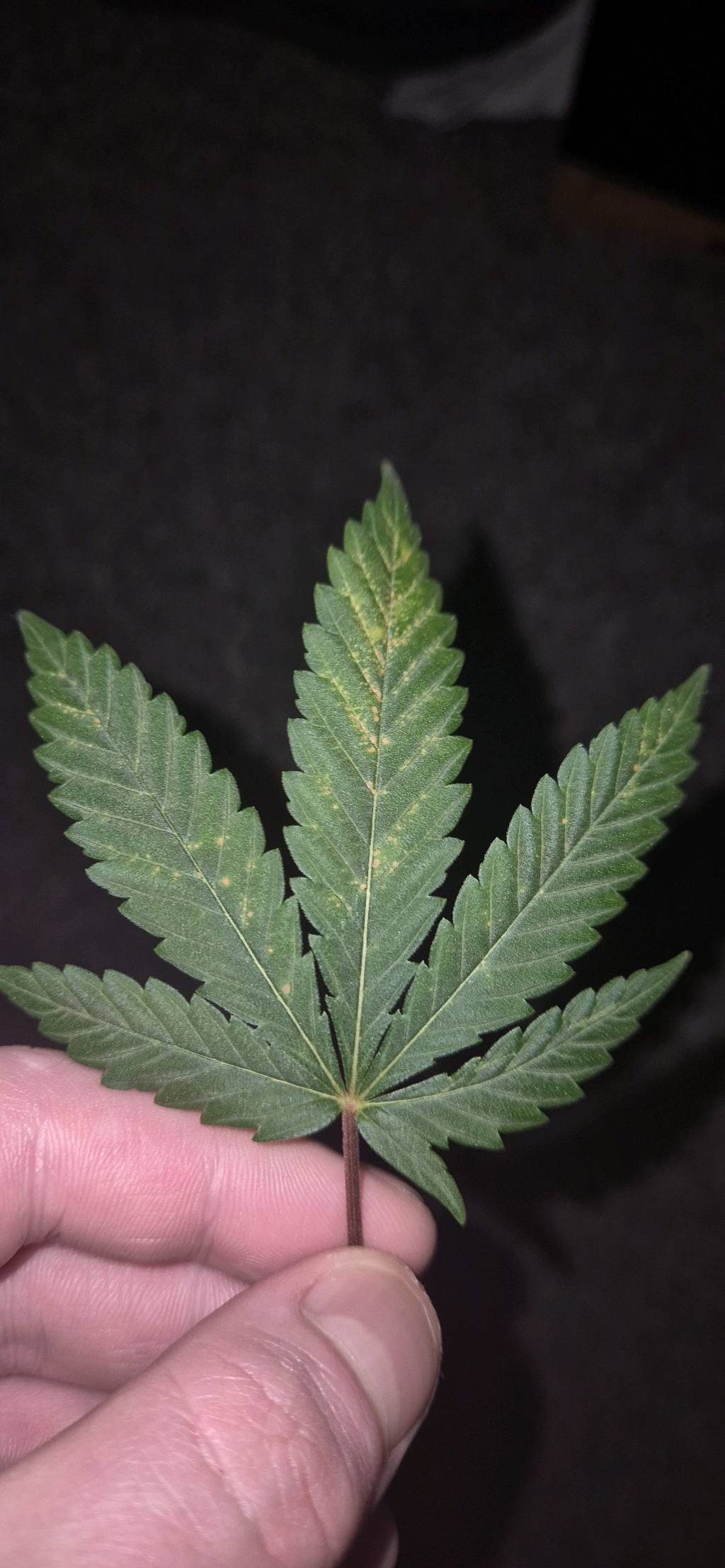
If you see yellowing, clawing, or tip burn during any of these phases, use the Nutrient Deficiency Identifier to cross-reference symptoms before adjusting your feed chart.
For organic approaches that work well with KK's terpene profile, check our best organic nutrients guide.
Troubleshooting Khalifa Kush: Common Problems
Sudden Droop
Mid-flower droop in KK usually comes down to one of three things: overwatering, root-zone temperature shock (below 18°C), or a sharp humidity spike that stresses stomata. Check substrate moisture at multiple depths — if it's damp 5 cm below the surface, hold off watering. Root discoloration or a sour odor at the base signals early root rot; increase drainage, reduce watering frequency, and consider a beneficial microbe inoculant (Trichoderma or Bacillus subtilis).
Powdery Mildew Risk
Dense KK bud structure is a liability when RH climbs above 55% in weeks 5–9. Preventative potassium silicate (0.5–1 ml/L) from week 1 of veg through week 4 of flower builds cell wall resistance. If you spot white powdery patches, a dilute hydrogen peroxide spray (3% solution, 1:5 dilution with water) applied during the lights-off period can knock it back without significant terpene loss.
Nutrient Lockout
KK grown in soil can hit pH drift in large containers — particularly when organic amendments acidify the medium over time. If multiple macro deficiencies appear simultaneously despite correct feeding, pH lockout is the likely culprit. Flush with 3x the container volume of pH-adjusted water (6.5), then resume feeding at 75% of your normal rate.
Harvesting Khalifa Kush
Most Khalifa Kush phenotypes finish between 56–63 days of flower (8–9 weeks). Don't rely on breeders' stated timelines alone — use a jeweler's loupe or digital microscope to check trichome development directly.
- Harvest window: When trichomes are predominantly cloudy/milky white with 5–15% amber. Waiting past 20% amber shifts the effect profile toward sedation and reduces the sharp, resinous aroma KK is known for.
- Pre-harvest prep: Stop all feeding 5–7 days before chop. A 24–48 hour dark period immediately before harvest is used by many growers to boost resin density — the evidence is anecdotal but the practice costs nothing.
- Cutting and initial trim: Use sterilized scissors (isopropyl wipe between plants). Remove large fan leaves during harvest; leave sugar leaves for a second trim post-dry if you prefer a cleaner cure.
To estimate yield before you chop, run your setup through the Yield Calculator.
Drying and Curing Khalifa Kush
The dry and cure is where KK's terpene profile either shines or gets flattened. Fast drying at high temperatures destroys the monoterpenes responsible for that pine-citrus sharpness. Take it slow.
Drying
- Hang whole branches upside down in a dark, ventilated space: 18–21°C, 50–60% RH, gentle airflow (no fans blowing directly on buds).
- Target a 10–14 day dry. The stems should snap, not bend, when the process is complete.
- If your environment is too dry (RH below 45%), slow the process by hanging in a sealed space with a humidity pack. Rushing the dry compresses cell walls and kills the terp profile irreversibly.
Curing
- Trim to final form, then jar at 75% capacity in wide-mouth airtight glass jars.
- Store at 18–21°C, 58–62% RH. Boveda 62% packs work reliably for humidity regulation.
- Burp daily for the first 7–10 days (2 minutes each session), then move to every other day for weeks 2–3, then weekly through weeks 4–8.
- Minimum cure: 3 weeks. Optimal for KK's terpene expression: 5–6 weeks, at which point the harsh chlorophyll edge fully dissipates and the OG-characteristic fuel-and-pine notes consolidate.
Use the Dry & Cure Timer to track burp schedules and RH readings across your jars automatically.
Running a Khalifa Kush Grow Journal
Tracking your KK run pays off over multiple cycles. Even one grow journal showing how your environment responded during the stretch phase, or where your EC peaked relative to flush timing, will tighten up your next run considerably. Grow Guide is built around this — see our guide on keeping a cannabis grow diary for a step-by-step setup, or browse other growers' Khalifa Kush journals directly on the platform for phenotype-specific data points.
Frequently Asked Questions
How long does Khalifa Kush take to flower?
Most Khalifa Kush phenotypes finish in 56–63 days of flower (8–9 weeks). Confirm readiness with trichome inspection — harvest when trichomes are mostly cloudy with 5–15% amber rather than relying solely on day count.
How much does Khalifa Kush stretch after flipping to 12/12?
KK typically stretches 1.5–2x its flip height during the transition period. If you flip at 35 cm, expect a final canopy height of 52–70 cm indoors. Trellis netting at week 2 of flower keeps the canopy manageable during peak stretch.
What PPFD does Khalifa Kush need in flowering?
Target 800–1000 µmol/m²/s PPFD through mid-flower, with some phenotypes tolerating up to 1100 µmol/m²/s in late flower. Pair higher intensities with adequate CO₂ (1200–1400 ppm) to avoid light stress.
Is Khalifa Kush prone to mold?
Its dense bud structure creates a moderate botrytis and powdery mildew risk if RH exceeds 55% in mid-to-late flower. Keep late-flower RH at 45–50% and maintain good airflow through the canopy. Preventative potassium silicate applications from veg through week 4 of flower add structural resistance.
How long should I cure Khalifa Kush?
Minimum 3 weeks, but 5–6 weeks produces noticeably better terpene expression. KK's pine-and-fuel aromatic profile consolidates fully around week 5–6 of cure when conducted at 58–62% RH and 18–21°C.
References
- Monster Breeders Association / Joint Commerce (2026). Khalifa Kush 2.0 Comprehensive Strain Guide — details on KK morphology, PPFD targets, stretch ratios, and stage-by-stage environmental parameters. app.jointcommerce.com
- Blimburn Seeds (2026). How to Grow Khalifa Kush — drying and curing protocols including hang-dry conditions, jar fill ratios, and burp schedules. blimburnseeds.com
- Strainy (2026). Khalifa Kush Strain Profile — nutrient management recommendations, pH ranges, and macronutrient timing across vegetative and flowering stages. strainy.com
- Planacan (2026). Common Mistakes in Cannabis Cultivation — troubleshooting framework for droop, root issues, and nutrient-related leaf discoloration. planacan.io
- Grow Guide Platform Data (2026). Internal grow journal analytics across 1,000 tracked grows — environment breakdown: 73.5% indoor, 17% outdoor, 3.3% greenhouse; medium breakdown: 63.4% soil, 14.9% coco coir.