What Is a Hydro Cannabis Strain?
When growers talk about a "hydro weed strain," they usually mean two things at once: cannabis cultivated in a hydroponic system, and strains that are specifically well-suited to that environment. Not every strain thrives when its roots are dangling in oxygenated water rather than soil. The best hydro cannabis strains share a few traits — vigorous root development, resistance to nutrient fluctuation, and the ability to handle the rapid growth rates that soilless systems produce.
Across the 1,000 grow journals tracked on Grow Guide, 734 growers are cultivating indoors — but only a fraction have made the jump from soil (633 grows) to hydro. That gap represents a huge opportunity. If you're one of those soil growers curious whether a hydro setup will pay off, this guide gives you the practical framework to make that decision and execute it confidently.
Choosing the Right Hydro Cannabis Strain
The hydro environment rewards strains that can handle aggressive nutrient uptake and faster cell division. Here's what to look for:
- Root vigor: Strains with naturally aggressive root systems — think Sativas and Sativa-dominant hybrids — adapt quickly to DWC and NFT environments.
- Nutrient tolerance: Some Indicas are sensitive to EC fluctuations. Avoid landrace Indicas in your first hydro run unless you're experienced.
- Stretch management: Hydro accelerates vertical growth. Strains with moderate internodal spacing are easier to manage under fixed-height grow lights.
- Mold resistance: Higher humidity at canopy level is more likely in hydro rooms. Choose strains with dense-but-open bud structure where possible.
Strong performers in hydro environments include cultivars like Blue Dream, White Widow, Jack Herer, Northern Lights, and OG Kush. Each has a documented track record in recirculating and drain-to-waste hydro systems. For autoflowering growers, Amnesia Haze Auto performs exceptionally in DWC due to its fast root establishment.
The Three Core Hydro Systems for Cannabis
For most growers picking up a hydro cannabis strain for the first time, DWC is the recommended starting point. A five-gallon bucket, an air pump, air stones, and a net pot lid is all you need to get started. Complexity can come later once you understand how your chosen strain responds to the system.
Hydro Nutrient Management: EC, pH, and Feeding Stages
This is where hydro growing wins — and where it punishes carelessness. Without a soil buffer, every fluctuation hits your plant directly. Here are the numbers you need to know:
pH Range for Hydro Cannabis Strains
Maintain reservoir pH between 5.5 and 6.5, with a sweet spot around 5.8–6.0. Letting pH drift outside this window causes nutrient lockout — your plant will show deficiencies even in a fully loaded reservoir. Check pH at least once daily during the vegetative stage and twice daily during peak flowering. Use the Nutrient Deficiency Identifier if you're seeing discoloration you can't pin down.
EC Targets by Growth Stage
| Growth Stage | EC Range (mS/cm) | Key Nutrients |
|---|---|---|
| Seedling (Week 1–2) | 0.4 – 0.8 | Low N, minimal feeding |
| Early Veg (Week 3–4) | 0.8 – 1.2 | Higher N, Cal-Mag |
| Late Veg (Week 5–8) | 1.2 – 1.6 | N/P/K balanced, Cal-Mag |
| Early Flower (Week 1–3) | 1.4 – 1.8 | Transition to P/K dominance |
| Peak Flower (Week 4–7) | 1.8 – 2.4 | High P/K, low N |
| Flush (Final 1–2 weeks) | 0.0 – 0.4 | Plain or minimal solution |
Use the Grow Schedule Planner to map these feeding windows against your specific strain's flowering time. And if you're trying to estimate what your setup should yield before harvest, run your numbers through the Yield Calculator.
Calcium and Magnesium in Hydro
Cal-Mag deficiency is the most common issue in hydro grows, especially under high-intensity LED. Most base nutrient lines for hydro are calcium-light. Add a dedicated Cal-Mag supplement at 1–2 mL/L throughout veg and into early flower. Signs of calcium deficiency — brown leaf margins, tip curl — often get misread as pH problems. Check the Nutrient Deficiency Identifier before adjusting your res.
Environment: The Numbers That Drive Hydro Results
Water temperature is the variable most growers underestimate. Keep your reservoir at 65–70°F (18–21°C). Above 72°F, dissolved oxygen drops rapidly and pythium (root rot) becomes a real threat. A small aquarium chiller is worth every cent once you've lost a DWC run to brown slime roots. Check your grow light's thermal output against your tent size using the Grow Light Calculator to avoid inadvertently heating your reservoir from above.
Troubleshooting Hydro Cannabis Strains
Root Rot (Pythium)
Brown, slimy roots with a swamp smell. Act immediately — drop water temp to 65°F, add hydrogen peroxide (3 mL of 3% per liter) as an emergency measure, then switch to a beneficial bacteria product like Hydroguard or Southern Ag Liquid Copper Fungicide long-term. Clear/white roots with a healthy fuzz are what you're aiming for.
Nutrient Lockout vs. Deficiency
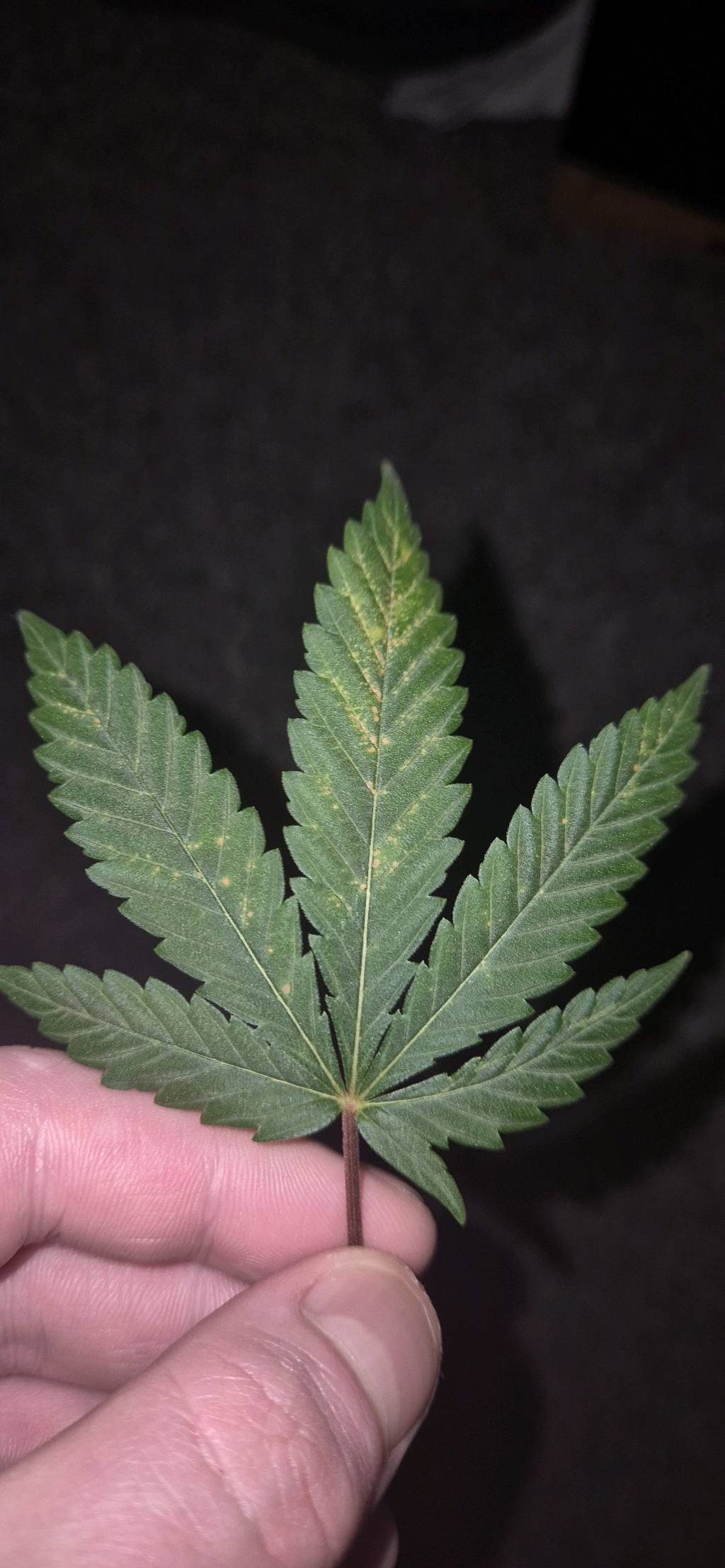
If your leaves are yellowing and your EC reads correctly, check pH first — always. A lockout at pH 7.0 looks identical to a genuine nitrogen deficiency on the plant. Drop pH back to 5.8, wait 24 hours, and reassess before adding more nutrients. Stacking nutrients on a lockout makes it worse.
Algae in the Reservoir
Green or brown algae means light is hitting your nutrient solution. Wrap reservoirs in reflective/opaque tape, ensure all tubing is black, and block any light leaks at net pot sites. Algae competes with your plant for dissolved oxygen and can harbor pathogens.
Stunted Growth in the First Two Weeks
Seedlings transitioning to DWC often stall for 5–7 days while root systems adapt. Keep EC low (0.4–0.6), maintain water temp at 68°F, and don't overfeed. If you've just transplanted a rooted clone, you can push to 0.8 EC from day one.
Training Hydro Cannabis Strains for Maximum Yield
Hydro accelerates growth so effectively that without training, plants can hit your light in veg. Low-stress training (LST) is your go-to: tie down main stems horizontally from week 3 of veg to spread the canopy. Screen of Green (ScrOG) works particularly well in DWC because you're dealing with fewer, larger plants rather than many smaller ones.
For topping or FIMing decisions, see our Fimming vs Topping Cannabis guide — the timing principles apply equally in hydro, though recovery is faster thanks to the direct nutrient access. Top no later than week 3 of veg to give the plant adequate recovery time before flipping.
Harvest, Dry, and Cure for Hydro Grows
Hydro cannabis can finish slightly earlier than soil equivalents of the same strain — sometimes 3–5 days ahead of the breeder's listed flowering time. Monitor trichomes with a 60–100x loupe or digital microscope. For most strains, harvest when 70–80% of trichomes are milky/cloudy and 10–20% have turned amber. Full amber = more sedative effect; mostly cloudy = peak potency window.
Dry: Hang whole branches (or bucked buds on racks) at 60–65°F, 55–60% RH. Target a 10–14 day dry for hydro-grown cannabis — the lack of residual soil minerals means hydro buds can dry faster, so don't rush it. Stems should snap cleanly before you jar.
Cure: Fill glass mason jars to 75% capacity. First week: burp twice daily for 15 minutes. Weeks 2–4: once daily. After week 4: every 2–3 days. Minimum cure is 3–4 weeks; 6–8 weeks improves both flavor and smoothness significantly. Use the Dry & Cure Timer to track burp schedules and monitor total cure time.
Tracking your full grow — from reservoir fill to final jar weight — pays off over multiple cycles. A grow diary lets you compare EC schedules, identify where you lost yield, and dial in your specific hydro cannabis strain across runs.
Is Hydro Worth It vs. Soil?
Of the 1,000 grow journals on Grow Guide, soil still dominates at 633 grows versus a much smaller hydro segment. But growers who stick with hydro typically report shorter cycle times and higher gram-per-watt output once they're past the learning curve. Run your expected costs through the Cost Per Gram Calculator to see if the equipment investment makes sense for your setup size.
The honest answer: hydro demands more attention than soil in the first two grows. After that, the precision becomes intuitive and the results speak for themselves — faster veg, denser canopy, and cleaner-tasting final product from a well-executed flush.
Frequently Asked Questions
What makes a cannabis strain good for hydroponic growing?
The best hydro cannabis strains have vigorous root development, moderate-to-high nutrient tolerance, and predictable stretch during flower. Sativa-dominant hybrids and well-known commercial strains like White Widow, Blue Dream, and Northern Lights are consistently reliable in DWC and NFT systems. Avoid very sensitive landrace genetics for your first hydro run.
What pH should I maintain in a hydroponic cannabis system?
Keep reservoir pH between 5.5 and 6.5, targeting 5.8–6.0 as your daily sweet spot. Outside this range, nutrient lockout occurs even when EC is correct. Check pH at least once daily and twice daily during peak flower when plant uptake is highest.
How do I prevent root rot in a DWC system?
Keep water temperature at 65–70°F (18–21°C) — this is the single most effective prevention. Add beneficial bacteria (Hydroguard is widely used) at reservoir changes, keep all light out of the reservoir, and ensure your air pump provides at least 1 L/min of airflow per gallon of solution. If root rot appears, a 3% hydrogen peroxide flush (3 mL/L) can stabilize the situation short-term.
How long does a full hydro cannabis grow take from seed to harvest?
A typical photoperiod hydro cannabis strain takes 10–16 weeks from seed: 1–2 weeks seedling, 4–6 weeks veg, and 8–10 weeks flower depending on the strain. Autoflowering hydro strains can finish in 70–85 days from seed. Hydro generally shaves 1–3 weeks off equivalent soil grows due to faster nutrient uptake and root development.
Do I need to flush before harvest in a hydro grow?
Yes — run plain water or a low-EC solution (0.0–0.4 mS/cm) for the final 1–2 weeks before harvest. In hydro, flushing is straightforward: drain the reservoir, refill with plain pH-adjusted water at 5.8–6.0, and maintain until harvest. This removes residual nutrient salts from the plant tissue and improves the final taste and smoothness of cured cannabis.
References
- Caplan, D., Dixon, M., & Zheng, Y. (2017). Optimal rate of organic fertilizer during the vegetative-stage for cannabis grown in two coir-based substrates. HortScience, 52(12), 1796–1803. Established foundational EC and nutrient rate benchmarks adopted widely in hydroponic cannabis production. doi.org/10.21273/HORTSCI12400-17
- Chandra, S., Lata, H., Khan, I.A., & ElSohly, M.A. (2017). Cannabis sativa L.: Botany and Biotechnology. Springer International Publishing. Documents optimal temperature (25–30°C) and humidity ranges for cannabis photosynthesis and growth rate. link.springer.com
- Agrios, G.N. (2005). Plant Pathology (5th ed.). Elsevier Academic Press. Core reference on Pythium root rot dynamics in recirculating hydroponic systems, including temperature thresholds for pathogen proliferation.
- Bugbee, B. (2016). Toward an optimal spectral quality for plant growth and development: the importance of radiation capture. Acta Horticulturae, 1134, 1–12. Defines PPFD and DLI targets used in commercial cannabis cultivation lighting protocols. doi.org/10.17660/ActaHortic.2016.1134.1
- Grow Guide Platform Data (2026). Internal analysis of 1,000 tracked grow journals. Documents grow medium distribution: soil 633 grows, coco coir 149 grows, and indoor environment prevalence at 734 of 1,000 total tracked grows.