What Is the Honey Banana Strain?
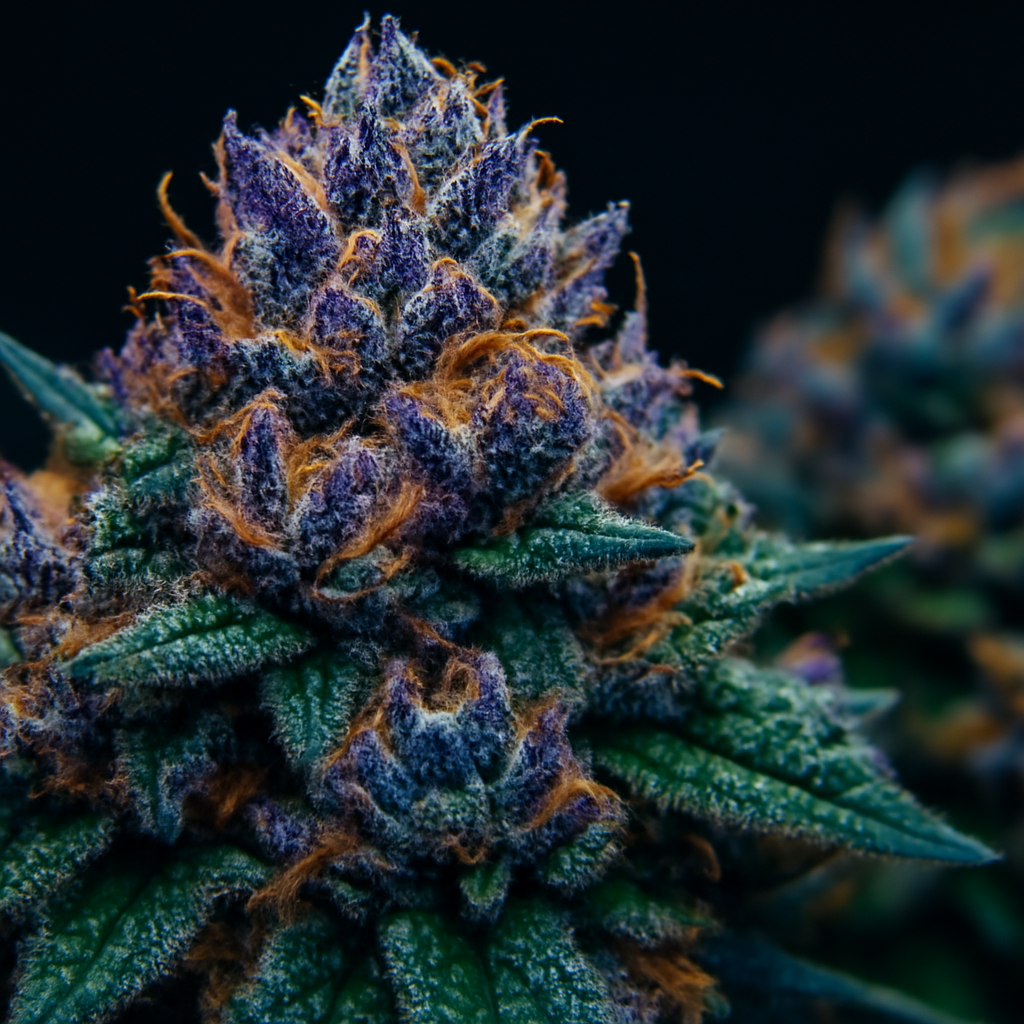
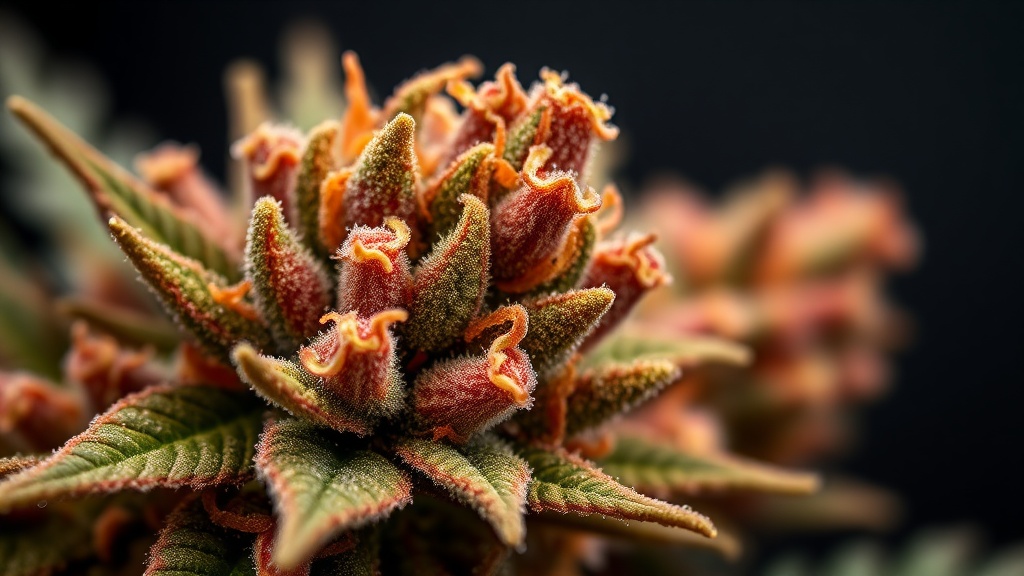
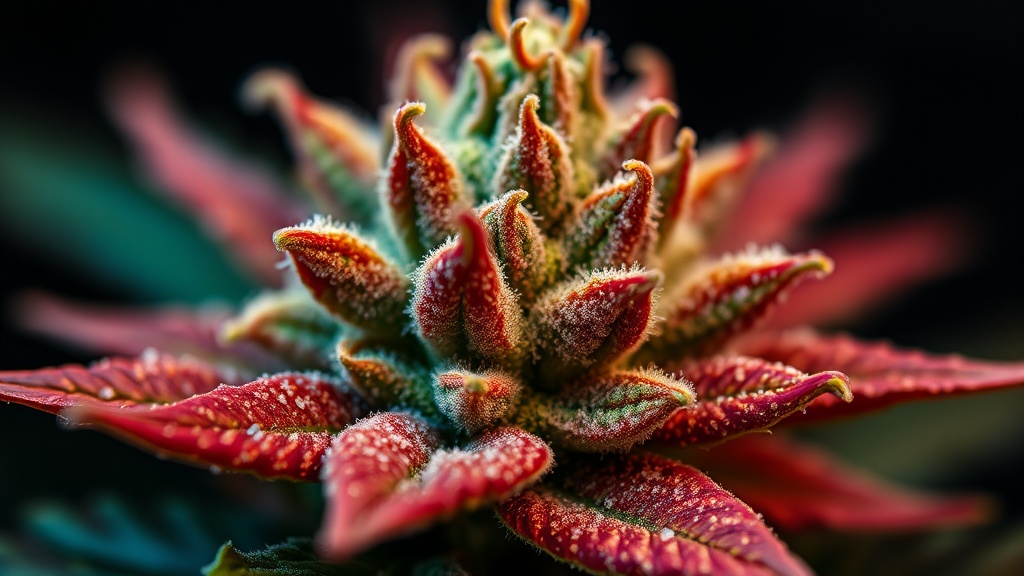
The Honey Banana strain is an indica-dominant hybrid developed by Symbiotic Genetics, crossing Honey Boo Boo with Banana OG. The result is a plant that punches well above its weight class in both flavor and potency — dense, trichome-drenched buds with a nose that genuinely smells like ripe bananas swirled into warm honey. THC levels consistently land between 20–25%, and the terpene profile is dominated by myrcene, caryophyllene, and limonene, which together push a heavy, euphoric body effect with a soft cerebral lift at the front end.
From a cultivation standpoint, Honey Banana is a medium-difficulty grow. It's not fragile, but it's not forgiving of chronic neglect either — particularly around humidity management in late flower and dialing in the feed schedule at the right stage. Get those two things right and you'll pull yields that justify the extra attention.
Honey Banana Strain: Terpene Profile and Effects
Understanding the terpene profile helps you make better cultivation decisions — especially around harvest timing, which directly affects the final aroma and effect. Use the Terpene Explorer to dig into how each compound behaves at different cure stages.
- Myrcene — The dominant terpene. Earthy, musky, tropical. Drives the sedating body effect and is largely responsible for the "banana" olfactory note when combined with esters from the Banana OG parentage.
- Caryophyllene — Spicy, woody undertone. Adds depth to the nose and contributes anti-inflammatory effects. Peaks during late flower — watch for the spice sharpening in your nose as an informal harvest cue.
- Limonene — Citrus, honey-like sweetness. Provides the bright top note and lifts what would otherwise be a fully sedating experience into something more functional at lower doses.
Effects-wise, expect a front-loaded euphoric head rush that settles into a long-lasting body stone within 20–30 minutes. Not a daytime strain for most people. Medical users gravitate toward it for pain, insomnia, and appetite stimulation.
Growing the Honey Banana Strain Indoors: Environment Specs
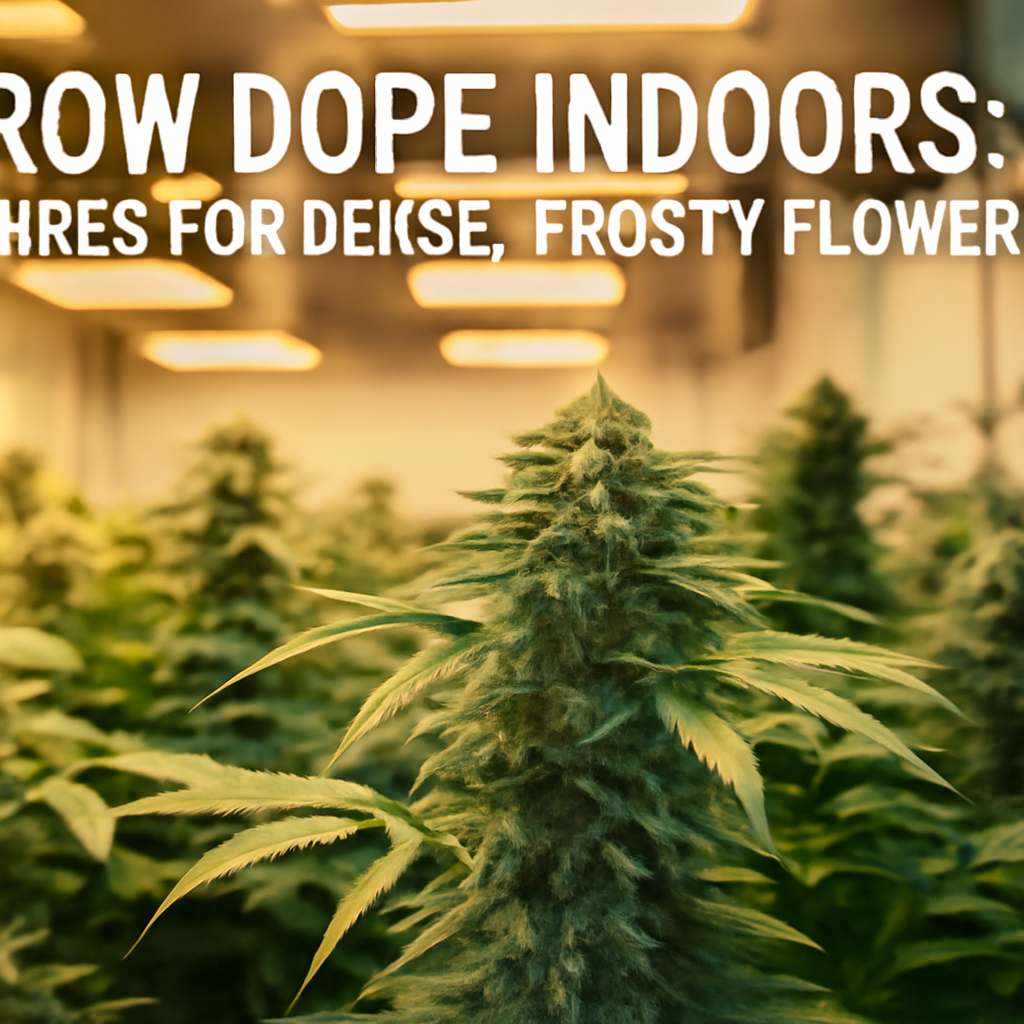
Across Grow Guide's platform, 73% of tracked grows are run indoors — and that's the environment where Honey Banana genuinely thrives. Here are the numbers you need pinned to your wall.
Vegetative Stage (Weeks 1–4)
- Light cycle: 18/6
- PPFD: 400–600 µmol/m²/s
- Temperature: 23–26°C (73–79°F)
- Humidity (RH): 55–65%
- VPD: 0.8–1.1 kPa
- EC (coco/hydro): 1.2–1.6 mS/cm | pH: 5.8–6.0 (coco) or 6.0–6.5 (soil)
Flowering Stage (Weeks 1–9)
- Light cycle: 12/12
- PPFD: 700–1000 µmol/m²/s (push toward 1000 in weeks 4–7)
- Temperature: 21–25°C (70–77°F), drop 2–3°C in the dark period
- Humidity: Drop to 40–50% by weeks 5–6; 35–45% in final two weeks
- VPD: 1.2–1.6 kPa through mid-flower; 1.5–1.9 kPa in late flower
- EC: 1.8–2.2 mS/cm at peak bloom | pH: 5.9–6.1 (coco) or 6.2–6.8 (soil)
Use the Grow Light Calculator to confirm your fixture is hitting the right PPFD footprint at canopy level, especially if you're running a 4×4 or 5×5 where edge intensity drops off.
Training Honey Banana for Maximum Yield
Honey Banana grows with moderate internodal spacing and a tendency to stretch 30–50% during the first two weeks of flower — typical of its Banana OG parentage. Without training, you'll get a classic Christmas tree structure: one dominant main cola and a lot of underdeveloped larf below.
The most effective approach is a 4–6 week veg period with low-stress training (LST) starting around week 2–3, bending and securing main branches outward to create a flat, even canopy. If you want to go harder, see our breakdown of fimming vs. topping — topping once at node 4–5 followed by LST is a reliable combination for this plant's structure.
Screen of Green (ScrOG) works particularly well here. A single Honey Banana in a 3×3 with a ScrOG net at 30–35cm above the pot can fill the screen completely by flip day, setting you up for a uniform canopy at flower week 3.
Plug your setup into the Yield Calculator to set realistic expectations based on your light intensity, canopy size, and training method before you're halfway through the grow.
Nutrient Strategy for Honey Banana
On Grow Guide, 63% of tracked grows use soil as their primary medium. Honey Banana performs well in both soil and coco, but the two mediums require meaningfully different approaches.
In soil: A quality amended soil (e.g., living soil with bat guano, kelp, and worm castings) can carry the plant through veg with minimal supplementation. Switch to a dedicated bloom formula at flower week 2, ramping up phosphorus and potassium. Keep a CalMag supplement on hand — Honey Banana's vigorous resin production in late flower creates above-average calcium demand. See best organic nutrients for cannabis for soil-specific recommendations.
In coco: You're in full control of the feed from day one. Run a complete base nutrient at EC 1.2–1.4 during early veg, stepping up to 1.8–2.2 by peak bloom (weeks 4–6 of flower). Flush with plain water (EC <0.5) for the final 7–10 days. Daily or twice-daily fertigation at 10–20% runoff keeps salt buildup in check.
If you spot yellowing, clawing, or interveinal chlorosis mid-grow, run it through the Nutrient Deficiency Identifier before reaching for a corrective feed — over-correcting without diagnosis is how nutrient lockout happens.
Honey Banana Strain: Flowering Timeline
Honey Banana finishes in approximately 60–65 days of flower under 12/12 lighting indoors. The stretch in weeks 1–3 is pronounced — plan for 30–50% height increase from flip day. If you're tight on vertical space, flip earlier (4-week veg instead of 6) or use supercropping in the first two weeks of flower to keep the canopy under control.
Harvest timing matters more on resin-heavy strains like this one. Under a 60× loupe or digital microscope: harvest at 10–20% amber trichomes on the buds (not sugar leaves, which amber faster) for the classic heavy, sedating Honey Banana effect. At mostly milky/cloudy with <10% amber you'll get a more energetic, cerebral high — valid, just not what the genetics are built for.
Use the Grow Schedule Planner to map your full cycle from germination through harvest, so you're never guessing what week you're in or when to start your flush.
Drying and Curing Honey Banana
This is where most growers lose the terpene profile they spent nine weeks building. Myrcene and limonene are volatile — a fast, hot dry will strip them out before the jar is ever sealed.
Dry: Hang whole branches in a dark room at 15–18°C (60–65°F) and 55–60% RH for 10–14 days. Slow is everything here. If your stems snap cleanly (not bend) and the outside of the bud feels dry but the interior still has give, you're ready to trim and jar.
Cure: Trim into glass mason jars at 58–62% RH (use Boveda 62 packs). Burp daily for the first two weeks — 15–20 minutes per burp session — then drop to every 2–3 days through week 4–8. The banana-honey nose intensifies significantly between weeks 2 and 6 of cure. Don't rush it.
Track your dry and cure timing precisely with the Dry & Cure Timer — it'll remind you when to burp and flag if RH is drifting out of range.
Common Problems and Troubleshooting
Botrytis (Bud Rot)
Honey Banana's dense bud structure makes it susceptible to botrytis in the final weeks of flower, particularly if RH climbs above 50% after week 6. Increase airflow through and under the canopy, and drop RH to 40–45% by week 7. If you see grey mold starting in the bud's interior, remove the affected site immediately and increase air circulation — don't attempt to save infected material.
Calcium and Magnesium Deficiency
Heavy trichome production draws down CalMag faster than many growers expect. Interveinal yellowing on mid-canopy fan leaves in weeks 4–6 of flower is usually the first sign. Add 200–400 ppm CalMag to your feed if you're in RO water or coco. Run it through the Nutrient Deficiency Identifier to confirm before dosing.
Light Burn in Late Veg / Early Flower
If you've LST'd the canopy flat and are pushing PPFD above 900 µmol/m²/s, watch the top leaves for bleaching or light-burn curl. Raise the fixture 5–10cm or dial intensity back to 80% until the canopy can handle it. The Grow Light Calculator will tell you the safe hanging distance for your specific fixture.
Outdoor Growing Considerations
About 17% of growers on Grow Guide run outdoor grows — and Honey Banana is a viable outdoor cultivar in the right climate. It needs a long, warm summer (minimum 10–12 weeks of frost-free weather after transplant) with consistent temperatures above 18°C at night. Harvest outdoors typically lands in late September to mid-October in the Northern Hemisphere.
The main outdoor risk is the same as indoors: humidity. Dense flower clusters in a wet autumn are a recipe for botrytis. If your climate gets humid and cool in September, consider a light dep greenhouse setup to control the microclimate in the final weeks.
Frequently Asked Questions
How long does the Honey Banana strain take to flower?
Honey Banana finishes in approximately 60–65 days of flower under 12/12 lighting indoors. Most growers hit the sweet spot at day 63. Outdoors in the Northern Hemisphere, expect a late September to mid-October harvest depending on your latitude.
What is the THC content of Honey Banana?
Honey Banana typically tests between 20–25% THC, with some phenotypes pushing higher under optimal growing conditions. CBD content is minimal — generally below 0.5%.
Is Honey Banana a good strain for beginner growers?
It's rated medium difficulty. The plant is robust and feeds well, but its dense bud structure requires strict humidity management in late flower to prevent botrytis. Beginners comfortable with basic environmental control can grow it successfully — it's not as demanding as, say, a high-CBD cultivar with tight pH windows.
What nutrients does Honey Banana respond best to?
Honey Banana responds well to a standard three-part or two-part base nutrient with a dedicated CalMag supplement — calcium demand spikes during peak resin production in weeks 4–6 of flower. In soil, an organic top-dress with bat guano and worm castings during early flower is highly effective. Keep EC at 1.8–2.2 mS/cm at peak bloom.
What does the Honey Banana strain smell and taste like?
The aroma is genuinely tropical — ripe banana and warm honey on the nose, with a spicy, diesel undertone from the caryophyllene. The taste on exhale mirrors the smell closely, with a sweet, fruity front and an earthy, musky finish. Cure for at least 4–6 weeks to get the full expression of the myrcene and limonene profile.
References
- Russo, E.B. (2011). "Taming THC: Potential Cannabis Synergy and Phytocannabinoid-Terpenoid Entourage Effects." British Journal of Pharmacology, 163(7), 1344–1364. Key finding: myrcene and caryophyllene modulate cannabinoid receptor activity and contribute to sedating effects. View source
- Caplan, D., Dixon, M., & Zheng, Y. (2017). "Optimal Rate of Organic Fertilizer during the Vegetative-Stage for Cannabis Grown in Two Coir-Based Substrates." HortScience, 52(12), 1–6. Key finding: EC and nitrogen levels during veg directly impact flowering-stage biomass accumulation. View source
- Chandra, S., Lata, H., Khan, I.A., & ElSohly, M.A. (2008). "Photosynthetic Response of Cannabis sativa L. to Variations in Photosynthetic Photon Flux Densities, Temperature and CO2 Conditions." Physiology and Molecular Biology of Plants, 14(4), 299–306. Key finding: Cannabis photosynthesis saturates around 1500 µmol/m²/s; practical canopy targets of 700–1000 µmol/m²/s are well within efficient range. View source
- Symbiotic Genetics. (2020). "Honey Banana — Strain Description and Lineage." Breeder documentation confirming Honey Boo Boo × Banana OG cross and phenotype characteristics. symbioticgenetics.com
- Grow Guide Platform Data (2026). Internal aggregate data from 1,000 tracked cannabis grow journals: 73% indoor, 63% soil medium. Original dataset, not externally published.