What Is the Gushers Strain?
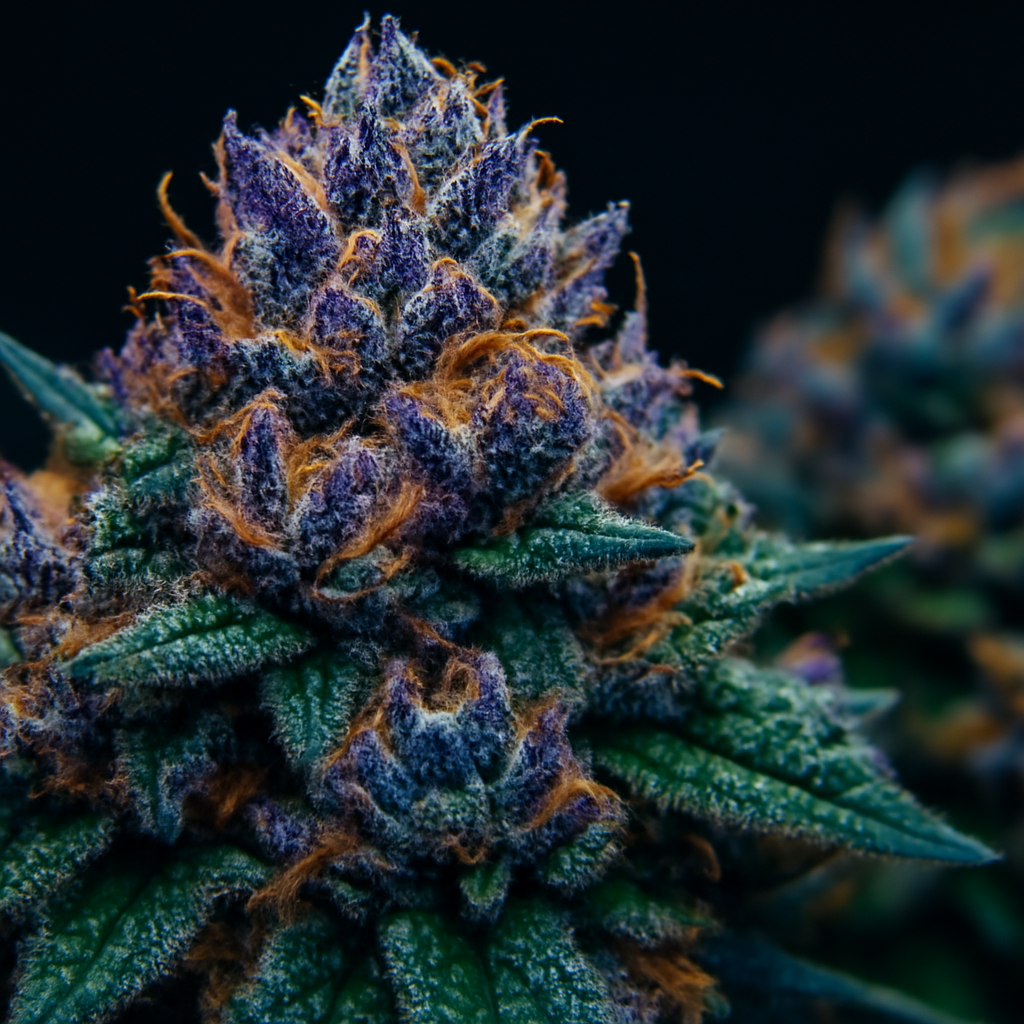
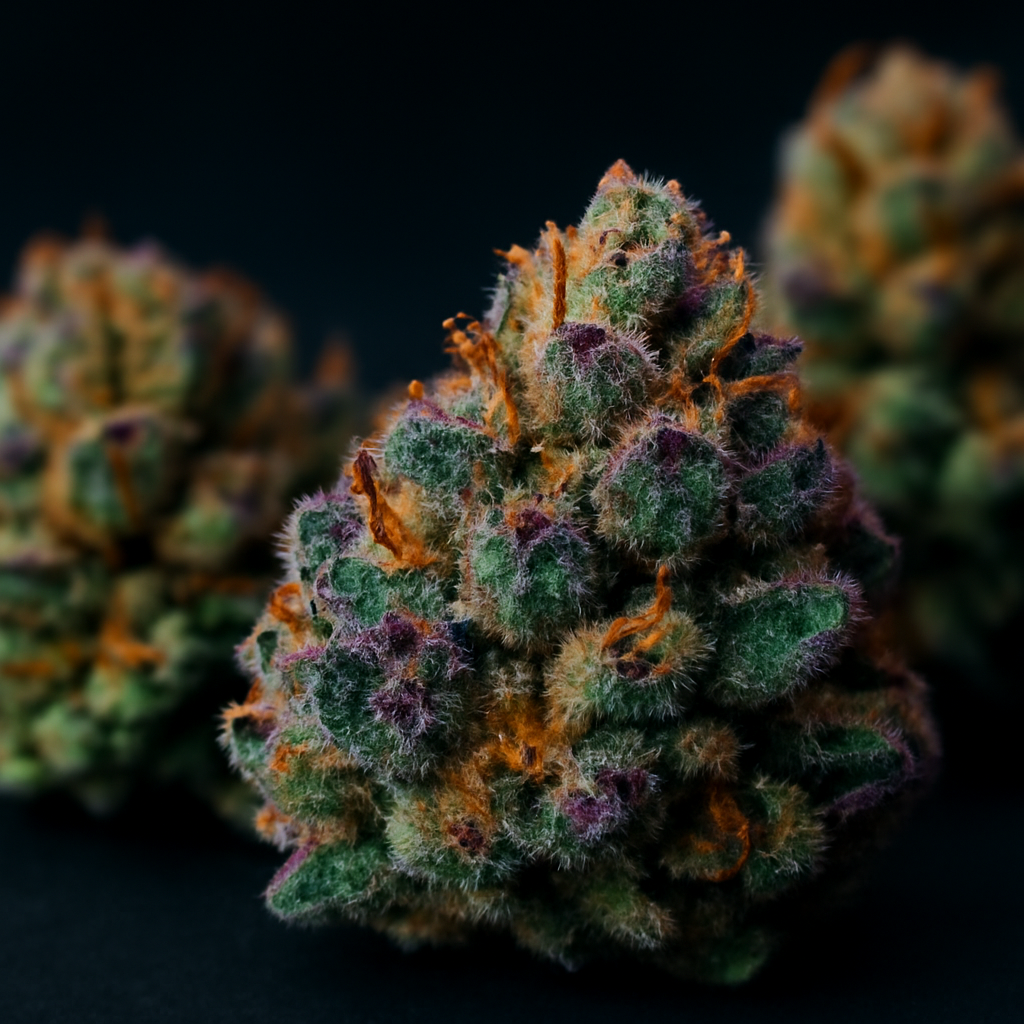
The Gushers strain is a balanced hybrid — a cross between Gelato #41 and Triangle Kush. It inherits Gelato's creamy, sweet terpene profile and Triangle Kush's dense, resin-loaded bud structure. The result is a plant that smells like tropical candy and produces thick, sticky colas that can easily trap moisture if you're not on top of your environment. THC content typically lands between 22–25% with robust terpene expression when conditions are dialed in.
Gushers has earned its place in indoor gardens for good reason — it's visually striking, commercially appealing, and rewards growers who respect its sensitivity to overfeeding and humidity. That said, it's not a beginner-proof strain. You need to manage airflow, VPD, and nitrogen transitions carefully to get the most out of it.
Growing the Gushers Strain Indoors: Environment First
Gushers is predominantly grown indoors — and for good reason. Of the grows tracked on Grow Guide, 73.4% of all logged journals are indoor runs, where growers have the control this strain demands. Getting your environment right before the plant is even in the ground is the single most important thing you can do.
Temperature and VPD
During vegetation, aim for temperatures of 72–82°F (22–28°C) and a VPD of 0.8–1.1 kPa. As you transition into flower, keep temps in the same range but push VPD to 1.1–1.4 kPa. This means dropping relative humidity progressively — target 55–60% RH during early flower and bring it down to 45–50% by mid-late flower. Going below 45% late in flower is fine and helps trichome development; going above 55% when buds are stacking is how you invite botrytis.
Lighting for Gushers
During peak flowering, target a PPFD of 600–900 µmol/m²/s at canopy level. If you're running CO₂ supplementation at 1000–1500 ppm, you can push PPFD toward 900–1100 µmol/m²/s without burning. Without CO₂, stay in the 600–800 range and watch for light stress signs — bleached tips or taco-ing leaves. Use our Grow Light Calculator to confirm your fixture is covering your canopy footprint at the right intensity before you flip to 12/12.
Training the Gushers Strain: Tame That Bush
Gushers grows dense and bushy with a tendency to produce multiple lateral branches. Left unmanaged, this creates a canopy that blocks lower bud sites and restricts airflow — both problems that hurt yield and invite mold. The fix is early, consistent training.
LST and ScrOG
Low-stress training (LST) started in week 2–3 of veg is the most forgiving option. Gently bend the main stem and secure it horizontally to spread the plant wide and encourage lower branches to rise. For a single-plant run or a small tent, a ScrOG net (typically a 4–6 cm grid) placed 20–25 cm above the pot lets you weave branches through and lock in a flat, even canopy before the flip. Stop tucking at week 2–3 of flower once branches start to stiffen.
Defoliation is useful but keep it targeted. Remove large fan leaves that are blocking bud sites in week 3 of veg and again at day 21 of flower. Don't strip the plant — leave enough foliage to keep photosynthesis running. See our guide on fimming vs. topping if you want to add a topping technique on top of LST to multiply your main colas.
Sea of Green (SOG)
If you're running a multi-plant setup and want a faster turnaround, SOG with Gushers clones works well. Pack 4–6 plants per m², keep veg short (1–2 weeks), and let each plant produce one dominant cola. This reduces training time and gets you to harvest faster, though canopy airflow management is even more critical at higher plant densities.
Nutrient Management for the Gushers Strain
Gushers is sensitive to nitrogen — this is the nutrient that trips up most growers on this strain. During veg, run EC at 1.2–1.6 mS/cm with a standard N-P-K heavy-nitrogen formula. The moment you flip to 12/12, start backing nitrogen off. By week 3 of flower, nitrogen should be a supporting player, not the headline. Excess N in flower leads to leafy, airy buds and suppresses trichome production.
- Veg EC: 1.2–1.6 mS/cm — balanced N-P-K, moderate nitrogen
- Early bloom EC: 1.6–1.8 mS/cm — begin transition, reduce N, introduce bloom formula
- Peak bloom EC: 1.8–2.0 mS/cm — high P and K, minimal N, add cal-mag if running coco
- Late bloom/ripening: 1.4–1.6 mS/cm — taper all nutrients over 10–14 days pre-harvest
- Flush: Plain water or enzymatic flush at EC 0.4–0.6 for the final week
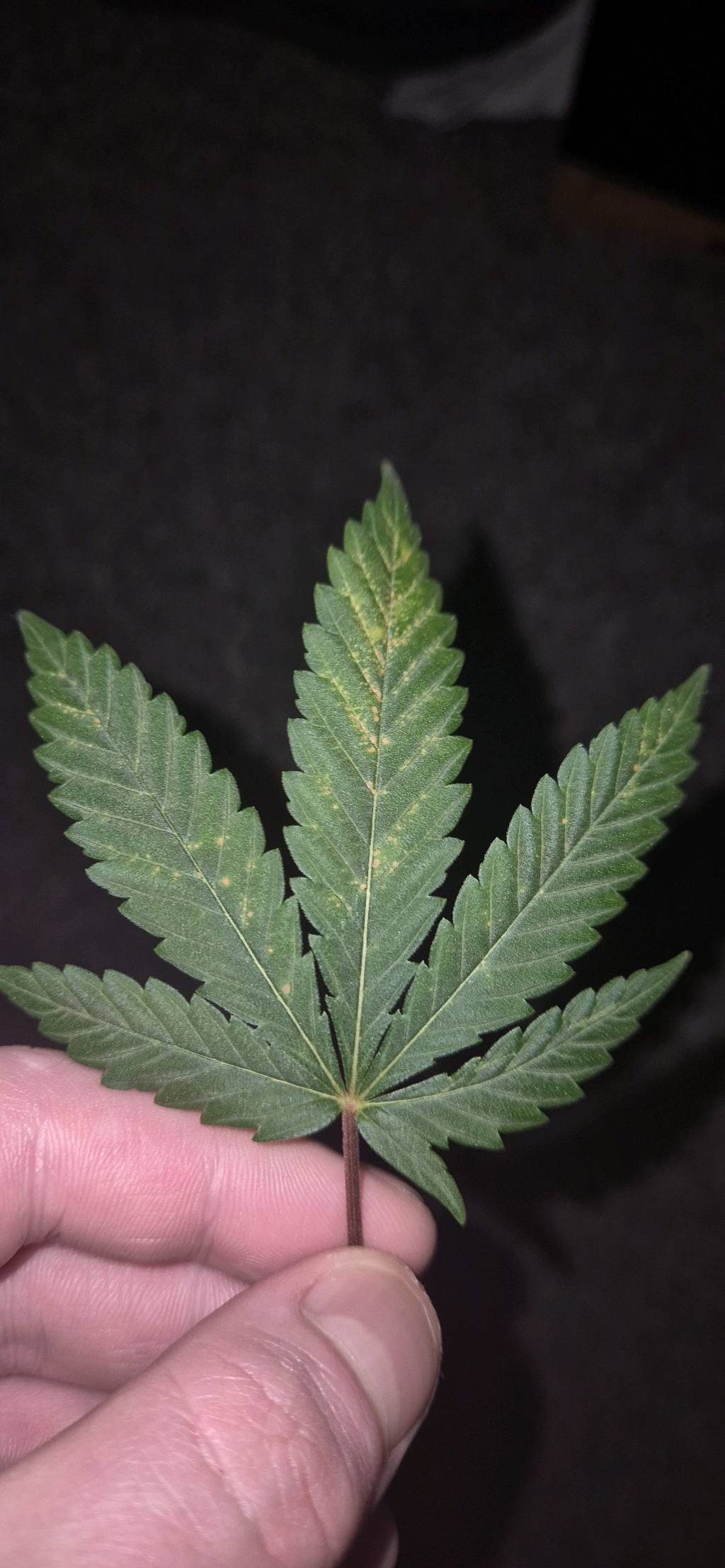
Soil growers (the most common medium on Grow Guide, used in 63.3% of logged grows) should maintain pH at 6.0–7.0. Coco and hydro growers: keep pH tight at 5.8–6.2. A 0.3 pH swing either way in coco locks out calcium and magnesium fast — two deficiencies Gushers will show quickly as interveinal chlorosis on upper leaves. If you're unsure what you're looking at, run symptoms through our Nutrient Deficiency Identifier before you start adjusting.
For seedling-stage feeding guidance, see our Best Nutrients for Cannabis Seedlings guide before you get to the flowering nutrient program.
Gushers Strain Outdoor Grow Considerations
Outdoors, Gushers needs a warm, continental or Mediterranean-style climate — consistent daytime temps above 70°F (21°C) through the grow season. It finishes late September to mid-October in the Northern Hemisphere depending on your latitude. In cooler climates, consider starting in a greenhouse to extend your season.
Lollipopping is your best outdoor tool — strip the bottom third of the plant of small bud sites and foliage in early flower to direct energy to the upper canopy. With outdoor plants that can hit 150–180 cm easily, this also significantly improves airflow through the middle of the plant where botrytis tends to start in humid conditions.
Troubleshooting Common Gushers Grow Problems
Bud Rot (Botrytis)
This is the most common Gushers failure point. Dense, compact colas trap moisture inside the bud structure where you can't see it until it's gray and spreading. Prevention is the only real strategy — by the time you spot botrytis, it's already moving to adjacent buds.
- Keep RH below 50% from week 4 of flower onward
- Run oscillating fans directly at the canopy, not just around the perimeter
- Space plants to allow at least 30–40 cm between canopies
- Inspect the base of your largest colas every 2–3 days from week 6 onward — pull leaves slightly apart to check interior color
- Remove any affected material immediately with sterilized scissors; bag it, don't compost it
Nutrient Burn
Curled leaf tips and yellowing edges — especially on upper fan leaves — signal you've pushed EC too high or kept nitrogen elevated into flower. Drop EC by 0.2–0.3 mS/cm, flush with pH-correct water for one feed, then resume at the lower level. Don't chase recovery with more nutrients; give the plant a cycle to stabilize.
Light Stress
If you're pushing PPFD above 900 µmol/m²/s without CO₂, you'll see bleaching at the tops of colas closest to the fixture. Raise the light 10–15 cm and re-check with a PAR meter. Our Grow Light Calculator can help you find the right hanging height for your specific fixture output and tent dimensions.
Harvesting the Gushers Strain
Gushers is ready to harvest at 8–10 weeks of flower. Don't go by week count alone — read the trichomes under a 60–100x loupe or digital microscope. You're looking for:
- Trichomes predominantly cloudy/milky with 5–15% amber
- Pistils shifted from white/pink to amber or deep orange (70–80% color change)
- Calyx swelling visible across the majority of bud sites
Harvesting at mostly cloudy trichomes with minimal amber gives you a more energetic, cerebral effect. Pushing to 15–20% amber shifts the profile toward heavier, more sedative effects. Most Gushers growers target the 5–10% amber window to preserve the strain's characteristic terpene expression. Use our Grow Schedule Planner to count back from your target harvest date and set flush timing correctly.
Drying and Curing Gushers
Gushers' terpene profile is why you're growing it — don't lose it to a rushed dry. Hang whole branches or whole plants in a dark room at 60–70°F (15–21°C) with 55–60% RH. Aim for a 7–10 day dry. Small stems should snap cleanly; larger stems should still have slight flex. Drying faster than 7 days (by running lower humidity or higher temps) degrades terpenes and produces harsh smoke. Slower is better.
Once dried, trim and jar into airtight glass at 75% capacity. Burp jars twice daily for the first week to release CO₂ and excess moisture, then once daily for a second week, then weekly for a further 3–4 weeks. A proper 4–6 week cure on Gushers noticeably opens up the sweet, tropical candy terpene profile that makes this strain worth growing. Use our Dry & Cure Timer to track burping schedules and monitor your jar humidity with a small hygrometer insert (target 58–62% RH in-jar during cure).
Expected Yields
Indoor Gushers with ScrOG or LST can produce 400–550g/m² under a well-dialed 600W HPS or equivalent LED. Outdoor plants in good conditions can yield 500–700g per plant. These numbers depend heavily on canopy management, light intensity, and environmental stability throughout flower. Plug your setup into our Yield Calculator for a more precise projection based on your specific light, space, and grow method. If you want to understand your cost-per-gram after harvest, the Cost Per Gram Calculator makes it easy to factor in all inputs.
For a deeper look at running a full indoor grow from seed to harvest, see our guide on How to Grow One Cannabis Plant Indoors and our breakdown of How Long to Grow Cannabis Indoors for realistic timeline expectations.
Frequently Asked Questions
How long does the Gushers strain take to flower?
Gushers typically finishes flowering in 8–10 weeks from the flip to 12/12 lighting indoors. Check trichomes from week 8 onward — look for 5–15% amber with the majority cloudy. Outdoor plants in the Northern Hemisphere usually finish late September to mid-October.
What is the best training technique for the Gushers strain?
LST combined with a ScrOG net is the most effective approach for indoor Gushers. Its naturally bushy, multi-branching structure responds well to being spread horizontally early in veg. Defoliate targeted fan leaves blocking bud sites at week 3 of veg and day 21 of flower to improve light penetration and airflow.
Is the Gushers strain prone to bud rot?
Yes. Gushers' dense, compact bud structure traps moisture and is particularly susceptible to botrytis. Keep relative humidity below 50% from week 4 of flower onward, run oscillating fans directly at the canopy, and inspect the interior of large colas every 2–3 days from week 6 to catch any gray mold early.
What EC should I feed Gushers during peak bloom?
During peak bloom (weeks 5–7 of flower), run EC at 1.8–2.0 mS/cm with a high P-K formula and minimal nitrogen. Begin tapering to 1.4–1.6 mS/cm in the final 10–14 days before harvest, then flush down to EC 0.4–0.6 in the last week.
How long should I cure Gushers for best flavor?
A minimum 4-week cure is recommended, but 6 weeks produces noticeably better terpene expression in Gushers. Burp jars twice daily for the first week, daily for week two, then weekly for the remaining period. Maintain 58–62% RH inside the jar throughout the cure.
References
- MSNL Seeds (2026). Gushers Strain Review and Growing Guide — covers lineage (Gelato #41 × Triangle Kush), growth characteristics, and indoor cultivation recommendations. msnlseeds.com
- Canna Connection (2026). Gushers Strain Growing Profile — details on training techniques including ScrOG, SOG, LST, and lollipopping for indoor and outdoor environments. cannaconnection.com
- STRNG Seeds (2026). Gushers Strain: Flavor, Aroma, and Growing Tips — environmental parameters including VPD ranges, humidity management for botrytis prevention, and nutrient sensitivity notes. strngseeds.com
- Seeds Here Now (2026). Cannabis Harvest and Cure Guide — post-harvest drying and curing protocols including jar fill levels, burping frequency, and cure duration for optimal terpene and potency preservation. seedsherenow.com
- Blimburn Seeds (2026). How to Grow Gushers Weed Strain — PPFD targets for indoor flowering (600–900 µmol/m²/s), CO₂ supplementation guidance, and THC development conditions. blimburnseeds.com