What Makes GG #4 Different to Grow
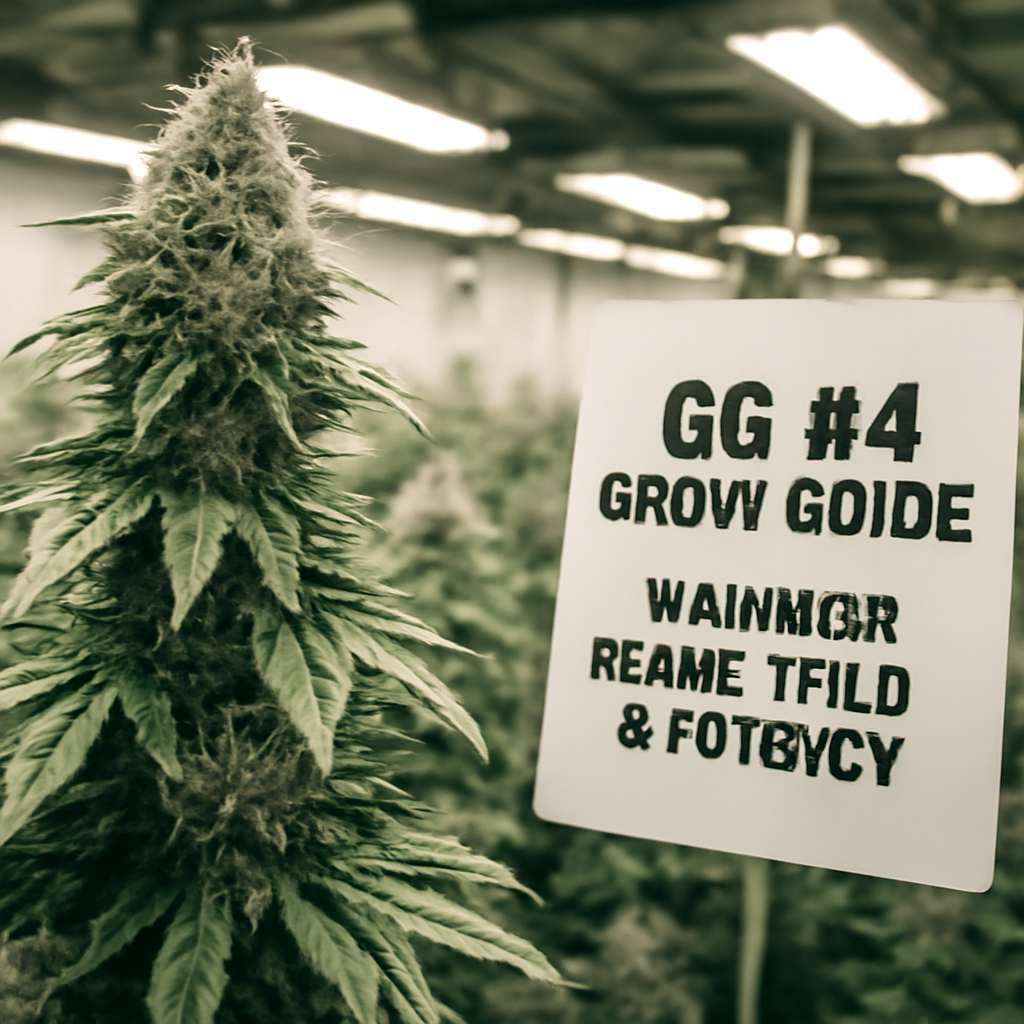
GG #4 — also known as Original Glue or Gorilla Glue #4 — earned its name from the insane resin production that literally gums up scissors during trimming. It's a hybrid (Chem's Sister × Sour Dubb × Chocolate Diesel) that leans toward a dense, compact structure with extremely heavy colas. That's great for yield and potency. It's a liability if you're not managing airflow, support, and humidity correctly.
On the Grow Guide platform, GG #4 grows overwhelmingly happen indoors — consistent with our platform-wide data showing 73.2% of all tracked grows are indoor environments. That indoor bias is intentional: GG #4 rewards the environmental control that four walls give you. Outdoors it can work, but you're fighting the humidity battle without the same tools.
This guide walks you through the full cycle — from environment setup and training through to dry and cure — with real numbers at every stage. Use the Grow Schedule Planner to map your specific timeline before you start.
GG #4 Grow Timeline Overview
Environment Setup for GG #4
Temperature
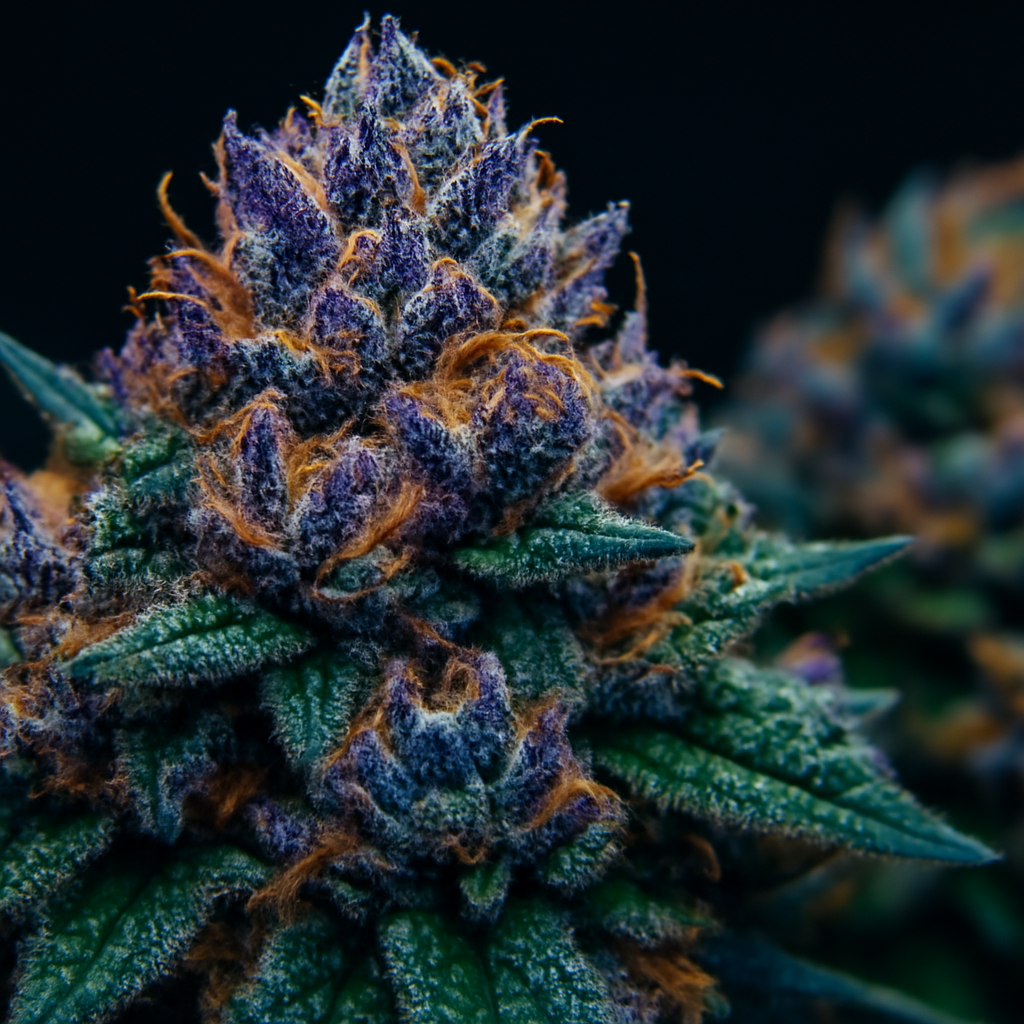
Run daytime temps at 70–85°F (21–29°C) during both veg and flower. GG #4 handles the warmer end of that range well and can push terpene expression at 78–82°F. Drop nighttime temps 8–10°F below day temps in late flower — the differential helps trigger anthocyanin expression and tightens trichome heads. Don't let it drop below 62°F or you risk slowing resin gland development.
VPD and Humidity
Target VPD of 0.8–1.0 kPa in veg with RH at 45–55%. Once you flip to 12/12, begin walking RH down week by week. By week 5 of flower you want to be sitting at 40–50% RH. In the final two weeks before harvest, some growers push down to 35–40% to stress-trigger additional resin production. Given GG #4's bud density, you cannot afford to be sloppy here — powdery mildew and botrytis are real threats. Run an oscillating fan directly under the canopy and another above it.
Lighting: PPFD Targets
GG #4 is a light-hungry strain. Use a quality LED or HPS setup and hit:
- Seedling/early veg: 200–400 µmol/m²/s
- Late veg: 600–800 µmol/m²/s
- Flower (weeks 1–6): 800–1,000 µmol/m²/s
- Late flower (weeks 7–10): 1,000–1,200 µmol/m²/s (with CO₂ enrichment, up to 1,500)
Use our Grow Light Calculator to confirm your fixture is delivering at canopy level — manufacturer PPFD specs are often measured at a single center point, not across your full footprint.
Training GG #4: SCROG Is the Move
GG #4 grows with vigor and produces multiple branching nodes quickly. Left untrained, you get a Christmas tree structure with a dominant main cola and undersized larf below the canopy. That's leaving yield on the table. The topping vs fimming debate matters here — top at the 5th node, then LST the two resulting mains outward as they grow. Repeat on each new top until you have 6–8 even colas ready to fill a screen.
A SCROG net with 2–3 inch (5–7.5 cm) squares is ideal. Tuck new growth under the screen until roughly 70% of the canopy is filled, then flip to 12/12. The horizontal spread forces more bud sites into the light plane and makes support easier when those dense colas get heavy in weeks 6–8 of flower.
Branch support: Even with a SCROG, add individual stakes under main colas from week 5 of flower onward. GG #4 colas are notoriously heavy — branches will snap or buckle without it.
GG #4 Nutrient Schedule and EC Targets
Calcium and Magnesium: Don't Skip This
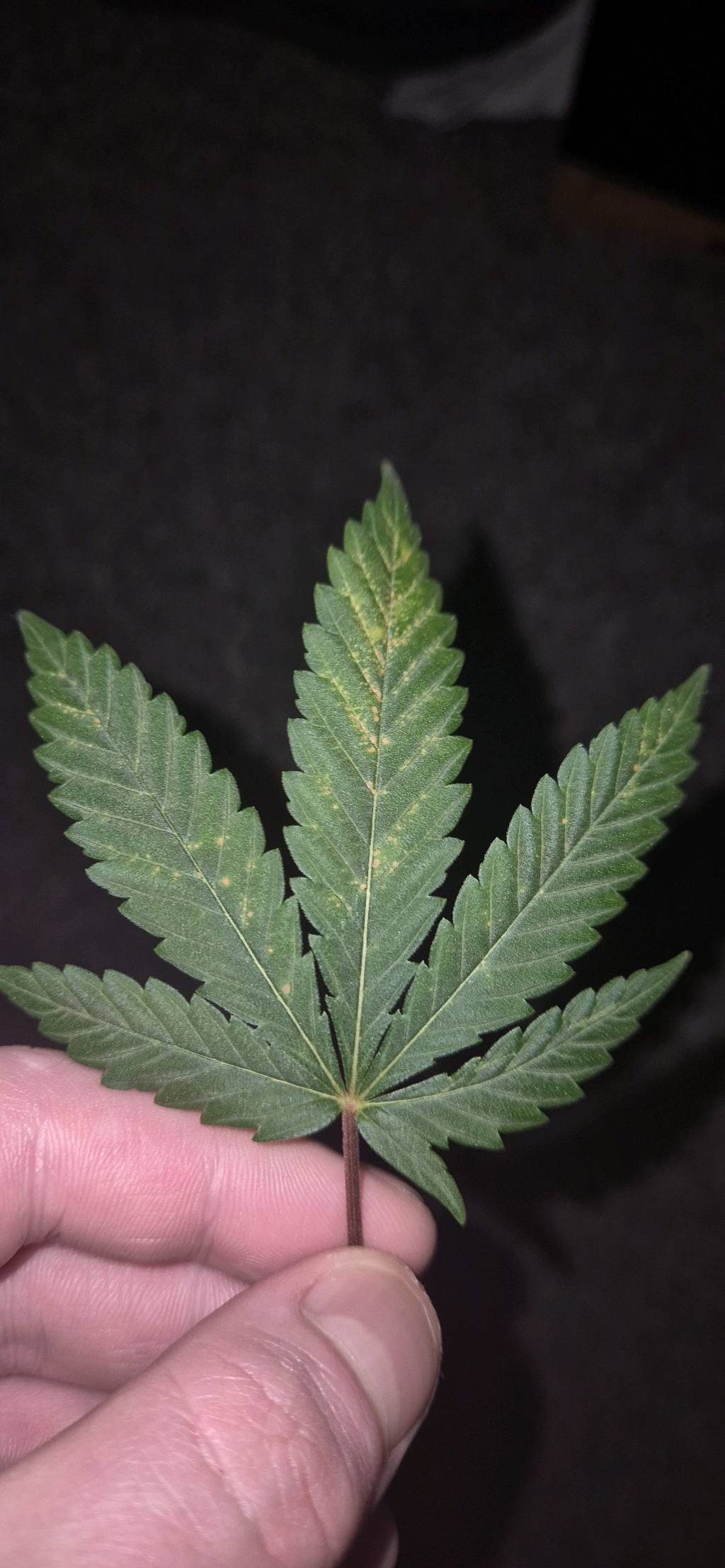
GG #4 under LED lighting on reverse osmosis water is a classic recipe for Ca/Mg deficiency — yellowing between veins (Mg) or brown spotting on newer growth (Ca). Supplement to keep calcium at 120–150 ppm and magnesium at 40–60 ppm from early veg through mid-flower. If you're seeing symptoms and can't tell which deficiency you're dealing with, run them through the Nutrient Deficiency Identifier before you start adjusting.
Feeding Philosophy: Start Low, Build Up
GG #4 is a medium-to-heavy feeder but it does not tolerate overfeeding well. The telltale sign of over-feeding is clawed, dark green leaves in veg — nitrogen toxicity. In flower, look for nutrient burn starting at leaf tips. Start every new feeding week at the lower end of the EC range and only push higher if the plant responds well and runoff EC isn't spiking. This is a strain where aggressive flushing protocols at week 8–9 make a real difference to final smoke quality.
For seedling nutrition specifics, see our guide on best nutrients for cannabis seedlings.
Growing GG #4 in Soil vs. Coco
Across our platform, 63.3% of growers use soil as their primary medium — and it works well for GG #4, especially for first-time growers with this strain. Soil acts as a buffer against overfeeding. The tradeoff is slower response to corrections and slightly longer overall cycle times.
Coco coir (used by 14.8% of platform growers) rewards experienced hands. You get faster growth, better root oxygenation, and the ability to dial in precise EC/pH on every feeding. GG #4 in coco under a controlled LED environment is where you hit those 500–600g/m² numbers. The catch: coco requires daily or near-daily feeding, and Ca/Mg supplementation is non-negotiable from day one.
Troubleshooting GG #4 Common Problems
Botrytis (Bud Rot)
This is the number one threat to GG #4 in late flower. Dense colas trap moisture inside where airflow can't reach. If you see gray fuzzy growth at the base of a cola or brown mushy tissue inside a bud, that's botrytis. Cut it out immediately — at least 2 inches below the visible infection — and bag the material before it releases spores. Prevention: keep RH at or below 45% from week 5 of flower, run night-time air exchange, and avoid any overhead watering that wets the canopy.
Powdery Mildew
White powdery spots on leaves, usually starting on upper surfaces. GG #4 isn't especially PM-prone, but crowded canopies create the microclimate it loves. Space your plants, defoliate strategically in weeks 3–4 of flower, and maintain VPD correctly. A potassium bicarbonate spray at first signs can knock it back without leaving residues that affect final flavor.
Light Bleaching
Pushing PPFD above 1,200 µmol/m²/s without CO₂ supplementation causes bleaching at the tops closest to the fixture. White or pale yellow at the very tip of colas in late flower is the tell. Raise the light or dial back intensity — bleached tissue produces no additional resin and compromises the bud.
Harvesting GG #4: Reading Trichomes
GG #4 has a flowering time of 8–10 weeks from flip. Don't go by the calendar alone — check trichomes with a 60× loupe or digital scope from week 7 onward. For the classic GG #4 effect (heavy, euphoric, relaxing), harvest when 5–15% of trichomes on the buds (not the leaves) have turned amber. If you want a more sedative, body-heavy result, wait until 20–30% are amber.
Pistil color is your secondary check: when 70–90% of white hairs have darkened and curled inward, you're in the window. Use both signals together — neither alone is definitive.
Drying and Curing GG #4
GG #4's density that makes it such a high-yielding strain becomes a problem in the dry room. The interior of a thick cola dries much more slowly than the outside, which means the exterior can feel ready while the center is still at 20%+ moisture — prime conditions for botrytis post-harvest.
Drying environment: 60–70°F (15–21°C), 45–55% RH, gentle airflow (not blowing directly on buds). Target a 7–10 day dry. If it's done in 4–5 days, your conditions are too warm or dry and terpenes are escaping. Hang whole branches rather than bucking immediately — the extra stem slows moisture loss from the bud.
Ready to jar test: Small stems should snap (not bend), and the outside of the bud should feel dry to the touch. The interior will still hold some moisture — that's by design. The cure handles the rest.
Curing: Fill jars to 75% capacity, burp twice daily for the first week (open the lid for 10–15 minutes each time), then once daily through week two. After two weeks minimum, start checking every few days. GG #4 genuinely rewards a 4–6 week cure — the resin profile continues developing and harsh green notes mellow out significantly. Use the Dry & Cure Timer to track your burp schedule and target dates.
To understand what your dry yield should look like versus input costs, run your numbers through the Cost Per Gram Calculator — GG #4 at 500g/m² indoors looks very different from a 300g/m² run when you factor in electricity and nutrients.
Expected Yield from GG #4
Indoor yields under 600–800W LED with SCROG training: 400–600g/m² is realistic for an experienced grower dialing in environment and nutrition. First-time GG #4 growers should expect 300–400g/m² while they learn the strain's specific responses. Use the Yield Calculator to set realistic targets based on your light, space, and training method before you commit to a grow plan.
Outdoors in a suitable climate, GG #4 can produce 500g+ per plant given adequate veg time and support structures. The tradeoff is humidity management in the final 4–6 weeks of outdoor flower, which in most regions coincides with autumn rains.
Frequently Asked Questions
How long does GG #4 take to flower?
GG #4 has a photoperiod flowering time of 8–10 weeks from the flip to 12/12 light. Most growers hit peak trichome maturity around day 56–65. Always confirm with trichome inspection rather than relying solely on day count.
Is GG #4 hard to grow for beginners?
GG #4 is moderately challenging — not the most forgiving strain but manageable with basic environment control. The main pitfalls are overfeeding, poor airflow leading to bud rot, and under-supporting heavy colas. Get those three things right and the strain is rewarding.
What's the best training method for GG #4?
SCROG with a 2–3 inch net combined with topping at the 5th node is the most effective approach for indoor GG #4 grows. It maximizes even light distribution across dense colas and makes branch support easier. LST alone works but doesn't equalize the canopy as effectively.
Why is GG #4 also called Original Glue?
The strain was rebranded to "Original Glue" (GG4) following a trademark dispute with the adhesive company Gorilla Glue. The genetics and grow characteristics are identical — the name change is legal/commercial, not horticultural.
What EC should I run for GG #4 in coco during peak flower?
Target EC of 1.8–2.2 mS/cm during peak flower weeks 5–7 in coco. With CO₂ enrichment above 1,200 ppm, some growers push to 2.4 mS/cm. Always monitor runoff EC and keep it within 0.3–0.5 mS/cm of your input to avoid salt buildup.
References
- DNA Genetics. (2024). GG4 Support and Odour Management Guide. Detailed cultivation notes on support structures and odour management for GG4 grown commercially. dnagenetics.com
- Joint Commerce. (2024). GG4 × Affgoo: A Comprehensive Strain Guide. EC, pH, and CaMg targets across growth stages for GG4-lineage plants. app.jointcommerce.com
- Buy Cannabis Seeds. (2024). How to Grow Gorilla Glue 4 Auto: A Step-by-Step Guide. Temperature, humidity, and lighting parameters for GG4 cultivation including autoflower variants. buycannabisseeds.net
- Cannabis Business Times. (2023). Original Glue (GG4) from GG Strains. Commercial cultivation overview including nutrient sensitivity and overfeeding risk profile. cannabisbusinesstimes.com
- Dagga Seeds. (2024). Gorilla Glue #4 Review: Effects, Terpenes, and Grow Tips. Mold susceptibility analysis and airflow recommendations specific to GG4 bud density. daggaseeds.com