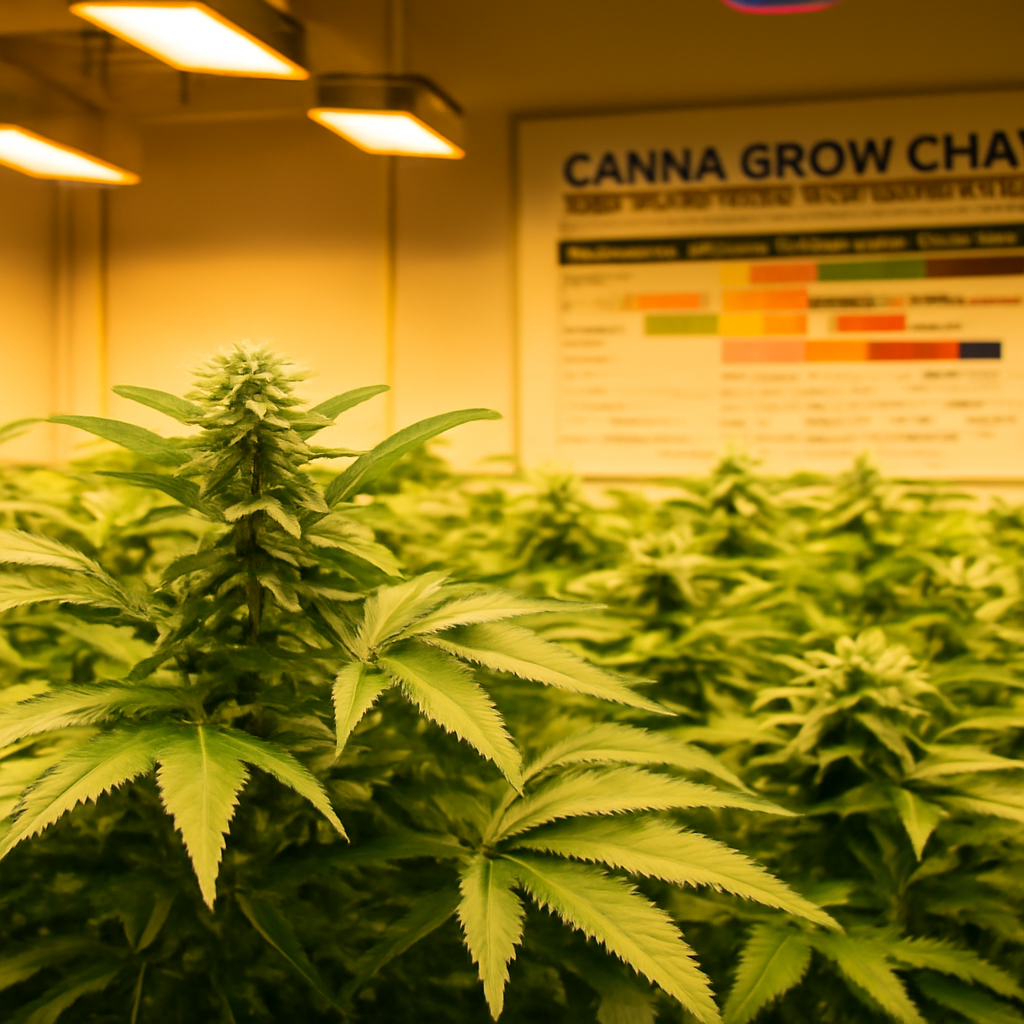
If you've got plants in front of you and a bottle of CANNA nutrients in your hand, a canna grow chart is the difference between guessing and knowing. These charts aren't marketing material — they're week-by-week dosing blueprints that tell you exactly how many mL per litre to feed, what EC your runoff should hit, and when to back off before harvest. This guide breaks down every column on those charts, explains how to apply them by medium, and flags the mistakes that tank otherwise healthy grows.
What a Canna Grow Chart Actually Shows You
At first glance, a CANNA nutrient chart looks like a spreadsheet. It is — and that's the point. Each row is a week in the grow cycle. Each column represents a product, an environmental parameter, or a target measurement. The core values you'll track are:
- mL/L dosage — how much of each product per litre of water
- EC (electrical conductivity) — total dissolved salts in your feed solution, measured in mS/cm
- pH — the acidity/alkalinity window that determines nutrient availability
- Additive timing — when to introduce Rhizotonic, Cannazym, Cannaboost, and PK boosters
- Environmental targets — temperature and relative humidity (RH) per stage
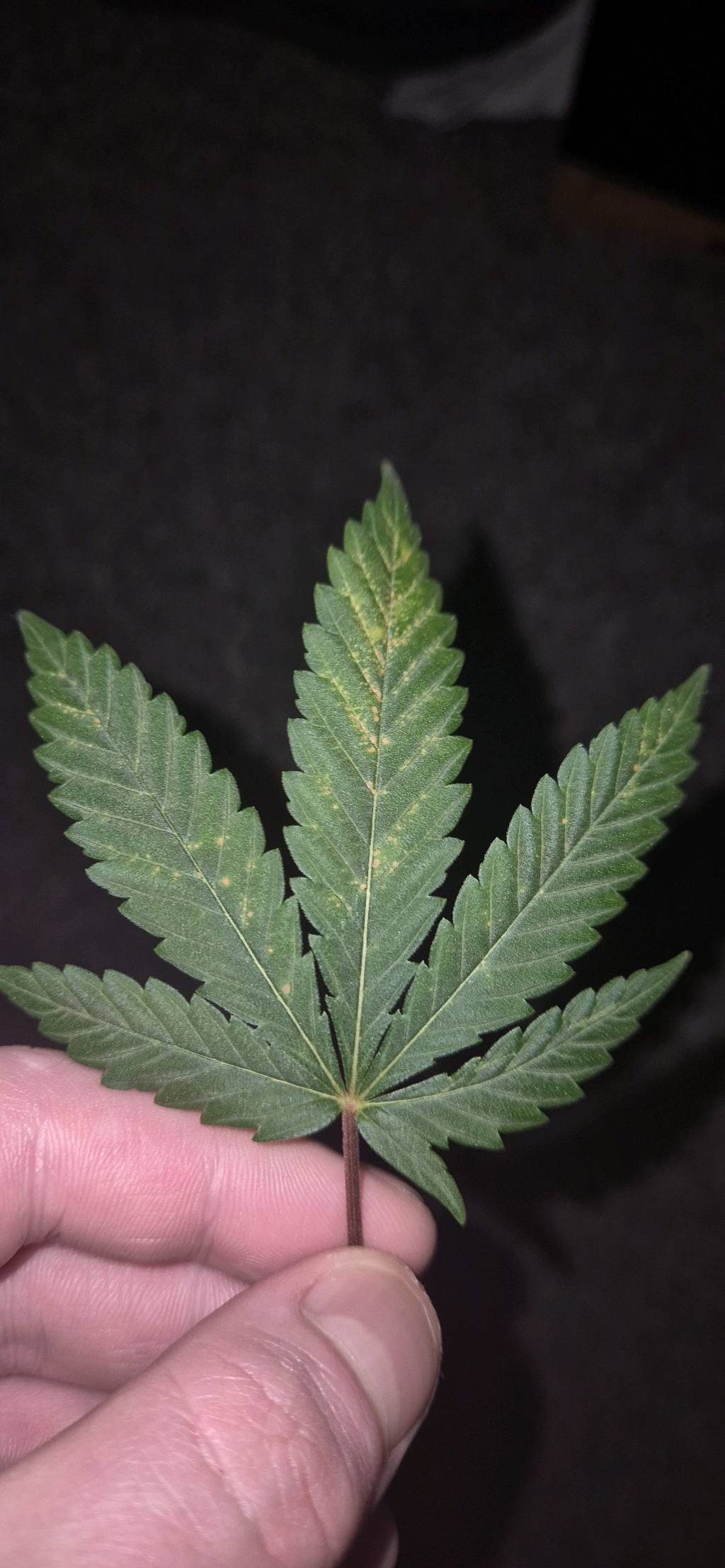
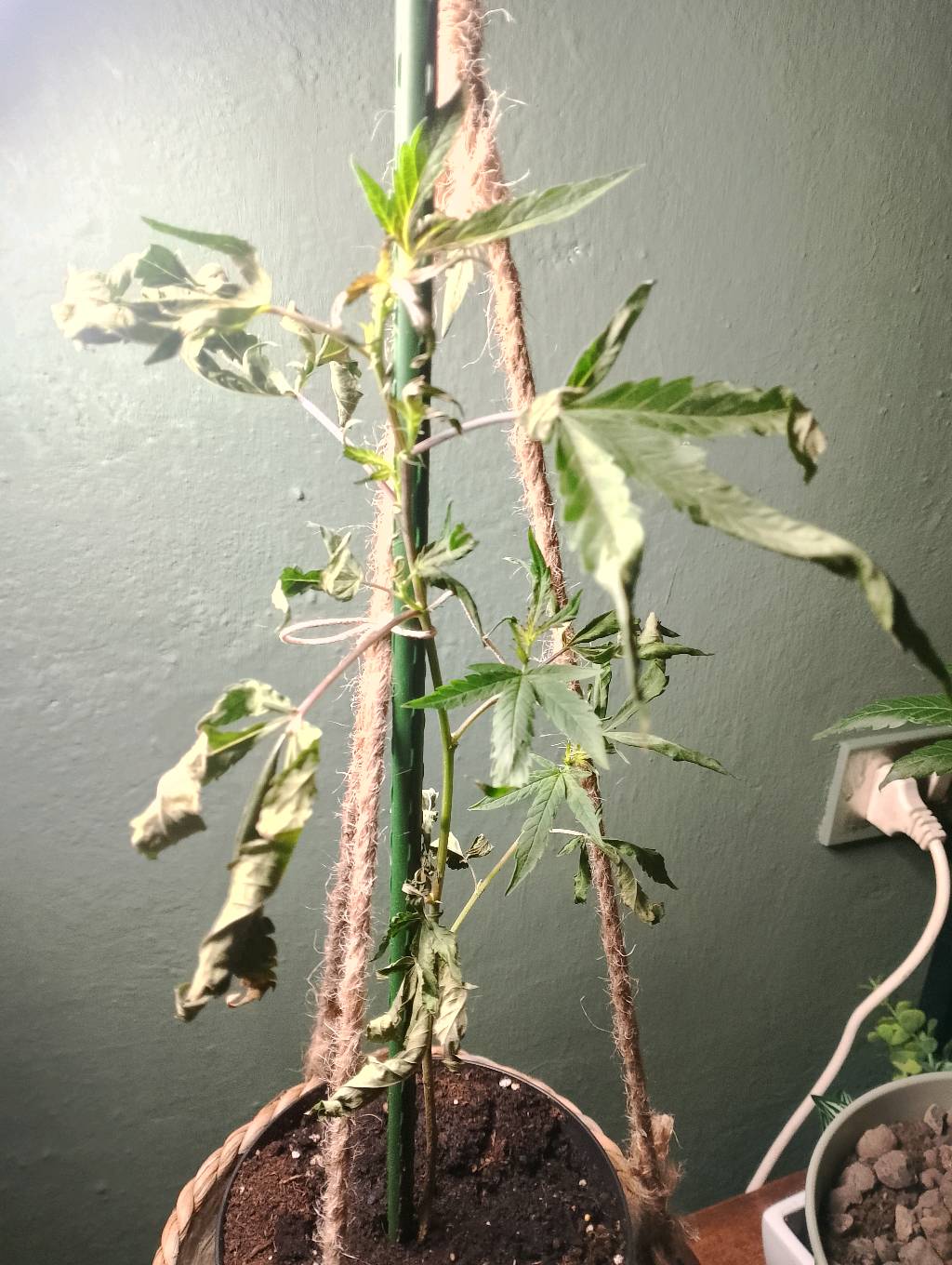
The chart doesn't run on autopilot. You use it as a baseline and adjust based on what your plants are telling you — yellowing tips mean back off EC, pale new growth often means pH is locking out iron or manganese. Use our Nutrient Deficiency Identifier if you're not sure which element is causing a problem.
Canna Grow Chart by Medium: Soil, Coco, and Hydro
CANNA publishes separate charts for each substrate because nutrient behaviour changes dramatically depending on what your roots are sitting in. A one-size chart doesn't exist — this is the most common misreading growers make when switching mediums.
CANNA Terra (Soil)
Soil has cation exchange capacity (CEC) — it buffers and holds nutrients. That means you can get away with slightly higher pH ranges and the medium itself backstops minor feeding errors. According to Grow Guide's platform data, 634 out of 1,000 tracked grows are in soil, making Terra the most widely used CANNA line among logged cultivators.
- Veg (Terra Vega): Start at 3 mL/L in week 1, increase to 5 mL/L by week 2. EC target: 1.1–1.5 mS/cm. pH: 5.8–6.2.
- Flower (Terra Flores): Open at 5 mL/L, peak at 7 mL/L through mid-flower. EC target: 1.4–1.7 mS/cm.
- Flush: Plain water for 10–14 days pre-harvest. Target runoff EC: 0.4–0.6 mS/cm.
- Canopy temp: 28–30°C under HPS, 28–33°C under LED. RH: 60–70% veg, 45–55% flower.
CANNA Coco
Coco coir is inert — it holds no nutrients of its own and has a natural cation affinity for calcium and magnesium. The Coco A&B chart starts at a lower pH window (5.5–6.2) and typically calls for more frequent feeding at lower volumes (fertigate daily to runoff rather than large, infrequent feeds). Because coco drains fast, nutrient uptake is highly controllable, which is why 148 of the 1,000 grows tracked on Grow Guide use it despite its steeper learning curve.
- Pre-buffer coco with Cal-Mag before first use — coco will strip calcium from your feed until it's saturated.
- Run 10–20% runoff at every watering to prevent salt buildup.
- EC tolerance in coco is slightly higher than soil — plants can handle 1.6–2.0 mS/cm in peak flower without tip burn if VPD is dialled.
CANNA Hydro
Hydroponic systems (DWC, NFT, recirculating) have no buffer whatsoever. Nutrient solution is everything. The Hydro Vega/Flores chart calls for pH 5.2–6.2 — the lower floor compared to soil is intentional, because the full range cycles nutrient availability across different elements. In a recirculating system, check and adjust EC and pH twice daily during peak flower.
- Water temp: keep reservoir at 18–20°C to prevent pathogen growth and maintain dissolved oxygen.
- In DWC, EC drifts upward between top-ups as plants drink water faster than nutrients — dilute before topping up rather than just adding fresh solution.
BIOCANNA (Organic Soil)
The BIOCANNA chart is slower-paced and less precise on EC because organic nutrient release depends on microbial activity. Bio Vega runs veg; Bio Flores runs flower. Target pH 6.0–6.5 to keep the soil food web active. Avoid synthetic additives that can disrupt microbial populations. See our guide on Best Organic Nutes for Cannabis for compatible additive choices.
The Canna Grow Chart Additive Schedule: Week by Week
Base nutrients alone (Vega/Flores or A&B) cover primary macros. The additive columns on the canna grow chart are where a lot of growers either get big gains or waste money by using everything at once. Here's what each does and when it earns its place:
- Rhizotonic (0.4 mL/L): Root stimulator, high in vitamins B1 and B2. Apply weeks 1–3 of veg. Critical after transplant stress. Skip it in late flower — it's wasted.
- Cannazym (2.5 mL/L): Enzyme product that breaks down dead root material. Use from week 1 of flower through flush. Keeps your substrate from going anaerobic mid-grow.
- Cannaboost (2 mL/L): Flowering stimulator targeting carbohydrate metabolism. Run from week 3 to week 7 of flower only. Adding it earlier or later delivers minimal ROI.
- PK 13/14 or similar PK booster: High-phosphorus/potassium spike during weeks 5–7 of flower (the stretch and early bud bulk phase). Don't run it during flush or you'll blow up your runoff EC.
Planning your full additive schedule before the grow starts saves a lot of mid-cycle confusion. The Grow Schedule Planner lets you map all of this out by week so nothing falls through the cracks — especially useful if you're running CANNA additives alongside a base line from another brand.
Reading EC and pH: What the Numbers Mean in Practice
Your EC meter tells you how much is dissolved in the water. It does not tell you which specific nutrients are present or in what ratio. That's why pH matters so much alongside EC — the wrong pH locks out specific elements even when your EC looks perfect on paper.
Phosphorus availability drops significantly above pH 7.0. Iron and manganese go unavailable below pH 5.0 in soil or above pH 6.5. Calcium and magnesium are most available in the 6.2–7.0 range for soil, which is why coco growers who push pH too low often see Cal-Mag symptoms despite adequate EC.
If you're regularly seeing tip burn with EC at 1.5 mS/cm, don't immediately lower feed — check VPD first. At high VPD (low humidity, high temp), plants transpire faster, pulling calcium into leaves faster than they can process it, causing the classic burned tips that looks like nute burn but isn't. Canopy temps over 30°C with RH below 40% is a common culprit in early flower.
Canna Grow Chart for the Flush and Pre-Harvest Phase
The flush section of any canna grow chart is arguably the highest-stakes column. Flush too early and you sacrifice bulk and trichome density. Flush too late and you carry dissolved salts through to the jar.
The 10–14 day plain-water flush is the standard for soil and coco. In hydro, 5–7 days is usually enough given the system's lack of buffering capacity. During the flush, watch your runoff EC drop toward 0.4–0.6 mS/cm. If it's not moving after 3–4 waterings, your substrate has accumulated significant salt buildup — consider a flushing agent like CANNA Flush diluted per label to accelerate the process.
Time your harvest by trichome inspection rather than counting days. Under a 60–100x jewellers loupe or digital microscope, look for:
- Clear trichomes: Not ready — THC precursors haven't fully converted.
- Milky/cloudy: Peak THC — the chart's target window for most cultivars.
- Amber: THC degrading to CBN — some growers target 10–20% amber for a more sedating effect.
Dry and Cure: After the Chart Ends
Your grow chart ends at harvest, but what happens in the next four weeks determines as much of the final quality as anything in your feed schedule. Post-harvest targets:
- Drying: Hang whole branches in darkness at 13–18°C (55–65°F), RH 40–50%. Target 10–14 days. Slow drying preserves terpenes and allows chlorophyll to break down. Never drop below 35% RH — you'll seal moisture inside dense buds that later mold in the jar.
- Curing: Trim and jar when the small stems snap (not bend). Burp jars daily for the first 7 days for 10–15 minutes to release CO₂ and moisture. Reduce to every 2–3 days over weeks 2–4. Minimum cure: 3 weeks. Optimal: 6–8 weeks.
Use our Dry & Cure Timer to track your drying and burp schedule automatically — especially useful when you're running multiple harvests at different stages.
For expected yield at harvest, plug your setup into the Yield Calculator to benchmark against your grow type. And if you want to track whether your CANNA feed schedule is paying off financially, the Cost Per Gram Calculator gives you a real number to work with across nutrient costs, electricity, and yield.
Logging Your Results Against the Chart
A grow chart is a prescription. A grow journal is the record of how the patient responded. Tracking EC, pH, and any deviations week by week is the only way to improve run-to-run. If you're new to structured journaling, our guide on How to Keep a Cannabis Grow Diary covers what to log and how often. The Cannabis Grow Diary guide goes deeper for growers who want to compare grows across strains and setups.
Frequently Asked Questions
What is a canna grow chart and do I need one?
A canna grow chart is a week-by-week feeding schedule published by CANNA that specifies mL/L dosages, EC targets, and pH ranges for each product in their nutrient line. You don't have to follow it rigidly, but it gives you a researched baseline so you're adjusting from data rather than guessing from scratch.
What EC should I target during flowering with CANNA Terra?
The CANNA Terra chart targets 1.4–1.7 mS/cm during peak flower. Back off to plain water when you're 10–14 days from harvest and aim for runoff EC of 0.4–0.6 mS/cm by the end of the flush. If your input EC is correct but runoff is significantly higher, you have salt accumulation in your substrate.
Can I use the CANNA Terra chart for coco coir grows?
No — coco requires the dedicated CANNA Coco A&B chart, which accounts for coco's cation exchange behaviour and calcium affinity. Running Terra on coco will likely cause calcium and magnesium deficiencies because the formulation doesn't compensate for what coco naturally strips from solution.
When should I add Cannaboost to my grow?
Cannaboost is most effective from week 3 to week 7 of the flowering stage at 2 mL/L. This window aligns with the carbohydrate demand peak during bud bulking. Running it during veg or late flower adds cost without meaningful benefit.
How do I know when to start flushing based on the grow chart?
The chart gives you a week-count guide, but base your flush start on trichome colour — initiate flush when most trichomes are milky with the percentage of amber you're targeting (typically 5–20%). That gives your 10–14 day flush window time to align with actual plant maturity rather than a fixed calendar date.
References
- CANNA Research (2025). CANNA Terra, Coco, and Hydro Nutrient Schedules — Official Product Charts. Dosage, EC, and pH targets for each substrate line as published by the manufacturer. canna.com
- Grow Guide Platform Data (2026). Internal grow journal dataset — 1,000 tracked grows. Medium breakdown: 634 soil, 148 coco coir, 171 outdoor. Feed type: 546 manual, 126 top-feed drain-to-waste. Original data, not published externally.
- Distru Cannabis Operations Blog (2024). How to Harvest a Cannabis Crop. Covers drying conditions (55–65°F, 40–50% RH), cure timing, and jar-burping protocol for post-harvest quality. distru.com
- Bugbee, B. (2022). Fundamentals of Plant Nutrition and EC Management in Controlled Environments. Utah State University. Covers EC and VPD interactions, nutrient uptake rates, and the relationship between transpiration and calcium mobility in cannabis. extension.usu.edu
- Rodriguez-Morrison, V., Llewellyn, D., & Zheng, Y. (2021). Cannabis Yield, Potency, and Leaf Spectral Response to Different Fluence Rates of Continuous and Intermittent Light. Frontiers in Plant Science. Provides PPFD and environmental data relevant to optimising growth conditions alongside nutrient scheduling. frontiersin.org