What Makes Zkittlez Worth Growing
Zkittlez earned its reputation the hard way — winning the 2016 Emerald Cup and landing on every serious cultivator's shortlist since. The cross of Grape Ape and Grapefruit produces a terpene stack heavy in linalool, myrcene, and caryophyllene, which translates directly to that layered candy-fruit nose growers chase. At around 15% THC and 0.39% CBD, it's not a ceiling-breaker in terms of potency, but the effect is clean, body-leaning, and remarkably smooth — which keeps demand consistent. If you're tracking costs, run the numbers through our Cost Per Gram Calculator before you commit to a run.
On the cultivation side, Zkittlez is forgiving enough for intermediate growers but rewards experienced hands with dense, resinous buds that cure into something genuinely special. The main challenge is its bushy, branchy indica structure — left unmanaged it creates shade and airflow problems. That's what this guide addresses.
Zkittlez Genetics and Growth Structure
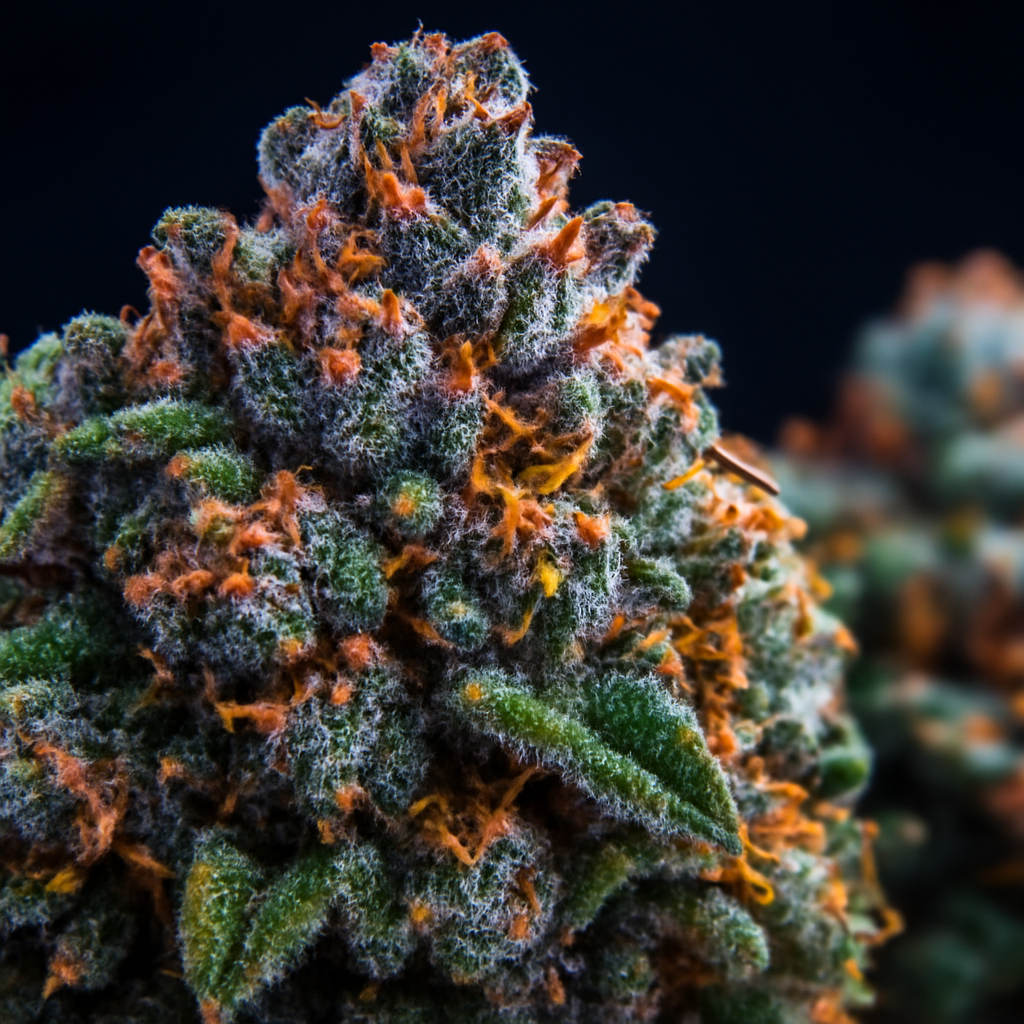
Zkittlez grows with a classic indica silhouette: wide fan leaves, short internodal spacing, and vigorous lateral branching. Plants typically stay under 100cm indoors without training, making it well-suited to tents and smaller grow rooms. Outdoors, unconstrained plants can stretch considerably and produce up to 600g per plant under optimal conditions.
The dense canopy is both a feature and a liability. Airflow through lower branches is restricted naturally, which elevates late-flower mold risk — particularly botrytis — if RH climbs above 50% in weeks 6–8. Plan your defoliation schedule early.
Zkittlez Grow Timeline: Seed to Harvest
Total time from seed to harvest indoors runs 14–17 weeks depending on your veg length. Use our Grow Schedule Planner to map your exact dates before you germinate.
Environment: Temperature, VPD, and Humidity for Zkittlez
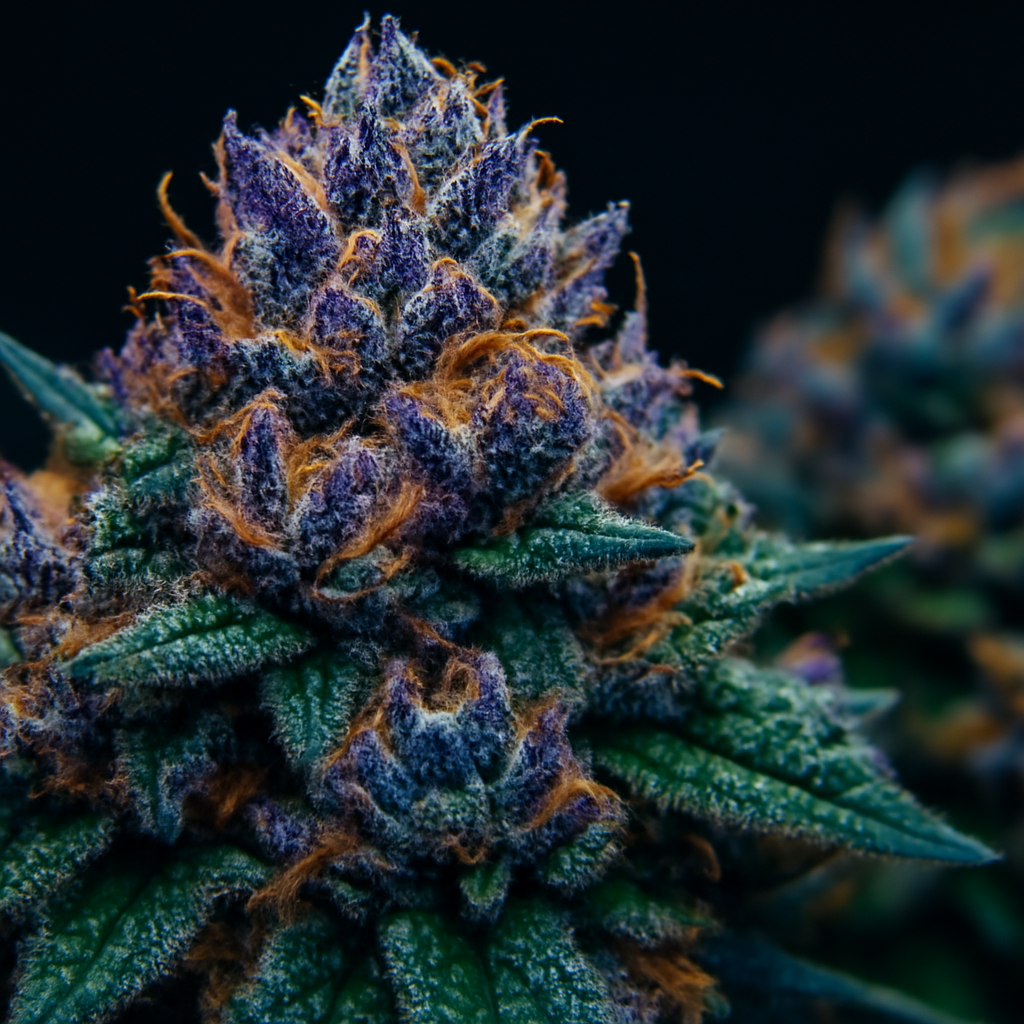
Zkittlez performs best at 70–80°F (21–27°C) during lights-on, with a 5–8°F drop at lights-off. That overnight drop in late flower promotes anthocyanin expression — this is what triggers the purple hues the strain is known for, and it's a free visual cue that your environment is dialled in.
VPD is the metric that matters most here. Target 0.8–1.0 kPa in veg, rising to 1.2–1.5 kPa in mid-to-late flower. In practice that means:
- Veg: 75°F / 55–60% RH
- Early flower (weeks 1–4): 75°F / 50–55% RH
- Mid-late flower (weeks 5–9): 75°F / 40–45% RH — critical for botrytis prevention in those dense colas
At 73% of grows tracked on Grow Guide run indoors, environmental control is the single biggest lever most growers have — and Zkittlez punishes neglect in this area more than most indica-dominant strains because of its bud density.
Lighting for Zkittlez Indoors
Zkittlez is a medium-to-high light strain. Target 600–800 µmol/m²/s PPFD through vegetative growth, stepping up to 800–1000 µmol/m²/s in flower. If you're using a 600W HPS or a quality LED in the 600W equivalent range, you're in the right ballpark for a 1.2×1.2m space. Use our Grow Light Calculator to verify your actual coverage before flipping to 12/12.
Keep your DLI (daily light integral) between 35–45 mol/m²/day in flower. Running an 18-hour photoperiod in veg at moderate PPFD is more effective for Zkittlez than throwing maximum intensity at young plants.
Training Zkittlez: LST, Topping, and ScrOG
Given the compact, bushy structure of Zkittlez, training is non-negotiable if you're growing indoors. The goal is a flat, even canopy that puts every flowering site within 30–45cm of your light source.
- Topping: Top at node 4–5 during veg to create two main colas and encourage lateral branching. If you want to push further, a second topping 10–14 days later creates a more uniform manifold. See our guide on Fimming vs Topping for the trade-offs.
- LST (Low Stress Training): Start tying down branches from week 2 of veg. Zkittlez responds well — branches are flexible early, and bending rather than cutting keeps the plant in full production throughout training.
- ScrOG: The most effective method for indoor Zkittlez. Install your screen at 25–30cm above the pot and weave branches through as they grow. Flip to 12/12 when the screen is 60–70% filled. This typically adds 15–25% to final yield versus untraining the same plant.
Defoliate in two passes: once at the flip (remove large fan leaves blocking lower bud sites) and again around day 21 of flower. Don't strip more than 20–25% of leaves per pass — Zkittlez needs its canopy to drive the terpene production that makes it worth growing.
Nutrients and Feed Schedule for Zkittlez
Zkittlez is not a heavy feeder. Running it too hot on nutrients — especially nitrogen in flower — produces airy, leafy buds and suppresses terpene expression. Follow this framework:
- Seedling (weeks 1–2): Plain pH'd water or very dilute feed. EC 0.4–0.6. Zkittlez seedlings are sensitive to salt buildup — see our guide on best nutrients for seedlings.
- Veg (weeks 3–6): Nitrogen-forward feed. EC 1.2–1.8. pH 6.0–6.5 in soil, 5.8–6.0 in coco.
- Early flower (weeks 1–3): Transition to a bloom formula. Reduce nitrogen, increase P and K. EC 1.6–2.0.
- Mid-flower (weeks 4–7): Full bloom with PK booster. EC 1.8–2.2. This is where Zkittlez builds its resin — don't cut corners here.
- Flush / finish (weeks 8–9): Taper nutrients. Final 7–10 days on plain water if growing in soil. Watch for nitrogen toxicity masking trichome readiness.
If you spot unusual leaf symptoms mid-run, use our Nutrient Deficiency Identifier before adjusting — Zkittlez can show calcium and magnesium stress in coco that's often misread as a pH issue.
On Grow Guide, 63% of tracked grows use soil as their medium — the most common choice and one Zkittlez rewards, particularly when using organic amendments that slowly release phosphorus through flower. For a deeper dive into organic options, see our guide to organic nutrients.
Harvesting Zkittlez: Trichome and Pistil Timing
Zkittlez typically finishes in 56–63 days of flower (8–9 weeks). Don't harvest by the calendar alone — trichomes tell the real story.
- Target window: 70–80% cloudy (milky) trichomes with 20–30% amber on the bud itself (not sugar leaves, which amber earlier).
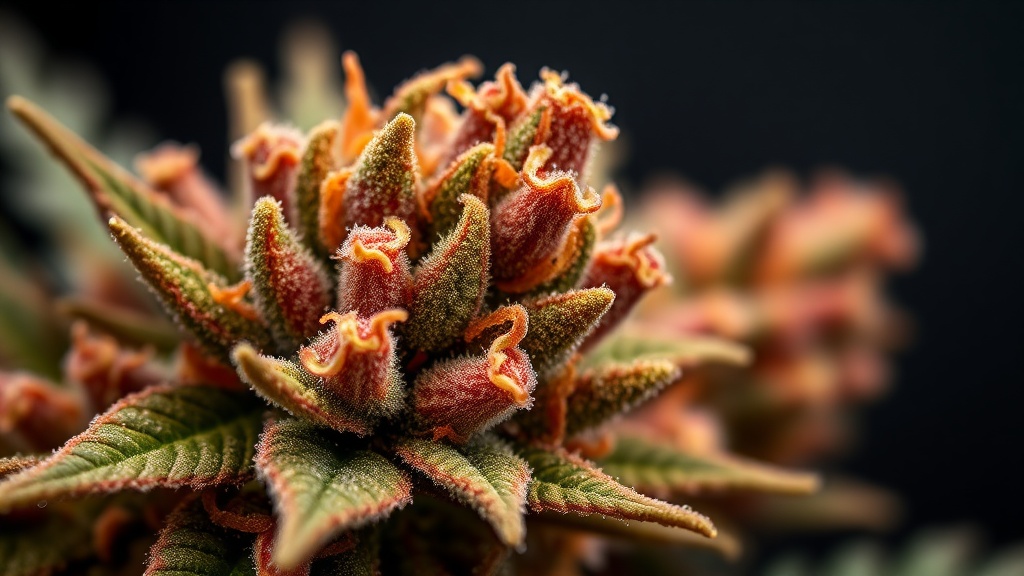
- Pistil check: 70–90% of white pistils should have darkened and curled in.
- Effect preference: Harvest at 20% amber for the classic Zkittlez body-relaxing effect. Push to 30% amber if you want heavier sedation.
A jeweller's loupe (30–60×) works fine; a digital microscope at 100× gives you more confidence on close calls. Zkittlez colas are dense enough that trichomes at the interior of the bud often lag a day or two behind the exterior — check from multiple points.
Indoor yields run 400–500g/m² under dialled conditions. Estimate your specific run with our Yield Calculator.
Drying and Curing Zkittlez for Maximum Flavor
The terpene profile that makes Zkittlez worth growing is fragile. A rushed dry or cure will cost you more than any mistake in the grow itself.
Drying: Hang whole branches (or use a drying rack for smaller operations) in complete darkness at 65–70°F (18–21°C) and 45–55% RH. Target a 10–14 day dry. The slower the dry, the better the final smoke. If your environment is pulling RH below 45%, buds will dry in 5–7 days and lose significant terpene content. Use a humidifier and dial it back.
Curing: Trim and jar when the smallest stems snap rather than bend and the exterior of buds feels dry but the interior still has give. Fill jars to 75–80% capacity, then:
- Burp twice daily for the first 7–10 days — 15 minutes each session
- Once daily for the next 10–14 days
- Every 2–3 days for the remainder of a 4-week total cure
Target 58–62% RH inside jars (Boveda 62 packs work well as a maintenance tool once the active off-gassing slows). At 4 weeks, Zkittlez develops the full candy-fruit profile it's known for. Many growers note significant flavor improvement between week 4 and week 8. Use our Dry & Cure Timer to track burp schedules and hit your target dates.
Zkittlez Outdoors and Notable Hybrids
Outdoor Zkittlez needs a warm, sunny climate with a long enough season to finish before early October in the Northern Hemisphere. Given the dense bud structure, late-season rain is a serious botrytis risk — if you're in a wet climate, choose a Zkittlez hybrid with tighter calyx-to-leaf ratio or plan for a greenhouse finish.
One standout for 2026 is Gorilla Zkittlez (Gorilla Glue #4 × Zkittlez), which was specifically bred for resilience in cooler, damper climates. Outdoor yields under ideal conditions have been reported up to 2000–2500g per plant — making it one of the highest-yielding Zkittlez variants currently available. It retains the candy terpene profile with added structural resin density from the GG4 side.
Keeping a Grow Journal for Zkittlez
Zkittlez rewards repeat grows. The more data you collect — pH, EC, canopy temps, VPD readings, trichome timing — the more precisely you can dial the second run. Our guide on how to keep a cannabis grow diary covers the exact metrics worth logging, and you can track your Zkittlez run directly on Grow Guide to compare notes with other growers running the same strain.
Frequently Asked Questions
How long does Zkittlez take to flower?
Zkittlez finishes in 56–63 days of flower (8–9 weeks) indoors under 12/12. Check trichomes from day 52 onward — environmental factors like temperature swings or low VPD can push finishing time closer to 65 days in suboptimal conditions.
What is the typical yield for Zkittlez grown indoors?
Under dialled conditions with a ScrOG or topped canopy, expect 400–500g/m² indoors. Untrained plants in small pots will produce significantly less — around 80–150g per plant. Use the Yield Calculator to estimate your specific setup.
Why does my Zkittlez smell weak at harvest but better after curing?
Zkittlez terpenes, particularly linalool and myrcene, continue to develop through the enzymatic processes that occur during a slow cure. A 4-week cure in sealed glass jars at 58–62% RH is the minimum to express the full candy-fruit profile — most growers report the best results at 6–8 weeks.
Is Zkittlez difficult to grow for beginners?
It's an intermediate-level strain. The genetics are stable and the plants are hardy, but the dense indica structure requires proactive training and defoliation to avoid mold. Beginners who follow a ScrOG setup and keep RH below 50% in late flower will get good results.
What terpenes are dominant in Zkittlez?
Zkittlez is typically dominated by linalool, myrcene, and caryophyllene, with secondary contributions from limonene and humulene depending on phenotype. This combination drives the floral, fruity, and subtly spicy aroma profile. Explore the full terpene breakdown using our Terpene Explorer.
References
- Grow Diaries (2024). Zkittlez strain data aggregated from community grow journals — reports average THC of ~15% and CBD of ~0.39%, with lineage confirmed as Grape Ape × Grapefruit. growdiaries.com/strains/zkittlez
- Emerald Cup (2016). Official competition results naming Zkittlez the winner of the 2016 Emerald Cup — the event that established the strain's commercial reputation. theemeraldcup.com
- cannabis.net (2025). Zkittlez cultivation overview covering indoor yield ranges of 400–500g/m², outdoor potential of 600g/plant, and recommended 3–4 week cure protocol. cannabis.net — Zkittlez cultivation guide
- Strainpedia (2025). Gorilla Zkittlez strain profile — documents outdoor yield potential of 2000–2500g per plant and cold-climate resilience traits derived from Gorilla Glue #4 parentage. strainpedia.com/gorilla-zkittlez
- Medusa Filters (2024). Zkittlez cultivation conditions — recommends 70–80°F daytime temps, 40–50% RH in flower, and minimum 600W lighting for indoor production. medusafilters.ch — Zkittlez strain guide