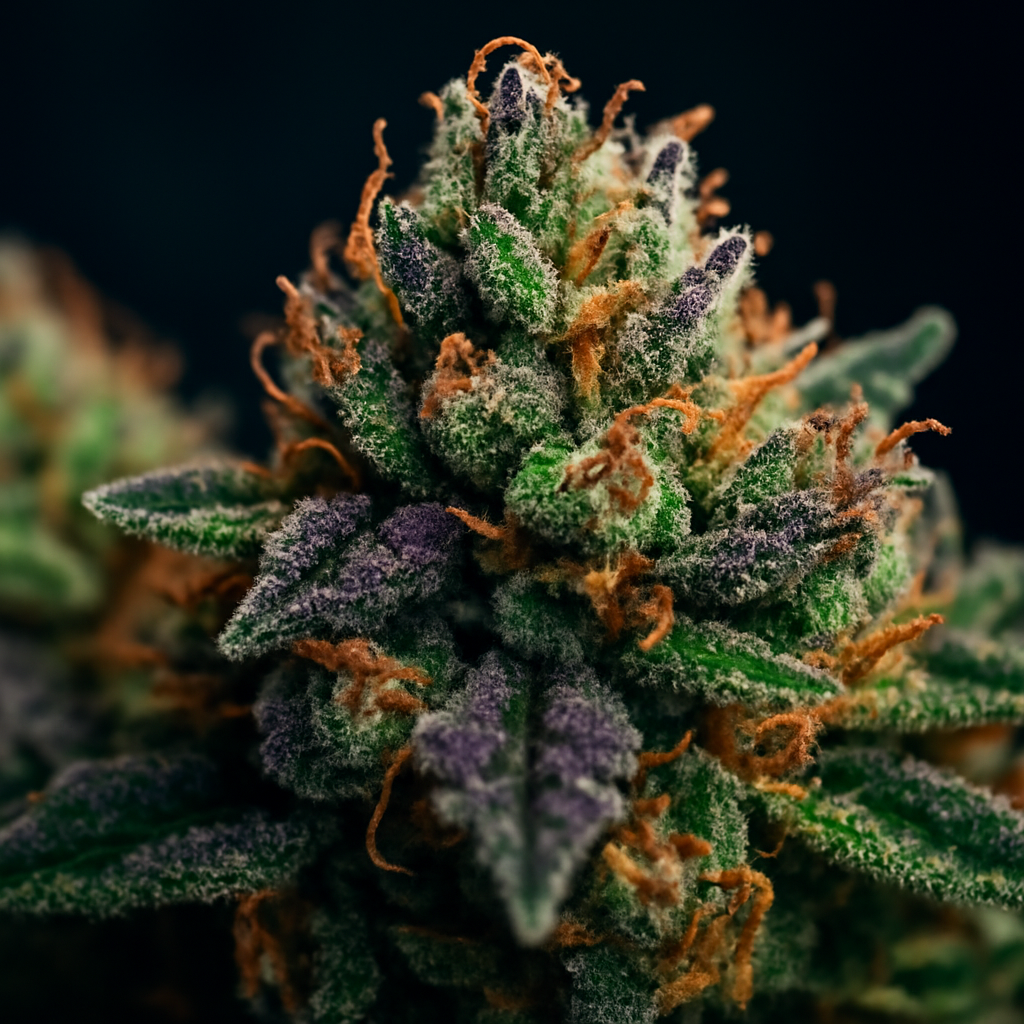
What Is the Wedding Crasher Cannabis Strain?
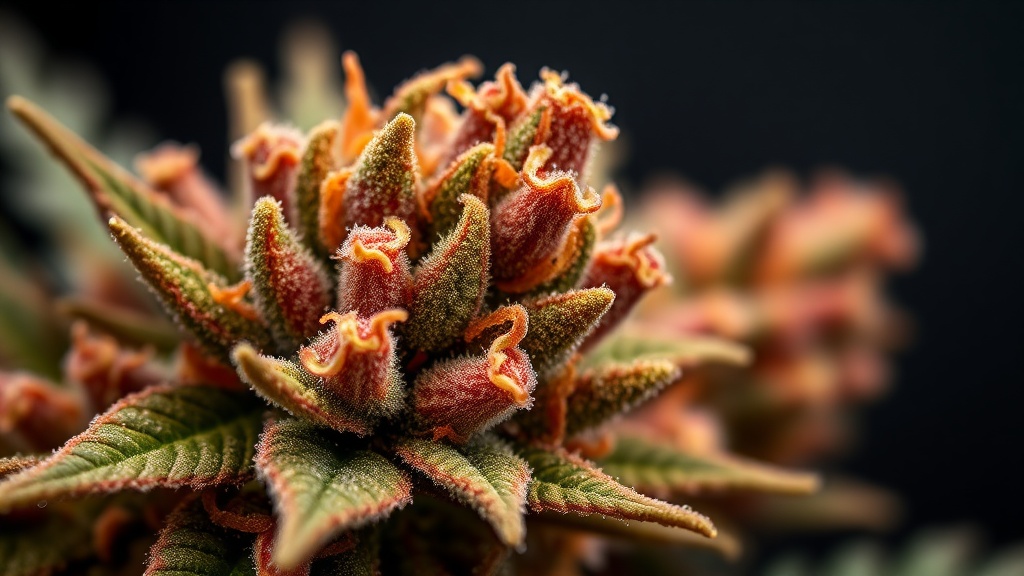
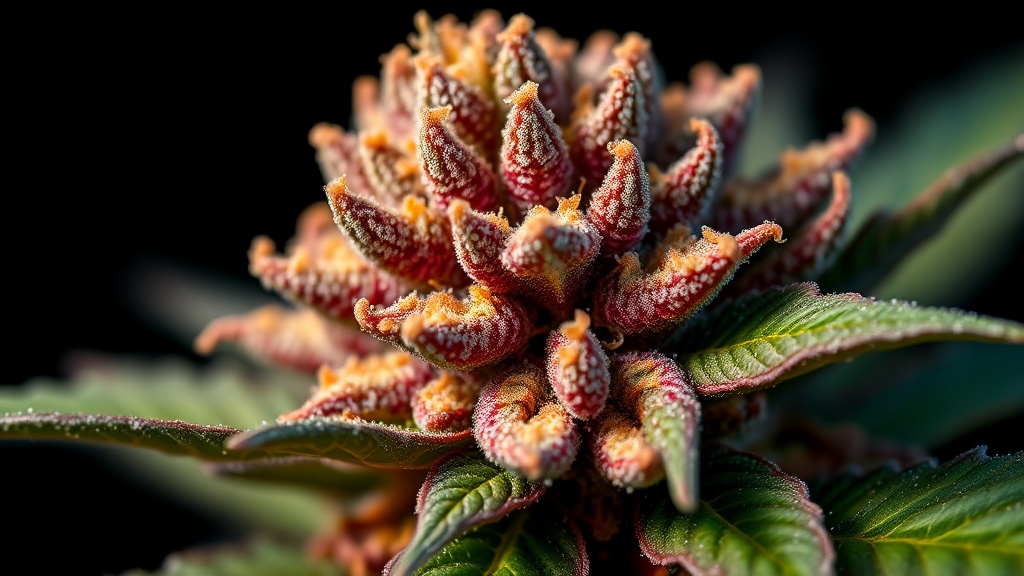
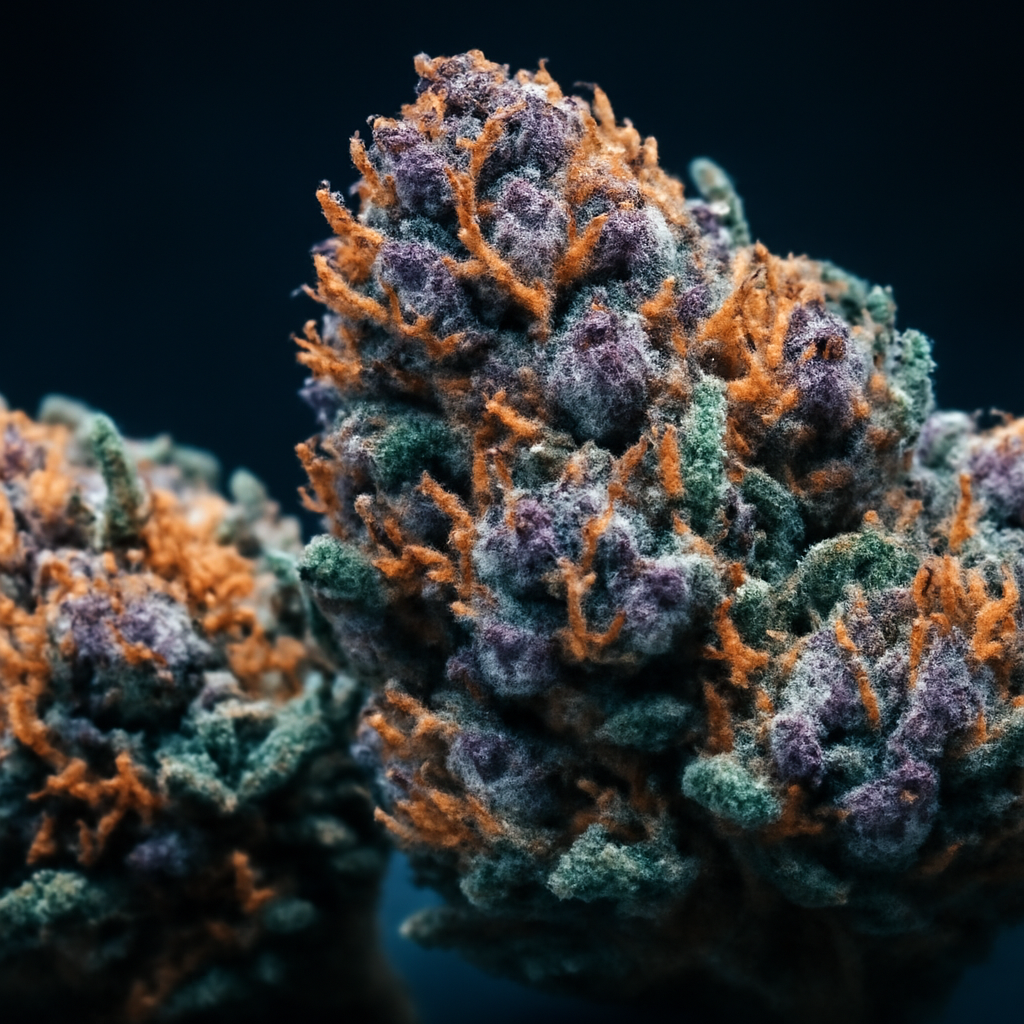
The Wedding Crasher cannabis strain is a hybrid developed by Symbiotic Genetics, crossing two powerhouse cultivars: Wedding Cake and Purple Punch. The result is an indica-leaning plant that punches well above its weight class — dense, trichome-coated buds with a complex terpene profile built around sweet vanilla, ripe grape, and earthy undertones. If you've grown either parent before, you'll recognize the structure: stocky internodes, heavy lateral branching, and buds that swell fast in weeks five and six of flower.
THC content typically lands between 20–25%, making this a moderately potent cultivar that rewards patient growers who dial in their environment. If you're tracking this grow from seed to harvest, use our Grow Schedule Planner to map out your full timeline before you drop a single seed.
Wedding Crasher Grow Timeline: Seed to Harvest
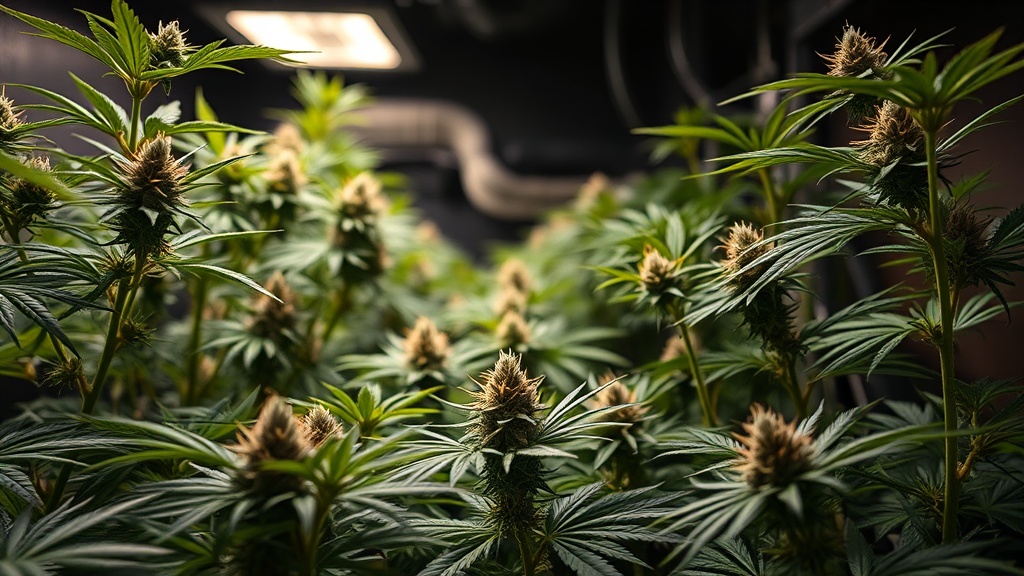
Knowing your full timeline before you start helps you avoid being caught off guard by stretch or late-ripening buds. Wedding Crasher runs 8–9 weeks in flower with a total seed-to-harvest window of roughly 16–18 weeks for photoperiod plants grown indoors. See our full breakdown of how long to grow cannabis indoors if you need to plan around a specific deadline.
Environment Setup for the Wedding Crasher Strain
Wedding Crasher's dense bud structure is both its best feature and its biggest risk. Those thick, resinous colas trap humidity, and if your RH creeps above 55% during weeks five through eight of flower, you're inviting botrytis into your garden. Stay on top of these numbers:
- Daytime temps: 70–80°F (21–27°C). Above 82°F and terpene production starts to suffer — particularly the linalool and caryophyllene that give this strain its signature vanilla-grape character.
- Night temps: Keep above 60°F (16°C). A 10°F drop at lights-off is fine and can even push late-flower anthocyanin expression, but go colder and you'll slow resin production and extend your finish date.
- VPD vegetative: Target 0.8–1.0 kPa with RH at 60–70%.
- VPD flower: Push to 1.2–1.6 kPa; drop RH to 50% or below by week four of flower, and aim for 45% or lower in the final two weeks.
- CO₂: At 1000–1200 ppm with adequate light, Wedding Crasher responds well. Below 600 ppm you're leaving yield on the table.
For lighting, Wedding Crasher wants real intensity. Target 600–900 PPFD in veg and 900–1100 PPFD at canopy during peak flower. Anything under 600 PPFD will give you larfy, airy lower buds that don't do this strain justice. Use our Grow Light Calculator to confirm your fixture's output covers your canopy evenly before you flip.
Training the Wedding Crasher Weed Strain for Maximum Yield
This is where the difference between a 300g/m² grow and a 500g/m² grow gets made. Wedding Crasher's indica structure means it wants to stack nodes tightly, which is great for density but terrible for light penetration without intervention. Your two best tools here are topping and low-stress training (LST).
Topping and Timing
Top above the fifth node once your plant has six nodes established — usually around day 21–28 from seed under 18/6. This breaks apical dominance and triggers two main colas instead of one. Let the plant recover for five to seven days, then top the two new mains once each for a four-cola structure. This approach adds 10–15% to your final yield by creating a flatter, more light-efficient canopy. See our breakdown of fimming vs. topping if you want to compare approaches before committing.
LST After Topping
Once you have four to six mains, start bending and tying them outward at 45–90 degrees. Wedding Crasher's branches are flexible enough in early veg that you can pull them aggressively without snapping. The goal is a flat, even canopy where every bud site receives the same PPFD. Use soft plant ties or garden wire with rubber coating — never bare wire directly on stems.
Stop LST manipulation around week two of flower. By then, stems have stiffened and buds are beginning to form. Any aggressive bending at this point stresses the plant for no measurable gain.
Defoliation
Wedding Crasher is a heavy feeder of light, not a heavy foliage grower, but it will still throw up fan leaves that block lower bud sites. Do a moderate defoliation at flip (remove 20–30% of fan leaves blocking lower nodes) and a light clean-up around day 21 of flower. Don't go heavy in late flower — those upper leaves are feeding the buds directly at that point.
Nutrient Feeding Schedule for Wedding Crasher
Wedding Crasher is a moderate-to-heavy feeder. It responds well to a structured nutrient program, but it will show tip burn quickly if you push EC too high during early veg. Start conservative and ramp up based on what the plant shows you.
Vegetative Stage
- EC: 1.2–1.8 mS/cm in coco/hydro; slightly lower in soil (1.0–1.4) because organic matter buffers nutrient availability.
- pH: 5.8–6.2 in coco/hydro; 6.2–6.8 in soil.
- NPK focus: High nitrogen, balanced phosphorus and potassium. A 3-1-2 ratio works well.
- Cal-Mag: Wedding Crasher, especially in coco, benefits from additional calcium (150–200 ppm) and magnesium (50–75 ppm) throughout veg. Both parents carry a tendency toward cal-mag hunger under LED-heavy environments.
Flowering Stage
- Weeks 1–3 (early flower): Begin tapering nitrogen. Shift to a bloom-focused feed with a 1-3-2 ratio. EC 1.6–2.0.
- Weeks 4–6 (peak bulking): Maximum phosphorus and potassium. EC up to 2.2 in coco if plants look healthy. This is the window where trichome development accelerates — don't underfeed here.
- Weeks 7–8 (late flower): Begin flush or transition to a clearance feed. EC back down to 1.0–1.2. A 10–14 day flush before harvest helps shed the mineral taste that can mask Wedding Crasher's delicate vanilla terpenes.
If you see yellowing between leaf veins in mid-flower, that's likely magnesium deficiency — common in Wedding Crasher. Run it through our Nutrient Deficiency Identifier to confirm before dosing. If you're looking for a full feeding program breakdown, our best organic nutrients guide is worth a read.
Among grows tracked on Grow Guide, 63% of cultivators run soil as their primary medium — and Wedding Crasher performs well in both soil and coco. Coco will push faster growth and higher yields, but soil gives you more of the grape and vanilla terpene expression this strain is bred for.
Harvest Timing: When to Pull Wedding Crasher
This is the most important decision you'll make in this grow. Pull too early and you lose THC and terpene density. Pull too late and THC degrades to CBN, flipping the effect from euphoric to sedating. The trichome method is your ground truth.
- All clear trichomes: Too early. THC hasn't peaked. Pistils are still mostly white.
- 70%+ cloudy, minimal amber: Peak THC, maximum terpene expression. This is the harvest window for Wedding Crasher if you want the full vanilla-grape profile and an uplifting-yet-relaxing effect.
- 30%+ amber: THC is converting to CBN. More sedating, heavier effect. Some growers prefer this, but you're trading terpene brightness for couch-lock.
On the calendar, expect this window to open around day 56–63 of flower (8–9 weeks). Check trichomes daily from day 50 onward with at least a 60× jeweler's loupe — a 100× digital microscope is better. Look at trichomes on calyx tissue, not sugar leaves, which amber faster.
Wedding Crasher Drying and Curing
After a 16+ week grow, this stage is where most growers rush and lose quality. Wedding Crasher's complex vanilla and grape terpenes — primarily linalool, β-caryophyllene, and myrcene — are volatile and degrade quickly in high heat or low humidity drying conditions. Take your time here.
Drying
- Hang whole branches in the dark at 60–70°F (16–21°C) with 45–55% RH.
- Airflow should be gentle — no direct fan blast on buds. Air circulation around the room, not across the buds.
- Target a 10–14 day dry. If your buds dry in under 7 days, your humidity is too low. Slow drying preserves chlorophyll breakdown and produces a smoother cure.
- Test for readiness: small stems should snap, not bend. Outer bud should feel dry to touch.
Curing
- Jar at 58–62% RH. Use Boveda or Integra packs to maintain this precisely.
- Week 1: Burp jars twice daily for 15–30 minutes each. This releases CO₂ and excess moisture from the bud interior.
- Weeks 2–4: Burp once daily, then every other day as moisture stabilizes.
- 4–8 weeks: Wedding Crasher genuinely benefits from an extended cure. The vanilla and grape notes fully develop between weeks four and six, where a two-week cure feels flat by comparison.
Use our Dry & Cure Timer to track your drying and curing windows precisely and get alerts when it's time to burp or check moisture.
Yield Expectations: What to Realistically Expect
Under dialed-in indoor conditions — proper training, consistent environment, and a full 8–9 week flower — Wedding Crasher yields 400–500g/m² (approximately 14–18 oz/m²). Outdoor plants in a long-season climate can reach 20 oz (567g) per plant. These numbers assume you've done the training work. Untrained, untopped plants in the same tent will come in 20–30% lower.
To estimate your own numbers based on your setup — light wattage, grow space dimensions, and plant count — plug your details into our Yield Calculator. And once you have a harvest weight, run it through the Cost Per Gram Calculator to see your true cost of production.
If you want to log your Wedding Crasher grow in real time alongside other cultivators, our grow journals for Wedding Crasher are a good reference point — you can see what training methods and feed schedules are actually producing results in the field. For broader journaling advice, see our guide on how to keep a cannabis grow diary.
Common Issues When Growing the Wedding Crasher Strain
Botrytis (bud rot): The number one threat. Wedding Crasher's dense, compact colas trap moisture in their interior. Keep RH below 50% from week four of flower onward, ensure strong air circulation, and check bud interiors weekly — especially after any humidity spike.
Cal-Mag deficiency: Shows up as interveinal yellowing in mid-veg through mid-flower, especially under LED at higher PPFD. Add 1–2 ml/L of cal-mag supplement when first signs appear; don't wait.
Light bleaching: If running high-output LEDs above 1200 PPFD at the canopy, keep fixtures at the manufacturer-specified distance. Wedding Crasher's top colas will be the first to bleach if you push intensity without raising the light.
Nitrogen toxicity in late veg: Heavy feeders can be over-fed. Dark, clawing leaves are your sign to dial back nitrogen immediately and flush lightly before resuming a corrected feed schedule.
Frequently Asked Questions
How long does Wedding Crasher take to flower?
Wedding Crasher flowers in 8–9 weeks from the flip to 12/12. Most growers hit their harvest window around day 56–63 of flower. Check trichomes from day 50 onward — look for 70%+ cloudy trichomes on calyx tissue for peak THC expression.
What does the Wedding Crasher strain smell and taste like?
Wedding Crasher has a distinctive sweet vanilla and ripe grape aroma, contributed by linalool and myrcene from the Purple Punch lineage, with earthy and slightly doughy undertones from Wedding Cake. The flavor is most pronounced after a 4–6 week cure. Use our Terpene Explorer to dig into the full terpene profile.
Is Wedding Crasher good for beginner growers?
It's an intermediate strain. The growth structure is manageable and it responds well to training, but its dense buds require strict humidity control to avoid botrytis. Beginners comfortable with basic environment management will do fine — just don't skip the humidity monitoring in late flower.
What's the best training method for Wedding Crasher?
Topping at node five combined with LST produces the best results — this combination can increase yield by 10–15% compared to untopped plants. Aim for a four-to-six cola structure with a flat, even canopy. Stop active LST manipulation by week two of flower when stems begin to stiffen.
Can Wedding Crasher be grown outdoors?
Yes. Outdoor plants in a warm, dry climate can reach 6 feet and yield up to 20 oz (567g) per plant. Wedding Crasher prefers a Mediterranean-style climate with warm days and dry late summers. In humid climates, the dense bud structure makes it vulnerable to mold — use preventative copper-based sprays if humidity is unavoidable at harvest time.
References
- Leafly Editorial Team (2026). Wedding Crasher Strain — Terpene Profile and Consumer Effects. Leafly. Describes the strain's dominant terpenes, lineage from Symbiotic Genetics, and reported consumer effects. leafly.com/strains/wedding-crasher
- STRNG Seeds (2026). Wedding Crasher Strain Guide: Origins, Effects, Yield and Best Uses. Reports indoor yields of 400–500g/m² and outdoor yields up to 567g/plant under optimal conditions, with growth height data for indoor and outdoor environments. strngseeds.com
- Joint Commerce Blog (2026). Wedding Crasher by Symbiotic Genetics: A Comprehensive Strain Guide. Details environmental parameters, training approaches, and nutrient management recommendations including the 10–15% yield improvement from LST and topping. app.jointcommerce.com
- Grow Guide Platform Data (2026). Internal cultivation data from 1,000 tracked grow journals. Analysis of grow medium preferences across active users: 63.3% soil, 14.9% coco coir. Grow Guide (growguide.app).
- Casiday, R. & Frey, R. (2023). Terpene Volatilization and Cannabis Post-Harvest Quality. Washington University Department of Chemistry. Discusses terpene degradation rates at elevated temperatures and the importance of controlled drying environments for preserving linalool and myrcene. Referenced for dry/cure temperature guidance.