What Is the Permanent Marker Cannabis Strain?
The permanent marker weed strain is a three-way hybrid of Biscotti, Jealousy, and Sherb Bx — three of the most decorated modern genetics in circulation. It was named Leafly's Strain of the Year in 2023 and hasn't dropped off grower radar since. By 2026, stabilized phenos are easier to source and breeders have tightened up the consistency, but the fundamentals of growing it well haven't changed: manage the canopy, don't let humidity creep up late in flower, and feed it properly because this plant is hungry.
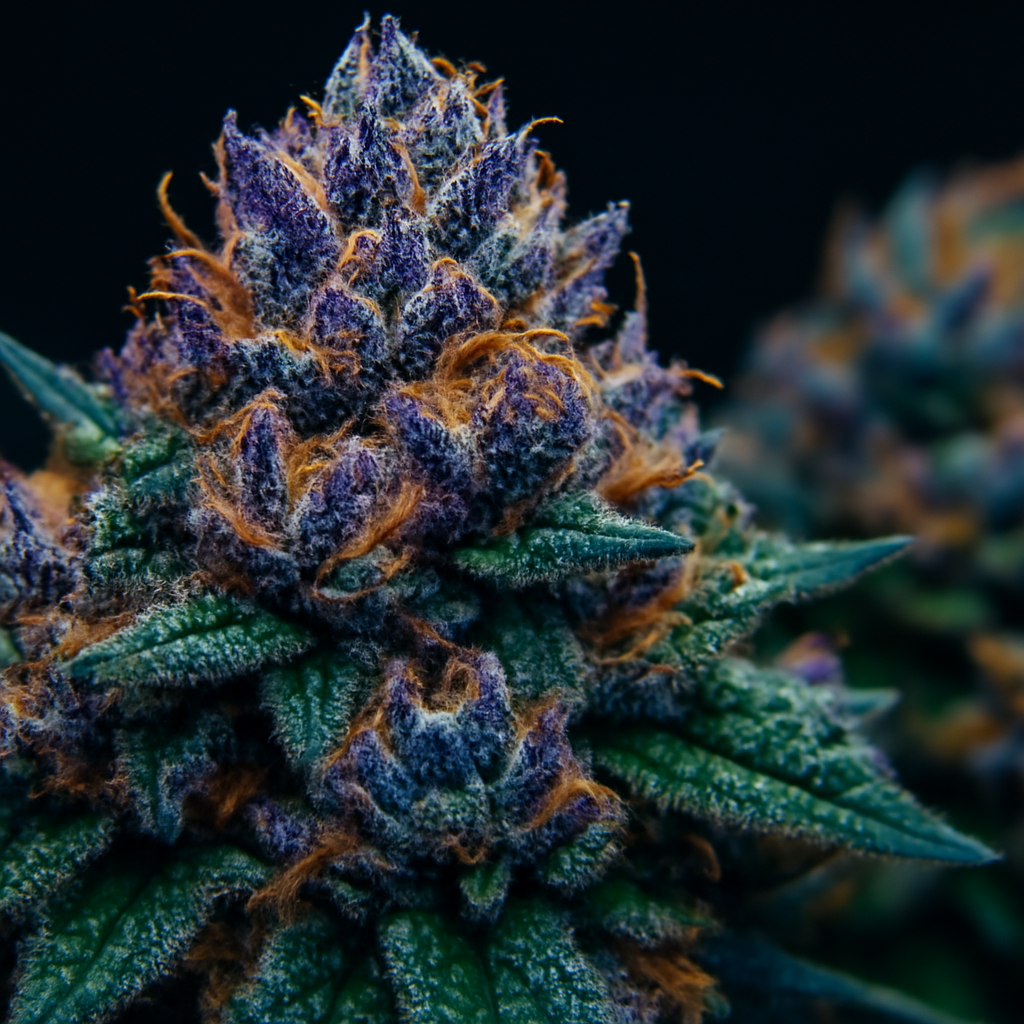
The name isn't marketing fluff. Break open a nug and the room smells like solvent and sweet fruit — a sharp, almost chemical edge layered over creamy dessert notes. That character comes from a caryophyllene-forward terpene stack with limonene and myrcene playing supporting roles. If you want to dig into how those terpenes interact, the Terpene Explorer gives you a solid breakdown.
Permanent Marker Genetics at a Glance
- Lineage: Biscotti × Jealousy × Sherb Bx
- THC: 25–30%
- CBD: 0–1%
- Dominant terpenes: Caryophyllene (0.6–1.2%), Limonene (0.3–0.8%), Myrcene (0.2–0.6%), Humulene (0.1–0.3%)
- Flowering time: 8–10 weeks
- Indoor yield: 400–600 g/m²
- Outdoor yield: 700–850 g/plant
- Outdoor harvest: Early–mid October (Northern Hemisphere)
Growing the Permanent Marker Strain Indoors: Key Parameters
Permanent Marker grows medium-tall and stretches noticeably in the first two weeks of flower — expect 40–60% height increase from flip. A 90 cm plant at flip can easily push 140 cm by week 3. Keep that in mind when planning your light height and tent space. Use the Grow Light Calculator to make sure your PPFD coverage actually matches your canopy footprint.
Lighting and Environment
- Veg PPFD: 400–600 µmol/m²/s
- Flower PPFD: 900–1,000 µmol/m²/s
- CO₂: Supplement to 1,200–1,500 ppm when pushing PPFD above 800 µmol/m²/s
- Day temp: 21–27°C (70–80°F)
- Night temp: 18–20°C — a 5–8°C drop late in flower encourages purple hues and terpene expression
- RH in flower: 35–45% — this strain builds dense, sticky colas that trap moisture and invite botrytis fast
- VPD target: 1.0–1.5 kPa in flower
Airflow isn't optional here. Run at least two oscillating fans inside the canopy and make sure there's direct movement across every main cola site. Botrytis will find the still spots before you do.
Training the Permanent Marker Strain
Top at node 5 or 6 during week 2–3 of veg. Start LST immediately after the plant recovers (usually 3–4 days). If you're running multiple plants, SCROG is the most efficient way to manage the uneven canopy this strain tends to produce. SOG works well too if you're running clones at higher density — 16 plants/m² in 3L pots flipped at 20–25 cm will fill a net fast.
For a deeper look at topping versus other canopy methods, check the Fimming vs Topping guide. For scheduling your training around your full grow timeline, the Grow Schedule Planner is worth mapping out before you start.
Nutrients for Permanent Marker: Feed It Like It Means It
This strain is a genuine heavy feeder. It will show you calcium and magnesium deficiencies before most strains do — yellowing between leaf veins mid-flower is the first warning sign. Don't wait for it. Prophylactic CalMag at 2–3 ml/L from week 2 of flower is standard practice on Permanent Marker runs.
Nutrient Schedule Targets
| Stage | EC (soil) | pH (soil) | Key focus |
|---|---|---|---|
| Early veg | 1.2–1.6 | 6.0–6.5 | Nitrogen, root development |
| Late veg / transition | 1.6–2.0 | 6.0–6.5 | Balanced NPK, CalMag |
| Early flower (wk 1–3) | 1.8–2.2 | 6.0–6.3 | Phosphorus ramp-up, CalMag |
| Peak flower (wk 4–7) | 2.0–2.4 | 6.0–6.2 | P/K peak, elevated CalMag |
| Late flower / flush (wk 8–10) | 0.8–1.2 | 6.0–6.2 | Fade, terpene development |
If you're running coco, tighten the pH band to 5.8–6.0 across all stages. Permanent Marker is sensitive to pH drift — a fluctuation of more than 0.3 above or below target can lock out the micronutrients that drive terpene synthesis in the final weeks. If you're seeing something that doesn't look like a deficiency you can name, run it through the Nutrient Deficiency Identifier.
For seedling-stage nutrition before the heavy feeding kicks in, the Best Nutrients for Cannabis Seedlings article covers the early-stage approach well.
Permanent Marker Indoor Grow Timeline
Harvesting the Permanent Marker Strain
Don't rush the chop. Permanent Marker is one of those strains where the last 10–14 days of flower make a real difference to the terpene profile. Harvest too early and the sharp, marker-like aroma flattens out. The target is mostly cloudy trichomes with 10–20% amber — check every 2–3 days from week 8 onward. A 60× jeweler's loupe works fine; a digital microscope makes the call much easier and costs under $30.
Watch the pistils too: 70–80% orange/red is a useful secondary indicator, but trichome maturity is always the primary data point.
Drying and Curing
Dense colas need slow, consistent drying — not the 4-day rack-dry you can get away with fluffier strains. Target 64–70°F (18–21°C) and 50–60% RH for 7–10 days. Whole-branch drying slows the process and preserves terpenes better than trimmed buds on a rack. Stems should snap, not bend, before you jar.
Cure in airtight glass jars, burping once daily for the first week, then drop to once every few days for another 2–4 weeks. The solvent-and-cream aroma that makes this strain recognizable develops significantly during cure — week 3 smells noticeably better than week 1. Use the Dry & Cure Timer to track your windows precisely.
Outdoor Growing Notes
In a Mediterranean or similar warm climate, Permanent Marker finishes outdoors in early to mid-October. Under full sun and unrestricted root space, 700–850 g/plant is achievable. The same mold risk that exists indoors applies outdoors: if you're heading into a wet October, harvest slightly early (80–90% cloudy trichomes, minimal amber) rather than lose colas to botrytis. Greenhouse growing in marginal climates gives you the best of both worlds.
What to Expect from the High
At 25–30% THC, the effect is heavy and long-lasting. The caryophyllene gives a body-relaxing, slightly sedative undertone while limonene contributes an uplifted, mood-elevating edge early in the experience. It's not a daytime strain for most people. Expect 2–3 hours of strong effect before it settles into a relaxed, comfortable finish. The terpene combination is part of why concentrates from this strain have taken off — the extract market picked up on the distinctive aromatic profile quickly.
You can browse grow journals from other cultivators running this strain at Permanent Marker grows on Grow Guide.
Permanent Marker Terpene Profile Visualized
Common Problems on Permanent Marker Grows
- Botrytis in dense colas: The most common issue. Keep RH below 45% in flower, increase airflow, and consider a light defoliation of interior bud sites at week 3 of flower.
- CalMag deficiency: Shows as interveinal chlorosis from week 4 onward. Raise CalMag to 3–4 ml/L if you see early signs. In coco, consider 5 ml/L prophylactically.
- pH lockout: This strain punishes sloppy pH management. Check your runoff at every feed from week 2 of flower onward. Drift above 6.5 in soil and you'll start losing phosphorus uptake exactly when the plant needs it most.
- Mid-flower stretch: If you didn't run a SCROG net, supercropping at the start of stretch (days 7–10 of flower) is a fast fix for tops breaking through the canopy.
For a broader look at indoor cultivation technique, the How to Grow Good Weed Indoors guide covers environment fundamentals that apply directly to this strain.
Want to model your expected return before you start? Run your numbers through the Yield Calculator — and the Cost Per Gram Calculator is useful once you're tracking inputs across a run.
Frequently Asked Questions
How long does the permanent marker weed strain take to flower?
Permanent Marker flowers in 8–10 weeks indoors. Most phenotypes hit peak trichome maturity at the 9-week mark. Don't pull early — the final 7–10 days contribute significantly to terpene development and the characteristic solvent-meets-cream aroma.
What yield can I expect from Permanent Marker indoors?
400–600 g/m² is realistic indoors under 900–1,000 µmol/m²/s PPFD with proper training (SCROG or topped and LST'd plants). Hitting the top end of that range requires dialled environment, consistent feeding, and CO₂ supplementation above 1,200 ppm. Use the Yield Calculator to factor in your specific setup.
Is the permanent marker strain hard to grow?
It's intermediate difficulty. The genetics are solid and the plant responds well to training, but it's sensitive to pH swings, prone to CalMag hunger, and requires active humidity management late in flower. Growers who've run one or two previous crops shouldn't find it unmanageable.
What soil pH should I use for Permanent Marker?
Keep soil pH at 6.0–6.5, targeting closer to 6.0–6.2 in peak flower when phosphorus demand is highest. In coco, tighten that to 5.8–6.0 throughout. Check runoff pH at least every second feed from week 3 of flower onward.
Why does Permanent Marker smell like a marker pen?
The distinctive solvent-like aroma comes from the high caryophyllene content (0.6–1.2%) interacting with limonene and myrcene from its Biscotti and Sherb Bx heritage. The chemical sharpness develops most fully during a proper 3–4 week cure — rushed drying flattens it noticeably.
References
- Leafly Editorial Team (2023). Strain of the Year: Permanent Marker. Leafly named Permanent Marker its Strain of the Year, citing its distinctive terpene profile and rapid consumer adoption. leafly.com
- Strainpedia (2024). Permanent Marker Strain Profile. Documents THC range of 25–30%, dominant terpene percentages, and pH sensitivity observations from cultivator-reported data. strainpedia.com
- Blimburn Seeds (2024). How to Grow Permanent Marker Strain. Cultivation guide outlining PPFD targets (900–1,000 µmol/m²/s in flower), CO₂ supplementation thresholds, and environmental recommendations. blimburnseeds.com
- Medusa Filters (2024). Permanent Marker Strain: Drying and Curing. Recommends 64–70°F / 50–60% RH drying over 7–10 days and 2–4 week cure with daily burping for optimal terpene preservation. medusafilters.ch
- Breeders Collective (2025). Strain Profile: Permanent Marker. Notes ongoing breeding work in 2025–2026 to stabilize genetics for improved yield consistency and resilience, and documents extraction community interest in its terpene profile. breederscollective.com