What Is Royal Queen Seeds and Why It Matters for Your Grow
Royal Queen Seeds is one of Europe's most established cannabis seed banks, with a catalogue spanning feminized, autoflowering, and CBD-dominant genetics. Whether you're running a RQS photoperiod like Royal Gorilla or an autoflower like Royal Dwarf, the cultivation fundamentals are the same — but the margins between a good harvest and a great one come down to dialling in specific numbers at each stage. This guide walks you through every phase, from cracking seeds to opening the cure jar, using the exact parameters RQS genetics respond to best.
Of the 1,000 grow journals tracked on Grow Guide, 734 are indoor grows and 633 use soil as their medium — the exact setup most Royal Queen Seeds cultivators start with. That data shapes the practical advice below.
Germinating Royal Queen Seeds Genetics
Start in a dark environment at 22–25°C (72–77°F) with relative humidity between 70–90%. RQS recommends either the glass-of-water method or the paper towel method — both work, but the paper towel gives you a visual check on taproot length before transplanting. Taproots should hit 1–2 cm before they go into the medium. Most RQS seeds crack and show a taproot within 3–5 days; if you're at day 6 with nothing, check your temperature — cold germination is the most common culprit.
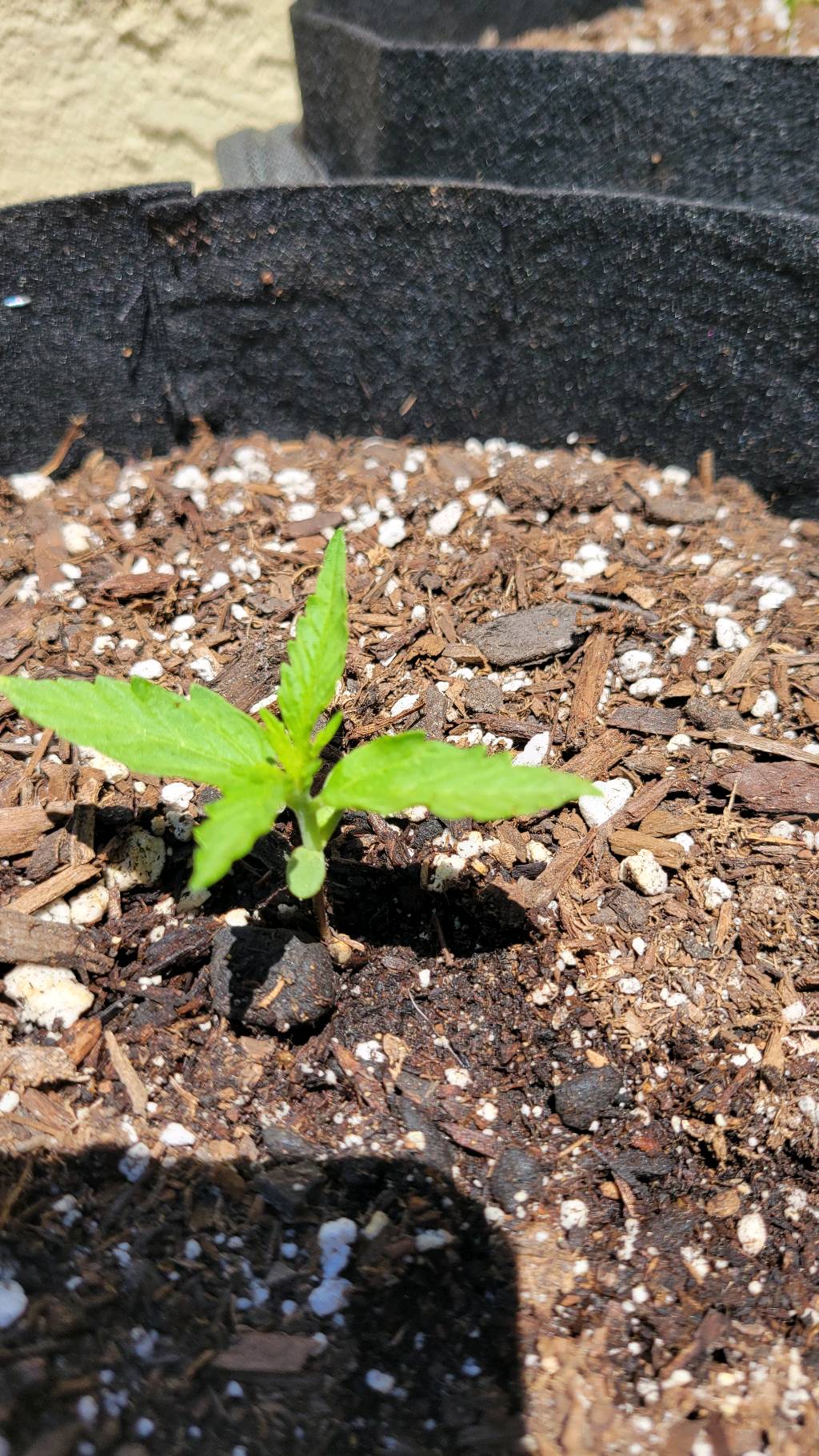
Once the seedling is in medium, lower humidity gradually to 60–70% and feed nothing but pH-adjusted water (6.0–6.5 in soil) for the first week. EC at seedling stage should stay at 0.4–0.8 max. Burning a seedling with nutrients is one of the top mistakes new growers make. See our guide to seedling nutrients for the exact products and timing.
Vegetative Stage: Environment and Feeding Targets for Royal Queen Seeds Strains
RQS photoperiod strains need 18 hours of light per day in veg. Keep temps at 20–26°C and VPD in the 0.8–1.2 kPa range with relative humidity at 50–60%. Sativa-dominant RQS genetics (like Amnesia Haze) can handle the upper temperature range; indica-dominant plants prefer staying closer to 20–22°C.
Feeding in veg: Use a nitrogen-forward nutrient profile. EC should build from 0.8 at week 1 post-seedling to 1.6 by mid-veg. Always pH your solution to 5.8–6.2 in soil. A common mistake is chasing pH in the 7.0 range — that locks out calcium and magnesium fast in RQS genetics. If you see interveinal chlorosis in veg, run your symptoms through the Nutrient Deficiency Identifier before adding anything.
Training: Most RQS photoperiod strains respond well to topping and LST in veg. Top after the 4th–5th node for a wider, flatter canopy. Autoflowering RQS varieties — like Royal Dwarf or Royal Gorilla Auto — should only receive gentle LST; no topping unless the plant is ahead of schedule. See our fimming vs topping comparison for more detail.
Flowering Stage: Dialling In Light, Humidity, and Nutrients
Switch to 12/12 to trigger flowering in RQS photoperiod strains. The flip date determines your entire harvest window, so plan it in advance using the Grow Schedule Planner. Most RQS indica-dominant strains finish in 7–9 weeks of flower; sativa-heavy genetics can push to 10–12 weeks.
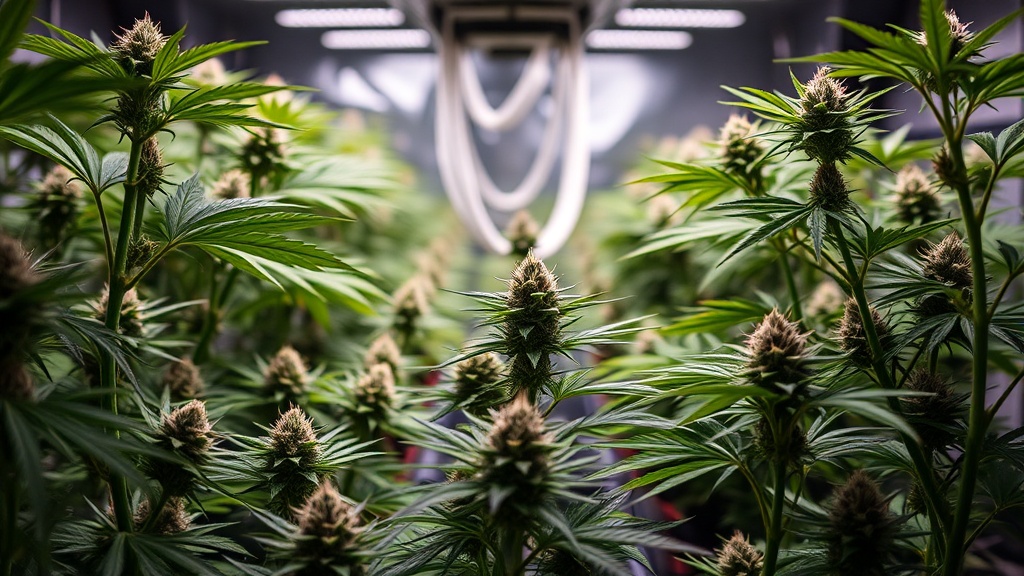
Environment in flower: Target temps of 20–26°C lights-on, dropping 5–8°C at lights-off to boost terpene and resin development in the final two weeks. Humidity must come down to 40–50% in early flower and ideally 35–45% in late flower to prevent botrytis — a real risk with the dense bud structure on strains like Critical or Cookies. VPD target in flower: 1.2–1.6 kPa.
PPFD targets: Push 600–800 µmol/m²/s in early flower, ramping to 800–1,000 in mid-to-late flower for photoperiod grows. Use the Grow Light Calculator to verify your fixture's actual footprint before going above 900 µmol without CO₂ supplementation.
Nutrients in flower: Transition to a phosphorus- and potassium-heavy profile at week 1–2 of flower. EC can run 1.6–2.0 through mid-flower. Taper down EC to 1.0–1.2 in the final two weeks. Royal Queen Seeds recommends a pH-adjusted plain water flush for the last 1.5–2 weeks to clear residual mineral buildup — especially important in coco or heavy hydro grows.
Watering Royal Queen Seeds Plants Correctly
Overwatering kills more Royal Queen Seeds grows than any pest or deficiency. In soil, let the top 3 cm (roughly 1.2 inches) dry out before watering again. Lift your pot — a light pot means it's time to water, a heavy pot means skip it. With 633 of our tracked grows in soil and 547 using manual feeding, most growers are hand-watering, which means this check is your most important daily task.
Signs you've gone too far: leaves drooping downward like a claw (overwater) versus wilting and crispy-tipped (underwater). Overwatered RQS plants will also show yellowing from the bottom up and slow growth. If roots are already sitting wet, hold water for 2 days and increase airflow over the medium surface. In coco — used by 149 of our tracked growers — daily or twice-daily fertigation at 10–15% runoff keeps EC from building in the root zone.
Identifying and Fixing Common Nutrient Problems in Royal Queen Seeds Grows
The three most common deficiencies in RQS genetics, in order of frequency:
- Nitrogen deficiency: Yellowing starts at the lowest, oldest leaves and progresses upward. Fix by increasing your N-heavy veg feed or checking pH — if you're above 6.8 in soil, nitrogen uptake tanks.
- Potassium deficiency: Brown, scorched edges on fan leaves, especially mid-canopy. Often confused with nutrient burn. Check your EC — if it's already above 2.0, the issue is lockout, not lack of potassium.
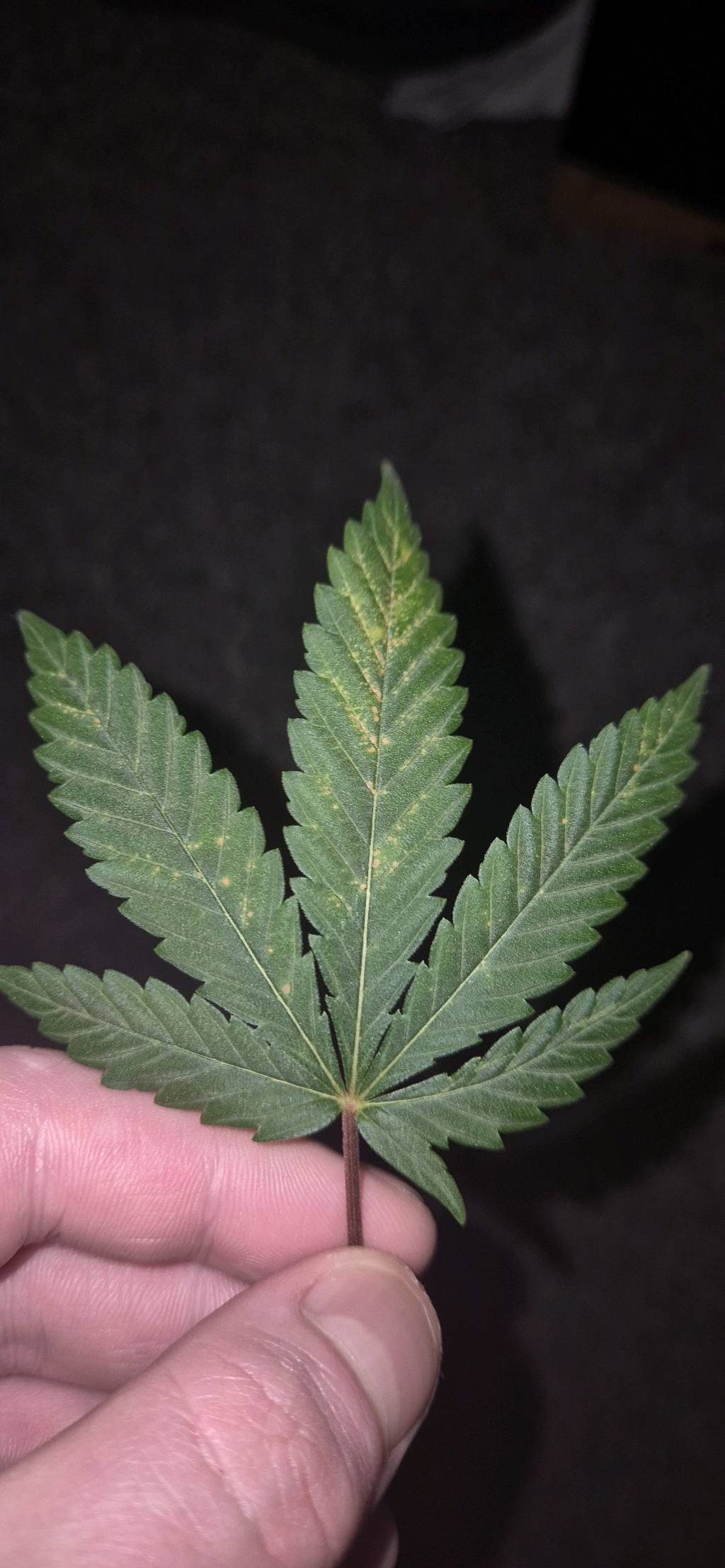
- pH-induced lockout: Brown spots scattered across leaves, multiple deficiencies appearing at once. The fix is always pH first — get your solution to 5.8–6.2 in soil, 5.5–6.0 in coco/hydro. Use the Nutrient Deficiency Identifier to confirm before reaching for bottles.
For organic growers, our best organic nutrients guide covers which amendments pair well with RQS soil grows specifically.
Harvesting Royal Queen Seeds Strains: Trichome and Pistil Timing
Don't rely on the breeder's advertised week count alone — it's a guideline, not a guarantee. Harvest when at least 70–80% of pistils have darkened and curled in, AND your trichomes under a loupe or microscope show mostly cloudy/milky white with 10–20% amber. All-milky trichomes = peak THC but lighter effect. Amber trichomes = THC converting to CBN, heavier, more sedative effect. For most Royal Queen Seeds strains, that sweet spot is 2–5% amber on the main colas.
Flush with pH-adjusted plain water for 1.5–2 weeks before harvest. This isn't just about taste — it also helps the plant complete its natural senescence, which can push trichome development in the final days. Check your runoff EC: when it drops close to your input EC, the flush is working.
Drying and Curing Royal Queen Seeds Harvests
Cut the whole plant or large branches and hang upside down in a dark room at 15°C (60°F) and 60% relative humidity. No fans blowing directly on buds — indirect airflow only. At these conditions, most RQS harvests will dry in 7–14 days. The test: small stems should snap cleanly, not bend. Large stems can still flex. If your environment is warmer or drier, drying can rush to 5 days — that's too fast and will lock in chlorophyll. Slow drying always produces smoother smoke.
Once dry, trim and pack into glass mason jars at 75% capacity. Burp twice daily for the first 7–10 days, then once daily for weeks 2–5. Minimum cure is 2 weeks to be smokeable; 4–8 weeks is where Royal Queen Seeds genetics really express their terpene profiles. Track your cure windows precisely with the Dry & Cure Timer — it notifies you when to burp and logs your progress automatically.
Storing cured flower at 18°C and 58–62% RH (using Boveda or Integra Boost packs) will preserve potency for 6–12 months without significant degradation.
Estimating Your Royal Queen Seeds Yield Before Harvest
Yield depends on genetics, training method, light intensity, and veg time. As a rough baseline: RQS indica photoperiods under a 600W HPS in a 1.2×1.2m tent average 350–500g/m² with proper training and full-term veg (6–8 weeks). Autoflowers average 50–150g per plant. Use the Yield Calculator to input your specific setup and get a range calibrated to your grow conditions — it accounts for light output, canopy size, and grow method.
If you want to track your full grow from germination to harvest and compare it against similar setups, a structured grow diary is the fastest way to identify what's limiting your yields cycle over cycle.
Frequently Asked Questions
How long do Royal Queen Seeds photoperiod strains take from seed to harvest?
Most RQS photoperiod strains take 16–24 weeks total: 1 week germination, 1–2 weeks seedling, 4–8 weeks veg (your choice), and 7–12 weeks flower depending on the genetics. Indica-dominant strains like Royal Gorilla typically finish in 8–9 weeks of flower; sativa-heavy strains like Amnesia Haze can push 11–12 weeks.
What pH should I use for Royal Queen Seeds soil grows?
Target pH 5.8–6.2 for both water and nutrient solution in soil. Letting pH drift above 6.8 locks out nitrogen, iron, and manganese — three deficiencies that appear frequently in RQS indica strains. Check runoff pH every 2–3 waterings to catch drift early.
Do Royal Queen Seeds autoflowers need flushing before harvest?
Yes, though the flush window is shorter. Run pH-adjusted plain water for the final 7–10 days rather than 2 weeks, since autoflowers have a compressed timeline. Watch for leaf fade accelerating — that's the plant naturally completing senescence, which is your signal that flush is working.
What EC should I feed Royal Queen Seeds plants in mid-flower?
EC 1.6–2.0 in mid-flower covers the peak nutrient demand period. Begin tapering to 1.0–1.2 in the final 2 weeks before flush. In coco, stay closer to the lower end (1.4–1.8) and rely on daily feeding frequency rather than high EC to hit your target — this prevents salt accumulation and tip burn.
How do I know when Royal Queen Seeds buds are fully cured?
The smell shifts from harsh and grassy to smooth and terpene-forward — floral, citrus, diesel, or whatever the strain's genetic profile expresses. When you open the jar and there's no ammonia or hay smell, and the buds feel slightly springy rather than brittle or sticky-wet, the cure is progressing correctly. Most RQS strains hit that quality threshold at 4–6 weeks in the jar.
References
- Royal Queen Seeds (2026). Top 10 Biggest Mistakes Made by Cannabis Growers — documents common germination and overwatering errors, recommending 22–25°C and 70–90% RH for seed cracking and the top-3cm soil dryness test for watering. royalqueenseeds.com
- Royal Queen Seeds (2026). Let's Get Started: Cultivation Basics — outlines the 1.5–2 week pre-harvest flush with pH-adjusted water and core environmental targets across veg and flower. royalqueenseeds.com
- Seeds Here Now (2026). Cannabis Harvest and Cure Guide — establishes 15°C/60% RH drying parameters, 7–14 day drying window, and the 75%-full glass jar cure protocol with 4–8 week optimal cure duration. seedsherenow.com
- Canappio (2026). The Most Common Problems in Cannabis Cultivation — details pH 5.8–6.2 target range and deficiency symptoms for nitrogen and potassium in cannabis grown in standard soil media. cannapio.com
- Grow Guide Platform Data (2026). Internal grow journal analytics across 1,000 tracked grows — 734 indoor grows, 633 soil grows, and 547 manual-feed setups inform the watering and feeding advice throughout this guide. growguide.app