What Is Panama Red?
Panama Red is one of the most storied landrace sativas in cannabis history. Originating from the highlands of Panama, it dominated the black market of the 1960s and 1970s before high-THC hybrids displaced it. Today, it's back in the hands of dedicated cultivators who want to grow something with genuine genetic heritage — not just the highest number on a lab report. If you're tracking a grow journal for this strain, you can browse Panama Red grows on Grow Guide to see how others are managing this beast.
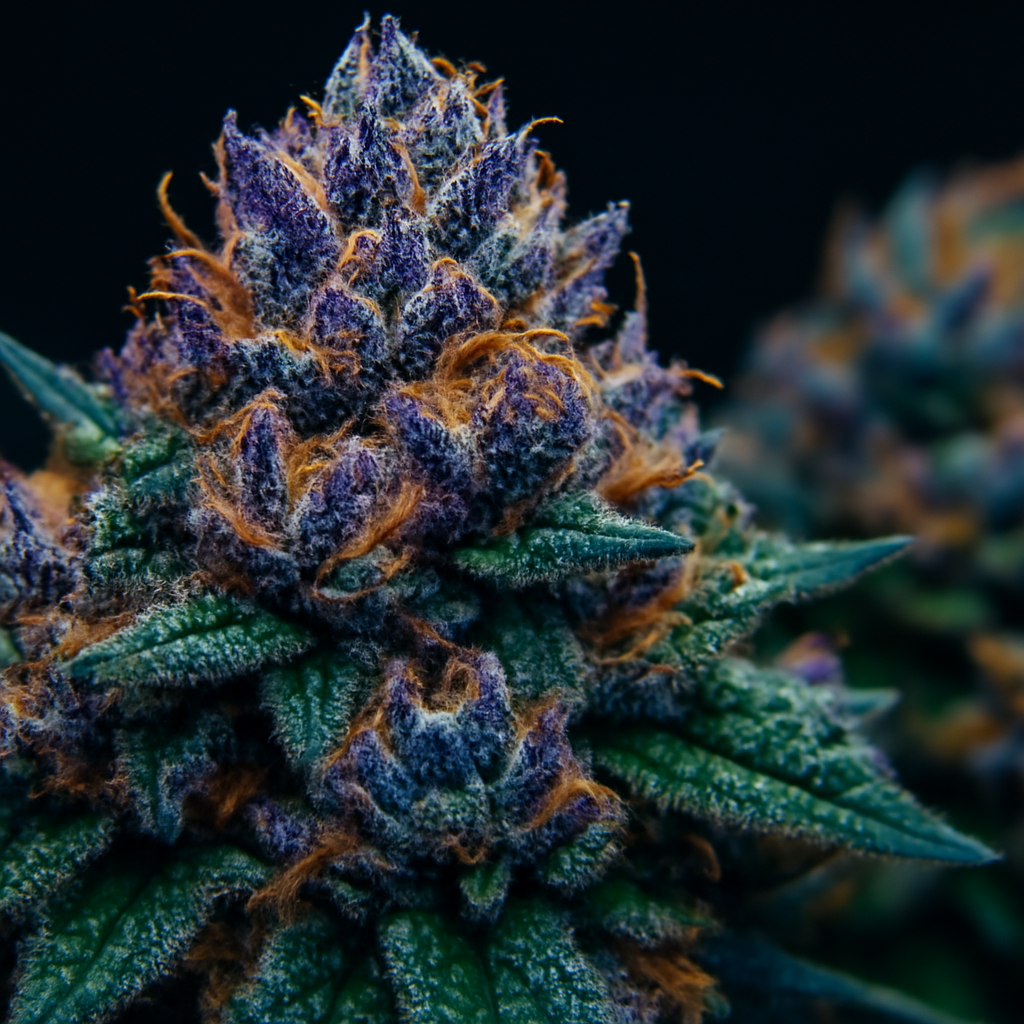
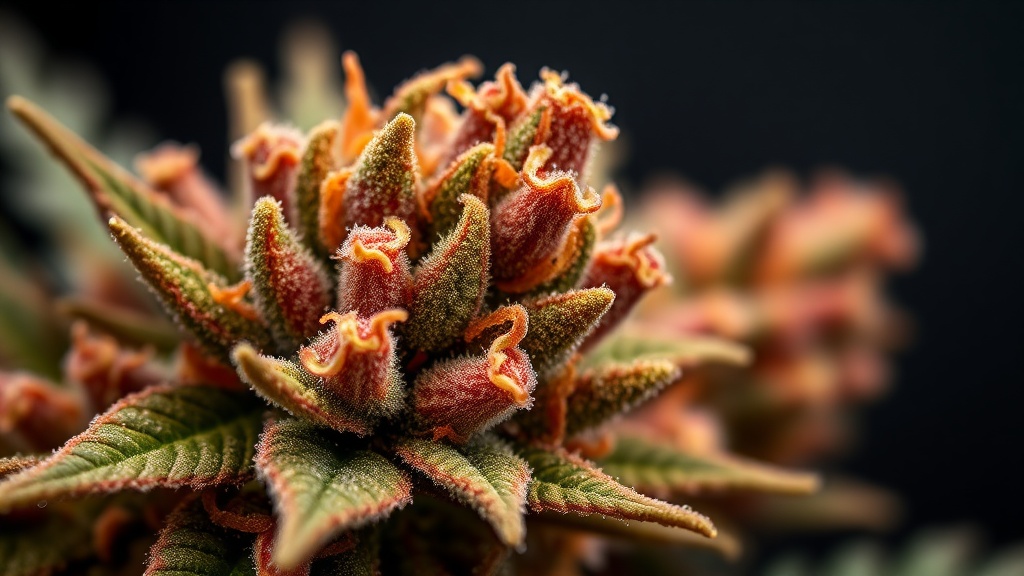
What makes Panama Red difficult — and worth it — is the same thing: it's a full-expression pure sativa. That means a vegetative stretch that won't quit, a flowering window that tests your patience, and airy, resin-dusted buds with rust-red pistils that look unlike anything in a modern seed catalogue. The reward is a clear-headed, energetic effect profile and a complex terpene signature that no hybrid has quite replicated.
Panama Red Grow Stats at a Glance
| Metric | Indoor | Outdoor |
|---|---|---|
| Height | 60–80 inches (managed) | 90+ inches |
| Flowering Time | 14–16 weeks | Late November harvest |
| Yield | Moderate (1–1.5 oz/ft²) | High potential (2–4 oz/plant) |
| Optimal Temp | 20–25°C (68–77°F) | Tropical/Mediterranean |
| Optimal RH (flower) | 40–50% | 40–50% |
| Harvest Trichome Window | Mostly milky, few amber | Same |
Indoor Growing Panama Red: Managing the Stretch
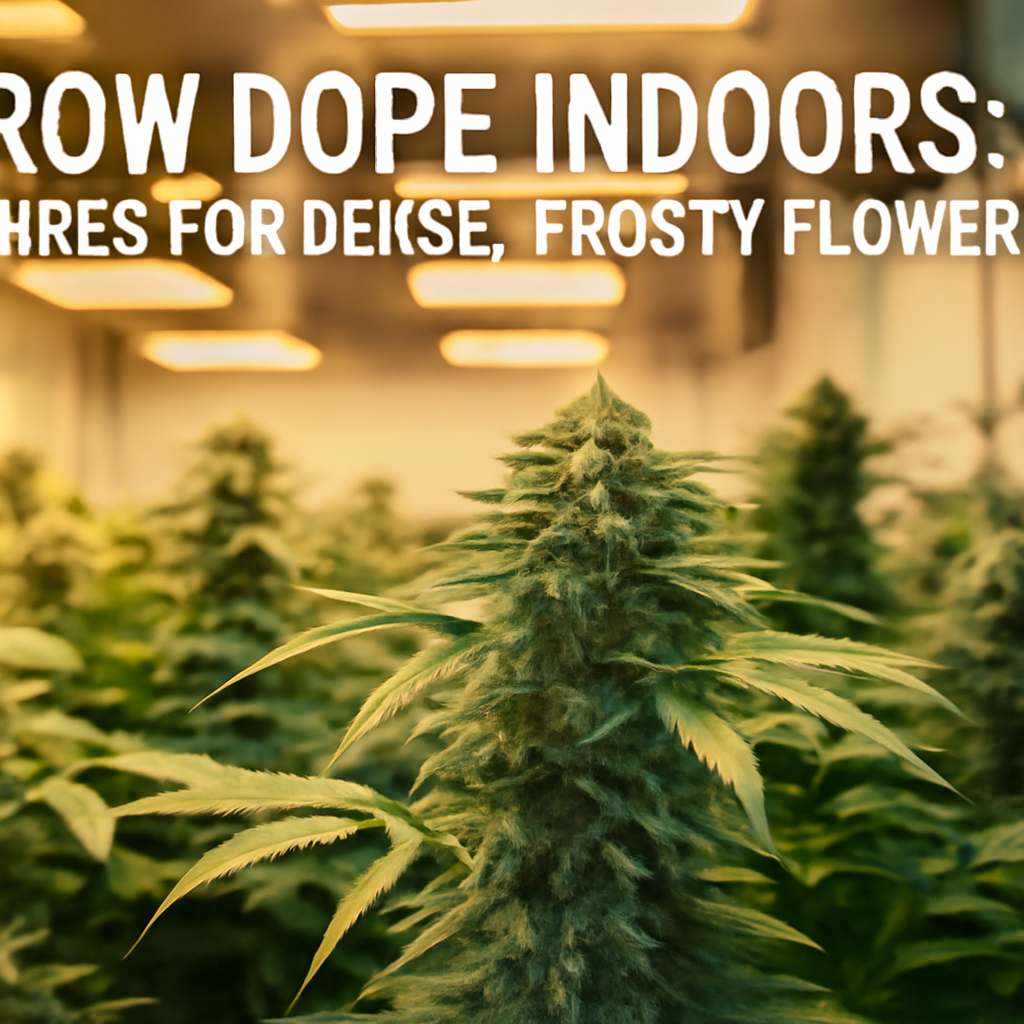
Growing Panama Red indoors is a legitimate training challenge. Left unchecked, this strain will hit the lights — full stop. Start the flip to 12/12 when plants are no taller than 18–20 inches, because you'll see a 2–3× stretch during early flower. That means a plant that's 18 inches at flip can finish at 54 inches or more. Plan your canopy height accordingly, and set up your Grow Light Calculator to ensure your PPFD stays in the 600–900 µmol/m²/s range during veg and 900–1100 µmol/m²/s in flower without burning tops.
Training Panama Red with SCROG
Screen of Green (SCROG) is the most effective method for Panama Red indoors. Install a 150mm mesh screen about 40–50cm above your pots and begin weaving branches through as they grow. The goal is a flat, even canopy that maximizes light interception across those long internodes. Aim to fill the screen to 70% before flipping — this typically takes 6–8 weeks of veg from transplant depending on pot size and light intensity.
Top or FIM early — by week 3–4 of veg — to create multiple colas before they get ahead of you. Our Fimming vs Topping guide has specifics on timing and recovery windows. Panama Red responds well to both techniques, but topping gives you more predictable symmetry for SCROG work.
Light and Environment
- Veg PPFD: 600–800 µmol/m²/s, 18/6 photoperiod
- Flower PPFD: 900–1100 µmol/m²/s, 12/12
- Temperature: 20–25°C lights-on, drop 2–4°C lights-off to encourage resin production
- VPD: 0.8–1.0 kPa in veg, 1.2–1.6 kPa in flower
- RH: 55–65% veg, dropping to 40–50% through flower, finishing at 40–45% in late flower to reduce any mold risk
Panama Red's open bud structure is genuinely forgiving compared to dense-nugget hybrids — bud rot is less of a threat — but don't let that make you sloppy. Maintain horizontal airflow across the canopy and keep dead leaves cleared from the interior. Stagnant air pockets in a long-running sativa grow invite powdery mildew, especially in the humid early weeks of flower.
Outdoor Growing Panama Red
Outdoors is where Panama Red truly belongs. In a warm, Mediterranean or subtropical climate, it can reach 90–120 inches and produce extraordinary yields. The catch: it's photoperiod and a late finisher. Outdoor harvests typically land in late November in the Northern Hemisphere, which can be a frost risk depending on your latitude.
Plant out after your last frost date and give each plant at least 1.5–2m² of ground space. Drive T-posts at planting time and run horizontal netting in two or three tiers as the plant grows — Panama Red develops heavy, elongated colas on long lateral branches that will snap without support once buds start to fatten. Use rich, loamy, well-draining soil amended with compost and aged worm castings. Organic additives can meaningfully increase your final yield, and they're particularly well-suited to this strain's long season.
According to Grow Guide platform data, 170 out of 1,000 tracked grows are outdoor — a small but committed group, and Panama Red is exactly the kind of strain that makes outdoor growing worth the logistics.
Nutrients for Panama Red
This strain has a long metabolic runway, so feed accordingly through each stage rather than rushing transitions.
Vegetative Stage
Run a high-nitrogen base feed at EC 1.4–1.8 (in coco or hydro) or equivalent soil-appropriate doses. A Cal-Mag supplement is worthwhile from the start if you're on RO or soft water — Panama Red is a hungry, fast-growing sativa and calcium deficiency shows up as brown leaf margin speckling in fast-growing tips. For seedling nutrition specifics, see our guide on best nutrients for cannabis seedlings.
Flowering Stage
Flip your nutrient ratio at week 2 of flower: step nitrogen back, push phosphorus and potassium up. A typical flowering EC in coco or hydro runs 1.8–2.2. In soil, top-dress with a bloom booster and let the microbial activity do the work. Keep pH in the 6.0–7.0 range for soil (6.2–6.8 ideal), or 5.8–6.2 in coco/hydro. Don't attempt to rush finish with a hard flush too early — Panama Red needs every one of those 14–16 weeks to fill out. A two-week pre-harvest flush is reasonable.
If leaves start showing unexpected discolouration mid-flower, run them through the Nutrient Deficiency Identifier before pulling the trigger on a feed adjustment. Sativa leaf shape can make visual diagnosis tricky compared to indica-dominant plants.
For organic nutrient options that suit a long-season sativa like Panama Red, our best organic nutrients guide covers slow-release amendments that work well across extended grows.
Harvest Timing for Panama Red
Don't rush this. Panama Red builds slowly, and the bud structure stays airy longer than you'd expect from a modern strain. Use a loupe or digital microscope to check trichomes rather than relying on pistil colour or breeders' week estimates — those are guidelines, not guarantees.
Target harvest when:
- 70–80% of trichomes are milky white (cloudy)
- 10–20% have turned amber
- Remaining trichomes still clear-ish but transitioning
Harvesting with more amber gives you a heavier, more sedative effect — less true to the classic Panama Red experience. The legendary cerebral, energetic high comes from that milky-white-dominant window. Check every 3–4 days once you're in the final two weeks.
Use the Grow Schedule Planner to map out your flip-to-harvest timeline at the start of the grow so you're not making decisions under pressure at week 14.
Drying and Curing Panama Red
Panama Red's airy sativa buds dry faster than dense hybrids — and that's a trap. Faster drying doesn't mean better drying. You still want a slow, controlled process to preserve the full terpene profile.
Drying
- Temperature: 15–18°C (59–64°F)
- RH: 58–62%
- Duration: 10–14 days — the lighter bud structure may tempt you to pull early, but wait until small stems snap cleanly rather than bend
- Environment: Dark room, gentle airflow (not blowing directly on buds)
Curing
This is where Panama Red earns its reputation. The earthy, spicy, incense-like terpene profile only fully develops through a proper extended cure. Load trimmed buds into wide-mouth glass jars at 58–62% RH (use Boveda packs if needed), and burp daily for the first two weeks to release moisture and CO₂. From week three onward, burping every 2–3 days is sufficient.
Minimum cure: 4 weeks. Optimal cure: 6–8 weeks. At eight weeks, Panama Red's complex terp profile is markedly more developed than at four — if you have the patience, it's worth it. Use the Dry & Cure Timer to track burping schedules and RH readings so nothing slips through the cracks during the cure window.
Common Panama Red Troubleshooting
Height Management
If your plant is outrunning the canopy despite training, super-cropping is your fastest intervention. Pinch and gently bend the main stem or dominant branches at a 90° angle — the stem will knuckle and heal, and you'll redirect energy laterally. Do this early in flower (weeks 1–3 only) to avoid stressing the plant during peak bud formation.
Pest Pressure
Spider mites and whiteflies are the most common threats, particularly in warm, low-humidity environments that Panama Red prefers. Introduce predatory mites (Phytoseiulus persimilis for spider mites, Amblyseius swirskii for whiteflies) as a preventive measure from week 2 of veg onward. IPM beats reactive spraying every time on a long-season grow — you don't want to be applying foliar treatments at week 12 of flower.
Slow Bud Development
Panama Red buds look sparse well into flower. This is normal — sativa bud structure doesn't fill out the same way indica-dominant plants do. If you're second-guessing the grow at week 10 of flower, check trichomes and hold your nerve. Premature harvest is the single most common mistake with this strain.
To estimate your expected yield and plan whether the grow pencils out, run your numbers through the Yield Calculator before harvest.
Keeping a Panama Red Grow Journal
A 14–16 week flower period generates a lot of data points. Logging environment readings, nutrient EC, and weekly growth observations makes troubleshooting far easier when issues arise at week 11. See our complete grow diary guide for a structured approach to journaling long-season grows — the principles apply directly to a strain like Panama Red where pattern recognition across weeks matters.
Frequently Asked Questions
How long does Panama Red take to flower?
Panama Red has one of the longest flowering windows of any cannabis strain: 14–16 weeks (roughly 98–112 days) from the flip to 12/12 lighting. Outdoor plants finish in late November in the Northern Hemisphere. Don't attempt to harvest early — the final weeks are when bud density and terpene production peak.
How tall does Panama Red get indoors?
Without training, Panama Red will reach 60–80 inches indoors and can exceed that with generous veg time. Flip at 18–20 inches and use a SCROG setup to cap height and spread the canopy evenly. Expect a 2–3× stretch through early flower regardless of training.
Is Panama Red suitable for beginner growers?
It's not the easiest first grow — the extended flowering time, aggressive stretch, and training requirements demand more experience and patience than most modern hybrid strains. That said, its open bud structure offers some forgiveness on humidity and airflow. If you're newer to growing, running a simpler indica-dominant strain in parallel gives you a useful comparison baseline.
What makes Panama Red's effects different from modern strains?
Panama Red is a pure sativa landrace with a terpene profile dominated by earthy, spicy, and incense-like compounds rather than the fruity or fuel-forward terps common in modern hybrids. The effect is characteristically cerebral, clear-headed, and energetic — distinct from the heavy, sedative profiles common in high-THC hybrids. A proper 6–8 week cure brings this profile out fully.
What yield should I expect from Panama Red?
Indoors with SCROG training, expect 1–1.5 oz/ft² — moderate by modern standards, but the bud quality and uniqueness justify the grow space. Outdoors in ideal conditions, well-supported plants can yield 2–4 oz each. Use the Yield Calculator to model your specific setup before you commit to a full season.
References
- Wikipedia Contributors (2026). Panama Red — overview of the strain's history, origin from Panama, and cultural prominence during the 1960s–70s. en.wikipedia.org/wiki/Panama_red
- Dutch Seeds Shop (2026). Panama Red Strain Grow Guide — nutrient stage recommendations including high-nitrogen veg feeding and phosphorus-rich bloom transition. dutchseedsshop.com
- Weedpedia (2026). Panama Red Strain — documented height ranges of 60–80 inches indoors and 90+ inches outdoors for this pure sativa landrace. weedpedia.org
- Iris Global Blog (2026). Panama Red Strain: A Classic Sativa's Legacy — cultivation guidance including SCROG training recommendations and trichome-based harvest timing. api.irisglobal.org
- Grow Guide Platform Data (2026). Internal analysis of 1,000 tracked cannabis grows — environment breakdown showing 737 indoor, 170 outdoor, and 32 greenhouse grows across the platform.