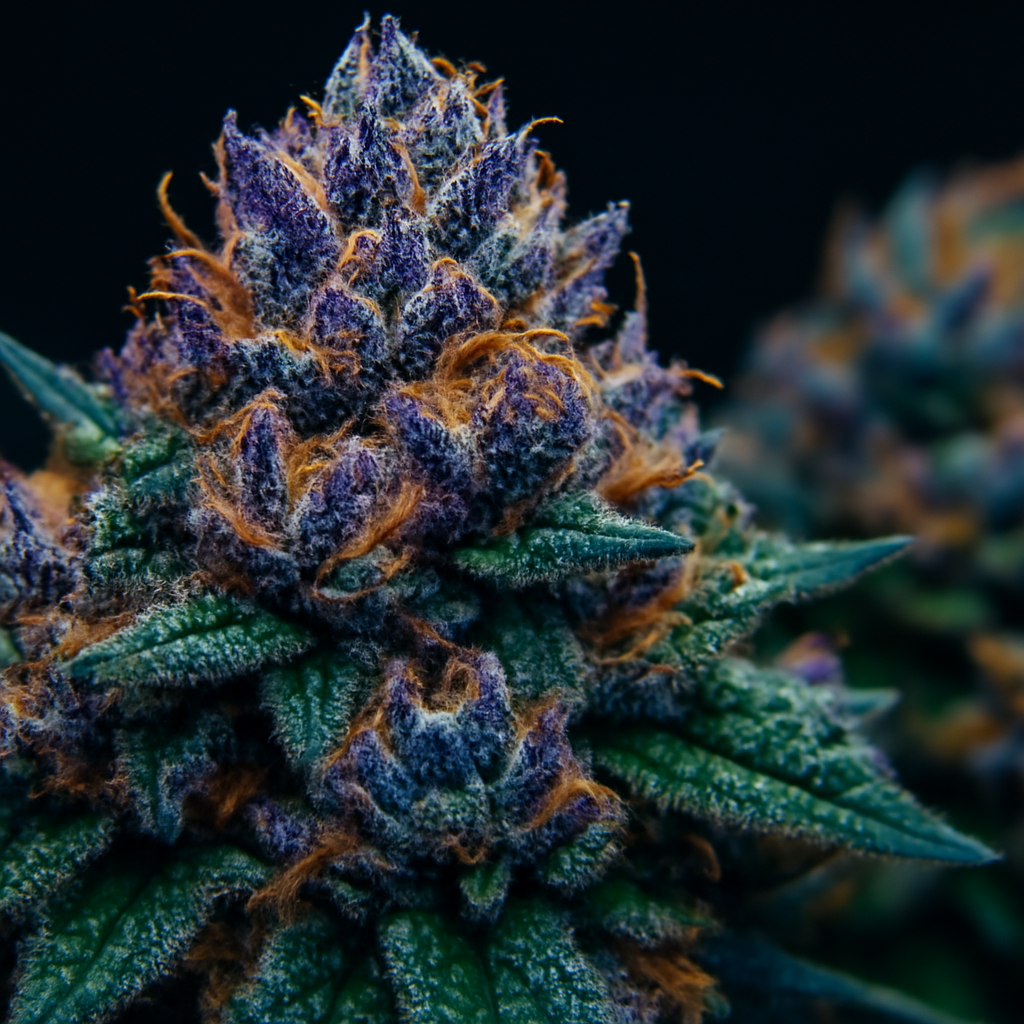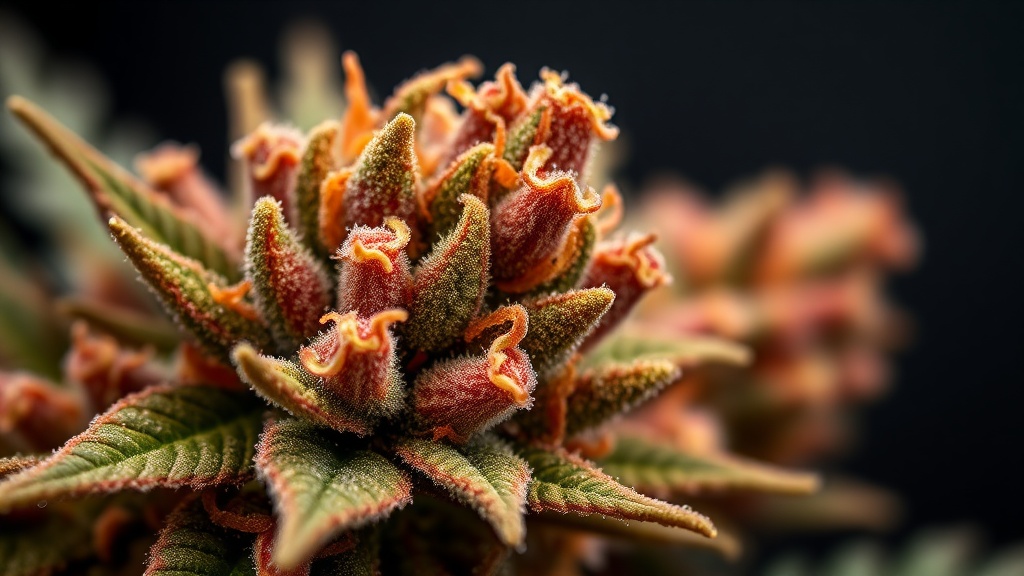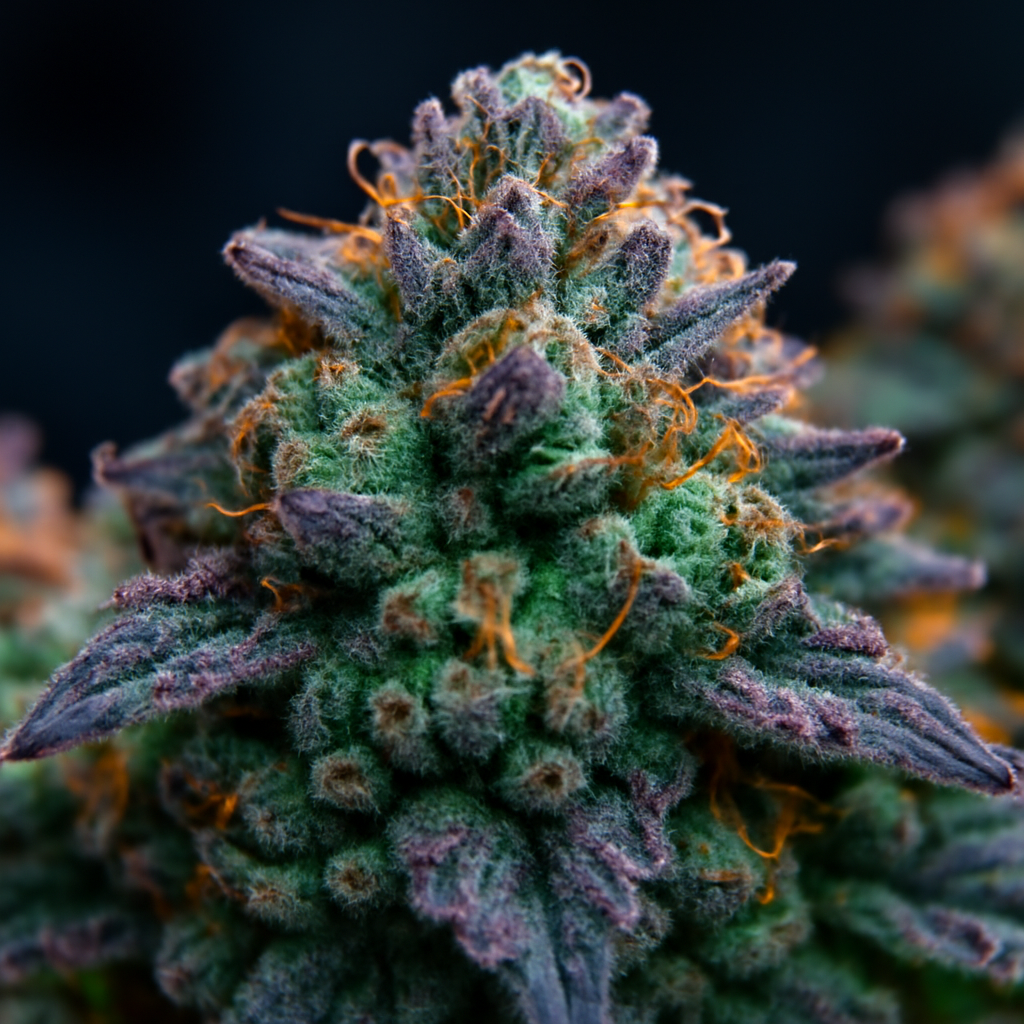
The Northern Lights strain has earned its reputation as one of the most reliable cannabis cultivars available to legal home growers. Developed from Afghani and Thai landrace genetics, it produces dense, resin-coated buds on a compact, bushy frame that fits comfortably under a 400W LED in a 4×4 tent. Whether you're running your first grow or dialing in your third cycle, Northern Lights rewards precise environmental control with consistent, high-potency harvests. This guide covers everything from seedling through cure, with specific numbers you can act on today.
Northern Lights Strain: Genetics and Growth Profile
Northern Lights is approximately 90% indica, tracing its lineage to Afghan landrace genetics. Plants stay short — typically 60–100cm indoors — with a Christmas-tree structure and minimal stretch during the transition to flower. That compact profile makes it ideal for low-clearance tents and stealth setups. Expect a THC range of 16–21% and a pronounced terpene profile anchored by myrcene, caryophyllene, and pinene. You can explore the full terpene breakdown using our Terpene Explorer.
Of the 1,000 grow journals tracked on Grow Guide, 736 are indoor grows — the environment where Northern Lights absolutely shines. Its short flowering window and mold resistance make it a top pick for growers working in controlled spaces. You can browse active Northern Lights grows on Grow Guide to see how other cultivators are running this strain right now.
Setting Up Your Environment for Northern Lights
Northern Lights is forgiving, but "forgiving" doesn't mean sloppy. Nail these numbers and you'll stack significantly more resin than a grower who sets and forgets.
Temperature and Humidity
- Veg: 72–82°F (22–28°C) lights-on, 65–70°F (18–21°C) lights-off. RH: 50–65%.
- Early flower (weeks 1–3): 70–80°F (21–27°C), RH: 45–55%.
- Mid-to-late flower (weeks 4–7): 68–78°F (20–26°C), RH: 35–45%. Drop below 40% RH in the final two weeks to push trichome development and reduce botrytis risk.
- VPD target: 0.8–1.0 kPa in veg, 1.2–1.6 kPa in flower.
Lighting
Northern Lights doesn't need maximum PPFD to perform, but it responds well to dialed-in light intensity. Use a full-spectrum LED and target:
- Seedling: 150–250 µmol/m²/s at canopy
- Veg: 400–600 µmol/m²/s, 18/6 photoperiod
- Flower: 600–900 µmol/m²/s, 12/12 photoperiod
For a 4×4 ft tent, a 400–600W equivalent LED (actual draw ~200–300W) covers the footprint well. Use our Grow Light Calculator to confirm your light is delivering the right PPFD for your canopy size before you flip to 12/12.
Ventilation
A 4×4 tent needs a minimum 200 CFM inline fan with a carbon filter for adequate air exchange. Run it continuously. Northern Lights' dense buds are susceptible to grey mold if air stagnates, especially as RH climbs during late veg. A clip-on oscillating fan inside the tent keeps stems strong and prevents hot spots under the light.
Growing Medium and Containers
Across Grow Guide journals, soil is the dominant medium — 633 of 1,000 tracked grows use it, and Northern Lights is a natural fit. A well-aerated mix of 70% quality potting soil, 20% perlite, and 10% worm castings gives Northern Lights the drainage it needs while retaining enough moisture to reduce watering frequency. Target a soil pH of 6.0–7.0, with 6.3–6.8 being the sweet spot for nutrient availability.
Coco coir is the second most popular choice (149 of 1,000 journals) and suits growers who want tighter control over nutrition. In coco, maintain a pH of 5.8–6.2 and water to 10–20% runoff every feed. Northern Lights in coco can finish faster and yield heavier, but requires daily attention to EC and pH.
Use 3-gallon containers for a single plant in a 2×2, and 5-gallon for plants in a 4×4. Fabric pots improve air pruning and root zone oxygen — worth the small cost premium.
Northern Lights Strain Training Techniques
Northern Lights' natural structure already produces a solid central cola with decent lateral branching. Training amplifies this considerably.
LST (Low-Stress Training)
Start LST in week 2–3 of veg. Bend the main stem outward and anchor it with soft ties, training side branches upward. This flattens the canopy, improves light penetration, and promotes even bud development across multiple sites. For Northern Lights, LST alone can increase yield by 15–25% compared to untrained plants of the same genetics.
Topping and FIMing
Top at the 4th or 5th node, around day 21–28 of veg. This splits the apical meristem into two primary colas. Allow 5–7 days recovery before continuing LST. FIMing at the same point produces 3–4 tops from a single cut. See our detailed Fimming vs Topping Cannabis guide to decide which method suits your setup. Northern Lights handles both well — it's one of the more stress-tolerant strains for HST.
SCROG
A screen of green setup works particularly well with Northern Lights in a 4×4 tent running 4 plants. Install the screen at 30–40cm above the pot and weave new growth through during veg. Fill 70–80% of the screen before flipping to flower. This technique regularly pushes indoor yields into the 450–550g/m² range.
Nutrients for the Northern Lights Strain
Northern Lights is a moderate feeder — it doesn't need maximum EC to perform, and overfeeding is a more common mistake than underfeeding with this strain.
Vegetative Feeding
- EC: 1.2–1.8 mS/cm in soil; 1.4–2.0 mS/cm in coco
- Focus: Higher nitrogen (N-P-K ratio like 3-1-2) to drive canopy expansion
- Cal-Mag: 2–5ml/L if running filtered or RO water, or under LEDs that tend to increase calcium demand
Flowering Feeding
- Weeks 1–4 of flower: Transition to a bloom formula (1-3-2 ratio). EC 1.6–2.2 mS/cm.
- Weeks 5–6: Maintain phosphorus and potassium, begin tapering nitrogen. EC 1.8–2.4 mS/cm.
- Final 7–10 days (flush or plain water): Drop EC to 0.0–0.5 mS/cm to clear residual salts from the medium.
If leaves start cupping, show tip burn, or develop interveinal chlorosis, run a quick check with our Nutrient Deficiency Identifier before adjusting your feed. Chasing deficiencies without knowing which nutrient is out of range wastes time and can stress plants mid-flower. For a full seedling nutrition overview, see our Best Nutrients for Cannabis Seedlings guide.
Common Northern Lights Troubleshooting Issues
Yellowing Leaves in Late Flower
Natural nitrogen senescence in weeks 6–7 is expected — don't panic. Fan leaves yellowing from the bottom up during the final two weeks of flower is a sign the plant is pulling nitrogen from stored reserves to fuel final bud development. This is correct. If yellowing starts in week 3 or 4, check your pH first (lockout is more common than actual deficiency) and your EC second.
Tip Burn
White or brown crispy tips on new growth indicate calcium deficiency or nutrient burn. In coco especially, check that your pH is consistently 5.8–6.2 and that Cal-Mag is included at every feed. In soil, tip burn early in veg usually points to excess nitrogen — dial back your EC by 0.3–0.5 mS/cm and observe over 5 days.
Spider Mites
Northern Lights isn't immune to spider mites, especially in warm, low-humidity environments. Check the undersides of fan leaves weekly. At first sign, apply a spinosad-based spray or predatory mites (Phytoseiulus persimilis) immediately. Never spray neem oil in flower — it leaves a residue on buds. Prevention through good airflow and RH management above 40% is far more effective than treatment.
Harvest Timing for Northern Lights
Northern Lights finishes at 42–49 days (6–7 weeks) from the first day of 12/12 in most phenos. Don't rely on the calendar alone — read trichomes with a 60x jeweller's loupe or digital microscope:
- All clear: Too early. THC not fully developed.
- Mostly cloudy/milky white, few amber: Peak THC. Best for cerebral, energetic effects.
- 20–30% amber: THC degrading to CBN. Heavier, more sedative effect. For Northern Lights' indica profile, many growers prefer this window.
Use our Grow Schedule Planner to mark your flip date and set a trichome-check reminder at day 40 so you're not caught off guard.
Drying and Curing Northern Lights
A fast, hot dry destroys the terpenes that make Northern Lights worth growing. Take your time here.
Drying
- Hang whole branches upside down in a dark room at 60–68°F (15–20°C), 50–60% RH
- Air circulation via a fan — but never direct airflow onto buds
- Target 10–14 days. Smaller stems should snap cleanly, not bend.
Curing
- Trim and place dried buds in wide-mouth glass mason jars — don't pack them more than 75% full
- Store at 60–68°F (15–20°C) with Boveda 62 packs to maintain 58–62% RH
- Burp jars twice daily for the first 10 days, then once daily through week 4
- After 4 weeks, Northern Lights' earthy, pine, and sweet notes fully develop. 8 weeks delivers noticeably smoother smoke with better cannabinoid stability.
Set your burp reminders and track moisture loss automatically with the Dry & Cure Timer. Once you know your final yield, run the numbers through our Cost Per Gram Calculator to evaluate the efficiency of the grow.
For a broader look at the full indoor grow process, see our guide on How to Grow One Cannabis Plant Indoors.
Estimating Your Northern Lights Yield
Indoor yields for Northern Lights typically fall in these ranges depending on training and light intensity:
- Single plant, no training, 200W LED: 30–60g
- 2–4 plants, LST, 400W LED in a 4×4: 200–350g
- SCROG, 4 plants, 600W LED equivalent, 4×4: 400–550g
Plug your specific setup into our Yield Calculator for a personalised projection based on light intensity, tent size, and training method. If you want to document your run properly, our Cannabis Grow Diary guide walks through exactly how to track each stage.
Frequently Asked Questions
How long does the Northern Lights strain take to flower?
Northern Lights typically flowers in 42–49 days (6–7 weeks) from the first day of 12/12 light cycle. Some phenos can stretch to 52 days — always confirm with trichome inspection rather than relying solely on day count.
What yield can I expect from Northern Lights indoors?
With a 600W equivalent LED, a 4×4 tent, and a SCROG setup, expect 400–550g/m². Untrained single plants under smaller lights will produce 30–80g. Training and light intensity are the two biggest yield levers with this strain.
Is Northern Lights a good strain for beginners?
Yes. Its compact structure, short flowering period, mold resistance, and tolerance for minor environment fluctuations make it one of the most beginner-friendly indica strains available. It responds well to LST and recovers quickly from minor overfeeding or underwatering mistakes.
What temperature and humidity does Northern Lights prefer?
During veg, target 72–82°F with 50–65% RH. In flower, drop temperature to 68–78°F and humidity to 35–45%. In the final two weeks, keep RH below 40% to reduce botrytis risk and encourage trichome maturation.
How long should I cure Northern Lights buds?
A minimum of 4 weeks is required for terpene development and smooth smoke. Eight weeks produces noticeably better flavour and a more stable cannabinoid profile. Store in glass jars with Boveda 62 packs at 60–68°F.
References
- Kinnabis (2026). Northern Lights Strain Grow Guide for Beginners — covers tent sizing, lighting, and ventilation specifics for indoor cultivation. kinnabis.com
- Biology Insights (2026). How to Grow and Care for Northern Lights Auto — details nutrient schedules, PPFD targets, harvest timing by trichome colour, and drying/curing environment parameters. biologyinsights.com
- GetBudsLegalize (2026). Northern Lights Strain Review — covers training techniques including LST, topping, and super cropping for yield maximisation. getbudslegalize.com
- Strainy (2026). Northern Lights Cannabis Strain Profile — environmental parameters including temperature and humidity ranges for vegetative and flowering stages. strainy.com
- Coohom (2026). Guide to Growing Northern Lights Strain Outdoors — pest management strategies including preventative neem oil applications and airflow for mold prevention. coohom.com