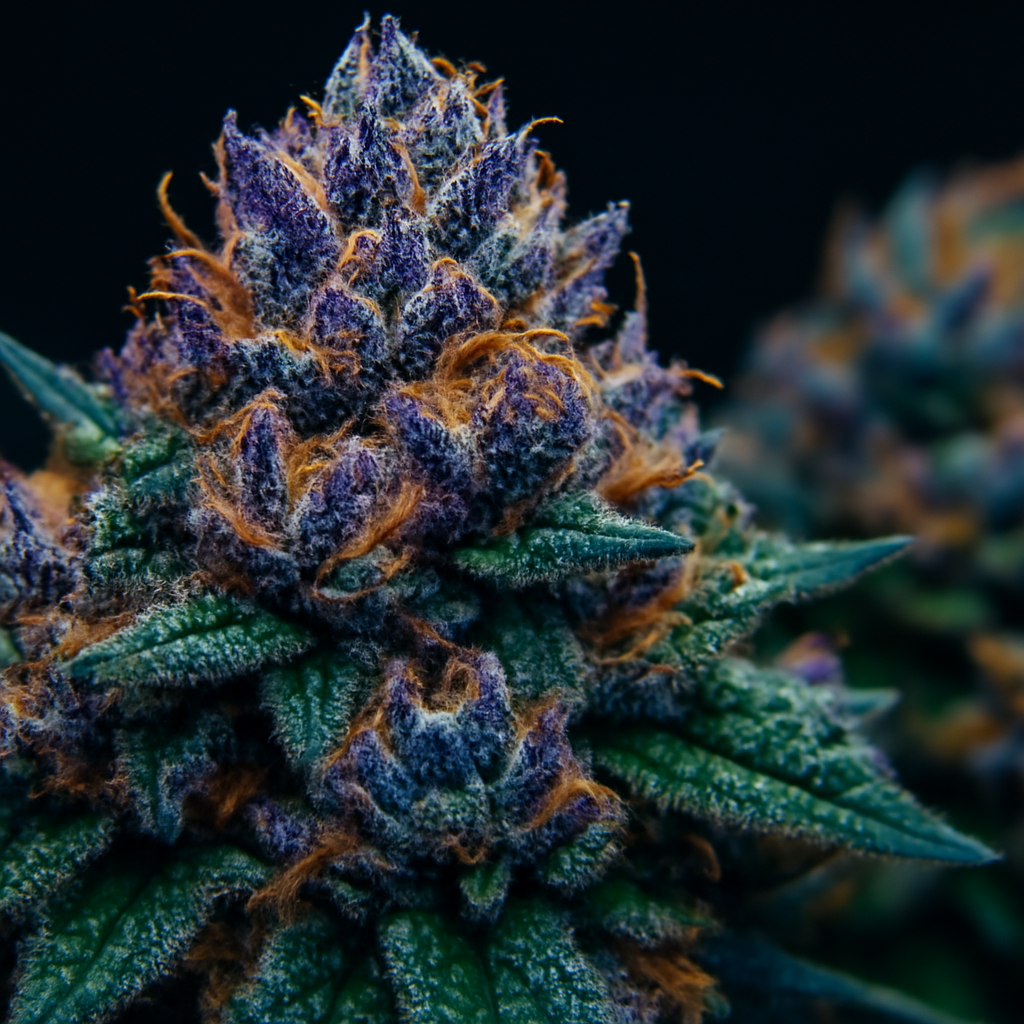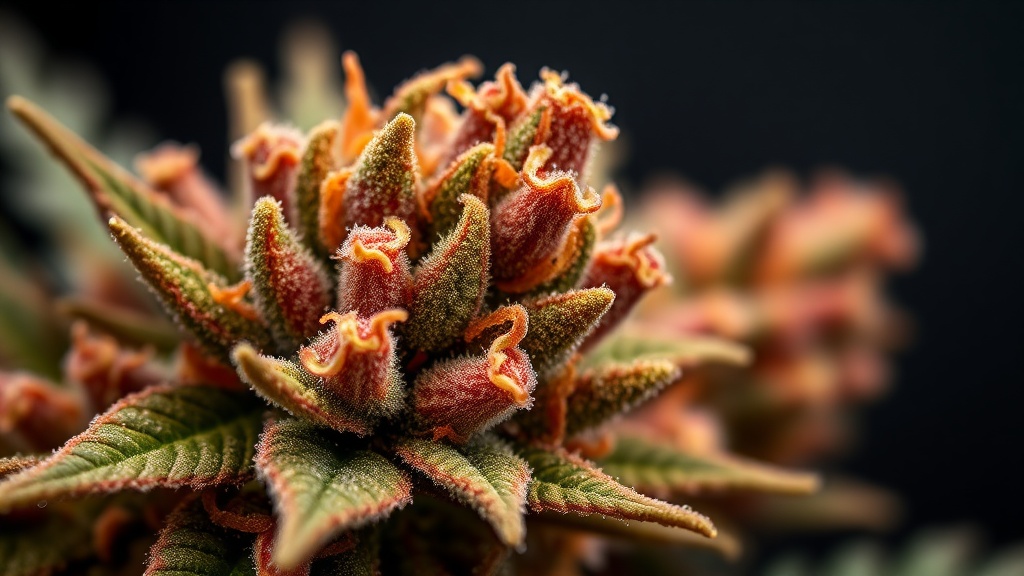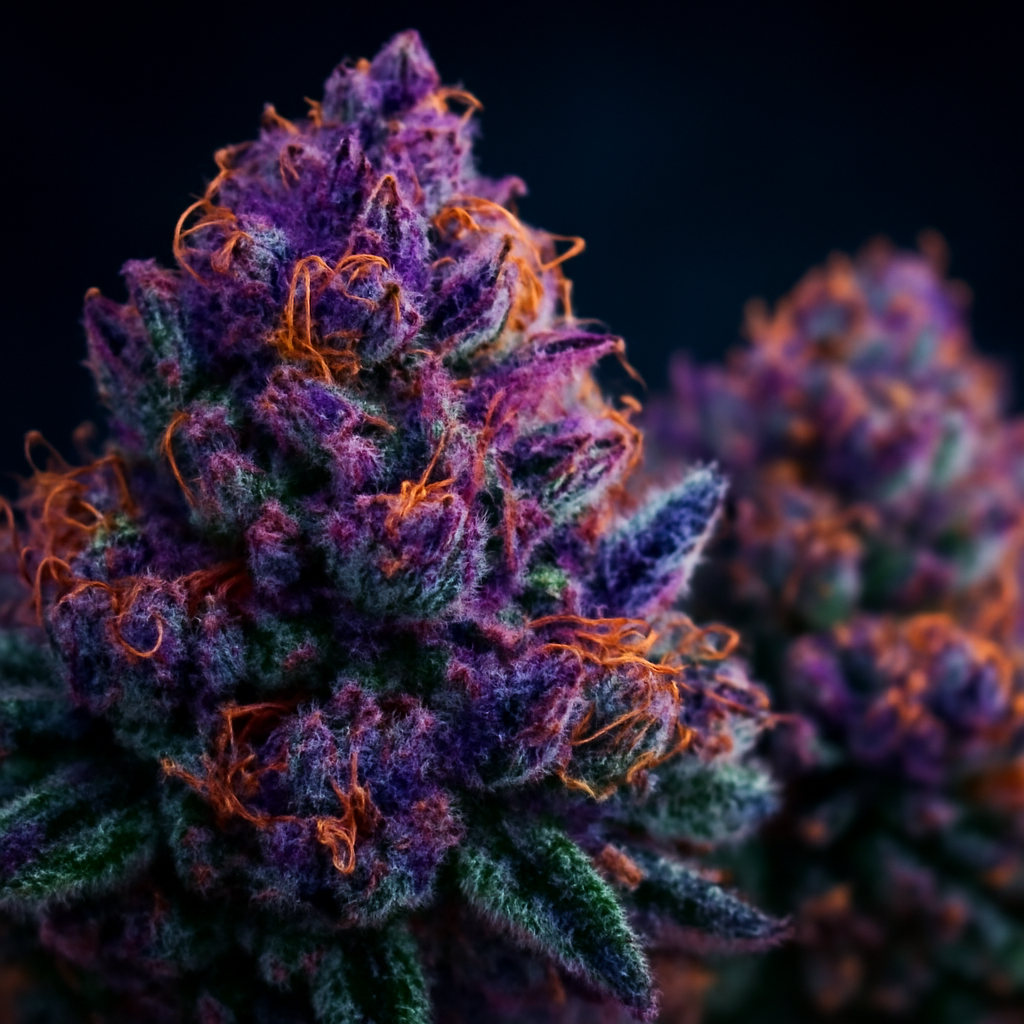
What Makes Maui Wowie Different to Grow
The Maui Wowie strain is one of those cultivars that punishes growers who treat it like an average indica-heavy hybrid. This is a true Hawaiian sativa — bred over decades in volcanic, mineral-rich Hawaiian soil under relentless equatorial light. Indoors, that heritage translates into a plant that wants to stretch hard, consume intense light, and take its time finishing. Get those three things right and you're rewarded with long, resinous colas carrying pineapple and citrus terpenes that don't survive a lazy cure. Get them wrong and you'll end up with a 6-foot plant crammed into a 4-foot tent and a harvest that smells like lawn clippings.
This guide covers everything from seedling environment through final cure — with specific numbers at every stage, not vague ranges. If you want to track your progress as you go, the Grow Schedule Planner will map out your full Maui Wowie timeline automatically.
Maui Wowie Strain: Full Grow Timeline
Total time from seed to a properly cured jar sits around 20–22 weeks for Maui Wowie — longer than most hybrid strains, but that extra flowering time is non-negotiable. Cutting it short means surrendering THC and terpene development. Check out our how long to grow cannabis indoors guide for a broader look at how sativas compare to hybrids on timeline.
Environment Setup for Maui Wowie Indoors
Temperature and VPD
Run daytime temps at 75–85°F (24–29°C) through the entire grow. Maui Wowie's Hawaiian origin means it handles the warm end of that range without stress — in fact, it tends to stretch less aggressively when kept closer to 80°F than when it runs cool. At night, drop no more than 10°F to preserve terpene integrity without triggering excessive internode stretching.
Target VPD at 0.8–1.0 kPa during vegetative growth and 1.2–1.5 kPa during flower. This aligns with the humidity targets: 50–70% RH in veg, pulling down to 40–50% in flower to guard against powdery mildew — a real risk with the dense sativa buds Maui Wowie produces late in flower.
Light Intensity: The Most Important Variable
This strain evolved under intense tropical sun. If you underlight it, you get airy, larfy buds and muted terpenes. The targets are firm:
- Seedling/early veg: 200–300 µmol/m²/s PPFD
- Vegetative: 500–700 µmol/m²/s PPFD
- Flowering: 900–1,100 µmol/m²/s PPFD
Full-spectrum LEDs with a high red component (660nm) handle the flowering stage well. Use the Grow Light Calculator to match your fixture's actual output to your canopy area — a 4×4 tent at 1,000 µmol/m²/s requires a very different fixture than most growers assume.
Maui Wowie Strain: Training and Plant Structure
Maui Wowie will grow tall — expect 150–200cm indoors without intervention. Left untrained, you get one dominant apical cola with weak, shaded side branches. The fix is simple but timing matters:
- Top at node 4–5, around week 3 of veg, to split the canopy into two dominant colas.
- Begin LST (Low-Stress Training) immediately after, gently tying branches down to a trellis or pot rim to open the canopy horizontally.
- A SCROG net at 30–40cm above the pot works well for Maui Wowie — weave branches through the net as they grow and flip to flower once the net is 70–80% filled.
- Avoid heavy defoliation on this strain — Maui Wowie's open sativa structure naturally allows light penetration better than dense indicas.
For a deeper comparison of topping techniques, see our Fimming vs Topping guide.
Growing Medium and pH for Maui Wowie
Given Maui Wowie's Hawaiian volcanic soil heritage, it performs best in a well-aerated, organically enriched growing medium. Among growers on Grow Guide's platform, soil is by far the most common medium — 634 of 1,000 tracked grows use soil, and for a terpene-forward sativa like this one, that makes sense. Organic soil amplifies the strain's natural tropical terpene expression in a way that coco rarely matches.
Build your mix around:
- High-quality potting soil base (60–65%)
- Perlite (25–30%) for drainage — this strain hates wet feet
- Worm castings (10%) for slow-release micronutrients
- A small amount of pumice or lava rock if you can source it — an optional nod to the volcanic origin that genuinely improves drainage in heavy soil
Maintain pH at 6.0–7.0 in soil (6.2–6.5 is the sweet spot). If you run coco, tighten that to 5.8–6.2. Use a calibrated digital pH pen — a $15 uncalibrated meter will send you chasing phantom deficiencies for weeks.
Nutrients: Feeding Maui Wowie Through Each Stage
Vegetative Stage Feeding
Maui Wowie's long veg phase (4–6 weeks indoors) demands sustained nitrogen availability. Run a nitrogen-dominant base feed at an EC of 1.2–1.6 mS/cm. Apply every 10–14 days in soil, or every watering in coco at lower concentration (EC 0.8–1.2). Watch the leaf color — this strain shows nitrogen uptake hunger before most hybrids do, presenting as slightly lighter new growth. Don't mistake it for deficiency; a half-strength top-up feed usually corrects it within 4–5 days.
For seedling-specific feeding in the first two weeks, our best nutrients for cannabis seedlings guide has specific product recommendations and EC targets. If you're going fully organic, check the best organic nutrients guide — organic inputs pair especially well with Maui Wowie's terpene production.
Flowering Stage Feeding
Flip to 12/12 once your plant hits 50–60cm with good branch development (it will roughly double in height during stretch). At the flip:
- Weeks 1–3 (transition/stretch): Taper nitrogen down, introduce a PK-boosted formula. EC 1.4–1.8.
- Weeks 4–7 (peak flower): High phosphorus and potassium. EC 1.6–2.0. Maintain calcium and magnesium — Maui Wowie is a moderately heavy cal-mag feeder under intense LED.
- Weeks 8–9 (pre-harvest flush): Drop EC to 0.6–0.8. In soil, a plain water flush over the final 10–14 days clears residual salts and tightens up the flavor.
If any unusual leaf symptoms appear mid-grow, run them through the Nutrient Deficiency Identifier before adjusting — calcium and magnesium deficiencies look nearly identical on this strain and require different fixes.
Harvest Timing: Reading Maui Wowie Trichomes
Maui Wowie flowers in 9–11 weeks from the flip. Don't go by the calendar alone — the trichome picture is your real harvest signal. Use a 60x jeweler's loupe or a digital microscope:
- Mostly clear trichomes: Too early. THC not fully synthesized.
- Milky white (cloudy) throughout: Peak THC, maximum cerebral effect. This is the target window for Maui Wowie's characteristic uplifting sativa high.
- Amber trichomes appearing: THC converting to CBN. Sedative effect increases. For Maui Wowie specifically, most growers want to harvest at 10–15% amber maximum to preserve the energetic profile.
Outdoors in a warm climate, Maui Wowie is typically harvest-ready in late October. Indoor timing is controlled by your flip date.
Maui Wowie Strain: Drying and Curing for Tropical Terpenes
The terpene profile that makes Maui Wowie worth growing — pineapple, mango, citrus — is almost entirely lost with a rushed dry. This step is not optional.
Drying: Hang whole branches or trimmed buds in a dark room at 70°F and 45–55% RH. No direct fan airflow on the buds — use fans to circulate room air only. After 7–10 days, check the stems: small stems should snap cleanly, not bend. That's your cue to jar.
Curing: Pack loosely into wide-mouth mason jars (fill to 75% capacity). Store at 60–65°F in a dark cupboard. For the first two weeks, open jars daily for 10–15 minutes to exchange gases and monitor for ammonia smell (which indicates too-wet buds and active bacterial breakdown — spread them out immediately if you catch it). After two weeks, burp every few days. A minimum two-week cure is acceptable; four weeks is where Maui Wowie genuinely sings. Use the Dry & Cure Timer to track your burping schedule automatically.
Boveda 62% packs in the jar during cure are optional but genuinely useful for maintaining consistent RH without constant monitoring.
Expected Yields and Estimating Your Harvest
Indoor Maui Wowie grown under optimized conditions with training typically yields in the range of 400–500g/m². Without training — running it untouched — expect closer to 200–300g/m² as light penetration to lower bud sites remains poor. Outdoor plants in warm climates can exceed 700g per plant given a long season and room to stretch.
Run your specific setup through the Yield Calculator to get a personalized estimate based on your light wattage, tent size, and training method. And if you want to understand the cost efficiency of this longer-flowering strain, the Cost Per Gram Calculator puts the numbers in perspective against faster-finishing hybrids.
Common Issues Growing Maui Wowie
- Uncontrolled height: If you didn't top early enough and the plant is already hitting your light, supercrop (carefully pinch and bend the main stem 90°) rather than stressing with an emergency cut.
- Airy buds despite good light: Usually a VPD issue — check that your humidity isn't running too high (above 55%) in late flower. High RH slows transpiration and reduces bud density.
- Slow trichome development at week 8: Normal for this strain. Maui Wowie regularly needs the full 10–11 weeks. Don't harvest early based on the breeders' minimum estimate.
- Yellowing in late flower: Expected and intentional — the plant is pulling nitrogen from fan leaves into bud production. Only intervene if yellowing appears before week 7.
Tracking these issues in real time is much easier with a structured journal. Our Cannabis Grow Diary guide walks you through exactly what to log and when.
Frequently Asked Questions
How long does the Maui Wowie strain take to flower?
Maui Wowie flowers in 9–11 weeks from the 12/12 light flip. This is longer than most indica-dominant hybrids, which typically finish in 7–9 weeks. Don't rush it — trichome development on this strain often accelerates noticeably in the final 10–14 days.
How tall does Maui Wowie grow indoors?
Without training, Maui Wowie can reach 150–200cm indoors. With early topping at node 4–5 and LST through veg, most growers keep it in the 90–120cm range. A SCROG net is the most effective height management tool for this strain in a standard tent.
What PPFD does Maui Wowie need during flowering?
Target 900–1,100 µmol/m²/s PPFD at the canopy during peak flower (weeks 4–8). This is higher than many hybrid strains require and reflects the strain's origin under intense tropical sunlight. Under-lighting is the single most common reason for airy, terpene-poor Maui Wowie buds.
Can Maui Wowie be grown outdoors outside Hawaii?
Yes — it performs well outdoors in any climate with long, warm summers and low autumn humidity. It needs a minimum of 6–8 hours of direct sun daily and is typically harvest-ready in late October in the northern hemisphere. In cooler or wetter climates, a greenhouse helps it reach its potential without mold risk.
How long should I cure Maui Wowie buds?
A minimum of two weeks in sealed jars at 60–65°F, burping daily for the first two weeks. Four weeks of curing produces a noticeably smoother smoke with more pronounced pineapple and citrus terpene expression. Rushing the cure is the fastest way to waste a well-grown harvest of this strain.
References
- Beard Bros Pharms (2026). "Strain Spotlight: Maui Wowie and the Preservation of Hawaiian Sativa Heritage." Discusses the strain's Hawaiian origin, terpene profile, and flowering characteristics. beardbrospharms.com
- Biology Insights (2026). "Maui Wowie Outdoor Grow: From Seed to Harvest." Details flowering timelines, harvest indicators, and outdoor cultivation techniques including trichome assessment. biologyinsights.com
- STRNG Seeds (2026). "Maui Wowie Strain Review: Effects, Flavor and Growing Tips." Covers indoor environment targets including temperature, humidity, and recommended light intensity ranges by growth stage. strngseeds.com
- Strainy (2026). "Maui Wowie Strain Profile." Includes soil preparation guidance, pH recommendations, and post-harvest dry and cure protocols. strainy.com
- Grow Guide Platform Data (2026). Internal analysis of 1,000 tracked cannabis grow journals showing 63.4% of growers use soil as their primary growing medium, with strong representation among sativa and terpene-focused grows.