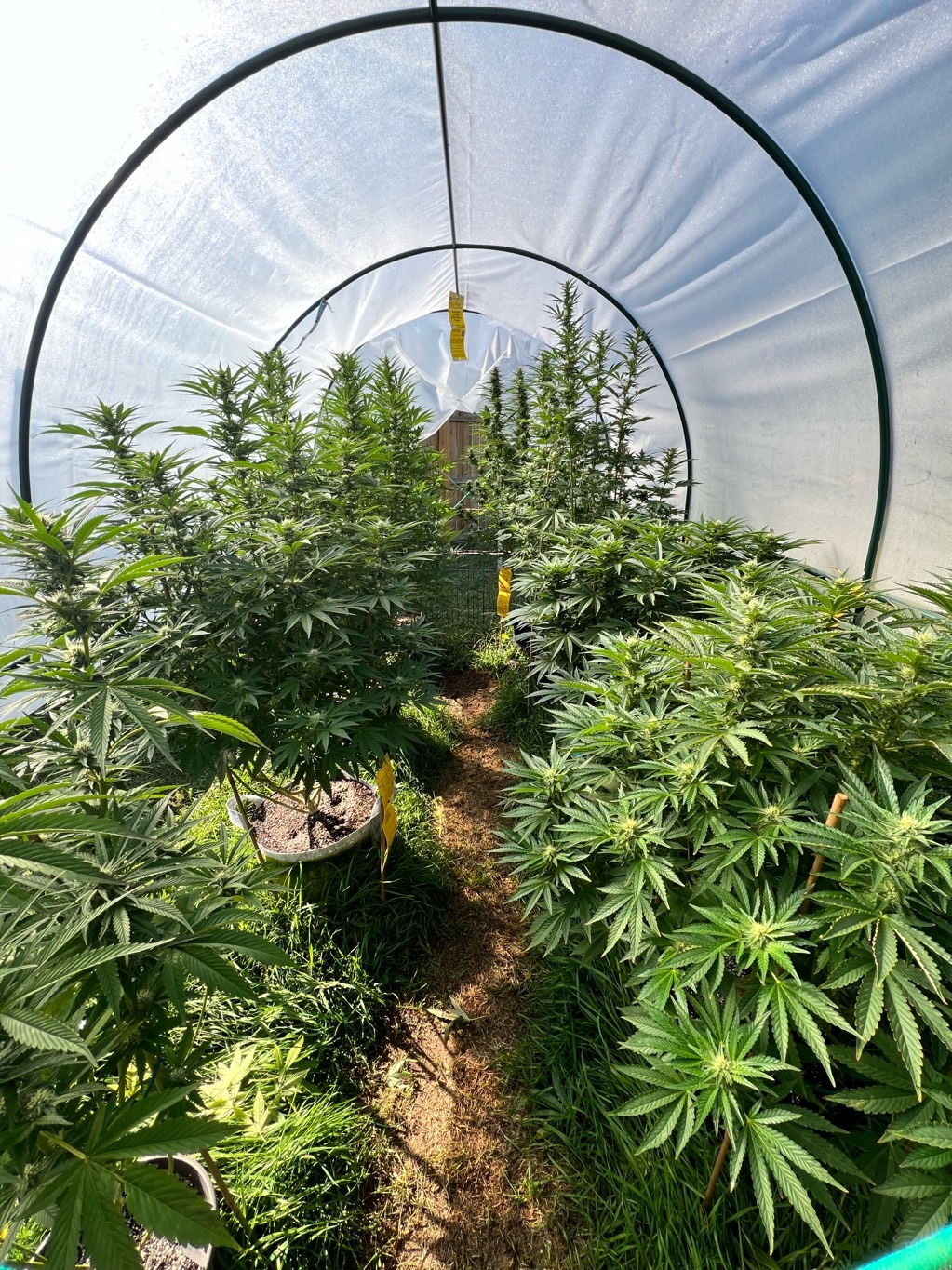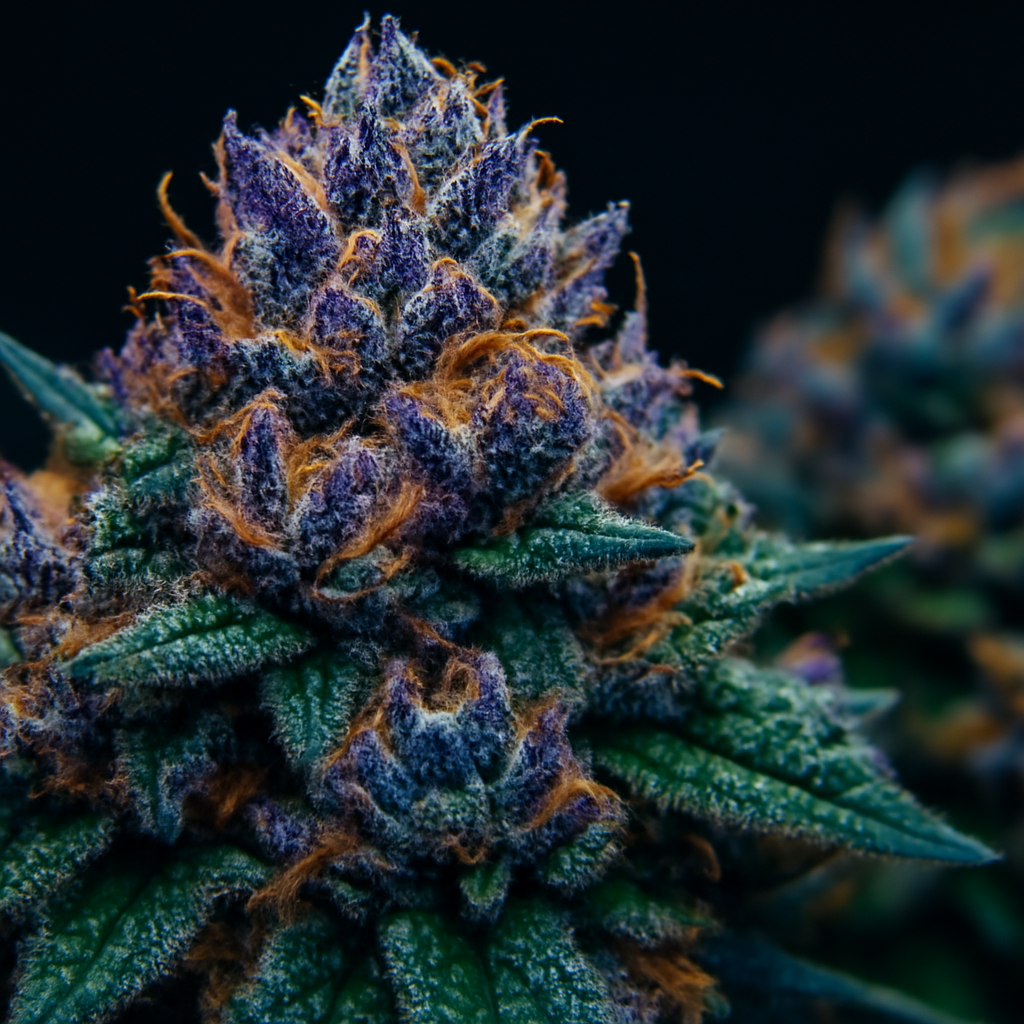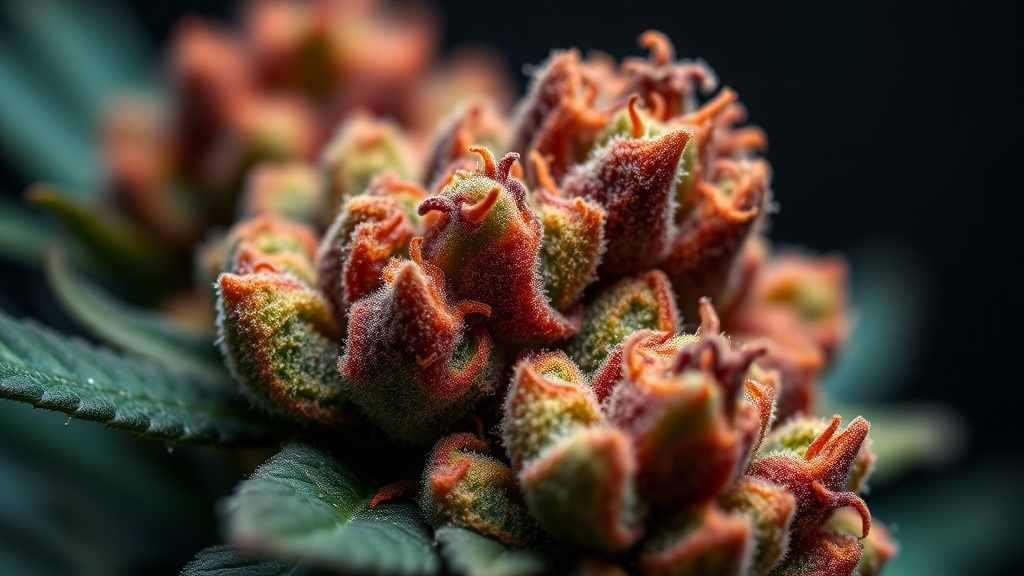
What Is the Lava Cake Strain?
Lava Cake is an indica-dominant hybrid bred by Dying Breed Seeds, created by crossing Thin Mint Girl Scout Cookies with Grape Pie. The result is a cultivar that punches above its weight in terpene complexity — chocolate, vanilla, pepper, and grape — while producing tight, calyx-stacked buds that look and smell like they belong in a top-shelf dispensary. THC content typically lands between 18–23% depending on phenotype and finishing conditions, with some phenos pushing higher under dialed-in environments. If you're tracking your grow, log it in Grow Guide's Lava Cake grow journals to compare your results against other cultivators.
From a cultivation standpoint, the lava cake strain rewards growers who understand its quirks: it's moderately sensitive to overfeeding, it stretches more than you'd expect from an indica, and it absolutely benefits from aggressive training and defoliation. This guide covers everything from environment and feeding to harvest timing and cure.
Lava Cake Strain: Genetics, Terpenes, and What to Expect
Understanding the genetic backbone shapes every cultivation decision you make. Thin Mint GSC brings the OG/Durban structure — compact node spacing, dense bud sites, resin production — while Grape Pie (Cherry Pie × Grape Stomper) contributes the sweetness, slight stretch, and the deep purple potential you'll see in cooler late-flower temperatures.
The dominant terpene profile is caryophyllene, limonene, and myrcene, with caryophyllene leading in most phenotypes. That's what gives Lava Cake the peppery-chocolate complexity on the backend. If you want to dig deeper into individual terpene effects and flavor interactions, the Terpene Explorer is worth bookmarking. The effects are strongly body-forward — relaxing and sedating at higher doses — with a clear-headed onset that transitions into heavier physical relaxation within 30–45 minutes.
Setting Up Your Environment for Lava Cake
Temperature and VPD
Lava Cake performs best in the 24–27°C canopy range during the vegetative stage with a relative humidity of 55–65%, putting your VPD around 0.8–1.1 kPa. In early flower (weeks 1–4), pull temps to 23–26°C and drop RH to 45–50% (VPD ~1.0–1.3 kPa). In late flower, especially weeks 6–9, drop nighttime temps to 18–20°C to stress anthocyanin expression — this is what brings out the purples and deepen the terpene profile. Keep daytime temps at 22–24°C during this window and RH below 45% to protect against botrytis on those dense colas.
Lighting
Lava Cake responds well to high PPFD — target 600–800 µmol/m²/s during veg and ramp up to 900–1,100 µmol/m²/s in mid-to-late flower. If you're running LEDs, maintain a 12–16" canopy distance depending on your fixture's output. Use the Grow Light Calculator to dial in the right coverage area and intensity for your specific setup before you start.
Of the 1,000 tracked grows on Grow Guide, 733 are indoor grows — meaning the vast majority of cultivators are working with controlled lighting, which makes hitting these PPFD targets achievable with modern LED panels. Outdoor growers in the remaining 171 recorded grows can expect natural peak-season light to suffice, but indoor control gives you the edge on terpene expression and purple coloration.
Growing Medium, Containers, and Root Zone
Lava Cake performs across multiple substrates. Soil is the most forgiving option — it buffers against the slight nutrient sensitivity this strain shows. Of the grows tracked on Grow Guide, 632 out of 1,000 use soil, making it the dominant choice for good reason. If you're chasing maximum yield and don't mind more precision, coco coir (148 tracked grows) shortens the response time between feeding adjustments and canopy expression, which helps you catch early deficiencies before they set back development.
- Soil: pH 6.2–6.8, EC 1.4–2.0 mS/cm in late veg/early flower
- Coco coir: pH 5.8–6.2, EC 1.6–2.2 mS/cm, daily fertigation recommended
- Container size: 11–15L for photoperiod in a standard 8-week veg; 19–25L if you're vegging past 6 weeks
Nutrients and Feeding Schedule for Lava Cake
Lava Cake is not a heavy feeder. Running it like a Gorilla Glue or Gelato — which can handle higher EC — will result in nutrient burn that shows up first as claw-tipped lower fan leaves, then migrates to mid-canopy. Start conservative.
- Seedling stage: Plain water or very dilute seedling formula (EC 0.4–0.6). See our guide on best nutrients for cannabis seedlings for specifics.
- Veg (weeks 1–4): Ramp EC from 0.8 to 1.6 mS/cm. N-heavy formula: 3-1-2 ratio works well.
- Early flower (weeks 1–3): Transition to bloom formula, reduce nitrogen, EC 1.6–2.0 mS/cm.
- Mid-to-late flower (weeks 4–8): EC 1.8–2.2 mS/cm, PK-boosted formula. Watch for magnesium deficiency — Lava Cake can show interveinal chlorosis under high P loads.
- Flush (final 7–10 days): Drop EC to 0.5–0.8 or plain water in soil. Color shift accelerates here.
If leaves start showing unusual coloration mid-grow, run it through the Nutrient Deficiency Identifier before adjusting your feed — magnesium deficiency and light burn can look identical on this strain's fan leaves.
For organic options, check our breakdown of best organic nutrients for cannabis — Lava Cake responds particularly well to kelp-based bloom additives in late flower for terpene enhancement.
Training the Lava Cake Strain: Topping, LST, and Defoliation
Lava Cake's GSC genetics mean it produces a lot of bud sites but also a very dense canopy. Without training, the lower 40% of the plant receives minimal light. Topping or FIMming in vegetative week 2–3 (once you have 4–5 nodes) opens up the structure. Run LST from week 3 of veg through flip to spread bud sites horizontally. For our full breakdown of these techniques, see fimming vs. topping cannabis.
The most important training move for this strain is defoliation at flower week 3. Remove any fan leaves blocking bud sites below the top third of the canopy. Don't be shy — this strain recovers quickly and responds with visible bud swelling within 5–7 days. A second, lighter defoliation at week 5–6 (remove any remaining large fans blocking bud sites, plus all lower popcorn growth) finishes the job. Use the Grow Schedule Planner to map these milestones into your overall grow calendar.
Lava Cake Flowering Time, Harvest, and Trichome Timing
The lava cake strain finishes in 56–63 days of 12/12 in most phenos. Stretch is typically 30–50% of pre-flip height — if she's 50cm at flip, expect 65–75cm by week 3 of flower. Plan canopy height accordingly before you flip.
Don't harvest by the calendar alone. Check trichomes under a loupe or jeweler's scope (60–100×) at day 56 and every 3–4 days after. Target:
- Clear trichomes: Not ready. THC still building.
- Mostly cloudy (milky white), a few amber: Peak THC, lighter body effect. Good window for many growers.
- 30–40% amber: More sedating, CBN conversion underway. Typical for the indica-leaning experience Lava Cake is known for.
For yield estimates before you harvest, the Yield Calculator can help you project dry weight based on your light, plant count, and training approach.
Drying and Curing Lava Cake for Maximum Terpene Retention
Lava Cake's caryophyllene-dominant profile is volatile — rush the dry and you'll lose the chocolate and pepper notes that make this strain worth growing. Hang-dry whole branches at 15–18°C, 55–60% RH, in darkness, targeting a 10–14 day dry. Stems should snap (not bend) before you jar.
Cure in airtight glass jars at 62% RH (use Boveda 62 packs or equivalent). Burp jars twice daily for the first 2 weeks, then once daily for weeks 3–4. Most Lava Cake cultivators report the flavor profile really opens at the 3-week cure mark — the grape-chocolate complexity becomes distinctly more pronounced. Use the Dry & Cure Timer to track your drying and curing progress precisely.
Keeping a detailed grow journal throughout the process makes it much easier to dial in subsequent runs. If you're new to journaling your grows, our guide on how to keep a cannabis grow diary walks through the process step by step.
Common Issues When Growing Lava Cake
The most common mistake cultivators make with Lava Cake is overfeeding in the first three weeks of flower. Because the stretch disguises a lot of stress, you might not notice nutrient toxicity symptoms until they're established. Run conservative EC and watch closely — it's easier to ramp up than to correct a salt-saturated root zone mid-flower.
Botrytis (bud rot) is a real risk given how tightly Lava Cake stacks its calyxes. Late flower defoliation and maintaining RH below 45% in weeks 6–9 is non-negotiable in humid climates or dense grow rooms without strong exhaust airflow.
Frequently Asked Questions
How long does the Lava Cake strain take to flower?
Lava Cake typically finishes in 56–63 days of 12/12 photoperiod. Most phenos hit peak trichome maturity (mostly cloudy with early amber) around day 60. Always confirm with a jeweler's loupe rather than relying on calendar dates alone.
What yield can I expect from Lava Cake grown indoors?
Under a dialed-in LED at 900–1,100 µmol/m²/s, with topping and scrog training, Lava Cake yields 400–550g/m². Without training, expect 250–350g/m². Use the Yield Calculator to project your specific setup.
Does Lava Cake turn purple?
Yes — many phenos express purple and dark violet hues in late flower, especially when nighttime temps drop to 18–20°C during weeks 6–9. The color is driven by anthocyanin activation and doesn't affect potency or yield, but significantly improves bag appeal.
Is the Lava Cake strain hard to grow for beginners?
Moderate difficulty. It's more forgiving than sativas but requires attention to EC levels and late-flower humidity. Beginners using soil and a conservative feeding schedule should do well. Coco coir growers need more precision but can push higher yields. See our full indoor growing guide for a solid foundation.
What is the dominant terpene in Lava Cake?
Caryophyllene is typically the dominant terpene in Lava Cake, followed by limonene and myrcene. Caryophyllene produces the peppery, spicy notes and interacts with CB2 receptors. The combination with myrcene gives Lava Cake its chocolate-earthy depth. Use the Terpene Explorer to learn more about these compounds.
References
- Dying Breed Seeds (2020). Lava Cake strain lineage: Thin Mint GSC × Grape Pie. Original breeding documentation and phenotype descriptions available via dyingbreedseeds.com.
- Booth, J.K., Page, J.E., & Bohlmann, J. (2017). Terpene synthases from Cannabis sativa. PLOS ONE. Found caryophyllene, myrcene, and limonene as dominant sesqui- and monoterpenes across indica-dominant cultivars. doi.org/10.1371/journal.pone.0173911
- Chandra, S., Lata, H., Khan, I.A., & ElSohly, M.A. (2017). Cannabis sativa L.: Botany and horticulture. Progress in the Chemistry of Organic Natural Products. Confirmed VPD and temperature ranges influencing cannabinoid and terpene accumulation in late flower. doi.org/10.1007/978-3-319-45541-9_1
- Rodriguez-Morrison, V., Llewellyn, D., & Zheng, Y. (2021). Cannabis inflorescence yield and quality responses to light intensity and spectrum in a controlled environment. Frontiers in Plant Science. Documented PPFD thresholds of 900–1,100 µmol/m²/s for peak flower production in photoperiod cannabis. doi.org/10.3389/fpls.2021.663988
- Grow Guide platform data (2026). Internal analytics from 1,000 tracked cannabis grow journals: 733 indoor, 632 soil-based, 125 top-feed drain-to-waste. growguide.app.