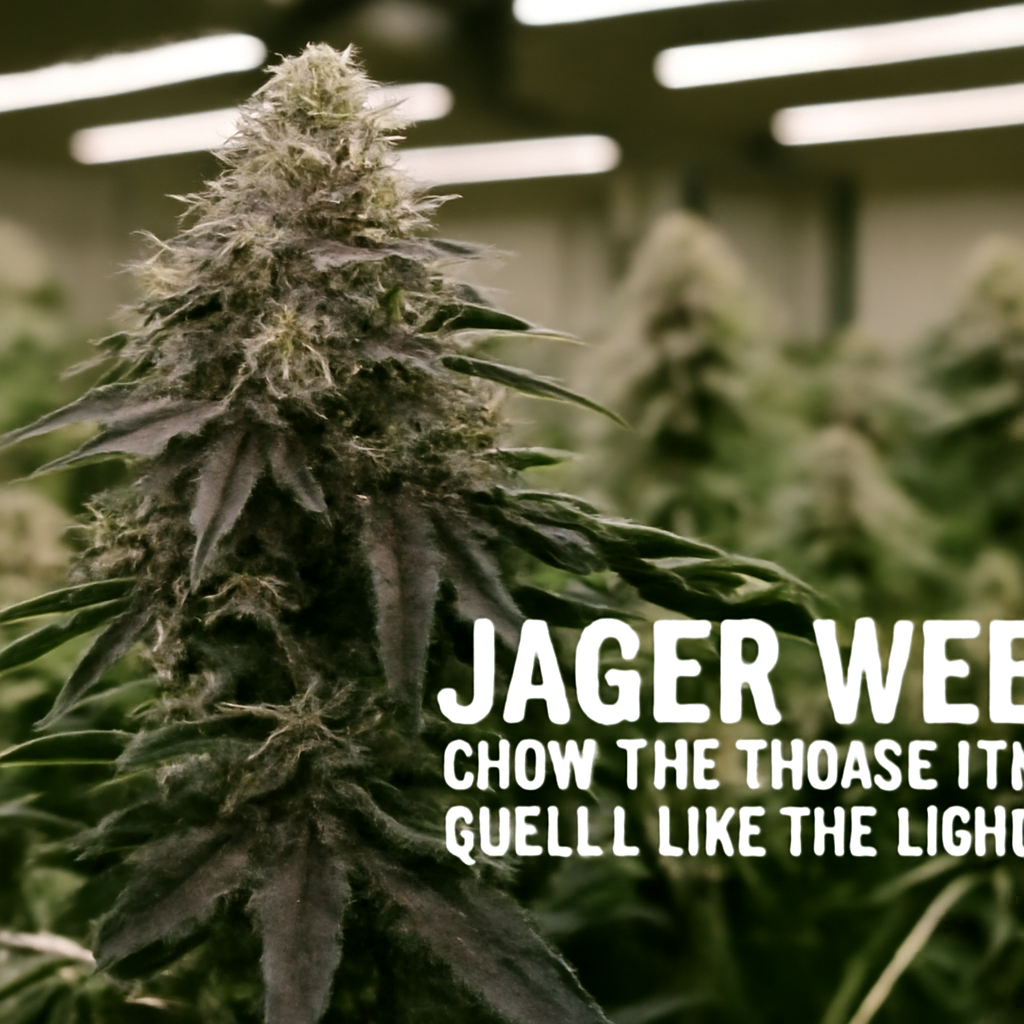
What Is Jager Cannabis?
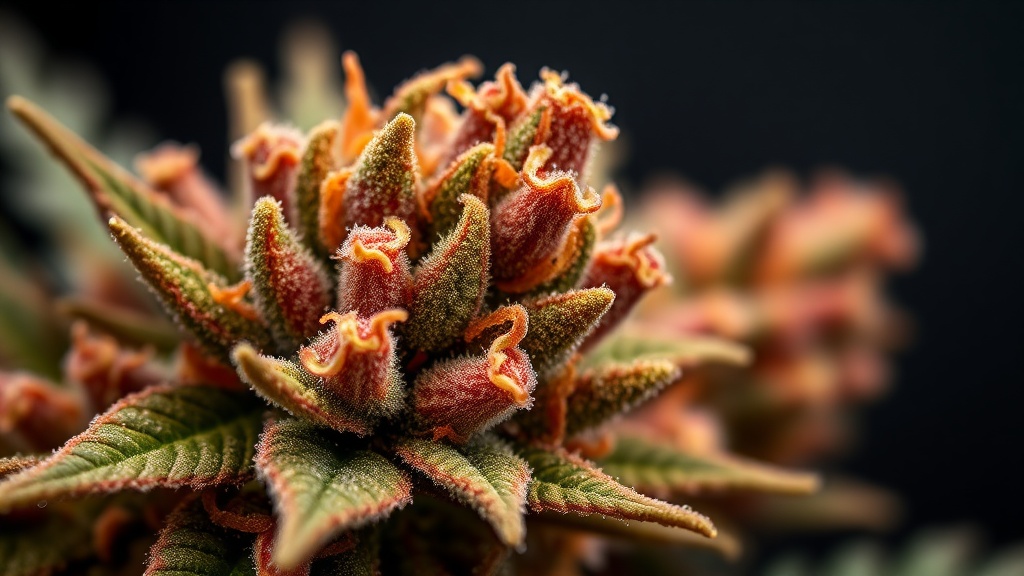
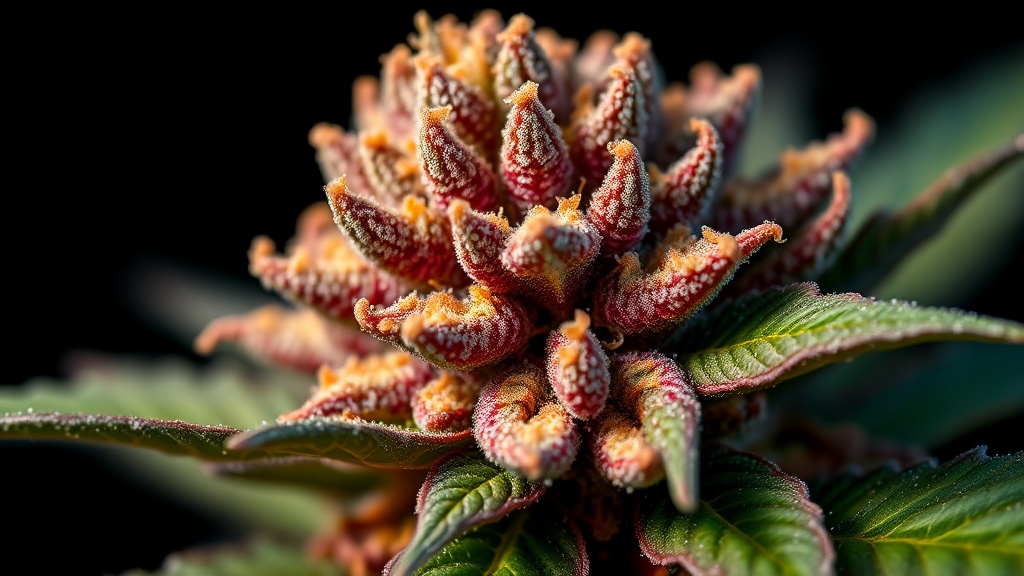
Jager weed — sometimes listed as Jagermeister or JGR — is an 80% indica-dominant hybrid with a genetic backstory as murky as the German liqueur it's named after. The most credible origin story places its breeding in Southern Oregon, with probable Hindu Kush genetics in the mix, though no breeder has formally documented the lineage. What growers do agree on: the aroma is unmistakable. Think black licorice, pine resin, and a faint herbal sweetness that actually mirrors the Jägermeister liqueur profile — myrcene and ocimene doing the heavy lifting on the nose.
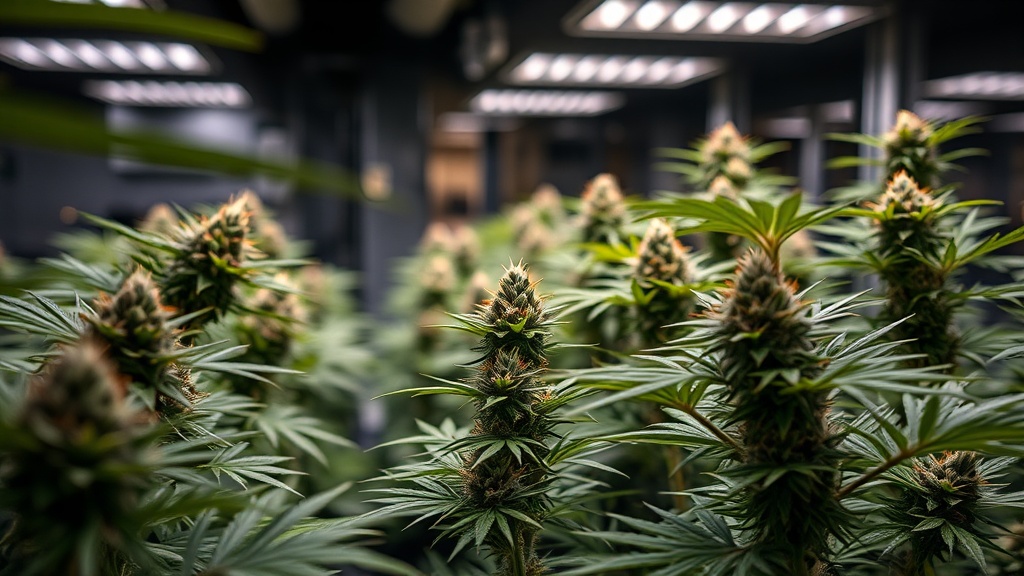
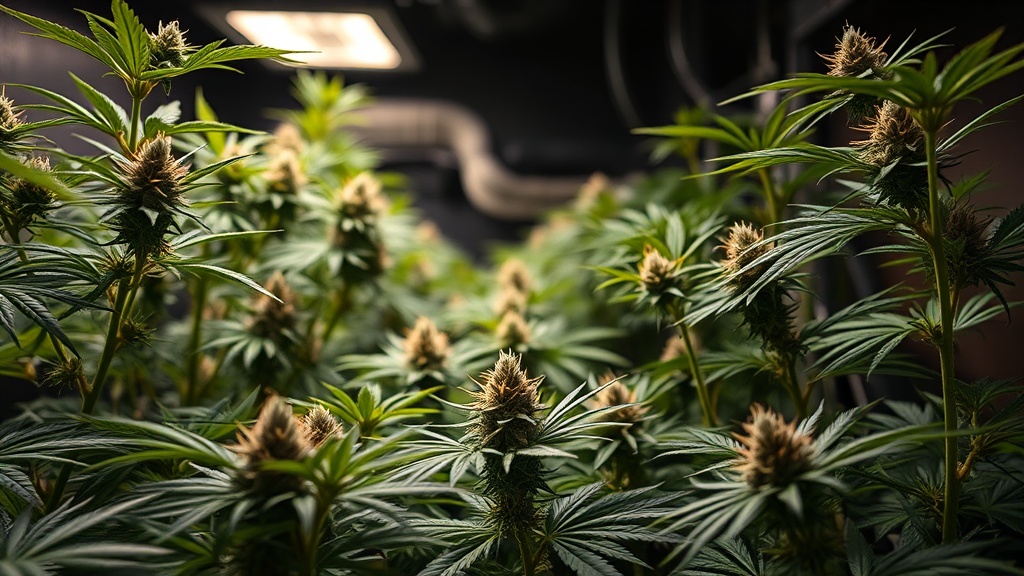
On the growth side, Jager behaves like a classic dense indica. Internodal spacing is tight, branching is moderate, and the plant puts serious energy into bud development over height. That density is your biggest friend and your biggest risk — airflow management isn't optional. You can browse Jager grow journals on Grow Guide to see how other cultivators are running this strain in real conditions.
Environment: Temperature, Humidity, and VPD for Jager Cannabis
Jager's indica structure means your environment needs to compensate for the density that genetics create. Here are the hard numbers to work with:
- Vegetative temps: 72–79°F (22–26°C) day, dropping 5–9°F at night
- Flowering temps: Same daytime range; the nightly drop in late flower (below 68°F) encourages anthocyanin expression — this is what produces the strain's signature purple phenotypes
- Relative humidity (RH) targets:
- Veg: 55–65%
- Early flower (weeks 1–4): 40–50%
- Late flower (weeks 5–9): 38–45%
Don't skip the late-flower humidity drop. Jager's compact flower structure creates microclimates inside buds where moisture lingers. Botrytis (bud rot) and powdery mildew are the two threats that will compromise a Jager crop faster than anything else. Oscillating fans on both the canopy and the floor level — never aimed directly at buds — keep vapor from sitting. Use your Grow Schedule Planner to map out humidity transitions week by week so you're not reacting late.
Lighting: PPFD, DLI, and Photoperiod for Jager Weed
Jager is a photoperiod strain. You hold vegetative growth under 18/6 until the plant is at the structure you want, then flip to 12/12 to initiate flowering. For PPFD targets:
- Veg: 400–600 µmol/m²/s | DLI target: 24–35 mol/m²/day
- Flower: 800–1,000 µmol/m²/s | DLI target: 35–50 mol/m²/day
LED grow lights with dimming capability are the practical choice here — you can ramp intensity up gradually through the flowering stretch rather than hitting the plant with full power on day one of 12/12. Use our Grow Light Calculator to verify your fixture covers the PPFD footprint at your canopy distance, especially if you're running SCROG.
Training Jager Cannabis: Opening the Canopy Before It Locks In
Because Jager gets dense and compact, training isn't a yield-maximization trick here — it's disease prevention. Three methods work well in combination:
- Topping: Do it early in veg (after the 5th node) to create multiple main colas rather than one dominant apical. See our Fimming vs Topping guide if you want to compare methods.
- LST (Low Stress Training): Tie branches outward from the main stem to open the center for airflow. Start this in veg and continue adjusting through the first two weeks of flower.
- SCROG: A screen at 30–40 cm above the medium works well for Jager in a controlled indoor space. Weave growth through the screen during the last two weeks of veg.
For defoliation: do a moderate pass at day 21 of flowering — remove fan leaves blocking bud sites and any growth below the canopy that won't receive light. A light cleanup around day 42 improves airflow heading into the final swell. Don't go heavy-handed; Jager needs its fan leaves to fuel late-stage resin production.
Nutrients for Jager Weed: EC, pH, and What to Dial In
Jager isn't a heavy feeder, but it rewards precision. Get your pH and EC dialed before you chase any deficiency — most problems in this strain are lockout from pH drift, not actual nutrient shortage.
- Soil pH: 6.2–6.8 | Coco/hydro pH: 5.8–6.2
- EC — Veg: 1.2–1.6 mS/cm
- EC — Mid/late flower: 1.8–2.2 mS/cm
In the first two weeks of flowering, hold nitrogen at vegetative levels — Jager stretches through weeks one and two and needs the N to support that tissue development. From week three onward, taper nitrogen while raising phosphorus and potassium. If you're running coco, add supplemental calcium and magnesium from day one; Ca/Mg lockout shows up fast in this substrate and can be mistaken for a different deficiency entirely. Use the Nutrient Deficiency Identifier if you're seeing spots, yellowing, or curl and need to rule out the cause.
Silica supplementation at 50–100 ppm throughout the grow stiffens branches (helpful when Jager's top-heavy buds put weight on the stems) and may contribute to improved resistance against powdery mildew. Add silica to your reservoir before other nutrients — it raises pH and needs to be buffered down before other elements go in.
For a full feeding framework, see our guide on best organic nutrients for cannabis, or if you're still in early stages, best nutrients for cannabis seedlings.
Pest and Disease Management
Jager's dense bud structure is a liability in the wrong conditions. Prevention beats treatment — here's the IPM approach that works:
- Powdery mildew: Apply Bacillus subtilis preventively from week two of veg through week four of flower. Keep RH below 50% in flower and don't let temperature swings create condensation on leaves.
- Botrytis (bud rot): The main risk in late flower. Drop RH to 38–42% and check the interior of large buds weekly from week six onward. At the first sign, remove the affected section with clean scissors — do not shake or disturb the plant.
- Spider mites: Introduce Phytoseiulus persimilis as a predatory mite if you spot webbing. In veg, a sulfur-based spray can knock back a light infestation; stop all foliar applications two weeks before flower.
- Thrips/whiteflies: Amblyseius swirskii sachets hung on branches weekly provide continuous biological control without chemical intervention.
Harvesting Jager Cannabis: Trichome Timing Is Everything
Jager finishes in 56–63 days of flower. Don't use the breeder's number as a harvest trigger — use trichomes and pistils together for an accurate read:
- Trichome target: 80–90% milky white heads, 5–10% amber
- Pistil target: 90–95% brown/orange
- Tools needed: 30–60x loupe or digital microscope
If you want to maximize the sedative, body-heavy effect Jager is known for, push toward 10% amber before cutting. Earlier harvests lean more cerebral. Indoor yields under optimized conditions hit 400–550 g/m²; outdoor plants with long seasons and large containers can reach 600 g–1 kg per plant. Use our Yield Calculator to project your harvest weight against your light footprint and canopy size.
Drying and Curing Jager: Don't Rush the Jar
Jager's terpene profile — the black licorice and pine notes that define the strain — develops almost entirely during cure. A rushed dry produces flat-tasting buds even from a phenotype that smelled extraordinary on the plant.
Drying: Hang whole branches upside down in a dark room at 60–70°F (15–21°C) with 55–65% RH. No direct airflow on buds — oscillating fans in the room keep the air moving without stripping moisture too fast. Target 7–10 days. The test: small stems should snap cleanly, not bend. If they bend, give it another day or two.
Curing: Trim and jar at 75% full in airtight glass. For the first week, burp jars two to three times daily for 15–20 minutes. Weeks two through four, burp once daily. By week four the flavor should be fully expressed. For Jager specifically, the licorice and herbal terpenes continue developing through a six-week cure — if you can wait, do.
Use our Dry & Cure Timer to track burp schedules and moisture milestones, and log everything in your grow diary so your next Jager run benefits from this one's data.
Grow Medium: What Works Best for Jager
Based on Grow Guide platform data, 63% of growers across 1,000 tracked grow journals are using soil as their primary medium — and for an indica like Jager, that's a sensible default. Soil buffers nutrient swings and forgives minor pH drift better than coco, which matters when you're managing a strain that punishes inattention with lockout symptoms. That said, coco growers running drain-to-waste systems at precise EC — 1.2–1.6 mS/cm veg, 1.8–2.2 mS/cm flower — can push noticeably larger yields, especially under strong LED intensity.
Whichever medium you choose, container size matters for Jager outdoors. Plants in 30–40 gallon containers with a full outdoor growing season have reached 1–2 kg per plant. Indoors, a 3–5 gallon fabric pot is standard for a controlled SCROG setup.
Frequently Asked Questions
How long does Jager cannabis take to flower?
Jager flowers in 56–63 days (8–9 weeks) from the flip to 12/12. Don't cut based on the calendar alone — check trichomes with a loupe and wait for 80–90% milky white heads with 5–10% amber for the classic Jager effect profile.
What yield can I expect from Jager indoors?
Under optimized indoor conditions — 800–1,000 µmol/m²/s PPFD, proper VPD management, and SCROG training — expect 400–550 g/m². Suboptimal airflow or high humidity in late flower will cut into that number significantly. Use the Yield Calculator to project against your specific setup.
Why does Jager weed smell like Jägermeister?
The aroma comes from its dominant terpene stack — primarily myrcene (herbal, earthy) and ocimene (sweet, anise-like) — which together produce the black licorice and herbal liqueur profile the strain is named after. The scent intensifies significantly during a proper 4–6 week cure.
Is Jager cannabis prone to mold?
Yes. Its dense indica bud structure traps moisture and creates internal humidity pockets that favor Botrytis and powdery mildew. Keep late-flower RH at 38–45%, ensure strong horizontal airflow, and do preventive Bacillus subtilis applications through week four of flower to minimize risk.
What nutrients does Jager cannabis need?
Jager follows a standard macro schedule with two specific requirements: hold nitrogen at vegetative levels through the first two weeks of flowering to support the stretch, and add silica at 50–100 ppm throughout the grow for stem rigidity and disease resistance. In coco, supplement calcium and magnesium from the start to prevent Ca/Mg lockout.
References
- JointCommerce (2024). Jager Strain: A Comprehensive Strain Guide — documents cultivation parameters including PPFD targets, EC ranges, VPD management, and training recommendations for the Jager indica hybrid. app.jointcommerce.com
- GrowDiaries (2024). Jager Strain Overview — aggregates community grow data and genetic lineage discussion for the Jager/JGR strain, noting probable Hindu Kush ancestry and Southern Oregon origin. growdiaries.com
- BudTrainer (2023). Harvesting Cannabis — outlines trichome and pistil-based harvest timing methodology applicable to indica-dominant strains including Jager. budtrainer.com
- MMJ.com (2024). Drying and Curing Cannabis: A Complete Guide — covers best practices for post-harvest dry and cure cycles including burp frequency, RH targets, and jar fill ratios. mmj.com
- Grow Guide Platform Data (2026). Internal analysis of 1,000 tracked grow journals — referenced for grow medium distribution (63% soil) and environment split (73% indoor) across active cultivators on the platform.