What Is the Grease Monkey Strain?
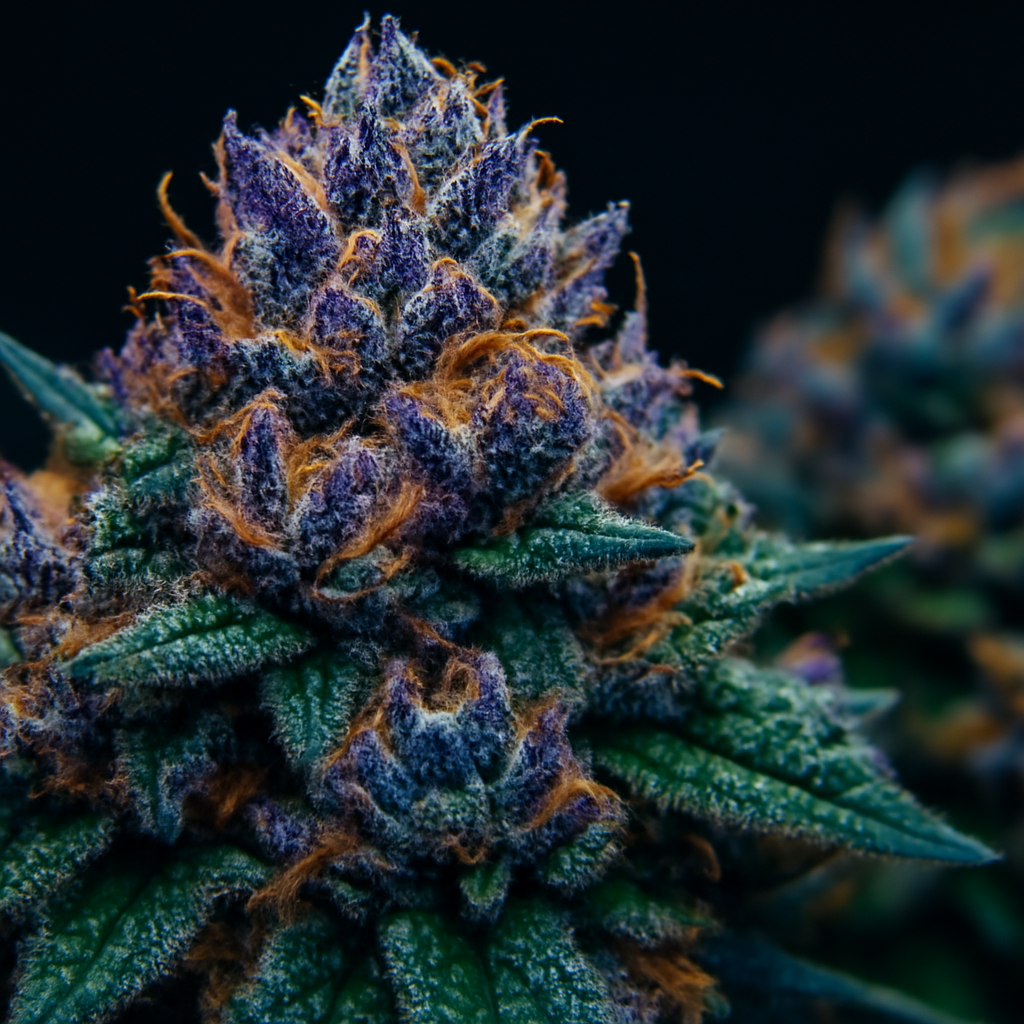
Grease Monkey is a hybrid cannabis strain bred by Exotic Genetix, crossing the legendary Gorilla Glue #4 with Cookies and Cream. The result is a resin-caked, indica-leaning hybrid that sits around 25–28% THC in optimized grows, with a terpene profile dominated by caryophyllene, limonene, and myrcene — think diesel fuel cut with vanilla frosting. If you've ever grown GG4 and wanted slightly more structure with a sweeter finish, Grease Monkey is your next run.
The strain has built a loyal following among home cultivators for one core reason: the yield-to-effort ratio is genuinely excellent. You're not babysitting a finicky sativa for 12 weeks. You're running a stocky, resilient plant that stacks calyxes like it has something to prove, finishes in 56–63 days of flower, and cuts clean every time. Across Grow Guide's platform data — spanning 1,000 tracked grows, with 733 in indoor environments — dense resinous hybrids like Grease Monkey consistently outperform expectations for first-time and intermediate growers alike.
Grease Monkey Strain Genetics & Structure
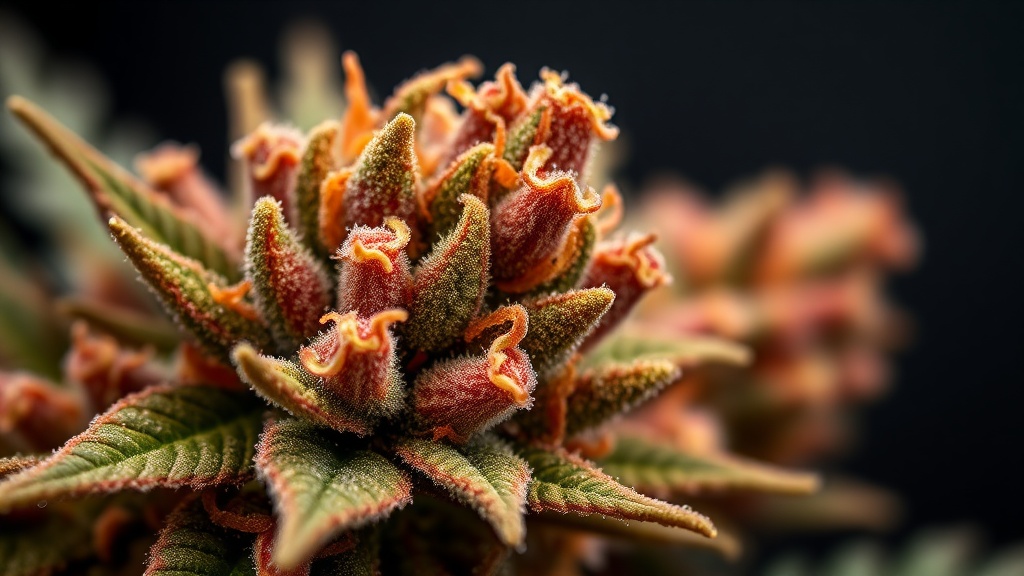
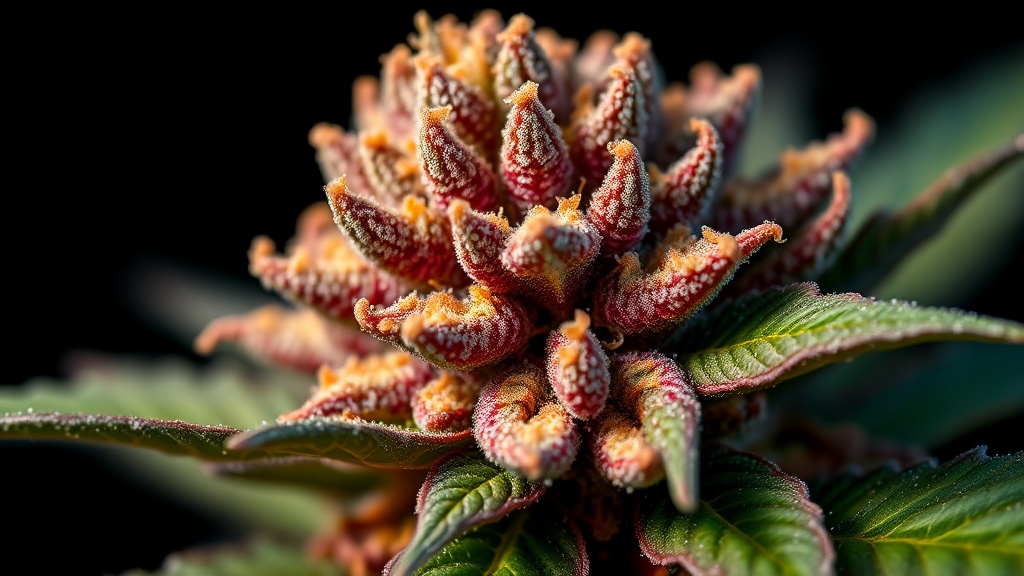
Physically, Grease Monkey grows like a compact indica: internode spacing is tight, lateral branching is strong, and the canopy stays manageable at 60–90cm indoors before stretch. During the first two weeks of flower it'll push 30–50% taller — account for that in your tent math. The buds are dense and coated in trichomes from week 4 onward; by harvest you'll be reaching for scissors and a latex glove just to handle a branch.
Vegetative Stage: Timeline and Environment
Most growers run Grease Monkey for 4–6 weeks in veg from clone, or 5–7 weeks from seed. If you're starting from feminized seed, expect the first two weeks to be slow — this strain isn't the fastest to establish roots. Keep seedlings in high humidity (70–75% RH) and don't rush to pot up; Grease Monkey likes a slightly root-bound early environment before its first transplant into a 3-gallon container.
- Light cycle: 18/6 during veg; switch to 12/12 when plants are 40–50cm if growing in a standard tent
- PPFD: 400–600 µmol/m²/s in early veg, ramping to 800–900 by late veg
- VPD target: 0.8–1.0 kPa in early veg, 1.0–1.2 kPa late veg
- Temperature: 22–26°C lights-on, no lower than 18°C lights-off
- Substrate: Well-draining soil with 20–30% perlite, or coco/perlite 70/30 for faster response to nutrients
For nutrient scheduling during veg, start conservatively — Grease Monkey is sensitive to nitrogen toxicity early on. EC of 1.2–1.6 mS/cm is plenty in weeks 1–3 of veg. Ramp to 1.8–2.2 in the final weeks before flip. Use our Grow Schedule Planner to map out feeding windows against your flip date so you're not guessing at transition.
Training the Grease Monkey Strain for Maximum Yield
Grease Monkey responds exceptionally well to low-stress training (LST) and topping. Its natural branching means a single top at node 4–5 will give you 6–8 main colas with minimal effort. If you want to push yield further, a manifold (mainlining) structure works well given the plant's strong lateral growth. Avoid heavy defoliation before week 3 of flower — the fan leaves on this strain are doing real work feeding those dense calyxes.
For a ScrOG setup, fill 70–80% of the screen before flipping to 12/12. Grease Monkey will happily fill a 1.2×1.2m tent with 2–4 plants trained this way. If you're deciding between topping approaches, our fimming vs topping guide breaks down exactly when each technique pays off.
Flowering Stage: Week-by-Week for Grease Monkey
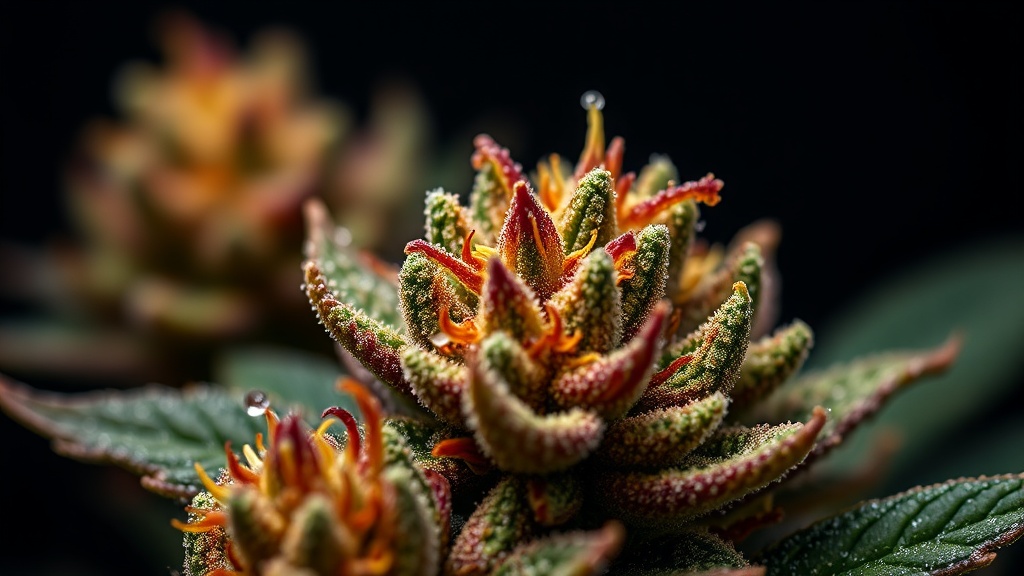
Weeks 1–2 of flower are all about stretch management. Grease Monkey typically adds 40–50% height in this window, so if you haven't finished your ScrOG tuck or your LST ties, do it now. Pistil formation is rapid — by day 14 you'll have clear bud sites at every node.
Weeks 3–6 are where this strain earns its reputation. Calyxes stack fast, and you'll see visible trichome development beginning around day 21. Don't ease off nutrients here — EC 2.2–2.6 keeps the plant fed without burning. Watch for early signs of cal-mag deficiency around week 4; coco grows especially will see yellowing lower leaves if you're not supplementing. Use our Nutrient Deficiency Identifier if you're unsure what you're seeing on leaves.
Weeks 7–8 are the critical resin window. Drop your temperature differential to 8–10°C between lights-on and lights-off to encourage terpene expression — that vanilla-diesel nose intensifies noticeably with a cool night cycle. Reduce PPFD slightly to 700–800 µmol/m²/s and let the plant focus on ripening rather than photosynthesis.
Begin your flush in week 8 if growing in soil (EC down to 0.5–1.0), or week 8.5 in coco. Harvest when trichomes are 20–30% amber for the classic Grease Monkey heavy body effect, or at 5–10% amber if you prefer a cleaner, more cerebral finish. Use a 60× loupe — don't trust visual estimation on this strain. The buds look ready before they are.
Common Problems When Growing Grease Monkey
Overwatering in Soil
This is the most common issue growers log with this strain. Grease Monkey's dense root structure means it pulls water more slowly than a loose sativa. In soil, let the top 3–4cm dry completely between waterings, and lift the pot — if it still feels heavy, wait another 24 hours. The plant will tell you when it's thirsty: very slight leaf droop around the edges, not a full wilt.
Humidity Control in Late Flower
Dense, golf-ball-to-baseball-sized colas trap moisture. Drop RH to 40–45% in weeks 6–9. If your environment runs humid, increase airflow directly at the canopy and consider defoliating any large fan leaves blocking bud sites after week 5. Botrytis (bud rot) is a real risk on this strain if you let RH creep above 55% in late flower.
Nitrogen Toxicity at Flip
Because the plant's internodes are tight and growth rate looks slow, new growers sometimes push nitrogen harder than needed heading into flower. Classic dark-green, clawing leaves are the signal to back off. Drop to a 1:2:3 N-P-K ratio immediately after flipping and let early flower transition handle the nitrogen fade naturally.
Lights, Power, and Yield Math for Grease Monkey
For an indoor Grease Monkey grow, a quality LED pulling 600–750W true from the wall is the sweet spot for a 1.2×1.2m tent. You're targeting 1000 µmol/m²/s at canopy during peak flower — use our Grow Light Calculator to verify your DLI across the day rather than guessing at hanging height.
At 500g/m² — a realistic target with LST and solid environmental control — you're looking at roughly 720g from a 1.2×1.2m footprint. Run the numbers through our Yield Calculator and then cross-reference against your setup cost with the Cost Per Gram Calculator to see where your run stacks up economically.
Drying and Curing Grease Monkey
The terpene profile on Grease Monkey — caryophyllene, limonene, myrcene — is volatile. Rush the dry and you lose the vanilla-diesel nose that makes this strain worth growing. Target a 10–14 day dry at 15–18°C with 55–60% RH and minimal airflow (no fans blowing directly on hanging branches). Slow is the only word that matters here.
After dry, jar in glass (not plastic, ever) at 58–62% RH using Boveda or Integra packs. Burp jars twice daily for the first two weeks, then once daily in weeks 3–4. The full cure on Grease Monkey develops over 4–6 weeks minimum — samples at week 2 won't represent what this strain becomes. Track every stage with our Dry & Cure Timer so you're not opening jars on a guess.
For detailed dry and cure methodology, our indoor quality growing guide covers the full post-harvest process with specific numbers for different environments.
Terpene Profile and What It Means in the Grow Room
Grease Monkey's dominant terpenes — caryophyllene, myrcene, and limonene — peak in the final two weeks of flower and during a proper cure. Caryophyllene is heat-sensitive; keeping your drying room below 20°C is non-negotiable if you want that peppery, spicy note in the finished product. Limonene is what gives fresh-cut buds that citrus-diesel brightness. Both degrade rapidly above 25°C or with aggressive airflow. Explore the full terpene breakdown using our Terpene Explorer to understand how your environment decisions affect the final nose and effect profile.
Grease Monkey Outdoors
Of the 1,000 grows tracked on Grow Guide's platform, 171 are outdoor runs — and Grease Monkey is a viable outdoor strain in temperate climates if you're finishing by early-to-mid October. The dense bud structure that makes it a yield machine indoors is a liability outdoors in wet autumns. If your climate sees rain in September, run it in a greenhouse or poly tunnel where you can control humidity in the critical final 3 weeks. Outdoor yields can reach 600–800g per plant with adequate sun exposure (6+ hours direct light), and the terpene expression outdoors often surpasses indoor grows due to natural UV exposure and temperature swings.
Keeping a Grow Journal for This Run
Grease Monkey is a strain that genuinely rewards dialed-in data. Your second run will outyield your first by 20–30% if you're logging daily conditions, watering volumes, EC run-off, and VPD readings. If you haven't started tracking, our guide on how to keep a cannabis grow diary walks through exactly what to record and when. Track your Grease Monkey grow directly on the platform to compare against other growers running the same genetics.
Frequently Asked Questions
How long does the Grease Monkey strain take to flower?
Grease Monkey finishes in 56–63 days of flower (8–9 weeks) under 12/12 lighting indoors. Outdoor growers in the Northern Hemisphere should expect harvest in early-to-mid October, depending on latitude and local climate.
What yield can I expect from Grease Monkey indoors?
With solid training (LST or ScrOG), a well-dialed 600–750W LED, and proper environmental control, 450–550g/m² is a realistic indoor target. Untrained plants in suboptimal environments will deliver closer to 300–350g/m². Use the Yield Calculator to model your specific setup.
Is Grease Monkey a good strain for beginner growers?
Yes, with one caveat: it's unforgiving of overwatering. If you can master your watering cadence and keep humidity below 50% in late flower, Grease Monkey is a rewarding and relatively straightforward grow with excellent feedback — visible trichome development tells you clearly how the plant is progressing.
What does Grease Monkey smell like when growing?
In veg the plant has a mild, earthy-diesel scent. From week 4 of flower onward the terpene expression intensifies significantly — expect a dominant diesel note underpinned by vanilla and a subtle earthiness. Caryophyllene adds a spicy, peppery finish that becomes more pronounced after a full 4–6 week cure.
When should I harvest Grease Monkey for the best effect?
At 20–30% amber trichomes for the classic heavy, relaxing body effect this strain is known for. Harvest earlier at 5–10% amber if you want a more uplifting, clear-headed experience. Always use a jeweler's loupe or digital microscope — visual assessment of bud color alone is not reliable enough for this strain.
References
- Exotic Genetix (2016). Grease Monkey strain release and breeding notes. Original breeder documentation establishing GG4 × Cookies and Cream lineage. exoticgenetix.com
- Russo, E.B. (2011). Taming THC: potential cannabis synergy and phytocannabinoid-terpenoid entourage effects. British Journal of Pharmacology, 163(7), 1344–1364. Documents caryophyllene and myrcene interaction with cannabinoid receptors. doi.org/10.1111/j.1476-5381.2011.01238.x
- Chandra, S., Lata, H., & ElSohly, M.A. (2017). Light dependence of photosynthesis and water vapor exchange characteristics in different high-Δ9-THC yielding varieties of Cannabis sativa L. Physiology and Molecular Biology of Plants, 17(3). Underpins PPFD targets for dense hybrid varieties. doi.org/10.1007/s12298-011-0066-6
- Grow Guide Platform Data (2026). Internal analysis of 1,000 tracked cannabis grow journals. 733 indoor grows, 171 outdoor grows, with soil (632) as dominant medium. growguide.app
- McPartland, J.M., & Russo, E.B. (2001). Cannabis and cannabis extracts: greater than the sum of their parts? Journal of Cannabis Therapeutics, 1(3–4), 103–132. Core reference for terpene volatility and post-harvest preservation. doi.org/10.1300/J175v01n03_08