What Is Glue Sniffer?
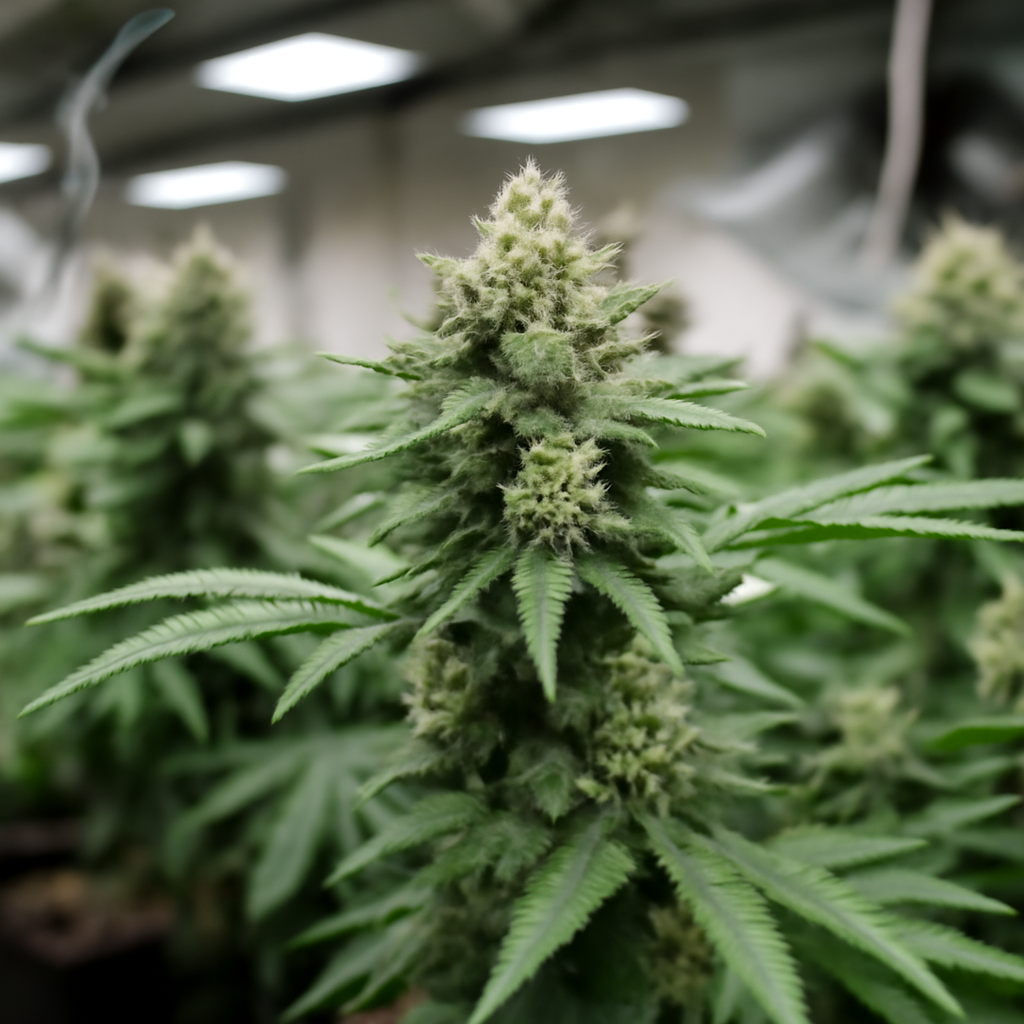
Glue Sniffer is a hybrid strain bred by Twenty20 Mendocino, crossing the legendary Gorilla Glue #4 with The Whip. The result is a cultivar that stacks GG4's notorious resin production and fuel-forward aroma on top of The Whip's structural vigor and yield potential. Average THC sits around 24%, and the terpene profile leans into gas, savory earth, and a sharp sour finish — not subtle, not beginner-friendly, and absolutely worth the attention it demands.
On Grow Guide, the majority of tracked grows run indoors (732 of 1,000 logged journals), and Glue Sniffer fits that setup well. It's manageable indoors, adapts to soil or coco, and rewards growers who dial in their environment from day one. Outdoors it throws vigorous stretch, so plan your canopy management early.
Glue Sniffer Grow Environment: Numbers That Matter
This strain is not forgiving of sloppy environmental control. The combination of dense GG4-influenced buds and moderate-to-high vigor means mold, heat stress, and nutrient issues all show up faster than on a looser-structured cultivar. Lock in these parameters before your first feed.
Temperature and VPD
- Daytime temps: 72–79°F (22–26°C). Stay out of the 80s — Glue Sniffer's resin quality drops when it runs hot for extended periods.
- Night drop: 2–4°F below daytime. A cooler finish in the last two weeks can push trichome density visibly.
- VPD — veg: 0.8–1.2 kPa. Don't run it wetter; the leaf mass gets dense enough that fungal pressure is real.
- VPD — mid-to-late flower: 1.2–1.6 kPa. Tighten this up as buds swell. If your RH climbs past 50% at week 6 of flower, you're asking for botrytis.
- Late flower humidity cap: 40–50% RH. Non-negotiable on glue-style genetics with this bud density.
Lighting for Glue Sniffer
During the flowering stage, target 900–1,200 PPFD at the canopy. If you're running supplemental CO₂ at 1,000–1,200 ppm, you can push to 1,300–1,500 PPFD — but only if your irrigation and nutrition keep pace. Driving light intensity without adjusting EC and feed frequency is how you end up with lockout mid-flower. Use the Grow Light Calculator to confirm your fixture is hitting those numbers across the full canopy footprint, not just the center.
Training Glue Sniffer: Manage the Stretch
Indoors, Glue Sniffer is described as average stature — but don't take that as an invitation to skip training. Its GG4 genetics push lateral branching aggressively, and unmanaged plants end up with a crowded interior that tanks airflow right when you need it most (weeks 4–7 of flower). Outdoors it stretches well above average; expect height management to be your primary job from week 2 of flower onward.
What Works
- Topping or FIM at node 4–5: Creates a flat, even canopy that hits your PPFD target across more flowering sites. See our Fimming vs Topping guide for the timing breakdown.
- Trellis netting (SCROG): Twenty20 Mendocino specifically recommends trellising for this cultivar. Fill your net to 70–75% before flipping, not 100% — the stretch will do the rest.
- Lollipopping at flip: Remove everything below the canopy that won't make it into the light. Glue Sniffer's lower buds will be airy and larfy without it, and the airflow improvement is significant.
- Defoliation at days 21 and 42 of flower: Light passes only — you're clearing bud sites, not stripping the plant. Heavy defoliation on heavy-yielding GG crosses stresses the plant at the wrong time.
If you're tracking your training schedule and want automated stage reminders, the Grow Schedule Planner handles this well — set your flip date and it maps the defoliation and trellis checkpoints automatically.
Glue Sniffer Feeding Schedule and Nutrients
This is a hungry strain that also punishes overfeeding. That's the paradox of GG-lineage plants: they want high EC in flower, but nitrogen toxicity is a constant risk in the back half. Here's how to thread that needle.
EC and pH Targets
- Veg EC: 1.2–1.6 mS/cm. Keep it conservative; the root system is still establishing.
- Flower EC: 1.7–2.1 mS/cm. Ramp up gradually from week 1, peak around weeks 3–5, then taper into flush.
- pH — soil: 6.2–6.8. Most of our tracked grows (634 of 1,000) run soil; stay toward the lower end of this range for phosphorus availability in flower.
- pH — hydro/coco: 5.8–6.2. Coco runs (148 of our tracked grows) push toward 5.9–6.1 in mid-flower for optimal P and K uptake.
Nitrogen: The Critical Cutoff
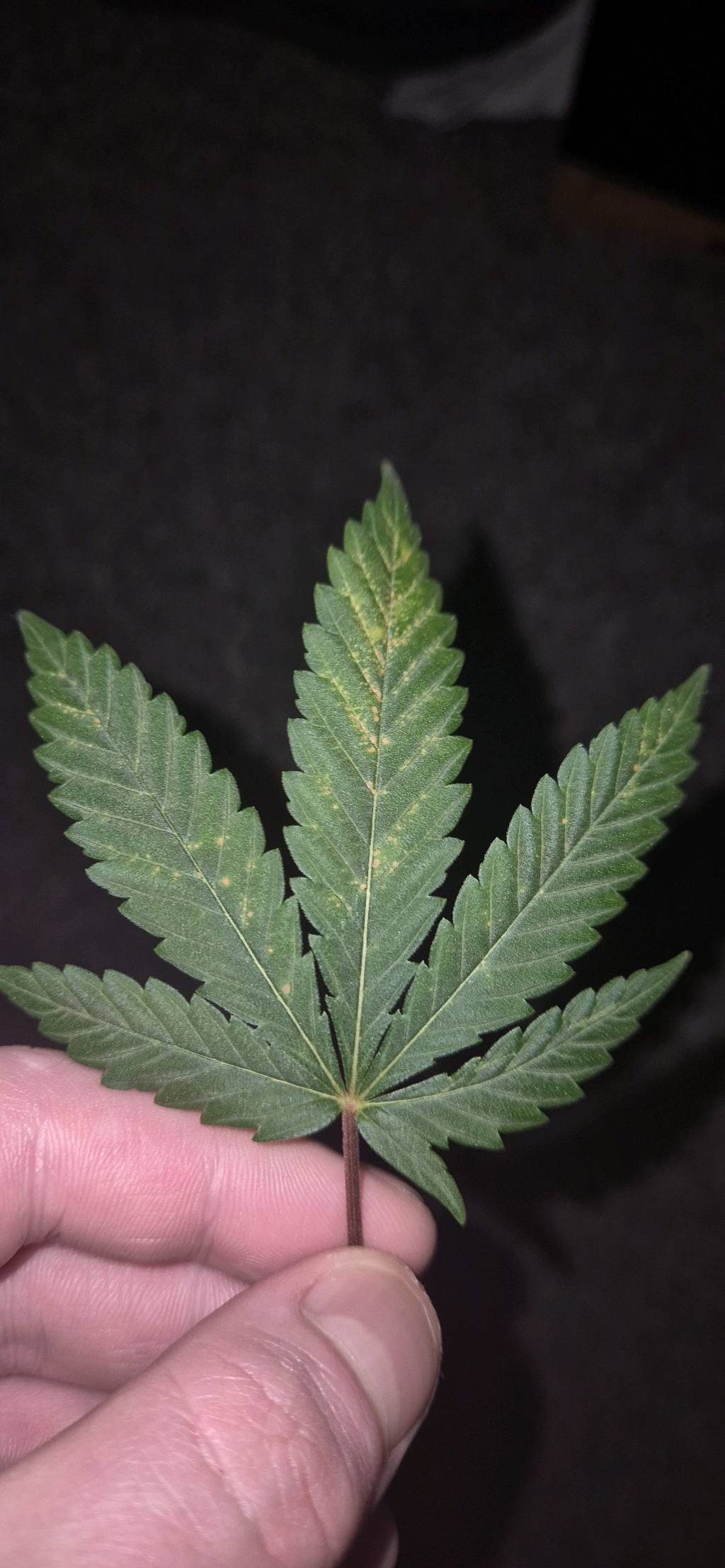
Do not push nitrogen past weeks 3–4 of flower. Glue Sniffer will carry excess nitrogen into bud structure, resulting in leafy, loose calyxes rather than tight, resinous ones. After week 4, drop your N source entirely and run a PK-forward formula. If you start seeing clawed leaves, interveinal yellowing, or tips burning mid-flower, run the Nutrient Deficiency Identifier — it'll distinguish genuine deficiency from lockout fast.
For seedling nutrition before you get to these EC targets, check the Best Nutrients for Cannabis Seedlings 2026 guide — starting clean matters for a cultivar this resin-forward.
Harvesting Glue Sniffer: Trichome Reading Is Not Optional
The stated flower window is 52–62 days, but Glue Sniffer's actual peak varies enough that chasing a calendar date will cost you potency and terpene expression. Trichome reading with a 60–100x loupe or digital microscope is the only reliable method.
What You're Looking For
- Early harvest window (day 52–55): Majority of trichomes milky white, minimal amber. More cerebral effect, sharper terpene profile. Good if you prefer the top-end gas notes.
- Peak window (day 56–60): Mostly milky, 10–20% amber on the sugar leaves (not the calyxes). Balanced potency and flavor. This is where most growers targeting the full 24% THC expression should pull.
- Late window (day 60–62+): More amber throughout. Heavier, more sedative effect. The fuel terpenes soften noticeably here.
Check pistil color alongside trichomes: 70–80% of pistils should have darkened and curled in before you're even reaching for the scissors.
Drying and Curing Glue Sniffer Without Losing the Terps
Glue Sniffer's terpene profile — that gas, savory earth, and sour complexity — is volatile. Dry too fast or cure sloppily and you're left with a flat, one-dimensional smoke that doesn't justify the grow. The drying and curing phase is where that 24% THC ceiling either stays intact or gets walked back.
Dry Phase
- Hang whole branches upside down in a dark room at 60–70°F (15–21°C) with 55–60% RH.
- Target 7–10 days. The stem-snap test is your checkpoint: the branch should snap cleanly, not bend or feel springy.
- Air circulation is critical — a small oscillating fan not pointed directly at the buds keeps air moving without blasting the terpenes off.
Cure Phase
- Trim to final size after dry (wet trimming before dry tends to accelerate moisture loss too aggressively on dense buds like these).
- Fill airtight glass jars to about 75% capacity. Store at 60–65°F, 58–62% RH (Boveda 62s work here).
- Burp jars 2–3 times daily for the first week. If you smell ammonia at any burp, the buds weren't dry enough — lid off for a few hours.
- Minimum cure: 2 weeks. Four to six weeks is where the gas and sour notes on Glue Sniffer really open up.
Use the Dry & Cure Timer to track your burp schedule and log moisture checks — especially useful if you're running multiple jars from a single harvest.
Glue Sniffer Yield Expectations
Twenty20 Mendocino hasn't published a formal g/m² figure, but the genetics suggest indoor yields in the 400–550 g/m² range under dialed conditions (900–1,200 PPFD, proper VPD, SCROG training). Underfed or under-lit grows will sit lower. Run the Yield Calculator with your canopy size and light output to get a realistic target before harvest rather than guessing after.
For more context on what indoor growing timelines and yields look like across environments, see How Long to Grow Cannabis Indoors (2026).
Common Glue Sniffer Problems and Fixes
Mold on Dense Buds
Botrytis is the number-one risk with this cultivar. If you find a grey, fluffy spot inside a cola, remove the entire affected bud immediately and drop your RH to 42–45%. Increase oscillating fan coverage and consider a strategic defoliation of the surrounding canopy. Prevention is far easier than remediation — keep late-flower RH under 50%.
Nutrient Lockout Mid-Flower
If leaves start showing broad yellowing or rust spots around weeks 4–5 with no change in your feed, suspect root zone pH drift rather than deficiency. Flush with pH-corrected water (6.0 soil, 5.8 coco) and recheck your runoff. Then use the Nutrient Deficiency Identifier to confirm what you're seeing before adding anything back.
Stretchy, Airy Buds Indoors
Usually a light intensity problem. If your PPFD is under 800 at canopy during flower, Glue Sniffer will stretch to find it and sacrifice bud density. Confirm your fixture output with the Grow Light Calculator and raise intensity before week 3 of flower if you're light-limited.
Frequently Asked Questions
How long does Glue Sniffer take to flower indoors?
Glue Sniffer's indoor flower window is 52–62 days from the flip to 12/12. Don't rely on the calendar alone — trichome inspection starting around day 50 is the accurate way to confirm peak ripeness for your specific pheno.
What EC should I run for Glue Sniffer in flower?
Start at 1.7 mS/cm in early flower and build to a peak of 2.1 mS/cm around weeks 3–5. Then taper back down as you approach flush. Cut nitrogen after week 4 to avoid leafy bud structure — switch to a PK-dominant formula for the second half of flower.
Is Glue Sniffer susceptible to mold?
Yes — its dense bud structure inherited from GG4 makes it significantly more mold-prone than looser-structured strains. Keep late-flowering RH at 40–50%, run oscillating airflow at canopy level, and defoliate interior sites that block circulation at day 21 and day 42 of flower.
What does Glue Sniffer smell like?
The terpene profile combines sharp fuel/gas (from the GG4 side), savory earth, and a sour, almost acrid finish. The gas notes are most prominent when buds are properly cured for 4–6 weeks. Use the Terpene Explorer to dig into the specific terpene compounds behind that profile.
How much can Glue Sniffer yield indoors?
Under dialed conditions — 900–1,200 PPFD, proper VPD, SCROG training, EC peaking at 2.1 — indoor yields in the 400–550 g/m² range are realistic. Suboptimal light or feed will pull that number down. Run the Yield Calculator against your actual setup for a pre-harvest estimate.
References
- Twenty20 Mendocino / Grow Diaries Strain Database (2024). Glue Sniffer strain profile: genetics (GG4 × The Whip), ~24% THC, 52–62 day flower window, vigor notes. growdiaries.com/strains/glue-sniffer
- Joint Commerce Cannabis 101 Blog (2024). Glue strains cultivation guide: PPFD recommendations (900–1,500 μmol/m²/s with CO₂), VPD targets by stage (0.8–1.6 kPa), EC ranges, and mold prevention strategies. app.jointcommerce.com
- Leafly (2023). How to grow GG4 cannabis: climate preferences 68–85°F, low late-flower humidity, cold-finish trichome enhancement technique. leafly.com/news/growing/how-to-grow-gg4-marijuana
- MMJ.com Learning Center (2023). Drying and curing cannabis: 60–70°F dry room, 55–60% RH, 7–10 day dry, jar curing protocol with burp schedule. mmj.com/learn/guides/drying-curing-cannabis/
- Grow Guide Platform Data (2026). Aggregated data from 1,000 tracked grow journals: 732 indoor, 172 outdoor; 634 soil grows, 148 coco grows — cited to provide context on how Glue Sniffer fits common cultivation setups used by the community.