What Is the Ghost OG Strain?
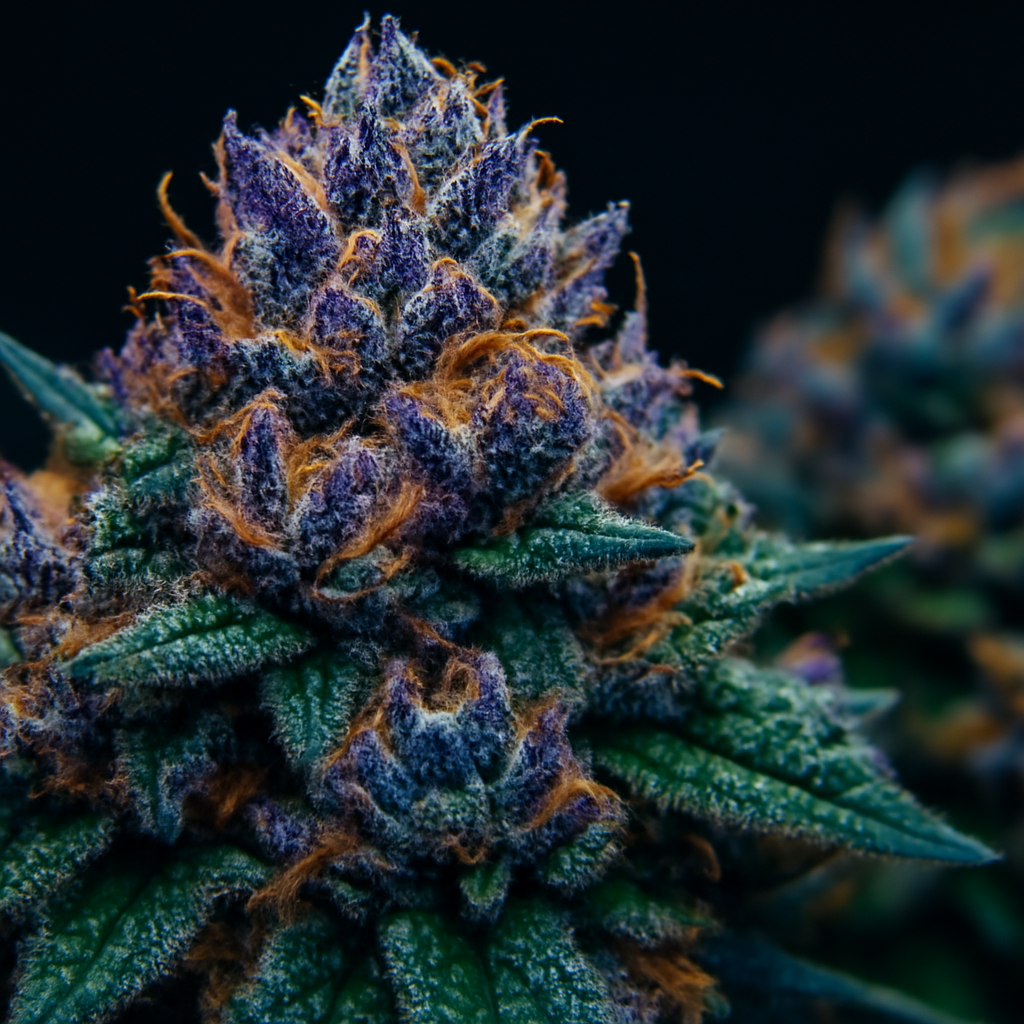
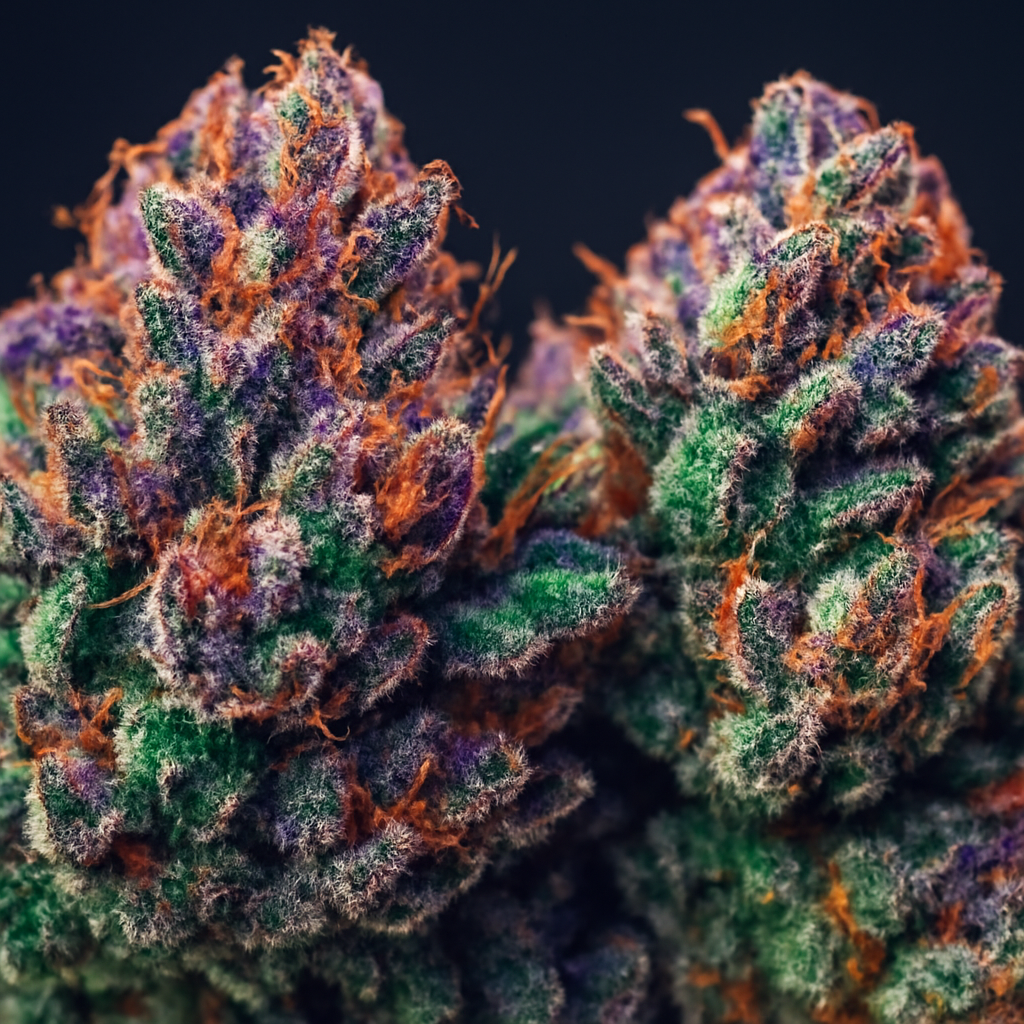
The Ghost OG strain is a phenotype cut of OG Kush — a 70/30 indica-dominant hybrid that developed a cult following in California dispensaries before spreading into home grow rooms across the country. It carries the classic OG lineage: dense, lime-green buds covered in a thick layer of trichomes, a sharp citrus-pine aroma driven by limonene and myrcene, and a heavy, sedating effect profile that made it one of the most imitated OG cuts of the last two decades. If you want to explore its terpene breakdown in detail, the Terpene Explorer is a good starting point.
Unlike many modern hybrids, Ghost OG is not commercially available as seed stock. You're working with a clone — which means stability is high, but you need a reliable source before you start planning your grow. Once you have that clone, this guide covers everything from environmental targets through dry and cure.
You can also track your entire Ghost OG grow alongside other growers at Grow Guide's Ghost OG grow journals — useful for comparing timelines and yields in real grows.
Ghost OG Grow Timeline at a Glance
Getting Your Ghost OG Clone Established
Because the Ghost OG strain only reliably circulates as a clone, your first priority is root development. Take cuttings at 4–6 inches, make a clean 45-degree cut at the node, and place into a rockwool cube or rapid rooter at 72–75°F (22–24°C) with a humidity dome at 80–85% RH. Roots typically emerge within 10–14 days under low-intensity light (150–200 µmol/m²/s). Don't push nutrients hard at this stage — a dilute rooting solution at EC 0.6–0.8 mS/cm is all you need.
Once roots are visible at the cube base, transplant into your chosen medium. Of the 1,000 grow journals tracked on Grow Guide, 63.3% of growers use soil as their primary medium — and it's a solid choice for Ghost OG given its sensitivity to overfeeding. Coco coir runners (14.8% of tracked grows) can push faster growth but requires tighter EC and pH discipline.
Vegetative Stage: Training Ghost OG for a Productive Canopy
Ghost OG responds extremely well to topping and low-stress training (LST). Veg for 3–4 weeks after transplant to a final container — typically a 5-gallon pot for a single plant or 3-gallon for a tighter multi-plant setup. Top the plant above the 4th or 5th node once it's well-established, then use LST ties to spread main branches horizontally and encourage an even canopy. If you're running a SCROG, weave branches through your net during weeks 2–3 of veg so the canopy is level before the flip.
For a full breakdown of topping technique and timing, see our guide on Fimming vs Topping Cannabis.
Veg environmental targets:
- Temperature: 75–82°F (24–28°C) daytime, 65–70°F (18–21°C) lights-off
- RH: 55–65% (target VPD 0.8–1.0 kPa)
- PPFD: 400–600 µmol/m²/s
- Photoperiod: 18/6
- pH (soil): 6.2–6.8 | pH (coco/hydro): 5.8–6.2
- EC: 1.0–1.3 mS/cm
Use the Grow Schedule Planner to map your flip date and count backwards through your training timeline.
Flowering the Ghost OG Strain: Lights, Nutrients, and Environment
Flip to 12/12 once your canopy is even and your SCROG net (if using) is 70–80% full. Ghost OG has a typical OG flowering window of 8–9 weeks — plan for harvest around day 56–63 of 12/12. It stretches moderately in early flower (week 1–3), so if you're working in a shorter tent, flip a week earlier than you think you need to.
Flowering temperature targets: 68–78°F (20–26°C) during the light period, dropping to 62–68°F (17–20°C) lights-off. A 10°F differential in late flower can push Ghost OG's already impressive resin production even further and can bring out some purple tint in the buds — a trait this cut is known for in cold-finish runs.
Use the Grow Light Calculator to confirm you're hitting the right PPFD targets across your canopy, especially if you're running a single fixture over a multi-plant SCROG.
Nutrients for Ghost OG in Flower
Ghost OG is sensitive to nitrogen excess — classic OG trait. If you push N too hard past week 3 of flower, you'll see dark, waxy leaves and slowed bud development. Back nitrogen off sharply at the transition into mid-flower (week 4) and let phosphorus and potassium do the work. A phosphorus-heavy bloom feed at EC 1.6–2.0 mS/cm through weeks 4–7 is where the real bud density is built.
If you spot any signs of mid-flower deficiency — particularly magnesium or calcium, which are common in OG phenotypes — run the Nutrient Deficiency Identifier before adjusting. Mag-cal issues in heavy-feeding OG cuts often look like a deficiency but are actually a pH-lockout problem, especially in soil around pH 7.0+. Keep your runoff pH between 6.2–6.5 in soil and you'll avoid most lockout scenarios.
For a deeper dive into nutrient selection, see our Best Organic Nutrients for Cannabis guide — several of those options work extremely well with the OG feeding profile.
Harvesting Ghost OG: Trichome and Pistil Timing
Ghost OG finishes at 8–9 weeks of 12/12 in most indoor environments. Don't harvest by the calendar alone — use both pistil and trichome indicators together:
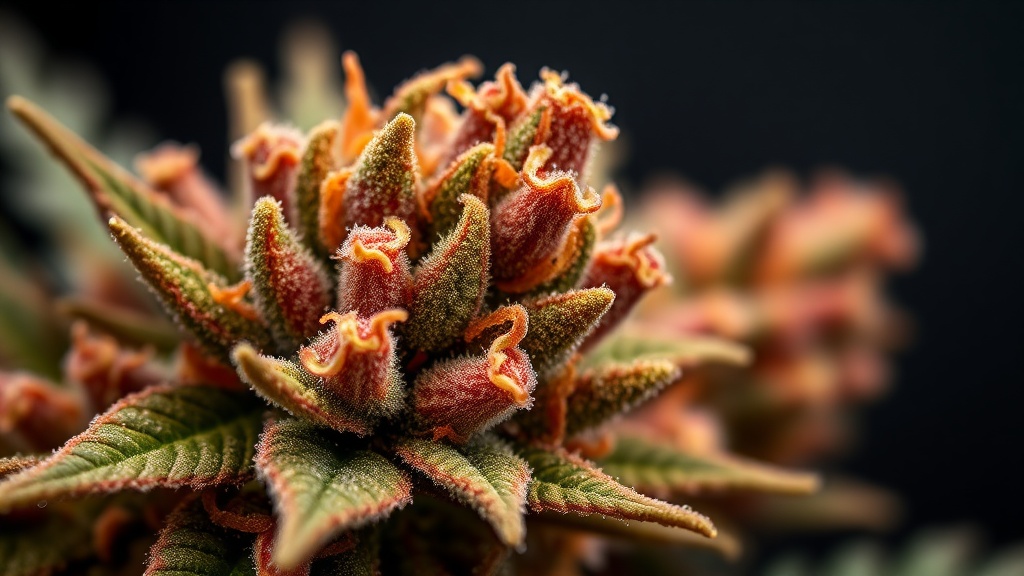
- Pistils: Wait until 50–70% have darkened and curled inward. At 30–40% darkened pistils, you're still 1–2 weeks away.
- Trichomes (60x loupe or scope required): Harvest when trichomes on the bud (not just sugar leaves) are predominantly milky white (cloudy) with 10–20% amber. Clear trichomes still present = not ready. More than 30% amber = THC degrading to CBN, which pushes the effect profile toward heavy sedation and couch-lock.
In the final 5–7 days before harvest, dropping lights-off temperatures to 58–62°F (14–17°C) and reducing the light period to 10/14 can intensify terpene production. Ghost OG's limonene-forward profile responds well to this cold finish.
Drying and Curing Ghost OG
The dry and cure phase on Ghost OG is not optional — it's where the terpene profile actually develops. A rushed dry on an OG cut will cost you weeks of flavor development that you can't get back.
Dry: Hang whole branches or half-plants upside down in a dedicated dark drying space. Target 60–65°F (15–18°C) and 55–62% RH for a slow, even dry over 7–10 days. Avoid pushing airflow directly over the buds — use indirect circulation. The stems should snap, not bend, before you jar.
Cure: Trim and jar into airtight glass containers (mason jars work well) at roughly 60–65% bud moisture (use a Boveda 62 pack for verification). Burp daily for the first 5–7 days — open lids for 5–10 minutes per session to release CO2 and moisture. After the first week, burp every 2–3 days. Minimum cure for Ghost OG is 3 weeks; 6 weeks is where the citrus-pine terpene profile really opens up.
Use the Dry & Cure Timer to track your burping schedule and get reminders at the right intervals — particularly helpful across the variable first two weeks when daily attention matters most.
Yield Expectations and Environment Optimization
Ghost OG is a moderate yielder by modern standards — dense buds compensate for lower volume. Indoor soil grows under 600–1000W HPS or equivalent LED typically yield 350–500g/m² with proper SCROG training and 4-week veg. Pushing beyond that requires dialling CO2 (800–1200 ppm), tight VPD management throughout flower, and strong root zone health in a proven container size.
Run your setup through the Yield Calculator before harvest to model expected output against your canopy size and light intensity — particularly useful if you're comparing grow runs or scaling up.
For broader indoor growing technique context, our How to Grow Good Cannabis Indoors guide covers environmental dialling and system setup in detail.
Common Ghost OG Growing Problems
Bud rot is the primary risk with Ghost OG due to its dense, tightly packed cola structure — identical to other OG cuts. In the final two weeks, keep RH strictly at 40–45%, run oscillating fans through the canopy, and consider a strategic defoliation session at day 21 and day 42 of flower to improve airflow into tight bud sites.
Frequently Asked Questions
Is Ghost OG available as seeds or only as a clone?
Ghost OG is almost exclusively available as a clone. It's a specific OG Kush phenotype that has been maintained through clone-only propagation, meaning no commercially verified seed version preserves the original genetics. Source your cut from a reputable dispensary, clone bank, or trusted grower.
How long does Ghost OG take to flower indoors?
Ghost OG typically flowers in 8–9 weeks (56–63 days) of 12/12 lighting indoors. Harvest timing should always be confirmed with trichome inspection — aim for mostly milky trichomes with 10–20% amber on the bud itself, not the sugar leaves.
What PPFD should I run for Ghost OG in flower?
Target 800–1000 µmol/m²/s PPFD during mid-flower (weeks 4–7). With CO₂ supplementation at 800–1200 ppm, you can push to approximately 1200 µmol/m²/s. Without CO₂, exceeding 1000 µmol/m²/s offers diminishing returns and risks light stress on exposed bud sites.
Why does my Ghost OG have dark, clawing leaves in flower?
This is nitrogen toxicity — the most common feeding mistake on OG phenotypes. Cut nitrogen sharply at week 3–4 of flower, flush once with plain pH-corrected water, and transition to a high-P/K bloom feed at EC 1.6–1.8 mS/cm.
How long should I cure Ghost OG before smoking?
Minimum 3 weeks in airtight glass jars with daily burping in week one. For the full citrus-pine terpene expression Ghost OG is known for, a 6-week cure makes a noticeable difference. Use a Boveda 62 humidity pack and the Dry & Cure Timer to stay on schedule.
References
- Leafbuyer (2024). Ghost OG Strain Overview. Describes Ghost OG as a 70/30 indica-dominant OG Kush phenotype with distinctive terpene and effect profile. leafbuyer.com
- Joint Commerce / Illicit Cannabis (2024). Ghost OG Strain: A Comprehensive Strain Guide. Provides cultivation data including temperature ranges, PPFD targets, EC levels, and training recommendations for Ghost OG. app.jointcommerce.com
- Strainy (2024). Ghost OG Cannabis Strain. Documents humidity targets, harvest indicators (pistil and trichome timing), and curing recommendations specific to Ghost OG. strainy.com
- Chandra, S., Lata, H., & ElSohly, M.A. (2017). Light Dependence of Photosynthesis and Water Vapor Exchange Characteristics in Different Cannabis Strains. Journal of Applied Research on Medicinal and Aromatic Plants. Establishes PPFD response curves relevant to indica-dominant cannabis cultivars in controlled environments. doi.org/10.1016/j.jarmap.2017.02.002
- Grow Guide Platform Data (2026). Internal Grow Journal Analytics — 1,000 Tracked Grows. Original platform data: 73.2% of tracked grows are indoor, 63.3% use soil as primary medium. Unpublished aggregate data, Grow Guide.