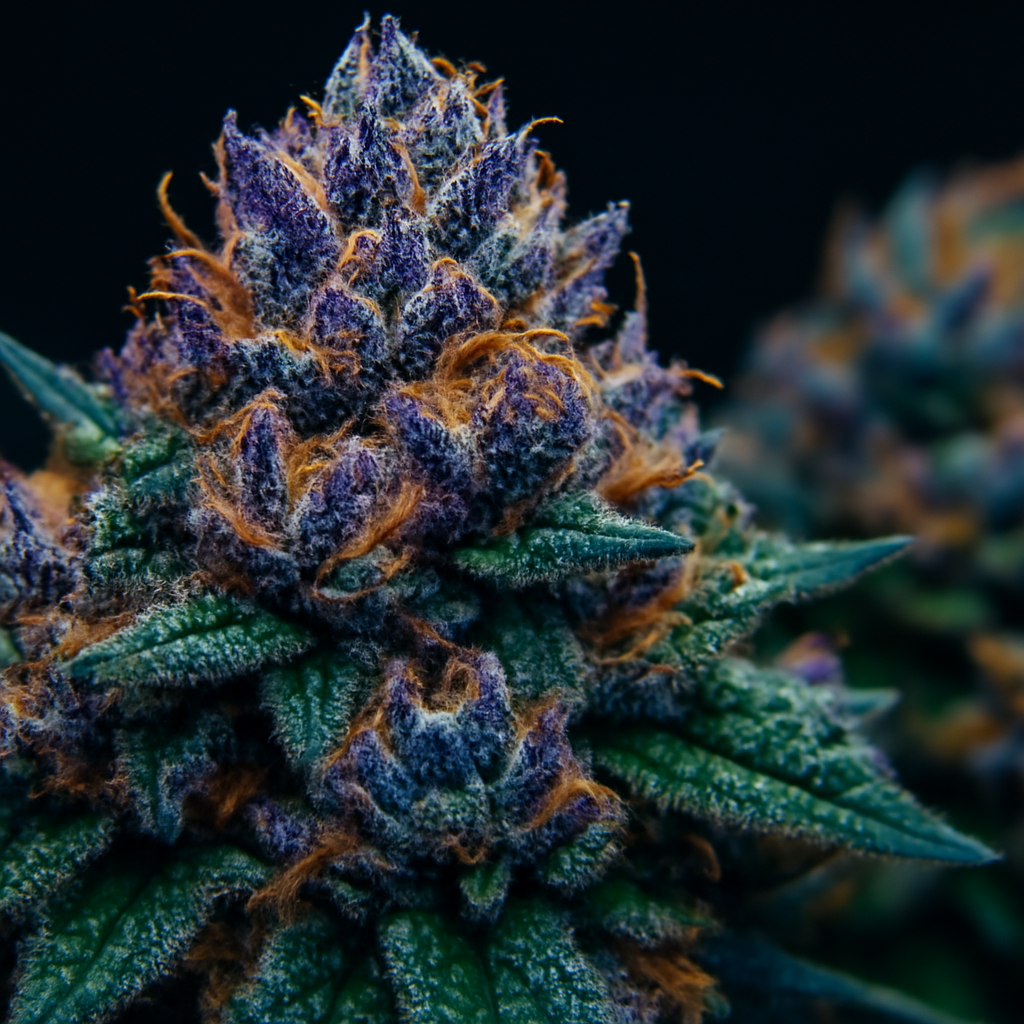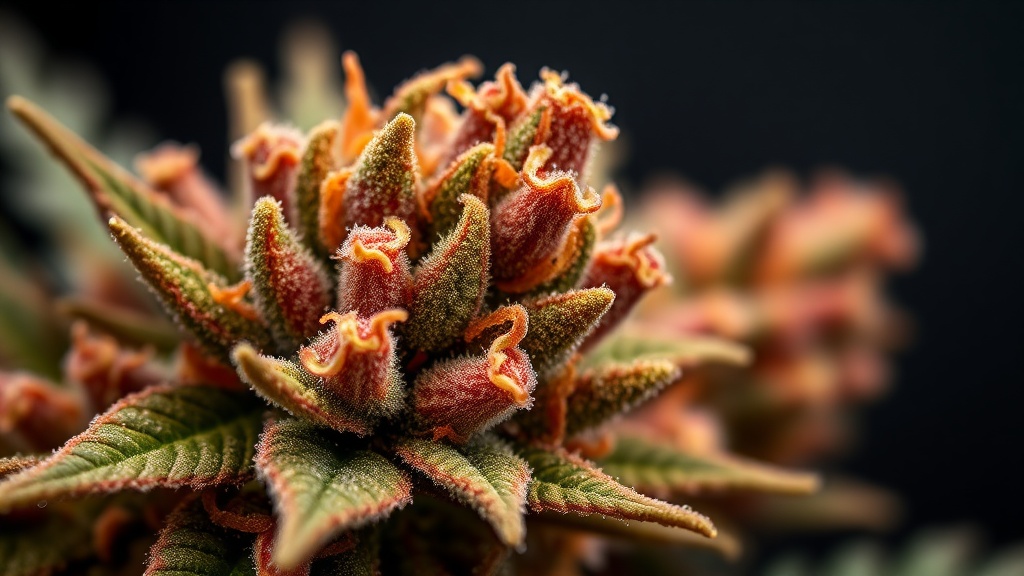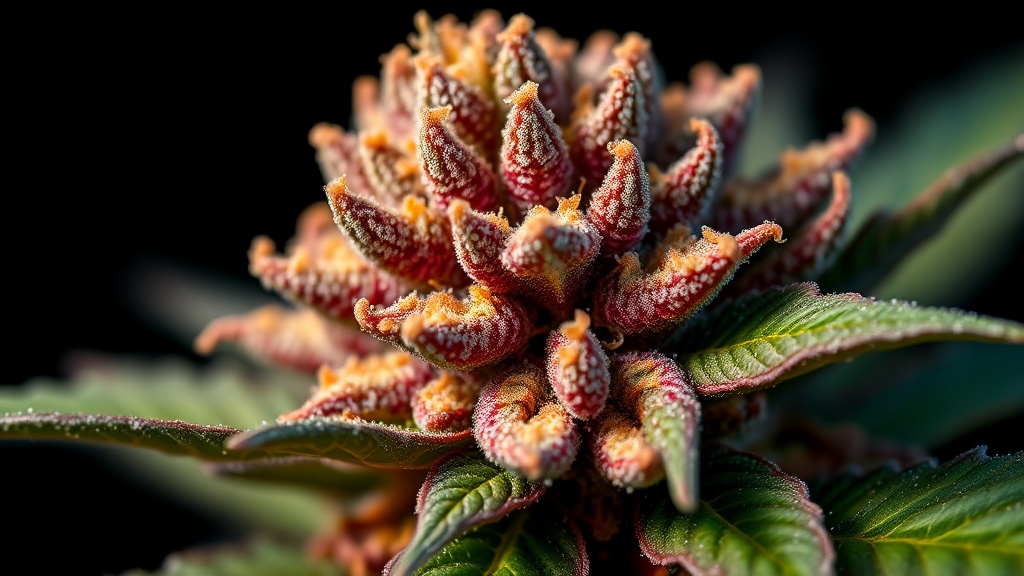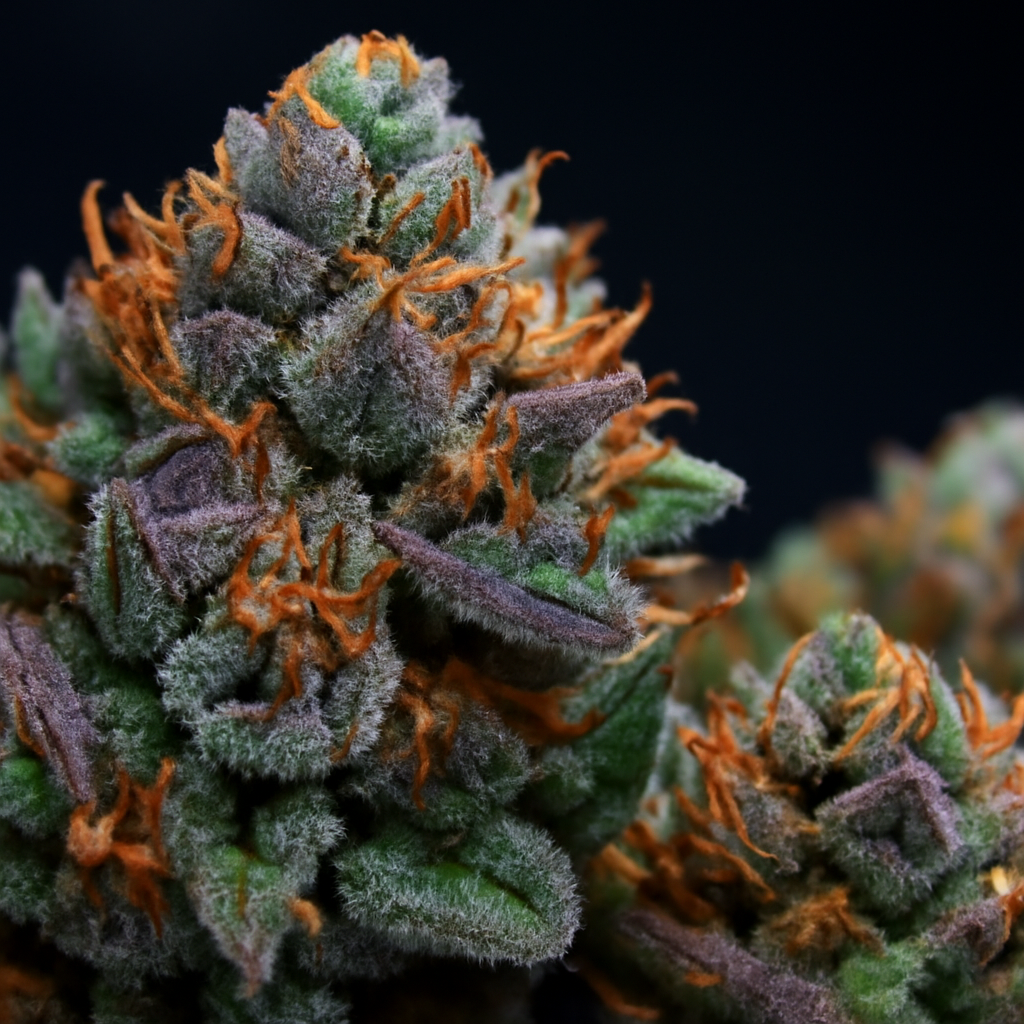
What You're Working With: Brownie Scout at a Glance
The Brownie Scout strain is an indica-dominant hybrid crossing Platinum Girl Scout Cookies with Kosher Kush. The result is a squat, densely branching plant that produces some of the heaviest, resin-packed buds you'll grow — but also some of the most demanding. We're talking documented THC levels up to 38%, a flowering window of 8–9 weeks, and a growth habit that can push 5–8 feet without aggressive training.
Out of 1,000 grow journals tracked on Grow Guide, 73% of cultivators run indoor environments — and Brownie Scout's sensitivity to heat, humidity swings, and overfeeding makes it a strain that rewards growers who stay on top of their data. If you have plants in front of you right now and something looks off, this article walks you through exactly what to look for, what caused it, and how to fix it before it costs you your harvest.
What It Looks Like: Symptom Map for Brownie Scout Strain Problems
Brownie Scout problems cluster into five main categories. Most of them show up between weeks 3 and 6 of flower, when the plant is pushing hard into bud development and environmental stress hits hardest. Here's how to read what you're seeing:
What Causes Each Problem: Root Causes Specific to Brownie Scout
① Bud Rot and Gray Mold (Botrytis cinerea)
This is Brownie Scout's number one killer. Its Kush genetics give it extremely dense bud architecture — the inner core of a mature cola can have near-zero airflow. When relative humidity climbs above 50% during flower (which it often does when lights go off and temperatures drop), moisture gets trapped inside. You won't see it until you part the buds and find brown, web-like mycelium. By then, the infection is already 5–7 days old.
② Nutrient Burn
Brownie Scout is a heavy feeder in veg but becomes markedly more sensitive during the transition into flower weeks 1–3. Growers who carry veg EC levels (1.8–2.2 mS/cm) straight into early flower end up with crispy, brown-tipped leaves within days. It's not aesthetic — salt accumulation at the roots starts locking out calcium and potassium, directly hitting bud density.
③ Magnesium Deficiency
This shows up consistently in mid-to-late flower, especially in coco coir grows or when pH drifts below 6.0 in soil. Interveinal yellowing starting on mid-canopy fan leaves (not the bottom-most) is the tell. Brownie Scout's high metabolic rate during bud swell means it burns through magnesium fast, and a feeding schedule built for a lighter strain won't keep up.
④ Heat Stress
Brownie Scout's optimal temperature window is tight: 70–80°F (21–27°C). Push above 82°F at canopy level and you'll see leaves taco-curling upward within 24 hours. Sustained heat over 85°F during weeks 5–8 of flower degrades terpenes and can cause foxtailing — the buds grow elongated false calyxes instead of stacking, tanking both density and visual appeal.
⑤ Overwatering and Root Issues
Brownie Scout's indica-dominant root structure prefers wet-dry cycles. Across Grow Guide's 1,000 tracked journals, 63% of growers run soil — and soil growers are most prone to overwatering with heavy feeders because they compensate with more frequent irrigation. Roots need oxygen. Consistently saturated medium means anaerobic zones develop, inviting pythium and causing the classic drooping, clawing leaf posture that looks like a nitrogen toxicity problem but isn't.
How to Fix Each Brownie Scout Strain Problem
Fixing Bud Rot — Act in 24 Hours
- Remove infected material immediately. Put on gloves, use sterile scissors, and cut 2–3 inches below visible infection. Seal infected buds in a bag before removing from the tent — disturbing them releases millions of spores.
- Drop RH to 40–45%. This is your floor. Use a dehumidifier rated for your space, not a small desktop unit. In a 4×4 tent, you need at least a 30-pint unit running continuously.
- Increase airflow directly through the canopy. Add oscillating fans below the canopy level pointing upward. Dead air pockets inside dense colas are where Botrytis lives.
- Consider potassium silicate foliar spray (not during lights-off). 1 mL/L helps strengthen cell walls. Stop foliar applications at week 5 of flower to avoid affecting trichomes.
Fixing Nutrient Burn — Flush and Reset
- Flush with pH-corrected plain water (pH 6.2–6.8 in soil, 5.8–6.0 in coco). Run 2–3× the container volume through the medium. Collect runoff and measure EC — target runoff EC below 1.0 mS/cm before reintroducing nutrients.
- Resume feeding at reduced EC. Early flower: 1.4–1.6 mS/cm. Mid flower (weeks 4–6): 1.6–1.8 mS/cm. Brownie Scout responds well to pushing phosphorus and potassium while keeping nitrogen lower after week 3 of flower.
- Use our Nutrient Deficiency Identifier to confirm you're not confusing burn with a lockout — they look similar but have opposite fixes.
Fixing Magnesium Deficiency
- Check and correct pH first. Magnesium becomes unavailable below pH 6.0 in soil. Bring soil pH to 6.2–6.5, coco to 5.8–6.0. No supplement will fix absorption if pH is wrong.
- Add CalMag at 5 mL/gallon to every watering for 10–14 days. You should see new growth stabilize within 7 days. Old yellowed leaves won't recover — watch new growth for improvement.
- Emergency: foliar spray with Epsom salts. 1 teaspoon per liter of water, apply during lights-on. This gets magnesium into the plant within 24 hours while your root-zone correction takes effect.
Fixing Heat Stress
- Measure canopy temperature, not room temperature. Put your thermometer at bud level. If you're running HID lighting, canopy temps regularly run 6–10°F hotter than the air 12 inches away. Target: 72–78°F at canopy during lights-on.
- Raise your lights or reduce intensity. If running LEDs, check the manufacturer's recommended hanging height for flower and increase by 4–6 inches first. Use our Grow Light Calculator to dial in PPFD without burning the canopy. Target 800–1,000 PPFD for Brownie Scout in weeks 4–8 of flower.
- Add an exhaust fan speed controller and run your exhaust at 80–100% during peak heat hours. If your tent runs hot lights-on and cool lights-off, the temperature differential should stay within 10°F — bigger swings stress the plant and invite mold on the cool side.
Fixing Overwatering
- Stop watering and let the medium fully dry. In a 5-gallon pot of soil, this means waiting until the pot feels noticeably lighter — typically 3–5 days. Don't water again until you see very slight leaf droop, which signals the roots have consumed available moisture.
- Improve drainage. If you're in soil, add 20–30% perlite by volume if you're not at that level yet. Lift pots off the floor and ensure runoff drains freely.
- If you suspect pythium (slimy brown roots, persistent smell), flush with a hydrogen peroxide solution (3 mL of 3% H₂O₂ per liter of water) once, followed by a beneficial bacteria drench 48 hours later.
How to Prevent Problems Throughout the Brownie Scout Grow
Environmental Targets by Stage
| Stage | Temp (°F) | RH (%) | VPD (kPa) | EC (mS/cm) |
|---|---|---|---|---|
| Seedling (days 1–14) | 72–77 | 65–70 | 0.4–0.8 | 0.4–0.8 |
| Veg (weeks 2–6) | 72–80 | 55–65 | 0.8–1.2 | 1.2–1.8 |
| Early Flower (weeks 1–3) | 70–78 | 45–55 | 1.0–1.4 | 1.4–1.6 |
| Mid–Late Flower (weeks 4–9) | 68–76 | 40–50 | 1.2–1.6 | 1.6–1.9 |
| Flush / Final Week | 65–72 | 40–45 | 1.4–1.8 | 0.0–0.4 |
Training to Prevent Airflow Problems
Because Brownie Scout builds incredibly dense colas, aggressive defoliation at day 21 and day 42 of flower is essential — not optional. Remove all fan leaves larger than your hand from the lower third of the canopy on day 21. At day 42, selectively remove leaves blocking bud sites in the mid-canopy. This isn't about maximizing light penetration so much as creating air channels through the plant. Combined with low-stress training (LST) or a trellis net to spread the canopy flat, you dramatically reduce your mold risk. Check our guide on topping vs. fimming to decide how to top Brownie Scout early in veg for a wider, more manageable structure.
Harvest Timing to Protect That 38% THC Potential
Harvest Brownie Scout when 80–90% of trichomes are milky white and 5–10% have turned amber. Check with a 60× loupe or digital microscope — not the naked eye. Pistils should be 90–95% brown. Harvesting even 5–7 days early on a strain with this cannabinoid ceiling will noticeably reduce both potency and the sedative effect Brownie Scout is known for.
Once cut, dry branches at 60–65°F with 45–55% RH for 10–14 days. Small stems should snap, not bend. Cure in glass jars at 62% RH (use Boveda packs to maintain this) for a minimum of 4 weeks, burping twice daily for the first two weeks. Use our Dry & Cure Timer to track this precisely — this strain's terpene profile (earthy, chocolate, fuel) develops significantly between weeks 2 and 4 of cure. Rushing it is the most common way to waste an otherwise excellent harvest.
Want to see how your expected yield stacks up? Run your numbers through the Yield Calculator and compare against your setup before harvest — it's worth knowing if you're on track before you chop.
Keeping a detailed grow journal through your Brownie Scout run pays dividends — especially when diagnosing recurring problems. See our guide on keeping a cannabis grow diary for a structured approach to tracking the environmental data that makes problem-solving faster.
Frequently Asked Questions
How hard is it to grow the Brownie Scout strain for a beginner?
Brownie Scout is best suited for intermediate-to-experienced growers. Its dense bud structure makes it highly susceptible to mold if humidity isn't actively controlled, and its sensitivity to nutrient levels means minor feeding errors show up fast. If you're newer to growing, get one or two runs under your belt with a more forgiving strain before tackling Brownie Scout.
What EC and pH should I use for Brownie Scout during flowering?
Keep EC between 1.4–1.6 mS/cm in early flower (weeks 1–3), rising to 1.6–1.9 mS/cm through weeks 4–7, then flushing the final week down to near 0. pH should be maintained at 6.2–6.8 in soil and 5.8–6.0 in coco coir. Brownie Scout is sensitive to overfeeding, so err on the lower end of these ranges when in doubt.
How long does the Brownie Scout strain take to flower?
Brownie Scout has a flowering period of 8–9 weeks from the flip to 12/12 lighting. Most phenos hit peak trichome ripeness around day 58–63. Don't rush it — harvesting even a week early on this strain noticeably reduces the potency that makes it worth growing.
Why are my Brownie Scout buds getting mold when my humidity seems fine?
Room-level humidity readings don't tell you what's happening inside a dense Brownie Scout cola. The microclimate inside a tight bud cluster can be 10–15% higher RH than the surrounding air due to transpiration and lack of airflow. Keep room RH at 40–45% during flowering and ensure oscillating fans are moving air through — not just around — the canopy.
Does curing Brownie Scout longer actually improve the flavor?
Yes, significantly. Brownie Scout's chocolate, earthy, fuel terpene profile is notably flat at 2 weeks of cure and rounds out substantially by weeks 4–6. The curing process allows chlorophyll to break down and terpenes to stabilize — the difference between a 2-week and 6-week cure on this strain is night and day in the jar. Use the Dry & Cure Timer to track your cure and stay consistent.
References
- AllBud (2024). Brownie Scout Strain Information. Documents Brownie Scout as an indica-dominant hybrid of Platinum GSC × Kosher Kush with THC levels documented up to 38%. allbud.com
- NuggMD (2024). Brownie Scout Strain Review. Details cultivation requirements including 70–80°F temperature range, 8–9 week flower time, and intermediate-to-advanced grower classification. nuggmd.com
- Mission Dispensaries (2024). Brownie Scout Strain Profile. Notes humidity sensitivity during flowering and recommends maintaining 40–50% RH to prevent mold in dense bud structures. missiondispensaries.com
- Seeds Here Now (2024). Cannabis Harvest and Cure Guide. Provides curing protocol: glass jars at 62% RH, burping twice daily, minimum 2–4 week cure for terpene and potency development. seedsherenow.com
- BudTrainer (2024). When and How to Harvest Cannabis. Covers trichome assessment methodology: 80–90% milky white, 5–10% amber as the peak harvest indicator for maximum cannabinoid preservation. budtrainer.com