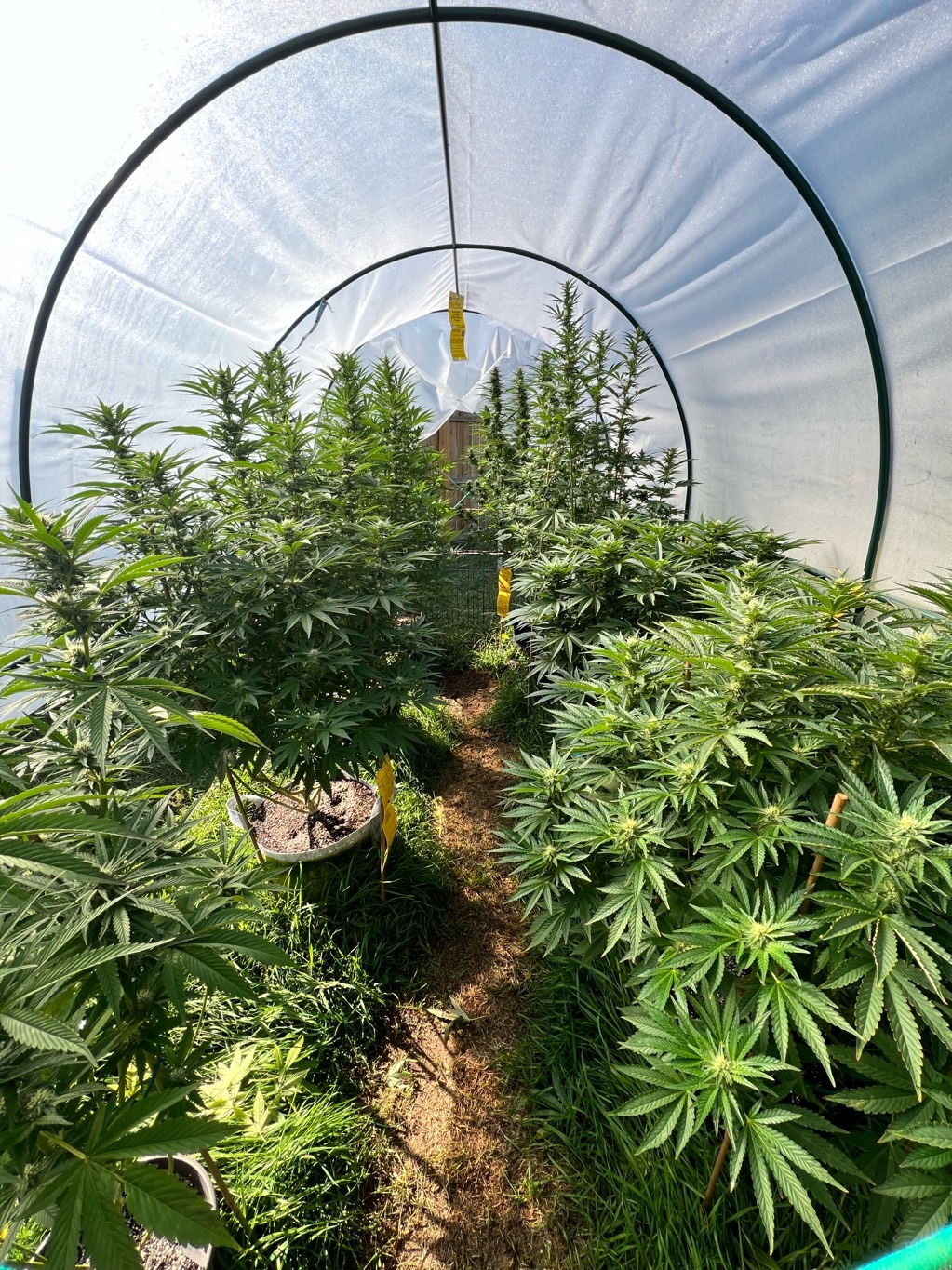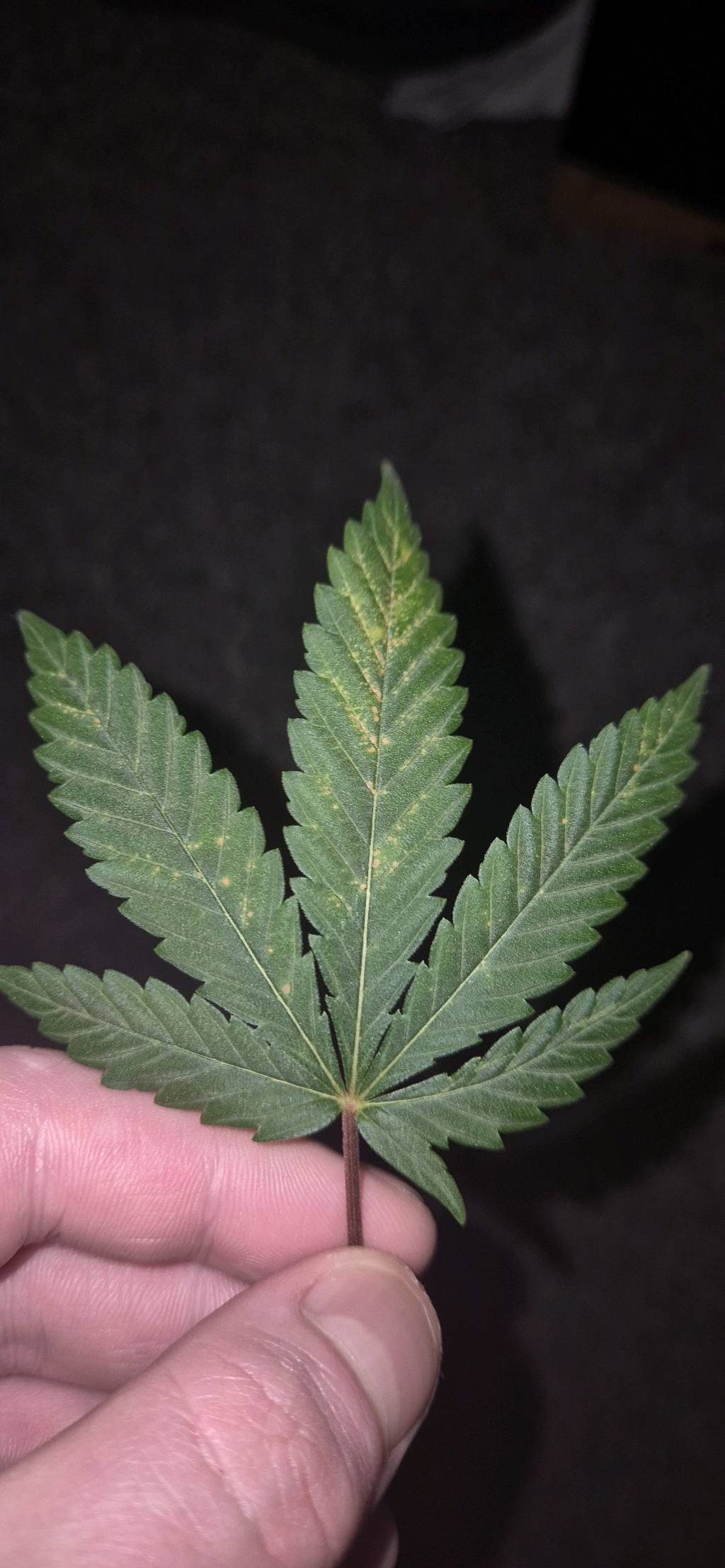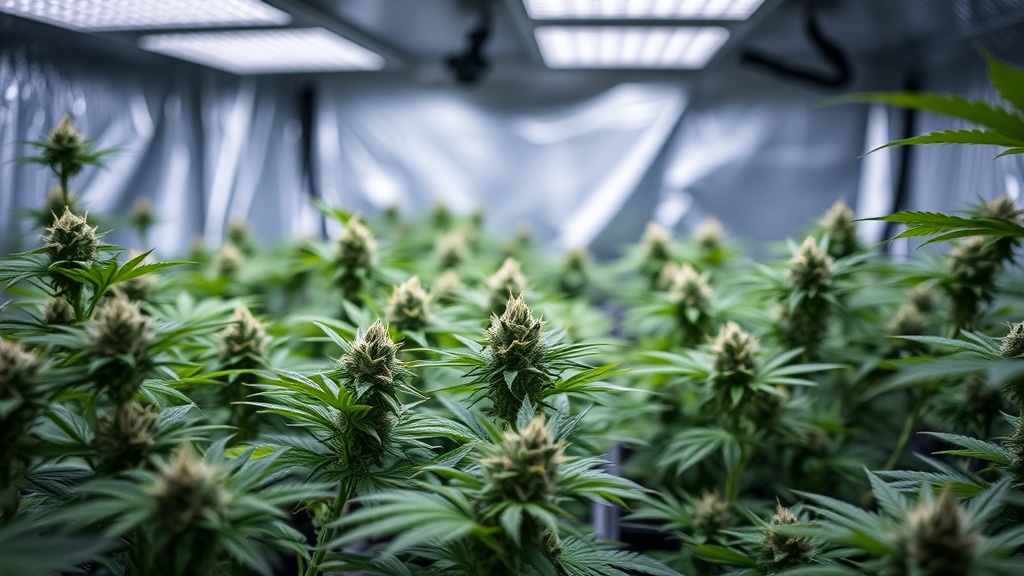
What Is Zskittles?
Zskittles — also spelled Zkittlez or Zkittles — is one of the most recognizable indica-dominant hybrids on the market. Bred from a cross of Grape Ape and Grapefruit, it delivers a terpene profile that leans hard into tropical fruit, grape, and sweet candy. If you've got zskittles plants in veg right now, you're working with a strain that rewards careful environmental dialing more than almost any other — get it right and the resin production and aroma are exceptional. Mess up humidity in late flower and you'll pay for it with mold or flat terps.
This guide walks you through every stage from germination to jar, with specific numbers at every step. Use the Grow Schedule Planner to map out your full timeline before you pop seeds.
Zskittles Strain Profile at a Glance
| Attribute | Detail |
|---|---|
| Genetics | Grape Ape × Grapefruit |
| Type | Indica-dominant hybrid |
| THC | ~15% (moderate potency) |
| Flowering Time (Indoor) | 8–9 weeks |
| Harvest Window (Outdoor) | Late September – early October |
| Indoor Yield | 400–500g/m² |
| Outdoor Yield | Up to 600g/plant |
| Difficulty | Intermediate |
| Dominant Terpenes | Myrcene, limonene, linalool |
Browse logged grows for this strain at Zkittlez on Grow Guide to see how other cultivators are running it.
Full Grow Timeline: Zskittles Seed to Harvest
Germination and Seedling Stage
Zskittles germinates best at 70–80°F (21–27°C). Use the paper towel method — two damp sheets of paper towel, seeds sandwiched between them inside a sealed sandwich bag in a dark cupboard. Tap roots usually appear in 24–72 hours. Once the tap root reaches 5–10mm, drop it into a starter cube or small pot of lightly moistened soil.
For seedling nutrients, hold off on any feeding until you have 3–4 nodes developed. At that point, introduce a diluted seedling-appropriate formula. See our guide on best nutrients for cannabis seedlings for specific product recommendations and EC targets (start at 0.4–0.6 EC max).
Vegetative Stage: Training Zskittles for Maximum Canopy
Run 18/6 light during veg. Zskittles plants are typically compact, but phenotypic variation means you can get stretchy individuals — especially if running from regular seeds. Plan for 3–5 weeks of veg indoors, though this is entirely your call based on canopy targets.
LST and Topping for Zskittles
Low-stress training (LST) works extremely well on zskittles. Bend and tie lateral branches outward at week 2–3 of veg to open the canopy before the growth surge. If you want to go further, top at the 4th–5th node to create two main colas, then LST those out as they recover. For a comparison of topping versus fimming on strains like this, see our fimming vs topping guide.
Target PPFD at canopy during veg: 400–600 µmol/m²/s. VPD in veg: 0.8–1.0 kPa. Use our Grow Light Calculator to confirm your fixture is hitting those numbers at your canopy distance.
Grow Guide platform data shows that 73.4% of tracked grows run indoors — and the majority of indoor growers use soil as their medium. Zskittles does well in both soil and coco coir, though coco will demand more attentive watering and feeding schedules (target EC 1.2–1.8 in veg).
Environmental Targets by Stage
Flowering Stage: What to Expect from Zskittles
Flip to 12/12 when your canopy is roughly 40–50% of your final target height — zskittles will stretch 50–75% during the first 3 weeks of flower. Once stretch slows (usually by week 3–4), you'll start seeing calyx sites stacking quickly. One of the defining characteristics of this strain is how early the resin glands appear — by week 4–5 you'll notice significant trichome coverage, which is a reliable signal the plant is on track.
Nutrient Schedule for Zskittles in Flower
In flower, push phosphorus and potassium while tapering nitrogen. A standard two-part or three-part synthetic schedule works well; so does an organic approach if you prefer living soil. For detailed organic feeding options, see best organic nutes for cannabis.
- Weeks 1–3 (transition/stretch): N-P-K ratio roughly 1:1:1, EC 1.4–1.8. Maintain some nitrogen to support the stretch.
- Weeks 4–6 (bulk): Shift to a bloom-heavy formula, EC 1.8–2.2. Calcium and magnesium supplementation is important here — 150–200ppm Ca and 50–75ppm Mg.
- Weeks 7–8 (late bulk/ripening): EC 1.6–2.0, reduce nitrogen further, maintain K and P. Watch for early signs of deficiency — the Nutrient Deficiency Identifier is useful if you're seeing interveinal chlorosis or tip burn.
- Final 10–14 days (flush): Plain water only if running synthetic nutrients in soil or coco. Target EC runoff dropping below 1.0.
Zskittles is sensitive to overfeeding — if you see clawing leaves or dark green tips early in flower, back off nitrogen immediately. The strain doesn't need to be pushed hard; it performs best with a measured approach.
Harvesting Zskittles: Reading the Trichomes Right
The standard trichome harvest window for zskittles is 70–80% cloudy/milky with 20–30% amber on sugar leaves and buds. At this point, you'll also want to see 70–90% of pistils darkened and curled in. Don't go purely by pistil colour — grab a loupe or jeweller's scope (60–100x) and check the heads directly on bud trichomes, not just on fan leaves where amber develops faster.
Buds should be visibly swollen and dense, with leaves beginning their natural senescence fade if you've reduced nitrogen correctly through the last two weeks. Zkittlez in particular develops a purple and gold leaf fade when done right — partly phenotype, partly temperature differential. Running nights 8–10°F cooler than daytime in late flower (weeks 7–9) encourages anthocyanin expression.
Use our Yield Calculator to project your final gram output based on your canopy size and light intensity before you chop.
Drying and Curing Zskittles for Peak Terpene Expression
This is where most growers lose the candy-terp profile. Rushing the dry kills what makes zskittles special. Hang whole branches — not individual buds — in a dark room at 64–70°F (18–21°C) with 45–55% RH. Airflow should be gentle and indirect; never point a fan directly at hanging cannabis. The dry takes 7–14 days depending on bud density and your environment.
The target: when the smallest stems snap rather than bend, and outer buds feel dry to touch but the centre of the bud still has slight give. Jars too early and you risk mold. Too late and terps will already be degrading.
Curing Protocol for Zskittles
- Trim and jar into wide-mouth mason jars at 62–65% RH (use Boveda 62 or equivalent).
- Burp jars 2–3 times daily for the first two weeks, 10–15 minutes each time. Smell is your guide — a sweet, ammonia-free fruity aroma means you're on track. Ammonia means moisture is too high.
- After week 2, drop to once-daily burping for another two weeks.
- Minimum cure: 4 weeks total. Optimal for zskittles flavor: 6–8 weeks. The tropical candy notes genuinely develop more complexity with time.
Track your dry and cure phase accurately with the Dry & Cure Timer — it logs your burping schedule and tracks days in jar so nothing slips.
Outdoor and Autoflower Variants
For outdoor growers, Gorilla Zkittlez — a Gorilla Glue #4 × Zkittlez cross — has gained significant traction in 2026 as a high-performance outdoor option for northern latitudes including Canada and the UK. It brings Zkittlez's terpene profile with improved resilience to humidity swings and unpredictable weather. Harvest still falls in late September to early October.
Autoflowering Zkittlez versions are increasingly available in 2026 and suit growers who want a faster, light-schedule-independent run. Expect 70–80 days seed to harvest with autos, slightly lower yields (200–350g/m²), but the same core terpene character.
Keeping a Grow Journal for Zskittles
Zskittles rewards careful documentation. Because phenotypic variation is real with this strain, tracking which pheno you're running — compact vs. stretchy, grape-forward vs. tropical-forward — lets you dial in your environment and nutrients on the next run without starting from scratch. See our guide on how to keep a cannabis grow diary for a practical logging structure. You can also explore Zkittlez grow journals from the Grow Guide community for real-world comparisons.
Frequently Asked Questions
How long does Zskittles take to flower indoors?
Zskittles has an 8–9 week flowering window indoors under 12/12 lighting. Most growers see peak trichome ripeness (70–80% cloudy, 20–30% amber) around day 56–63 from flip, though individual phenotypes can run slightly longer.
What yield can I expect from Zskittles?
Indoor growers running a well-managed canopy with adequate PPFD (700–900 µmol/m²/s in late flower) can expect 400–500g/m². Outdoor plants in a full season can reach up to 600g per plant. Use the Yield Calculator to model your specific setup.
Why is humidity control so important for Zskittles?
Zskittles produces dense, resin-coated buds that are susceptible to botrytis (bud rot) if RH climbs above 50% in late flower. Drop humidity to 40–45% from week 5 of flower onward and ensure airflow reaches the interior of the canopy. This also preserves volatile terpenes that would otherwise degrade in high-humidity conditions.
What are the dominant terpenes in Zskittles?
Zskittles is primarily driven by myrcene (earthy, musky base), limonene (citrus, tropical uplift), and linalool (floral, calming). This combination produces the sweet candy and tropical fruit character the strain is known for. Explore the terpene breakdown in detail with the Terpene Explorer.
Is Zskittles a good strain for beginner growers?
It's best rated as intermediate difficulty. The strain is sensitive to overfeeding and requires attentive humidity management in flower. That said, it's forgiving of minor training stress and doesn't require complicated techniques to produce quality results. If you've completed one or two grows already, you'll handle it fine.
References
- Cannigma Editorial Team (2024). Zkittlez Strain Profile: Genetics, Effects, and Terpene Breakdown. Details Grape Ape × Grapefruit lineage and core terpene chemistry. cannigma.com/strains/zkittlez/
- Cannabis.net (2025). Skittles/Zkittlez Seeds Info: Origin, Cultivation, Effects. Covers germination temperature ranges, veg/flower techniques, and indoor/outdoor yield benchmarks. cannabis.net
- Strainpedia (2026). Gorilla Zkittlez: Outdoor Performance in Northern Climates. Documents Gorilla Zkittlez as a leading outdoor variety for Canada and UK growers in 2026 season. strainpedia.com/gorilla-zkittlez/
- GrowDiaries Community Data (2024). Zkittlez Strain Statistics: THC Averages and Grower Reports. Aggregated grower data placing average THC at ~15% across multiple harvests. growdiaries.com/strains/zkittlez
- CannaConnection (2024). Zkittlez Growing Information: Light, Environment, and Technique. Covers PPFD recommendations and outdoor sunlight minimums for Zkittlez cultivation. cannaconnection.com/strains/zkittlez