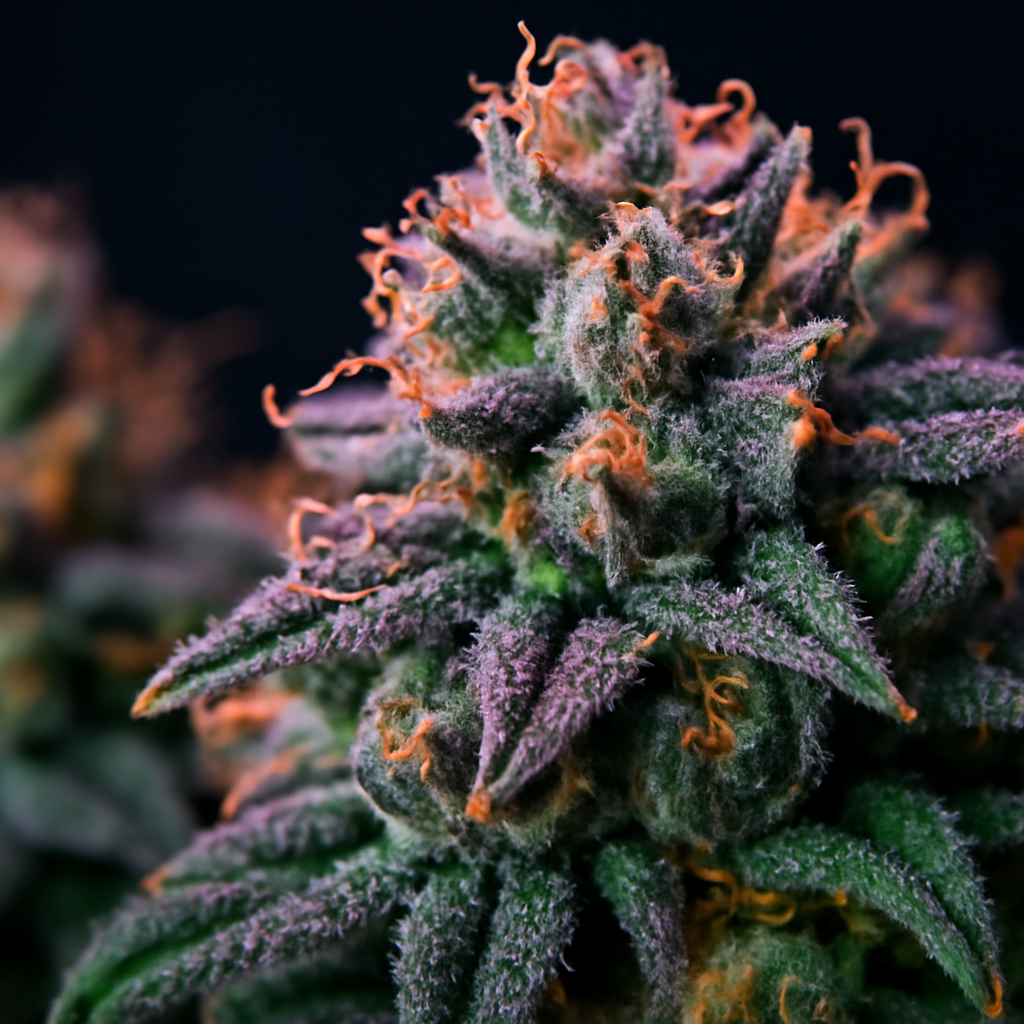
What Is the Zookies Strain?
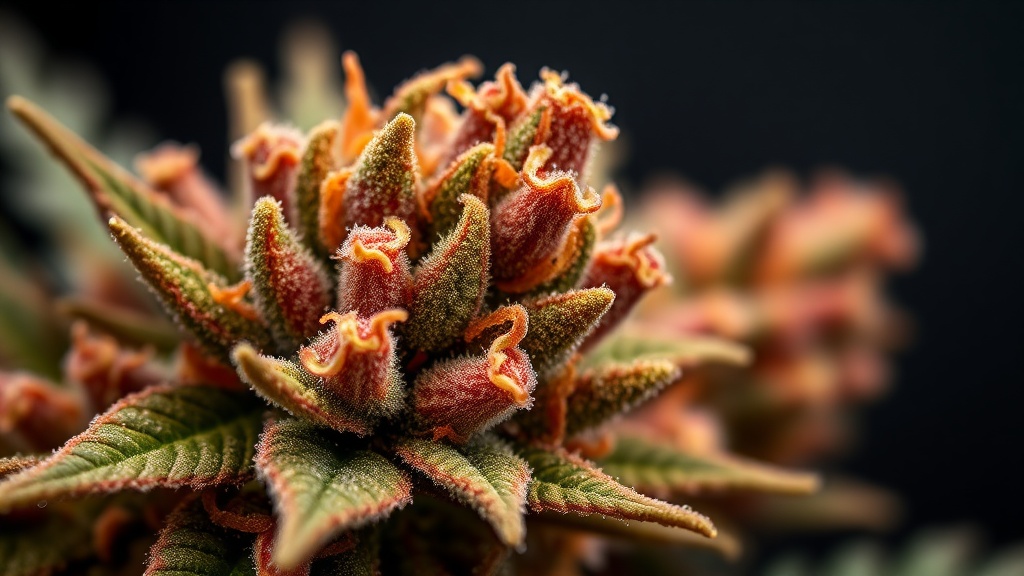
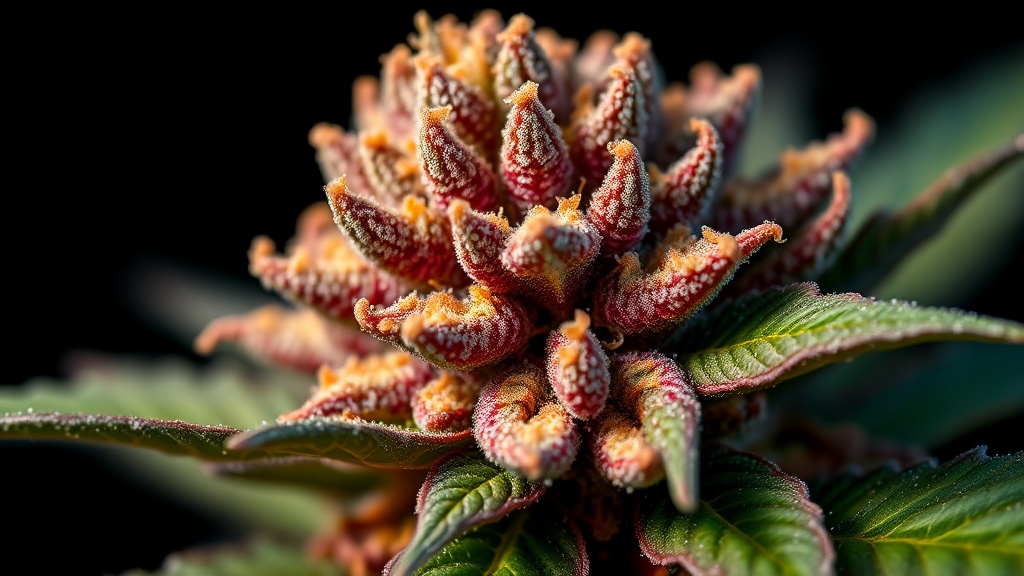
The Zookies strain is a balanced hybrid born from two cannabis heavyweights: Animal Cookies and Gorilla Glue #4. The result is a dense, resin-drenched cultivar that pulls traits from both parents — the deep body effect and cookie-dough sweetness of Animal Cookies stacked on top of GG4's fuel-and-chocolate pungency and structural robustness. THC sits reliably between 22–28%, making this a high-demand strain whether you're growing for personal use or filling shelves.
Zookies isn't a beginner trap, but it's not unreasonably difficult either. The main challenges are its vertical stretch (up to 180 cm indoors, 240 cm outdoors), moderate sensitivity to humidity in late flower, and the fact that it rewards training hard. Growers who skip topping or LST often end up with a single dominant cola and underdeveloped lowers. Get the canopy right and the yield numbers follow.
Zookies Strain: Environment and Setup
Temperature and Humidity Targets
Zookies inherits GG4's density, which means bud rot is a real risk if you're sloppy with humidity in weeks 6–9 of flower. Nail these numbers:
- Veg temp: 70–85°F (21–29°C)
- Flower temp: 68–80°F (20–27°C) — drop toward the lower end in the final two weeks to push trichome density
- Veg RH: 40–50%
- Flower RH: 40% max in early flower, pull it to 30–35% by weeks 7–9
For VPD-minded growers: target 0.8–1.0 kPa in veg and 1.2–1.6 kPa in flower. Running outside that range in either direction — especially high RH in dense late-stage buds — is asking for botrytis. An oscillating fan directly under the canopy aimed upward through the bud sites does more work than most growers give it credit for.
Lighting
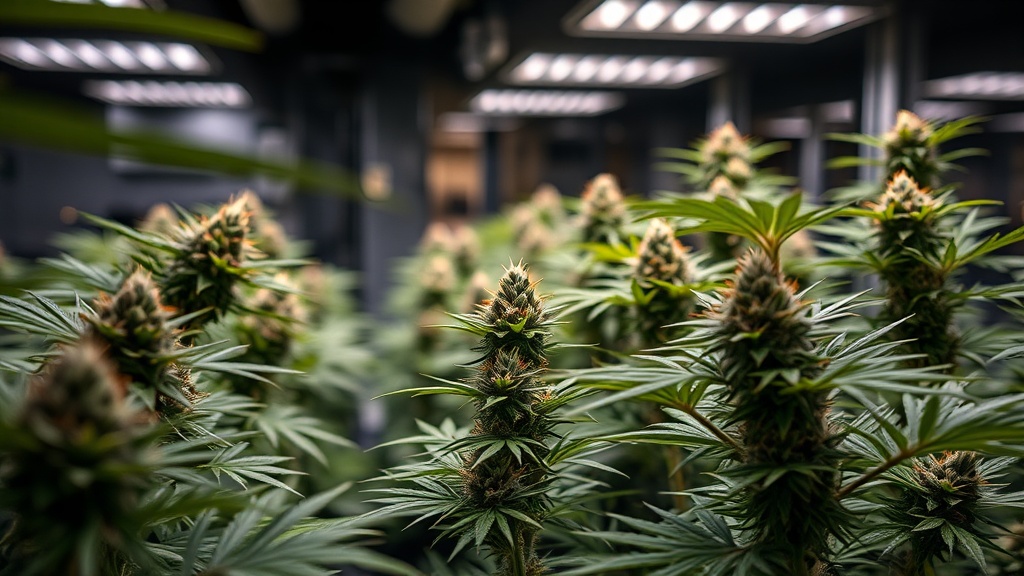
Full-spectrum LED is the go-to for Zookies indoors. The strain benefits from high light intensity in flower — run PPFD at 600–800 µmol/m²/s during veg and push to 900–1,100 µmol/m²/s in peak flower (weeks 3–7). Make sure your fixture can deliver those numbers at canopy height; use our Grow Light Calculator to confirm coverage for your tent dimensions before you commit to a light position.
18/6 during veg, flip to 12/12 to initiate flower. Zookies doesn't stretch excessively early in the flip — most of the vertical push happens weeks 1–3 of flower, so if you're topping (see below), do it at least a week before the flip or you'll be scrambling to manage a canopy explosion.
Containers and Medium
5–7 gallon fabric pots are the sweet spot. Fabric pots air-prune roots and prevent the overwatering spirals that Zookies' dense root zone can encourage in regular plastic containers. Soil or a 70/30 coco-perlite blend both work well. According to Grow Guide platform data, 63% of tracked growers across 1,000 grow journals run soil, which pairs well with Zookies' appetite for a consistent but not aggressive feed.
Training Zookies for Maximum Canopy
This is where most Zookies grows either succeed or leave significant yield on the table. Left to its natural growth pattern, Zookies throws a dominant central cola with much smaller side branches. That architecture works outdoors where light comes from above at an angle, but indoors it means most of your light is hitting one top while the rest of the plant underperforms.
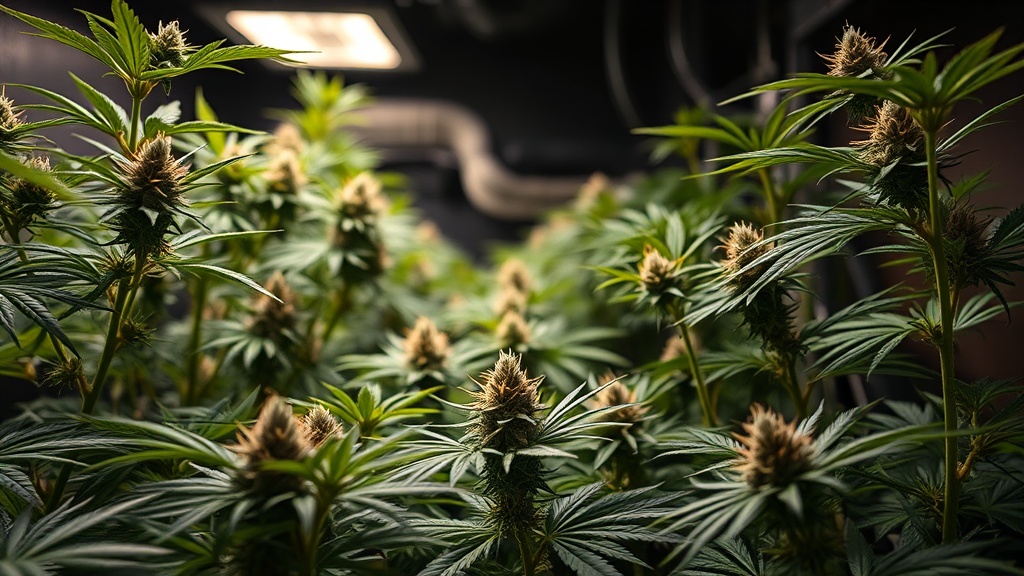
Topping at node 4–5 during veg creates two main colas and gives your lowers time to catch up. Top once more on each dominant shoot around week 3–4 of veg and you're building a flat, wide canopy that a SCROG net locks in beautifully. For a full breakdown of when to top vs. FIM, see our Fimming vs Topping Cannabis guide.
LST alone works if you're growing a single plant or want a lower-maintenance approach — bend the main stem outward at 45° once it's got 4–5 nodes and tie it down. Zookies' stems are reasonably flexible early in veg. If you're running one plant in a 4×4, LST + defoliation at the flip gets you a surprisingly wide canopy without the recovery time of topping.
Zookies Strain Nutrient Program
Zookies isn't a heavy feeder, but it rewards a dialled-in program. The GG4 lineage tends to show nitrogen sensitivity, so resist the urge to push EC hard in veg. Here's a framework that works in both soil and coco:
Vegetative Stage (Weeks 1–5)
- EC: 1.4–1.8 mS/cm in coco; feed to ~30% runoff. In soil, EC is harder to track — water when the top inch of medium is dry and the pot is noticeably light.
- pH: 5.8–6.2 in coco/hydro; 6.2–6.8 in soil
- N-P-K ratio: Nitrogen-forward (e.g., 3-1-2) during the growth push
- CalMag: 3–5 mL/L if you're on RO water or in a low-buffer coco mix. Zookies builds dense buds that need adequate calcium for cell wall integrity.
Flowering Stage (Weeks 1–9)
- Transition (flower wks 1–3): Reduce N, increase P and K. EC 1.6–2.0 mS/cm in coco.
- Peak flower (wks 4–7): P-K dominant feed (e.g., 1-3-4 ratio), EC 2.0–2.4 mS/cm. This is when Zookies stacks weight hardest.
- Late flower (wks 7–9): Begin tapering nutrients. Drop EC to 1.0–1.4 by week 8. A 7–10 day flush before harvest with plain pH-adjusted water clears residual salts and cleans the smoke significantly.
If you see interveinal chlorosis on newer growth (yellowing between the veins while the veins stay green), that's a classic Mg deficiency signal. Check your pH first — it's almost always a lockout issue rather than a true deficiency. If pH is dialled and it persists, add 1–2 mL/L of CalMag. Use the Nutrient Deficiency Identifier to confirm before you start adding products.
For a deeper look at seedling-stage feeding before you're into the veg ramp, see our Best Nutrients for Cannabis Seedlings guide.
Harvesting the Zookies Strain
Zookies finishes in approximately 9 weeks (63 days) from flip, though some phenotypes push closer to 67–70 days — particularly phenos that lean more Animal Cookies. Don't harvest on the calendar alone. Check trichomes with a 60x–100x loupe or a digital microscope.
Harvest window indicators:
- Trichomes: 70–80% milky white, 20–30% amber — the GG4 side means a more sedative effect the longer you wait; harvest earlier in the amber range for more functional, uplifting effects
- Pistils: 70–90% have changed from white to amber/reddish-brown
- Fan leaves: natural yellowing in the lower canopy is expected and not a cause for concern in week 8
If you're running multiple plants and want to project your total dry yield before you harvest, run the numbers through the Yield Calculator — it helps you plan drying space accordingly.
Drying and Curing Zookies
Given Zookies' dense, resinous buds, the dry and cure phase is non-negotiable for quality. Rush it and you'll end up with a harsh, hay-smelling product that doesn't reflect the strain's true terpene profile — a complex mix of sweet cookies, earthy diesel, and subtle nuttiness that only fully expresses after a proper cure.
Drying
- Hang whole branches upside down in a dark room — avoid trimming to buds first, as the extra leaf matter slows the dry and protects against too-fast moisture loss
- Temp: 60–70°F (15–21°C)
- RH: 45–55%
- Airflow: Passive circulation with a fan on the walls (not directly on buds)
- Duration: 7–10 days — buds are ready to jar when small stems snap cleanly rather than bend
Curing
- Trim and place into wide-mouth glass mason jars, filled to about 75% capacity
- Week 1: Open (burp) jars for 15–20 minutes twice daily to release moisture and off-gassing
- Weeks 2–4: Burp once every 2–3 days
- Target humidity inside the jar: 58–62% — use Boveda 62 packs to stabilize if needed
- Minimum cure for Zookies: 3 weeks. Four weeks is noticeably better for terpene expression. Six weeks is exceptional.
Use the Dry & Cure Timer to track your drying and curing stages without guessing. It prompts you when to burp and when you've hit optimal cure windows.
Zookies Strain Yield Expectations
With proper training and environment:
- Indoor: 350–390 g/m² — the upper end requires a well-managed SCROG canopy, consistent VPD, and a dialled nutrient run
- Outdoor: Up to 450 g per plant — in a warm climate with a long summer, Zookies can be a genuinely impressive outdoor producer given its genetic size
Want to plan your grow from day one with feeding schedules, stage lengths, and environmental targets mapped out? The Grow Schedule Planner handles it for you. And if you're keeping a grow journal for this run, our Cannabis Grow Diary guide walks you through what data to track at each stage to actually learn from the grow.
Frequently Asked Questions
How long does the Zookies strain take to flower?
Zookies has an average flowering time of approximately 9 weeks (63 days) from the 12/12 flip. Some Animal Cookies-leaning phenotypes stretch to 67–70 days. Always confirm readiness with trichome inspection rather than strictly following the calendar.
What is the average indoor yield for Zookies?
With proper canopy training (topping + SCROG or LST) and dialled-in environment, Zookies produces 350–390 g/m² indoors. Untrained plants with poor light penetration will land significantly lower — expect 150–200 g/m² without any canopy work.
Is the Zookies strain difficult to grow?
Zookies is intermediate in difficulty. It's not particularly finicky about nutrients, but its vertical stretch and density make humidity management in late flower critical. Growers who manage VPD properly and keep RH under 35% in weeks 7–9 rarely have problems.
What does Zookies smell like?
The terpene profile typically combines sweet cookie dough and nuttiness from the Animal Cookies side with the earthy diesel and chocolate notes of GG4. After a proper 4-week cure, the sweet-fuel contrast becomes much more defined. Use the Terpene Explorer to explore the likely terpene breakdown.
Should I flush Zookies before harvest?
A 7–10 day flush with plain pH-adjusted water before harvest is recommended, particularly in coco and hydro grows where salt buildup is higher. In living soil, a lighter 3–5 day flush or simply tapering nutrients off in the final week is typically sufficient.
References
- CannaConnection (2024). Zookies strain overview: genetics, yield, and flowering time data. Reports indoor yield up to 390 g/m² and outdoor yield up to 450 g/plant with a 9-week flower time. cannaconnection.com/strains/zookies
- Hypno Seeds (2025). How to grow Zookies seeds — grow diary and cultivation tips. Covers container selection, CalMag supplementation, and balanced feeding for bud density. hypnoseeds.com
- Weedpedia (2024). Zookies strain — cultivation and harvest guidelines. Provides harvest timing guidance based on trichome color and pistil development at approximately 69 days. weedpedia.org/zookies-strain
- Strainy (2024). Zookies (Wookies) strain cultivation: lighting, ventilation, and environmental controls. Recommends full-spectrum LED and specific humidity targets to prevent mold in dense flower sites. strainy.com
- Grow Guide Platform Data (2026). Internal analysis of 1,000 tracked grow journals. Shows 63% of tracked grows use soil medium and 73% grow indoors, informing medium and environment recommendations throughout this guide.