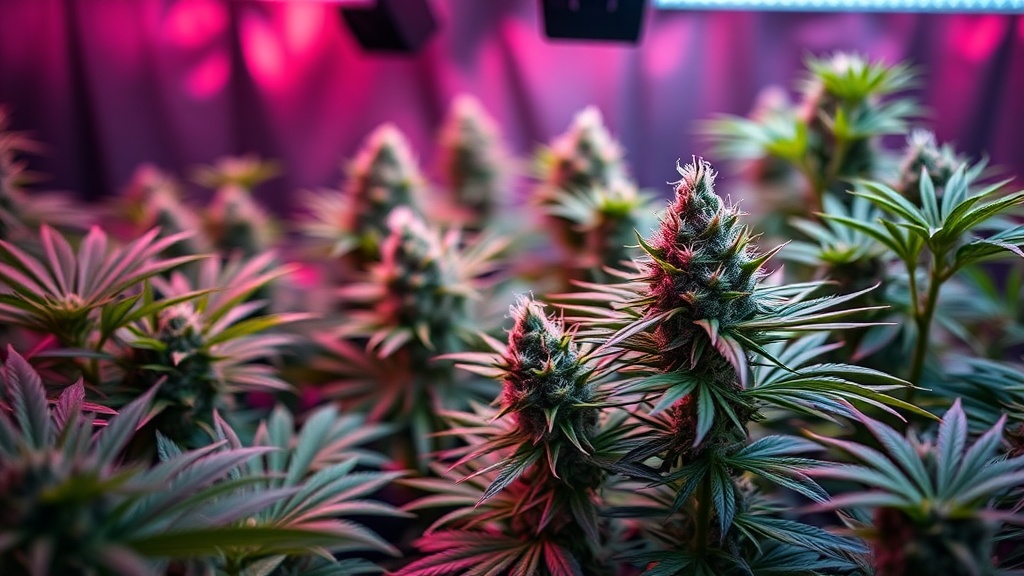
What Is Watermelon OG?
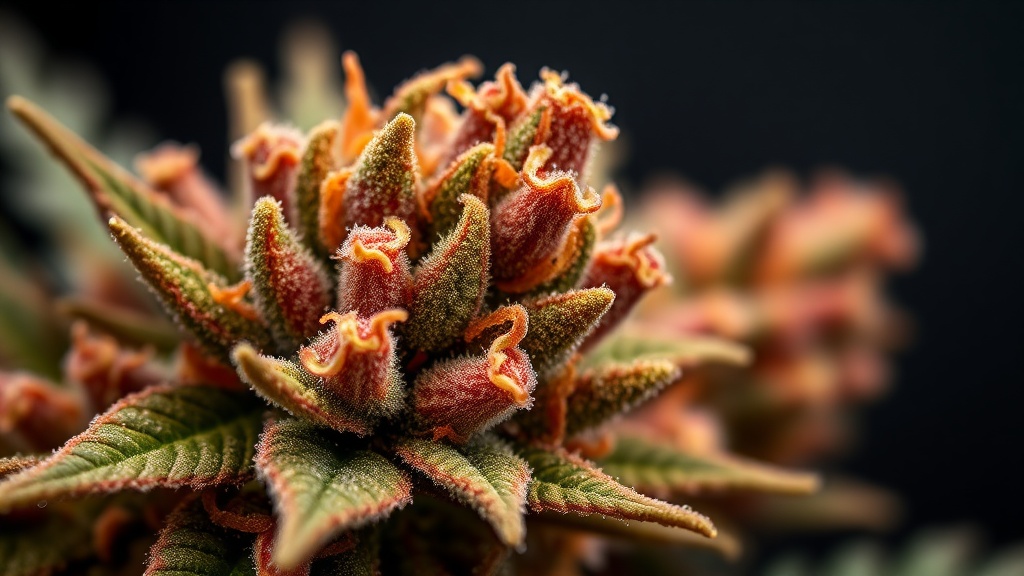
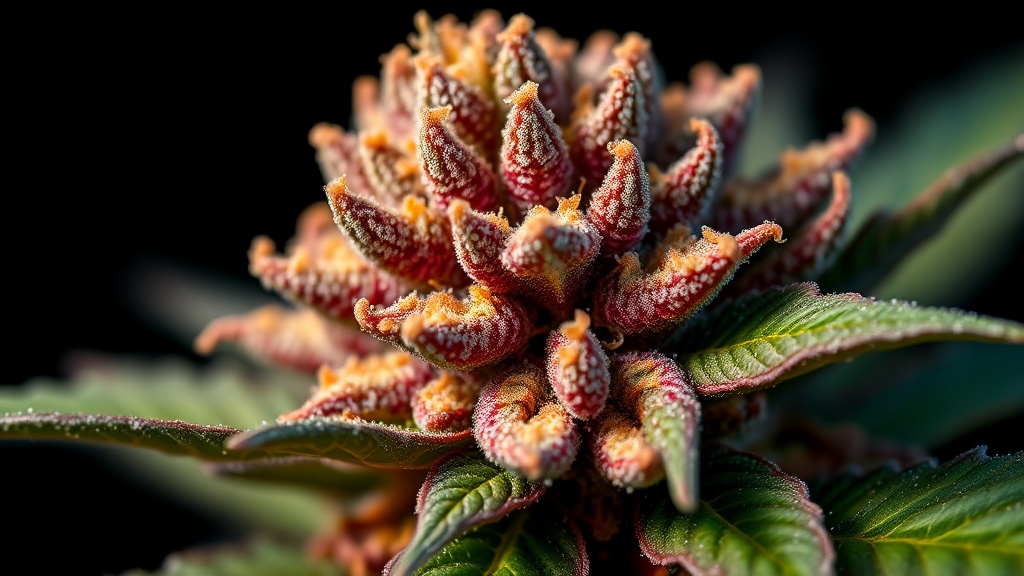
Watermelon OG is an indica-dominant hybrid that earns its name honestly — the terpene profile leans heavy on sweet, fruity notes underpinned by an earthy OG backbone. It produces dense, resinous buds that look as good as they smell, and the effects sit firmly in body-relaxation territory. For cultivators, that density is both the strain's biggest asset and its main challenge: tight bud structure means airflow and humidity management aren't optional, they're critical.
If you're tracking this grow in a journal, the Grow Schedule Planner will help you map out your full timeline from seed to cure before you pop a single bean. And if you want to see how other growers are running Watermelon OG, you can browse real grow journals from the community.
Setting Up the Environment for Watermelon OG
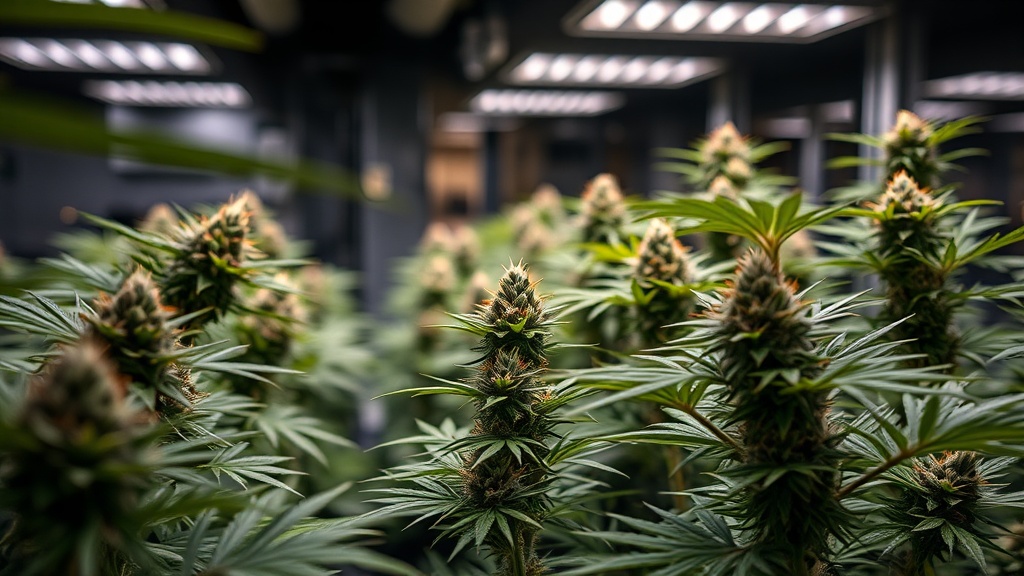
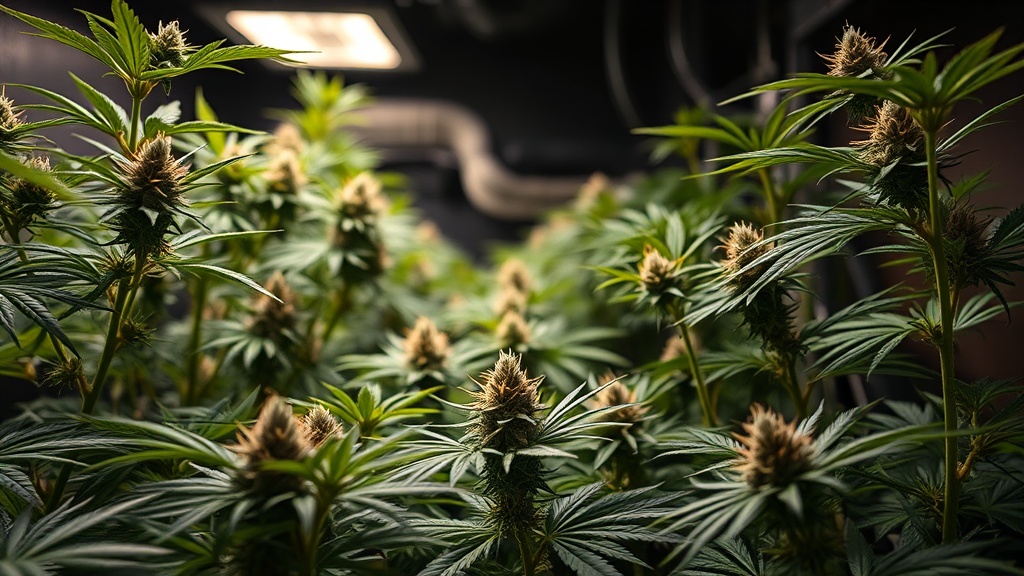
According to data from over 1,000 grow journals tracked on Grow Guide, 73.7% of growers run indoor setups — and for a dense indica like Watermelon OG, that's the right call if you can manage it. Indoor gives you full control over the two variables that matter most with this strain: temperature and relative humidity (RH).
- Temperature: Aim for 72–78°F (22–26°C) during lights-on, dropping no lower than 65°F lights-off. A 5–8°F drop at night during late flower can push anthocyanin expression and tighten trichome density.
- Humidity: Vegetative stage — 55–65% RH. Flip to flower and start walking it down: 50% at week one of flower, 45% by week four, and 40–45% for the final push. With buds this dense, anything above 50% in late flower is asking for botrytis.
- VPD: Target 0.8–1.0 kPa in veg, 1.0–1.4 kPa in flower. If you don't have a VPD chart on your wall yet, pin one up — it unifies your temp/humidity decisions into a single number.
- CO₂: At ambient 400 ppm you're leaving yield on the table. If your tent is well-sealed and you're running high PPFD (above 800 µmol/m²/s), supplementing to 1000–1200 ppm CO₂ will be used effectively.
For outdoor grows, Watermelon OG is more adaptable than many indicas. It handles climate fluctuation reasonably well provided you're getting 6–8 hours of direct sun and keeping root-zone pH between 6.0–6.5 in amended organic soil.
Lighting: PPFD Targets by Stage
Advanced LED fixtures tuned for the red spectrum (660–680 nm) have shown up to a 20% increase in resin production compared to blurple or older HPS setups. Use the Grow Light Calculator to figure out how many watts and fixture positions you need for your canopy size before you hang anything.
- Seedling/early veg: 200–300 µmol/m²/s, 18/6 photoperiod
- Late veg: 400–600 µmol/m²/s, 18/6
- Early flower (weeks 1–4): 600–800 µmol/m²/s, 12/12
- Mid-to-late flower (weeks 5–10): 800–1000 µmol/m²/s, 12/12
Training Watermelon OG for Maximum Yield
Left to its own devices, Watermelon OG grows with a classic indica structure: short internodal spacing, wide fan leaves, and a dominant central cola that shades lower bud sites. Training breaks that up and puts light on sites that would otherwise produce popcorn.
Topping at the 4th–5th node during veg creates two main colas and opens the canopy. Combine that with LST (low-stress training) — bending and tying branches outward from the first week of veg — to build a flat, even canopy. The result is 15–20% more usable yield compared to an untrained plant at the same light intensity.
For a detailed breakdown of topping versus FIM technique, check out the Fimming vs Topping guide. If you're running SOG (sea of green) with multiple smaller plants, skip the topping and let each plant run a single dominant cola — Watermelon OG's bushy structure suits it well to that format.
SCROG note: If you're running a screen, fill it to 70–80% during veg before flipping. Watermelon OG stretches moderately in the first 2–3 weeks of flower (expect 30–50% height increase), so account for that in your canopy plan.
Watermelon OG Nutrient Schedule
This strain responds well to a progressive nutrient approach. The most common mistake growers make is pushing nitrogen too hard into flower — with Watermelon OG's dense structure, excess N leads to soft, airy buds and delayed maturation.
Vegetative Stage
Run EC at 1.2–1.8 mS/cm in soil (slightly higher in coco at 1.4–2.0). NPK ratio of roughly 3:1:2 covers the bases. Keep pH at 6.0–6.5 in soil, 5.8–6.0 in coco or hydro. For seedlings specifically, start low — the Best Nutrients for Cannabis Seedlings guide covers the first two weeks in detail.
Flowering Stage
Drop nitrogen, raise P and K. A 3:5:3 NPK ratio in mid-to-late flower is the target. Add:
- Calcium: 150–200 ppm — critical with dense buds to prevent tip burn and blossom end softness
- Magnesium: 50–75 ppm — Watermelon OG is a moderate Mg feeder; watch internodal leaves for yellowing between veins
- Iron: 2–5 ppm chelated iron if you see interveinal chlorosis on new growth despite correct pH
If you spot an issue you can't identify visually, run through the Nutrient Deficiency Identifier — it narrows down the cause based on symptoms and location on the plant. For organic grows, check out the Best Organic Nutes for Cannabis for compatible products.
Flush and Pre-Harvest
Two weeks before expected harvest, begin reducing EC. In the final week, flush with plain pH-adjusted water (6.0–6.2 in soil). You're looking for leaves to start yellowing naturally — that's the plant pulling stored nutrients into the buds, which is exactly what you want for a clean smoke.
Harvesting Watermelon OG
Watermelon OG's flowering window is 8–10 weeks from flip. Don't trust breeders' week counts alone — trichome inspection is the only reliable harvest signal.
- Early harvest (more cerebral): 50–60% cloudy trichomes, pistils 60–70% amber/red
- Peak harvest (balanced): 70% cloudy + 10–20% amber trichomes, 70–80% pistil colour change
- Late harvest (heavier body effect): 20–30% amber trichomes — suitable for sleep/pain relief effects
Most growers targeting Watermelon OG's signature relaxing profile aim for the middle window — mostly cloudy with 10–15% amber. Use a 60–100x jeweller's loupe or a USB microscope aimed at bud trichomes (not sugar leaves, which mature faster).
Use the Yield Calculator before harvest to set realistic expectations based on your canopy size, light output, and training method.
Drying and Curing Watermelon OG
The fruity terpene profile you've been growing toward is almost entirely protected or destroyed in the dry and cure phase. Get this wrong and the watermelon nose you smelled in week 8 of flower is gone by the time you open the jar.
Drying
- Hang whole branches (or use a mesh rack for heavier colas) in a dark room
- Temperature: 60–65°F (15–18°C) — slower is better for terpene retention
- RH: 50–55% — too dry and terpenes volatilize; too wet and you risk mold
- Airflow: gentle circulation, not direct fan blast on buds
- Duration: 10–14 days for most Watermelon OG cuts. With dense buds, don't rush it. Stems should snap, not bend.
Curing
Trim to final product, pack loosely into wide-mouth mason jars to 70–75% full. For the first week, burp jars 2–3 times daily for 10–15 minutes. Weeks two to four, once daily. After four weeks, open every few days. Target 58–62% RH inside the jar (a Boveda or Integra pack takes the guesswork out).
Minimum cure for Watermelon OG is two weeks, but the terpene profile really opens up at four to six weeks. If you've grown a particularly resinous pheno, the sweet fruit notes intensify noticeably between week two and week four of cure. Use the Dry & Cure Timer to track burp schedules and jar RH readings across your whole harvest.
Common Watermelon OG Problems and Fixes
Here are the issues that come up most often with this strain, and what to do when you see them:
- Botrytis (bud rot): Dense colas trap moisture. If you see grey mould starting at the stem of a cola, cut it out immediately with clean scissors, drop RH below 45%, and increase air circulation. Prevention beats cure — maintain airflow from day one of flower.
- Magnesium deficiency: Yellowing between veins on middle-age leaves, usually in weeks 4–6 of flower. Add 1–2 ml/L of CalMag or a foliar spray of 3g/L Epsom salts (not in flower — use a root drench instead).
- Light burn: Watermelon OG's indica stature means canopy height is limited. At 1000 µmol/m²/s, most LEDs need to sit 18–24 inches above canopy. Watch for bleached tips on top colas as your early warning.
- Slow trichome development: If week 8 arrives and trichomes are still mostly clear, check your light intensity and ensure you're maintaining proper VPD. Pushing to 1200–1400 µmol/m²/s with adequate CO₂ in the final weeks can accelerate the finish.
Keeping a Grow Journal for Watermelon OG
Watermelon OG's 8–10 week flower window and specific environmental needs make it a strong candidate for detailed journal keeping. Log daily temp/RH readings, EC/pH at feed, and weekly trichome checks. Over two or three runs, you'll identify your specific pheno's ideal harvest window and which training approach works best in your setup. The Cannabis Grow Diary guide covers exactly how to structure those logs for actionable repeat results.
Frequently Asked Questions
How long does Watermelon OG take to flower?
Watermelon OG typically flowers in 8–10 weeks from the flip to 12/12. Most growers hit the harvest window around week 9, but check trichomes directly — look for 70% cloudy with 10–15% amber for peak effect profile.
What humidity should I run during Watermelon OG flowering?
Start flower at 50% RH and reduce progressively to 40–45% by weeks 6–10. Watermelon OG's dense bud structure makes it particularly susceptible to botrytis, so the lower end of that range is safer if your airflow is limited.
Is Watermelon OG good for beginner growers?
It's intermediate-level. The genetics are robust and tolerate some climate variation, but the dense bud structure demands humidity discipline and decent airflow management. If you nail those two things, the strain is forgiving on nutrients and training.
What nutrients does Watermelon OG need in late flower?
Target a 3:5:3 NPK ratio with elevated phosphorus and potassium through weeks 5–8 of flower. Supplement with calcium (150–200 ppm) and magnesium (50–75 ppm). Start reducing EC two weeks before harvest and flush the final week with plain pH-adjusted water.
How long should I cure Watermelon OG?
Minimum two weeks, but the fruity terpene profile that defines this strain develops most fully between weeks four and six of cure. Maintain 58–62% RH in sealed jars and burp daily for the first week, then every other day through week four.
References
- Joint Commerce / Lit Farms (2026). Watermelon OG by Lit Farms: A Comprehensive Strain Guide — documents cultivation parameters including NPK ratios, temperature ranges, and training yield improvements for Watermelon OG. app.jointcommerce.com
- Wikipedia Contributors (2026). Cannabis Cultivation — general reference on trichome maturation indicators and harvest timing methodology. en.wikipedia.org
- Mission Organic Center (2023). Growing Cannabis: Tips and Techniques — details on curing methodology, burping frequency, and optimal jar storage conditions for post-harvest quality. missionorganiccenter.com
- Diet Smoke (2026). What Is Proper Cannabis: A Guide to Quality Cultivation and Consumption — covers drying room parameters including temperature, humidity, and duration targets for dense indica varieties. dietsmoke.com
- Grow Guide Platform Data (2026). Internal grow journal analytics — aggregated data from 1,000+ tracked cannabis grows showing environment distribution (73.7% indoor), grow medium preferences (63.3% soil), and feeding method breakdown across the grower community.