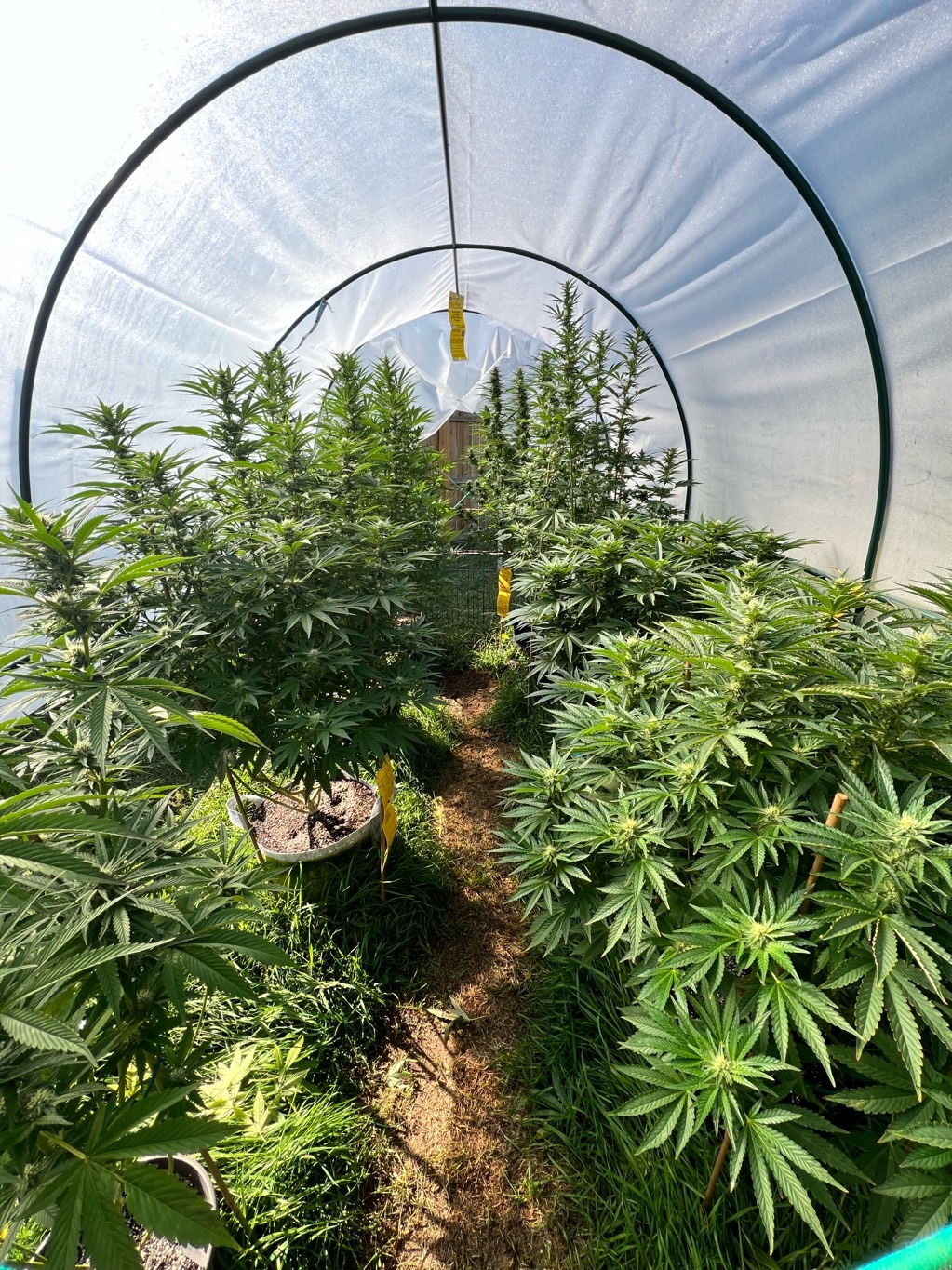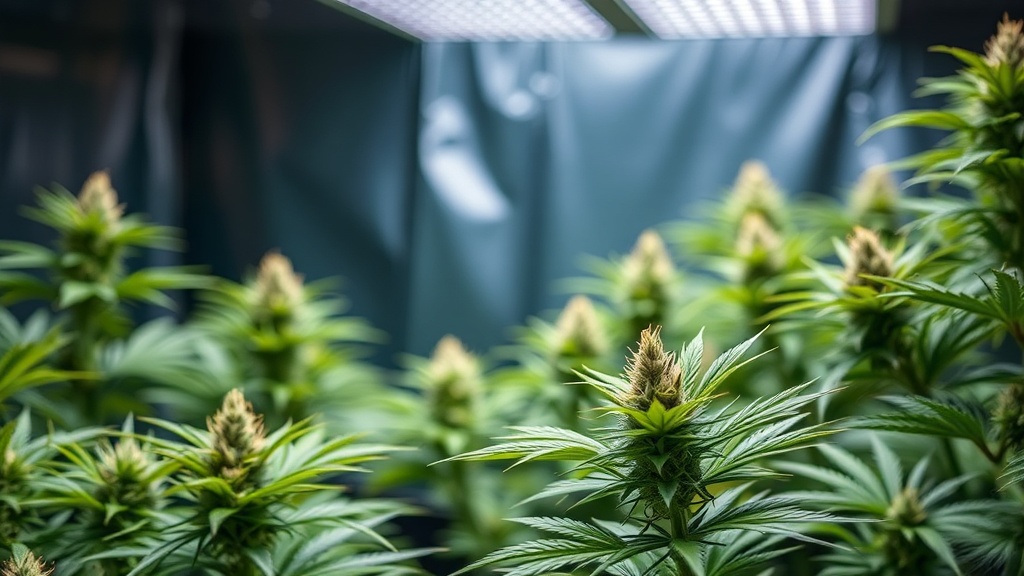
What Is Mamosa?
Mamosa (also spelled Mimosa in some seed catalogs, but often listed as "Mamosa" by growers referencing phenotype-specific selections) is a sativa-leaning hybrid that crosses Purple Punch with Clementine. The result is a strain that punches above its weight on terpene expression — expect dominant limonene and myrcene, backed by caryophyllene — wrapped in medium-density, resin-coated buds. Growers who've tracked Mamosa runs on Grow Guide consistently flag it for its demanding-but-rewarding growth pattern: she responds strongly to environment and nutrients, making dialed-in technique the difference between average and exceptional harvests.
If you're logging this grow, set up your journal now with our Grow Schedule Planner so your feeding and transition dates are mapped before you flip.
Mamosa Grow Environment: The Numbers That Matter
Mamosa is not a strain that forgives sloppy environment management. Her sativa heritage means she stretches aggressively in the first three weeks of flower — expect 60–100% height gain from flip. Plan canopy management early. According to Grow Guide platform data, 73.5% of tracked grows are run indoors, which is where Mamosa genuinely shines when you control the variables precisely.
Temperature and VPD Targets by Stage
- Seedling (Days 1–7): 24–26°C, VPD 0.4–0.8 kPa, 70–75% RH
- Vegetative (Days 8–35): 22–26°C day / 20–22°C night, VPD 0.8–1.2 kPa
- Early Flower (Days 36–70): 22–25°C, VPD 1.0–1.4 kPa — terpene development accelerates here
- Late Flower (Days 71–115): Drop nights to 18–20°C, VPD 1.2–1.6 kPa — this temperature differential triggers the purple hues and tightens trichome density
- Flush/Final Two Weeks: 18–22°C, reduce RH to 40–45% to protect against late-stage botrytis
Light: PPFD and Photoperiod
Mamosa is a light-hungry strain. During veg, aim for 400–600 PPFD at canopy. Once in flower, push to 800–1000 PPFD. If you're running LEDs, keep DLI between 35–45 mol/m²/day in peak flower. Don't guess on coverage — use the Grow Light Calculator to verify your setup before you flip.
Photoperiod: 18/6 in veg, flip to 12/12 to trigger flowering. Some growers run 20/4 in veg to push vegetative mass faster — Mamosa responds well to this given her vigorous genetics.
Mamosa Nutrient Strategy: Feed to the Terpenes
Where Mamosa really differentiates herself is terpene output, and that is directly tied to your feeding program. Limonene and myrcene production scales with adequate magnesium, sulfur, and phosphorus — don't let your macro/micro balance slide.
EC and pH Targets by Stage
- Seedling: EC 0.4–0.8, pH 6.0–6.5 (soil) / 5.8–6.0 (coco)
- Vegetative: EC 1.2–1.6, nitrogen-forward feed, pH 6.0–6.5
- Early Flower: EC 1.6–1.9, transition to P/K-dominant, pH 6.2–6.8
- Peak Flower (Days 55–90): EC 2.0–2.2, high P/K, keep Cal-Mag at 3–5 ml/L, pH 6.2–6.8
- Flush: Plain water or enzyme flush, EC dropping to 0.0–0.4, 10–14 days before harvest
Mamosa in coco (which 14.9% of Grow Guide users run) can push slightly higher EC — up to 2.4 in peak flower — because coco's cation exchange buffer handles salt load better than soil. If you're seeing clawing or tip burn, back off 0.2 EC and check runoff pH first before assuming toxicity. Our Nutrient Deficiency Identifier can help you distinguish between lockout and true deficiency fast.
For seedling feeding specifics, see our guide on Best Nutrients for Cannabis Seedlings. For organic approaches that suit Mamosa's terpene-forward profile, the Best Organic Nutes for Cannabis guide covers soil-based programs in detail.
Training Mamosa: Managing the Stretch
Mamosa's sativa-dominant structure means she will try to outgrow your space. Left untrained, you'll get a Christmas tree profile with heavy larfy lower growth and a single dominant cola. That's wasted energy. The solution is aggressive early training combined with a flat canopy strategy.
Recommended Training Approaches
- LST (Low Stress Training): Start bending and tying at nodes 3–4 during veg. Mamosa's stems are pliable early — this is the easiest entry point for beginners.
- Topping or FIMing: Top at node 5–6 for two main colas, or FIM at the same point for 4–6 tops. For a detailed breakdown of both methods, see our Fimming vs Topping Cannabis guide. Mamosa responds well to either, but allow 5–7 days recovery between major defoliation events.
- SCROG (Screen of Green): Ideal for Mamosa if you're maximizing a single plant. Fill the screen during veg, flip when the screen is 70–80% full. Expect Mamosa to fill remaining screen space rapidly in the first 2–3 weeks of flower.
- Defoliation: Remove fan leaves blocking bud sites at Day 21 and Day 42 of flower. Don't strip more than 20–25% of leaf mass in a single session.
Mamosa Harvest Timing: Reading Trichomes, Not the Calendar
Mamosa's advertised flowering time is 63–70 days, but treat that as a starting point for trichome inspection, not a harvest date. Harvest timing is the single biggest variable affecting your final terpene profile.
- Cloudy/white trichomes (no amber): Peak THC, energetic effect, citrus terpenes most volatile and sharp
- 10–20% amber: Slightly sedative, terpenes beginning to degrade — good for evening use
- 20%+ amber: Significant THC degradation to CBN — avoid this window for Mamosa unless specifically targeting heavy sedation
For Mamosa specifically, target the cloudy-dominant window with just 5–10% amber for the fullest limonene expression. Use a 60x jeweler's loupe or a digital microscope — phone cameras are not sufficient for accurate trichome assessment.
Harvest in the morning before lights-on if running an artificial light schedule. Terpene concentration is highest before the canopy heats up. Sterilize all cutting tools with isopropyl alcohol between plants to prevent cross-contamination.
Drying and Curing Mamosa: Protect the Terpene Profile
This is where most growers lose the gains made during the grow. Mamosa's limonene is volatile — it off-gasses fast in improper drying conditions. A rushed dry is the fastest way to turn a premium citrus cultivar into something flat and generic.
Drying Protocol
- Hang whole branches (or whole plant) in a dark room — light degrades terpenes and cannabinoids
- Temperature: 18–21°C (the lower end of this range slows drying and preserves terpenes)
- Humidity: 50–55% RH — below 45% and you'll lose aromatic compounds rapidly
- Airflow: Passive airflow or fans on the lowest setting directed at walls, not plants
- Target dry time: 10–14 days — stems should snap cleanly, not bend
Curing Protocol
- Trim (wet or dry — personal preference, both work for Mamosa)
- Pack into wide-mouth glass jars at 60–65% RH (use Boveda 62 packs to maintain this)
- Burp jars 2–3x daily for the first week — open for 5–10 minutes each session
- Week 2–4: Burp once daily, monitor for any ammonia smell (indicates wet bud, spread and dry further)
- Minimum cure: 4 weeks. Mamosa genuinely improves at 6–8 weeks — the citrus/mango character develops depth that simply isn't there at week 2
Track your dry and cure timeline precisely with the Dry & Cure Timer so you're not guessing on burp schedules. Before harvest, run your expected yield through our Yield Calculator to benchmark against your setup's potential and see where gains are possible next run.
For more on post-harvest workflow, our indoor grow timeline guide covers the full seed-to-jar timeline with day counts.
Common Mamosa Growing Problems and Fixes
Mamosa is susceptible to a handful of specific issues that come up repeatedly in grow journals:
- Magnesium deficiency (interveinal chlorosis, mid-canopy): Mamosa runs Mg-hungry in mid-flower. Add 1–2 ml/L of Cal-Mag proactively from Week 3 of flower rather than waiting for symptoms. Check pH first — Mg is unavailable above pH 7.0.
- Stretch management: If she's outgrowing your space in Week 1–2 of flower, net or tie tops horizontally. Don't super-crop in late flower — stem damage this late risks pathogen entry.
- Botrytis (bud rot) in late flower: Dense colas in low airflow = risk. Drop humidity to 40–45% in the final two weeks and ensure air circulation within the canopy, not just above it.
- Flat aroma after dry: Almost always caused by drying too fast (under 7 days) or too warm (above 24°C). You cannot recover terpenes lost in the dry — the cure can only preserve what remains.
For tracking and diagnosing visual symptoms during your grow, the Nutrient Deficiency Identifier walks you through leaf symptom patterns to a diagnosis in under two minutes.
Mamosa Yield Expectations
Indoor yields on Mamosa typically range from 400–550g/m² under 600–1000W HPS equivalent or quality LED setups, assuming a well-managed SCROG and dialed environment. Outdoor grows can push significantly higher — 600g+ per plant in a full season with adequate root space and sunlight hours. Use our Yield Calculator to model your specific setup before you start, and the Cost Per Gram Calculator to understand your actual economics per run.
Log every Mamosa run in a detailed grow journal — even simple notes on feeding, environment, and training decisions compound into genuinely useful data by your third grow. Our guide on how to keep a cannabis grow diary covers exactly what to track and why.
Frequently Asked Questions
How long does Mamosa take to flower?
Mamosa's flowering period runs 63–70 days from flip under 12/12 lighting. Always confirm readiness through trichome inspection — target mostly cloudy trichomes with 5–10% amber for peak citrus flavor and potency. Don't harvest by calendar alone.
What is the best training method for Mamosa?
SCROG is the most effective method for maximizing Mamosa's yield given her sativa stretch. Combine with topping at node 5–6 during veg to create multiple even colas before filling the screen. LST alone works well for single-plant grows in tight spaces.
Why does my Mamosa lose its citrus smell after drying?
Limonene, the dominant terpene in Mamosa, is highly volatile and off-gasses rapidly when dried too fast or too warm. Keep dry room temperature at 18–21°C, RH at 50–55%, and target a 10–14 day dry. A cure of 6–8 weeks will develop and stabilize the remaining terpene profile.
What EC should I run Mamosa at in peak flower?
In soil, target EC 2.0–2.2 during peak flower (roughly Days 55–90 of flower). In coco, you can push to EC 2.4. Always check runoff EC and pH — if runoff EC is climbing more than 0.5 above input, flush with pH-corrected water before resuming nutrient feed.
Is Mamosa suitable for outdoor growing?
Yes — Mamosa performs well outdoors in warm climates with a long growing season (finishing late September to mid-October in the Northern Hemisphere). Outdoor plants can exceed 600g per plant with adequate sunlight and root space. Monitor humidity closely in late flower to prevent botrytis in dense colas.
References
- ElSohly, M.A. et al. (2016). Changes in Cannabis Potency Over the Last Two Decades (1995–2014). Biological Psychiatry. Documents cannabinoid concentration trends and the role of cultivation conditions in potency outcomes. biologicalpsychiatryjournal.com
- Booth, J.K. & Bohlmann, J. (2019). Terpenes in Cannabis sativa – From plant genome to humans. Plant Science. Covers limonene and myrcene biosynthesis pathways and how environmental conditions affect terpene expression. sciencedirect.com
- Namdar, D. et al. (2021). Drought Stress and Harvest Timing Influence Cannabinoid and Terpene Profiles in Cannabis. PMC / National Library of Medicine. Includes data on drying conditions (18–25°C, 45–55% RH, 7–10 days) and their effect on final product quality. pmc.ncbi.nlm.nih.gov
- FloraFlex (2026). Optimizing Cannabis Potency Through Cultivation Techniques. Industry blog covering light intensity, nutrient balance, and their combined effect on cannabinoid and terpene production. floraflex.com
- Grow Guide Platform Data (2026). Internal grow journal analytics across 1,000 tracked grows. Data includes environment breakdown (73.5% indoor), grow medium usage (63.4% soil, 14.9% coco), and feeding method distribution across active user grows.