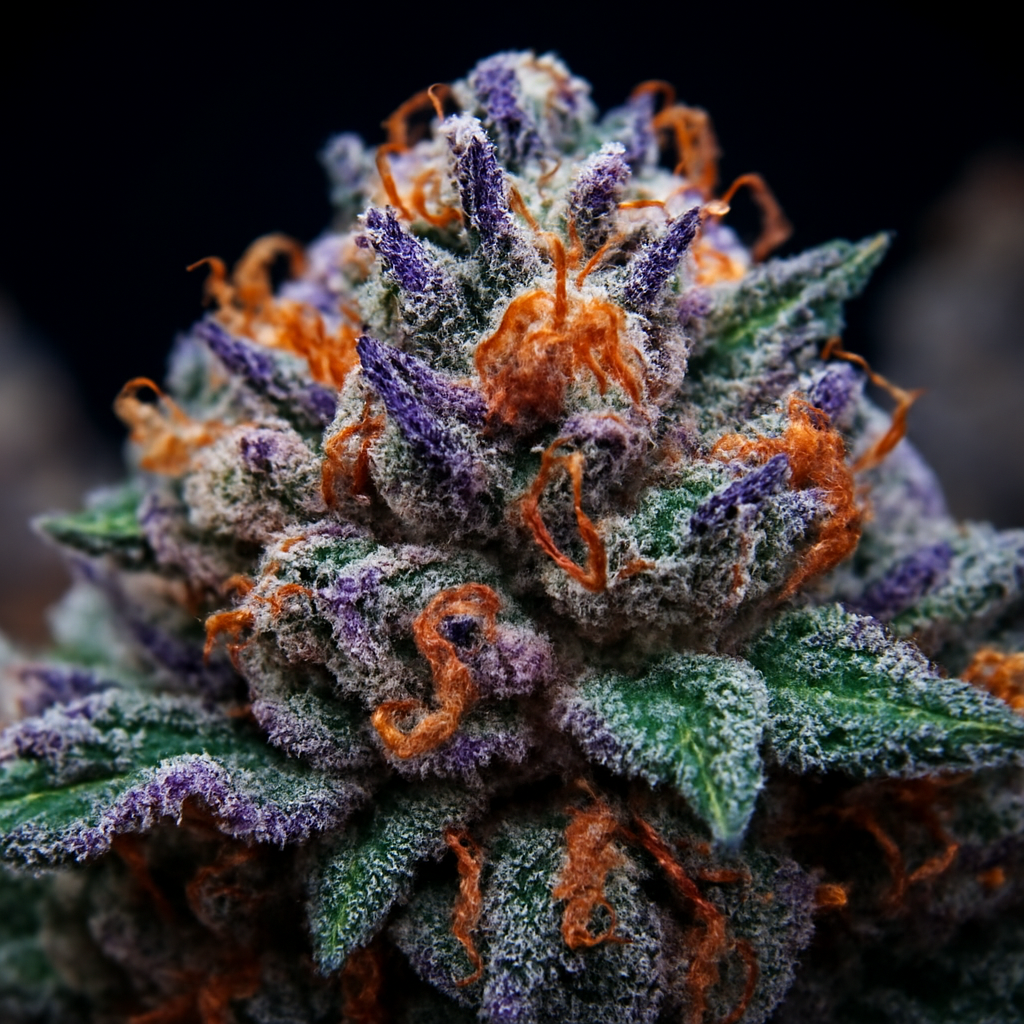
What Is the Black Ice Strain?
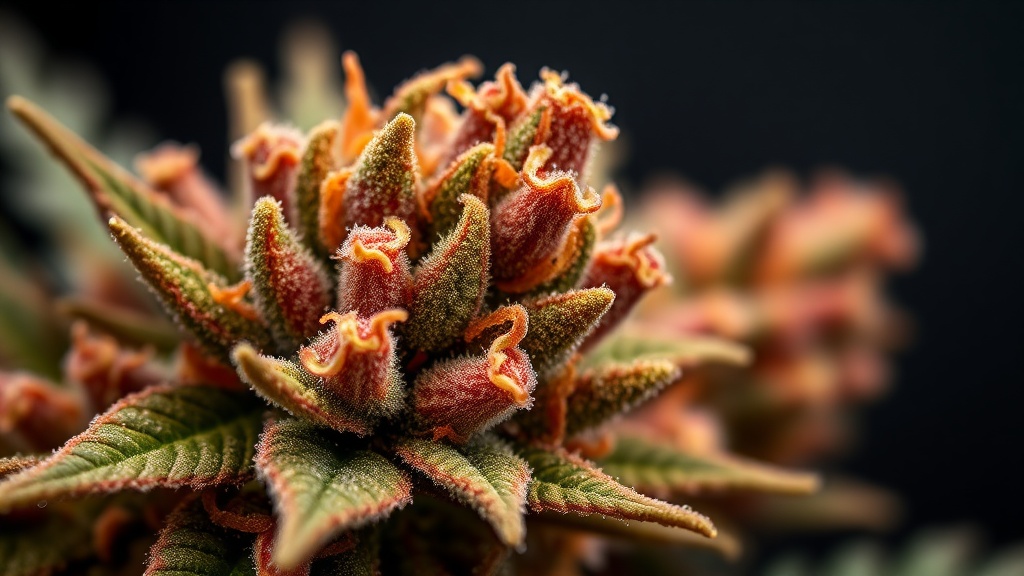
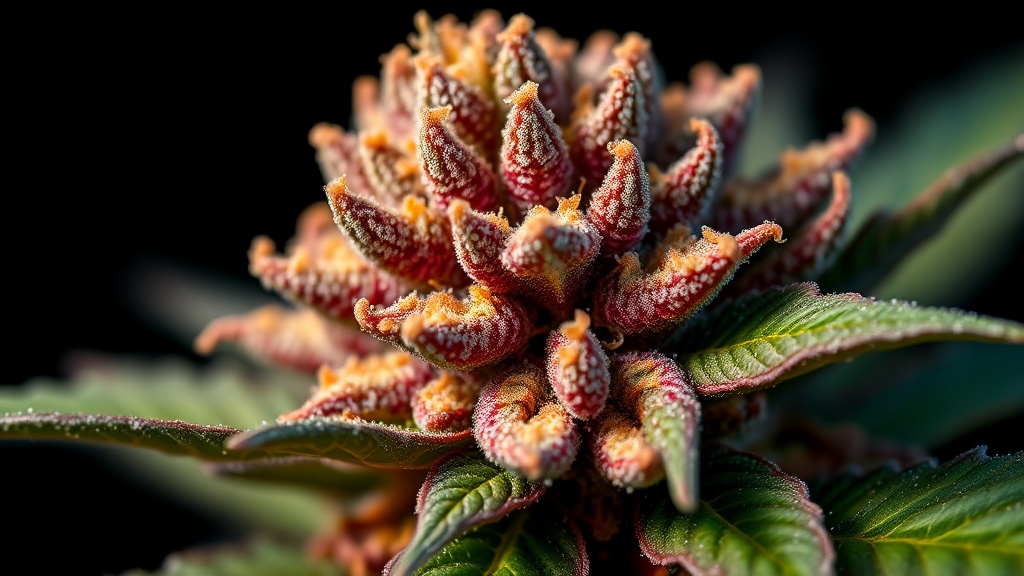
The Black Ice strain is an indica-dominant hybrid bred from two legendary parents: Black Domina and White Widow. Black Domina contributes tight node spacing, deep resin production, and a heavy physical effect profile. White Widow brings vigorous growth, trichome density, and a complex terpene fingerprint that mixes earthy pine with sweet floral top notes. The result is a plant that grows compact enough for tight tent grows, finishes reliably in under 10 weeks of flower, and produces buds that look like they've been dipped in frost — hence the name.
THC typically tests between 18–22%, depending on environment and phenotype selection. If you're running a structured grow journal, tracking Black Ice from seed is worth doing — you can browse how others are running this strain over at Black Ice grow journals on Grow Guide.
Black Ice Strain Structure and Training
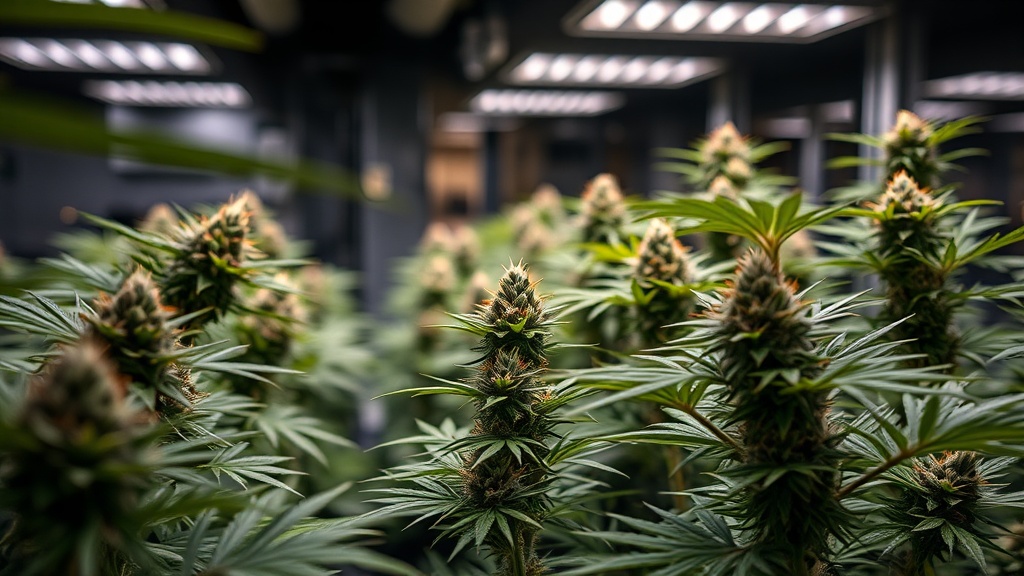
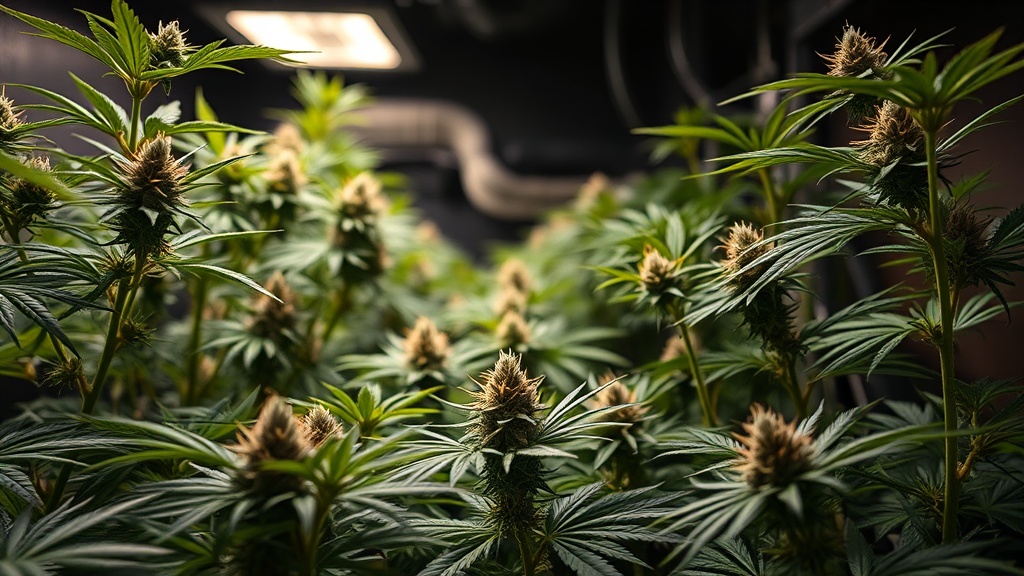
Black Ice has strong apical dominance and a naturally bushy structure that responds well to early intervention. Left untrained, it'll stack vertical height quickly and produce one dominant central cola with undersized larf below. Topped or FIMed early, it becomes a multi-cola machine that's well-suited to Screen of Green (ScrOG).
- Indoor height: 90–140 cm finished
- Outdoor height: 150–200 cm when started early and trained
- Recommended plant density: 2–4 topped plants per m²
- Veg duration: 4–6 weeks indoors to fill a 1 m² canopy
Top at the 4th or 5th node, then let two main shoots develop before applying LST (low-stress training) to spread the canopy horizontally. If you're running ScrOG, weave shoots under the net during the last 1–2 weeks of veg and the first week of transition. For a deep comparison of topping versus FIM, check out our Fimming vs Topping Cannabis guide.
Environmental Parameters for Black Ice
Black Ice is not a delicate plant, but dialing in your environment pays off significantly in resin density and bud weight. Here are the exact targets to hit across each growth phase:
Temperature and VPD
| Stage | Temp (°C) | RH (%) | Target VPD (kPa) |
|---|---|---|---|
| Vegetative | 22–26°C | 60–70% | 0.8–1.1 |
| Early Flower (wk 1–4) | 20–26°C | 50–60% | 1.0–1.3 |
| Late Flower (wk 5–harvest) | 17–22°C nights, 20–24°C days | 45–50% | 1.2–1.5 |
The late-flower RH drop to 45–50% is non-negotiable with Black Ice. Its dense bud structure traps moisture and the Black Domina genetics make it prone to botrytis (bud rot) if you let humidity creep above 55% in weeks 6–9. Cooler nights in late flower also encourage the purpling and deep green tones that give this strain its visual appeal.
Light Intensity (PPFD)
- Vegetative: 600–900 µmol/m²/s PPFD
- Flowering: 900–1,200 µmol/m²/s PPFD
- With CO₂ supplementation (1,100–1,300 ppm): Push toward 1,300 µmol/m²/s — but only if your irrigation and nutrient EC can keep pace
Not sure your light is delivering the right PPFD across your canopy? Run your setup through our Grow Light Calculator to check coverage and intensity before you flip to flower.
Nutrient Management for Black Ice
Black Ice is a moderate-to-heavy feeder in mid-to-late flower. Its Black Domina lineage means it can handle a higher EC than many indica hybrids, but push too hard in early veg and you'll see tip burn. Ramp up gradually.
pH and EC Targets
| Stage | pH (Soil/Coco) | pH (Hydro) | EC (mS/cm) |
|---|---|---|---|
| Early Veg | 6.2–6.6 | 5.7–6.1 | 1.2–1.4 |
| Mid-Late Veg | 6.2–6.6 | 5.7–6.1 | 1.4–1.6 |
| Early Bloom | 6.2–6.6 | 5.7–6.1 | 1.6–1.8 |
| Peak Bloom (wk 4–7) | 6.2–6.6 | 5.7–6.1 | 1.8–2.2 |
| Flush / Final 10–14d | 6.2–6.5 | 5.8–6.0 | 0.4–0.8 |
NPK Ratios by Phase
- Mid-Veg: NPK 3-1-2 — push nitrogen while keeping phosphorus and potassium in check
- Early Bloom (flip to week 3): Shift to 1-2-2 — reduce N sharply, increase P and K
- Peak Bloom (week 4–7): Run 1-3-3 — this is where Black Ice stacks weight, don't be shy with PK
- Final 10–14 days: Flush or minimal feed only
One common issue under LED lighting: interveinal chlorosis in mid-flower caused by calcium and magnesium deficiency. Supplement Ca/Mg at a combined 100–150 ppm from early flower onward — especially if you're in coco or RO water. If you spot yellowing between veins, diagnose it fast with our Nutrient Deficiency Identifier before it costs you yield. For a deeper look at seedling nutrition to get the early stages right, see our Best Nutrients for Cannabis Seedlings guide.
Harvest Timing for the Black Ice Strain
Black Ice averages 56–65 days of flower, but pheno variation is real. Some cuts run leaner and finish optimally at 63–67 days. Don't go by calendar alone — use a jeweler's loupe or digital microscope and check trichomes directly.
- Too early (mostly clear trichomes): Yield and potency are underdeveloped
- Peak harvest (milky/cloudy with 10–20% amber): Maximum THC, balanced effect — target this for most Black Ice phenotypes
- Late harvest (30%+ amber): More sedative, CBN increasing — can work for insomnia-focused runs
Watch pistils too: when 70–80% have darkened and retracted, you're entering the harvest window. Combine pistil observation with trichome inspection for the most accurate call.
If you're tracking multiple runs or want a precise day-by-day breakdown mapped to your flip date, the Grow Schedule Planner will map out your exact harvest window from the date you switched to 12/12.
Drying and Curing Black Ice
Black Ice buds are dense — moisture doesn't escape quickly, and rushing the dry is one of the most common mistakes growers make with this strain. A fast, warm dry collapses terpenes and produces harsh smoke. Go slow.
Drying
- Environment: Dark room, 15–21°C (60–70°F), 55–60% RH
- Airflow: Passive circulation — a small fan pointed at the wall, not directly at the buds
- Duration: 7–10 days minimum. With dense Black Ice colas, often 10–12 days
- Ready-to-cure indicator: Small stems snap cleanly when bent — no bend, no give
Curing
- Container: Glass mason jars, filled ~75% — leaving headspace matters for gas exchange
- Burping schedule: 2–3 times daily for the first 7 days, then once daily for 2 weeks, then every few days
- Minimum cure: 2 weeks before consuming — but 4–6 weeks is where Black Ice really opens up its terpene profile
- Long cure (2–3 months): Smooths the smoke considerably and lets the sweet floral notes from the White Widow side come forward
Use our Dry & Cure Timer to track burp intervals and cure duration — especially useful if you've harvested multiple jars across different phenos in the same run.
Expected Yield from Black Ice
Indoor yields for Black Ice under competent conditions run 350–500g/m² under a well-dialed 600–1000W LED, with ScrOG and proper VPD management. Outdoor plants trained from early spring can produce 400–700g per plant depending on season length and latitude.
Yield is directly tied to canopy coverage and light saturation — if your canopy isn't getting uniform PPFD at flower, you're leaving grams on the table. Plug your setup into our Yield Calculator to benchmark your expected output before harvest.
According to Grow Guide platform data from over 1,000 tracked grows, 73% of growers run indoor setups and 63% use soil as their primary medium. Black Ice performs well in both soil (forgiving for pH swings) and coco coir (faster growth, better EC control) — but coco demands more attentive Ca/Mg management given this strain's tendency toward mid-flower deficiency.
Common Problems When Growing Black Ice
Botrytis (Bud Rot)
The biggest risk. Dense colas with the Black Domina structure hold moisture between bracts. Keep late-flower RH at 45–50%, ensure adequate airflow through the canopy, and don't let defoliation lag — clear lower and internal fan leaves at the flip and again at week 3 of flower.
Nitrogen Toxicity at Transition
Black Ice growers frequently over-veg on nitrogen, then fail to drop N sharply enough at the flip. Dark, clawing leaves in week 1–2 of flower is a classic sign. Cut N by 60–70% at the start of bloom.
Light Bleaching
Running Black Ice under high-intensity LEDs without adequate canopy distance can cause light bleaching at the tops of ScrOG colas. Maintain manufacturer-recommended hang heights and work up to 1,200 µmol/m²/s gradually over 5–7 days rather than jumping straight there at the flip.
Running a Black Ice Grow Journal
Black Ice is a rewarding strain to document — the trichome development is visually dramatic, and phenotype variation between seeds means keeping records matters if you want to identify the best cut for a potential mother. Log your EC, pH, PPFD, and VPD readings alongside photos at each growth stage. See our guide to how to keep a cannabis grow diary if you're starting fresh, and track your ongoing Black Ice run at Black Ice on Grow Guide.
Frequently Asked Questions
How long does the Black Ice strain take to flower?
Black Ice averages 56–65 days of flowering from the flip to 12/12. Some phenotypes from seed stock run longer, finishing optimally at 63–67 days. Always confirm with trichome inspection rather than relying solely on day count.
Is the Black Ice strain hard to grow?
It's intermediate difficulty. Black Ice is forgiving with pH and nutrients compared to many sativa-leaning strains, but its dense bud structure makes late-flower humidity management critical. Keep RH at 45–50% in the final 3–4 weeks and maintain good airflow to prevent botrytis.
What's the best training method for Black Ice?
Topping at node 4–5 followed by LST is the most effective approach indoors. This breaks apical dominance and produces 4–8 even colas per plant. ScrOG works particularly well with this strain's compact node spacing and moderate vigour — 2–4 plants fill a 1 m² net cleanly after 4–6 weeks of veg.
What EC should I run for Black Ice during peak flower?
Target EC 1.8–2.2 mS/cm during peak bloom (weeks 4–7 of flower). Ramp up gradually from 1.2–1.4 mS/cm in early veg — don't jump to high EC in the first weeks of flower or you risk salt stress during the transition period.
What yield can I expect from Black Ice indoors?
Under a well-tuned LED producing 900–1,200 µmol/m²/s across a 1 m² ScrOG canopy, expect 350–500g/m² in optimal conditions. Yield drops significantly if PPFD is uneven across the net or if VPD is consistently out of range during flower.
References
- Weedmaps Editorial Team (2024). Black Ice Strain Overview. Weedmaps. Covers lineage, effect profile, and flavour characteristics of the Black Domina × White Widow cross. weedmaps.com/strains/black-ice
- Joint Commerce Cannabis Editorial (2024). Black Ice Strain: A Comprehensive Strain Guide. Covers cultivation parameters including PPFD targets, EC ranges, temperature and humidity by stage, and harvest timing. app.jointcommerce.com
- MMJ.com (2024). Drying and Curing Cannabis: A Complete Guide. Details optimal dry room conditions (15–21°C, 55–60% RH), stem-snap readiness test, and jar-curing burp schedules. mmj.com
- Strainy.com (2024). Ice / Black Ice Cannabis Strain Profile. Notes on training compatibility and structural characteristics including LST and topping recommendations. strainy.com
- Grow Guide Platform Data (2026). Aggregated data from 1,000+ tracked cannabis grow journals. Internal dataset covering grow environment breakdown (73% indoor), medium usage (63% soil), and feeding method distribution across active grow journals.