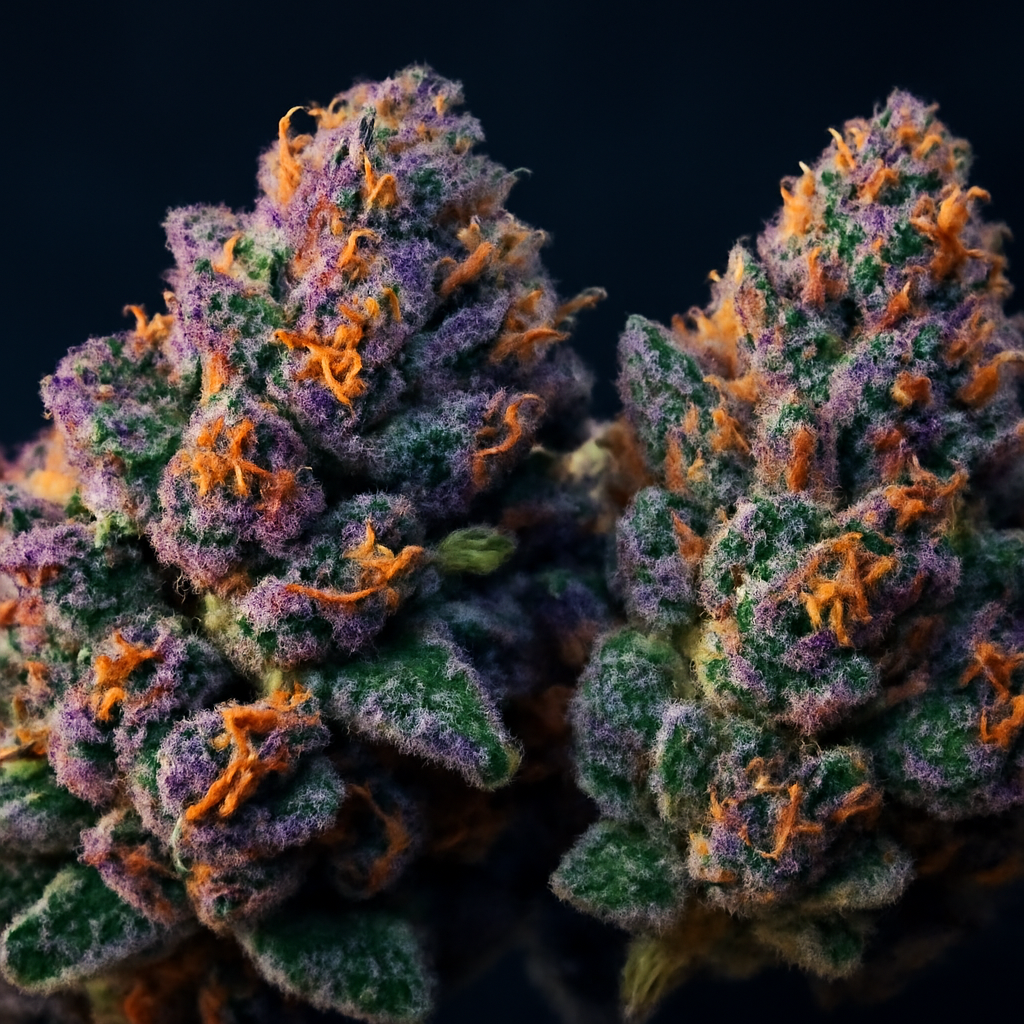
What Is The Fizz Strain?
The Fizz strain is a balanced hybrid — roughly split between sativa and indica genetics — that has picked up serious momentum among home cultivators tracking grows on platforms like Grow Guide. Of the 1,000 grow journals currently tracked on the platform, the vast majority (736) run indoors, which is exactly the environment where The Fizz performs best. Its balanced lineage means you get manageable internodal spacing without sacrificing the terpene complexity that makes sativa-leaning cultivars worth the extra attention. Think citrus-forward fizzing brightness — hence the name — backed by a grounding resinous base.
This guide walks you through every stage of a The Fizz strain grow from seed to sealed jar: environment, lighting, nutrients, training, harvest windows, and the dry-and-cure protocol that separates mediocre runs from memorable ones. Numbers are specific. Skip what you already know, jump to what you need.
You can explore other growers' journals running this cultivar at The Fizz grows on Grow Guide, or plan your run from day one with the Grow Schedule Planner.
The Fizz Strain: Growth Timeline at a Glance
Environment: Dialing In The Fizz Strain Indoors
The Fizz is forgiving enough for intermediate growers but rewards precision. Its balanced genetics mean it responds well to both soil (still the dominant medium — 631 of 1,000 Grow Guide journals use soil) and coco coir. Here's how to run each stage correctly.
Vegetative Stage Environment
- Temperature: 70–80°F (21–27°C). Stay toward the upper end early in veg to drive rapid canopy development.
- Relative Humidity: 60–65% RH. This is where VPD sits around 0.8–1.0 kPa — sweet spot for transpiration and uptake.
- PPFD: 300–500 μmol/m²/s at the canopy. Start lower (300) for seedlings transitioning out of propagation, ramp to 500 by week 3 of veg.
- Light schedule: 18 hours on / 6 hours off.
- CO₂: Ambient (400 ppm) is fine in veg unless you're already pushing high PPFD and have temperature perfectly dialed.
Flowering Stage Environment
- Temperature: Drop to 65–75°F (18–24°C). A 5–8°F differential between lights-on and lights-off encourages anthocyanin expression and terpene retention.
- Relative Humidity: 50–55% in early flower (weeks 1–4), then 45–50% from week 5 onward. In the final two weeks, consider pushing to 40–45% RH if your airflow is solid.
- PPFD: 700–900 μmol/m²/s. Use your Grow Light Calculator to map intensity across your canopy and avoid hot spots above 1,000 μmol/m²/s without CO₂ enrichment.
- CO₂: If you can seal your tent or room, supplementing to 900–1,200 ppm during the flowering phase meaningfully increases photosynthetic efficiency — particularly useful with The Fizz's heavier resin-producing upper colas.
- Light schedule: 12 hours on / 12 hours off.
- Airflow: Oscillating fans at canopy level and below. Stagnant air is how powdery mildew starts, especially in late flower when buds are dense.
Nutrients for The Fizz Strain
The Fizz responds well to a conventional three-stage feeding approach. If you're running soil, lean toward organic amendments; if you're on coco coir, a salt-based system gives you tighter control. Check out our guide to best organic nutrients for cannabis if you're building a living soil run. For seedling-specific nutrition advice, see our best nutrients for cannabis seedlings guide.
Feeding Schedule Overview
| Stage | EC Target (coco/hydro) | pH Range | Key Macronutrients |
|---|---|---|---|
| Seedling | 0.4–0.6 EC | 6.0–6.5 (soil) / 5.8–6.0 (coco) | Low N, minimal P/K |
| Early Veg | 0.8–1.2 EC | 6.0–6.5 / 5.8–6.2 | High N, moderate P/K |
| Late Veg / Pre-flower | 1.2–1.6 EC | 6.2–6.8 / 5.8–6.2 | Balanced N-P-K |
| Early Flower (wks 1–4) | 1.4–1.8 EC | 6.2–6.8 / 5.8–6.2 | Drop N, raise P + K |
| Mid–Late Flower (wks 5–8) | 1.6–2.0 EC | 6.2–6.8 / 5.8–6.2 | High P + K, Ca + Mg |
| Flush / Final Week | 0.2–0.4 EC (plain water) | 6.0–6.5 | Flush residuals |
If you spot yellowing between leaf veins mid-veg, that's a classic magnesium deficiency — especially common in coco. Run our Nutrient Deficiency Identifier to confirm before reaching for cal-mag. On soil, also check pH before assuming a deficiency; lockout at pH 7.0+ is the more likely culprit.
Training The Fizz Strain for Maximum Canopy Coverage
The Fizz's balanced hybrid structure — moderate internode spacing, sturdy lateral branching — makes it an excellent candidate for low-stress training (LST) combined with a light topping or FIM early in veg. You're not fighting a stretchy sativa or a squat indica; you're working with a plant that actually wants to spread out.
- Top or FIM at node 4–5 (around day 21–28 of veg) to encourage two to four dominant colas.
- LST from week 2 of veg: bend main stem at 45° away from center, securing with soft ties to the pot rim. Repeat on side branches weekly.
- Scrog net at 12–16 inches above the pot: Fill 70–80% of the net before flipping to 12/12. The Fizz fills a screen efficiently without the aggressive tucking some sativa-leaning strains require.
- Defoliate lightly at flip and again at day 21 of flower — remove fan leaves blocking bud sites, not everything green.
For a deeper look at topping techniques, see our Fimming vs Topping guide. When your canopy shape is finalized, plug your setup into the Yield Calculator to set realistic harvest targets.
Harvest: Reading The Fizz Strain's Trichomes
The Fizz strain's harvest window typically opens around week 8–9 of flower (days 56–63 from flip). Begin trichome checks daily from week 7. Use a 60–100× jeweler's loupe or a digital microscope — the naked eye isn't reliable enough here.
- Target ratio: Roughly 70% milky/cloudy trichomes, 20–30% amber. This gives the balanced effect profile The Fizz genetics are built for.
- Watch the calyx trichomes, not the sugar leaves — sugar leaf trichomes amber faster and will mislead you.
- At harvest: Cut main branches with sharp, clean scissors. Avoid squeezing buds. Move directly to your drying space.
Drying and Curing The Fizz Strain
This is where The Fizz earns its name. The citrusy, effervescent terpene profile — heavy in limonene and likely myrcene — is fragile. Rush the dry or skip the cure and you'll lose the characteristic brightness that makes this cultivar distinctive. Use the Dry & Cure Timer to track burp schedules and moisture milestones precisely.
Drying Protocol
- Space: Dark room or tent with no light exposure. UV degrades terpenes.
- Temperature: 60–70°F (15–21°C). Lower end (62–65°F) extends the dry to 10–14 days, which benefits The Fizz's terpene retention significantly.
- Humidity: 45–55% RH. Aim for 50% as your target. Too dry and you'll rush moisture loss from the outside while the inside stays wet — this causes that hay smell.
- Airflow: Passive circulation only in the dry room. No fans blowing directly on buds.
- Done when: Small stems snap cleanly. Larger stems still bend slightly. Buds feel dry to touch but not brittle.
Curing Protocol
- Trim to your standard and place buds in wide-mouth airtight glass jars — fill to 75% capacity, never pack them tight.
- Store jars at 60–65°F in complete darkness.
- Burp jars twice daily for the first two weeks: open for 5–10 minutes each time to exchange gases and let moisture equalize.
- If RH in the jar exceeds 70% after sealing, leave the lid off for 1–2 hours before resealing. Below 55% RH in the jar, add a 62% Boveda pack.
- Minimum cure: 4 weeks. Optimal for The Fizz: 6–8 weeks. The terpene profile genuinely deepens and the "fizz" quality becomes more pronounced past week 6.
Troubleshooting Common The Fizz Strain Issues
Pest Pressure
The Fizz's dense flowering sites make it susceptible to spider mites and fungus gnats in humidity-inconsistent environments. Yellow sticky traps at canopy and substrate level give you an early warning system. At first sign of spider mites, hit undersides of leaves with neem oil or spinosad — do this in the dark hours of your light cycle and not after week 4 of flower. Beneficial insects (Amblyseius cucumeris for thrips, Hypoaspis miles for fungus gnats) work well in veg and early flower.
Powdery Mildew in Late Flower
Dense canopy + RH creeping above 55% in weeks 6–9 = powdery mildew risk. Prevention is everything here: maintain airflow, hit that 45–50% RH target, and defoliate proactively. If you see white powdery spots, treat immediately with potassium bicarbonate solution (1 tbsp per gallon) on affected areas — effective up through week 6 of flower. Do not use sulfur-based products in flower.
Nutrient Lockout
pH drift is the most common cause of apparent deficiencies mid-grow. Check runoff pH every watering during flower — if it creeps above 7.0 in soil, flush with properly pH'd water (6.2–6.5) before adding nutrients. Yellowing lower leaves in weeks 7–9 of flower is normal senescence, not a deficiency — don't react by over-feeding late.
If you're unsure what you're looking at, the Nutrient Deficiency Identifier walks you through the visual symptoms systematically. And if you want to track every aspect of this grow from day one, learn how to keep a cannabis grow diary — data from your first run makes your second run significantly better.
Frequently Asked Questions
How long does The Fizz strain take to flower?
The Fizz strain typically finishes flowering in 8–9 weeks (56–63 days) from the flip to 12/12. Begin checking trichomes daily from week 7. Harvest when trichomes are approximately 70% milky and 30% amber for the strain's characteristic balanced effect.
What PPFD does The Fizz strain need in flowering?
Target 700–900 μmol/m²/s at canopy level during flowering. Without CO₂ supplementation, exceeding 1,000 μmol/m²/s can cause light stress and photobleaching on upper colas. Use the Grow Light Calculator to map your actual canopy coverage.
What humidity should I maintain when growing The Fizz?
Vegetative phase: 60–65% RH. Early flower (weeks 1–4): 50–55% RH. Late flower (weeks 5 to harvest): 45–50% RH. Dropping below 40% RH in late flower is generally fine if airflow is adequate, but watch for tip burn from elevated VPD.
How long should I cure The Fizz strain?
A minimum of 4 weeks is needed for safe, stable storage — but The Fizz's terpene profile genuinely develops and improves up to 6–8 weeks in the jar. The characteristic citrusy effervescence that defines this cultivar is most pronounced after a full 6-week cure. Use the Dry & Cure Timer to stay on schedule.
Is The Fizz strain suitable for beginner growers?
Yes, with some caveats. The Fizz's balanced hybrid structure is more forgiving than a pure sativa and more interesting to grow than most indica-dominant plants. The main challenge is managing late-flower humidity to avoid mold in dense buds. If you have a basic tent setup with an inline fan and a decent hygrometer, you have what you need to run it successfully. See our indoor grow guide for a full setup walkthrough.