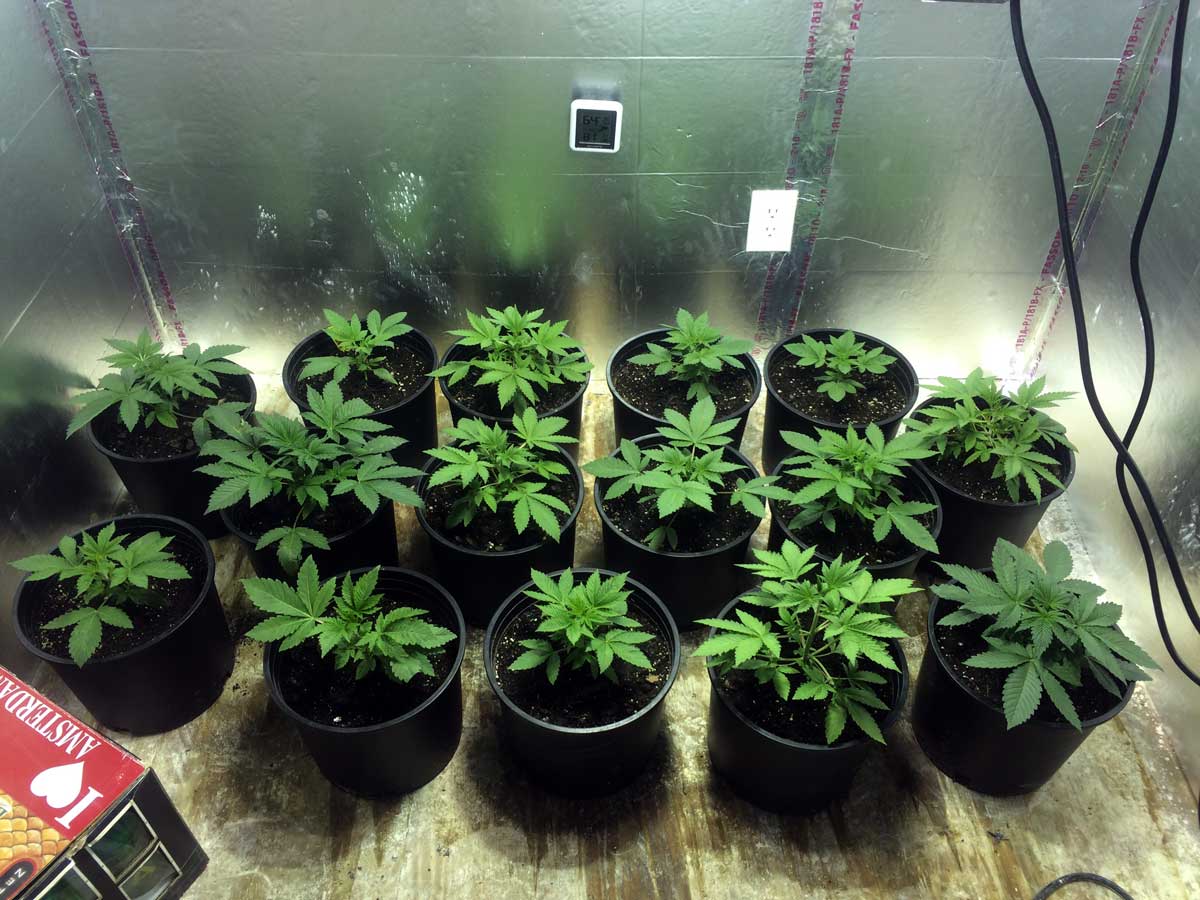
Here's the thing about growing your first cannabis plant: everyone tells you it's easy, but nobody warns you about the rookie mistakes that'll have you second-guessing everything at 2 AM while frantically Googling "why are my leaves turning yellow."
I've been there. Staring at my plants like they were speaking a foreign language, convinced I needed seventeen different nutrient bottles and a PhD in botany just to grow some decent weed.
Turns out, I was overcomplicating everything.
After several grows and plenty of facepalm moments, I've figured out what actually matters. These seven lessons would've saved me weeks of stress, a few dead plants, and honestly, a lot of money on stuff I didn't need.
1.) Keep It Stupidly Simple (Seriously, That's the Strategy)
When I started out, I thought growing good weed meant having the most advanced setup possible. Fancy hydroponic systems, complicated feeding schedules, the works.
Big mistake.
My best harvests came from the simplest approach: coco coir, hand-watering, basic nutrients. That's it. No elaborate systems to troubleshoot, no expensive controllers to program. Our week-by-week guide breaks down this exact approach.
The real magic formula: One weekend to set everything up. Ten minutes a day to water and check on your plants. Then wait. The hardest part is actually the waiting.
Most new growers kill their plants by doing too much, not too little. This is especially true during weeks 3-5, when people start panicking and overfeeding.
Action step: Pick one simple grow method and stick with it for your entire first grow. No mid-grow system changes. Trust the process.
2.) Your Light Makes or Breaks Everything (And I Mean Everything)
I used to obsess over which nutrients to buy. Should I get the bloom booster? What about the root enhancer?
Meanwhile, I was running a cheap light that couldn't penetrate past the top few inches of my plant.
Here's what nobody tells you: you can grow fire with bargain nutrients under a great light, but even the fanciest nutrients won't save buds grown under weak lighting. Your light is the engine. Everything else is just oil and coolant.
Good light = dense, frosty buds that actually get you high Weak light = airy popcorn buds that look sad and smoke worse
For a small personal grow (5-11 oz per harvest), a solid 200W full-spectrum LED will crush it. Want bigger yields? A 350W LED can push you to a full pound if you dial everything in.
Action step: Budget for the best light you can afford first, then figure out everything else. Not the other way around.
3.) Airflow Isn't Sexy, But It'll Save Your Ass
This one hurt to learn. I lost an entire plant to mold because I thought "airflow" just meant having a fan somewhere in the room.
Wrong.
You need actual air circulation—a gentle breeze that makes leaves wiggle slightly but doesn't look like your plant is in a wind tunnel. Plus an exhaust fan pulling hot, humid air out constantly.
Good airflow prevents:
- Mold and bud rot (the harvest killers)
- Pest infestations (bugs hate moving air)
- Weak, stretchy stems
- Slow growth
My plants got noticeably healthier once I set up proper ventilation. Stems thickened up, growth accelerated, and I stopped finding mystery problems every week.
Action step: Set up one oscillating fan for circulation and one exhaust fan pulling air out. Keep your flowering space under 80°F. That's the whole system.
4.) Strain Selection Is 80% of Your Results
I used to think a seed was a seed. Just grow whatever, right?
Then I grew two different strains side by side, same setup, same care, same everything. One produced massive, potent buds. The other grew scraggly, barely got me high, and yielded about a quarter of what the first plant did.
Genetics aren't just important—they're everything. Choosing the right strain for your space and skill level might be the single most impactful decision you make.
What to look for:
- THC levels - Under 15%? You'll barely feel it. 20-25%? Sweet spot for most people. Above 25%? Buckle up.
- Grow difficulty - Some strains are forgiving. Others will punish every tiny mistake.
- Flowering time - Match all your plants so they finish together
- Height expectations - Don't grow a 6-foot sativa in a 5-foot tent (ask me how I know)
Browse quality genetics from trusted breeders instead of hoping that random bag seed turns out okay.
Action step: Spend 30 minutes researching strains before buying. Read grow reports, check breeder reputations, verify THC percentages. This is where your harvest gets made or broken.
5.) Less Nutrients = More Buds (I Know, It Sounds Backwards)
My first grow, I mixed nutrients at double strength because I figured more food = bigger plants.
I burned the hell out of them. Crispy leaf tips, stunted growth, the works.
The dirty secret about cannabis nutrients: plants need way less than you think. Most nutrient lines tell you to use more than necessary because they want you to buy more bottles.
Start with half-strength. Seriously. Your plants will tell you if they need more by growing pale or yellowing from the bottom up. But if you give them too much? Burnt tips, nutrient lockout, and a whole cascade of problems that'll have you diagnosing deficiencies that don't actually exist.
Action step: Pick one simple 2-part nutrient system. Start at 50% of what the bottle says. Only increase if plants show signs of hunger. Use our diagnostic tool if you run into issues.
6.) Instagram Growers Aren't Always Right (Shocking, I Know)
YouTube taught me to defoliate aggressively. A forum told me to pH to 5.8. Instagram insisted I needed Cal-Mag every watering.
All of them were wrong for my specific setup.
Here's the reality: every grow space is different. What works in someone's dialed-in basement operation might wreck your closet grow. Not because the advice is bad, but because the conditions aren't the same.
Some of the worst advice I've followed came from people posting pictures of their plants... that actually looked terrible. But they talked confidently, so I believed them.
Red flags to watch for:
- Growers who can't show you healthy plants they've actually harvested
- Advice that contradicts basic science
- People selling products while giving advice
- Anyone who says "always" or "never" without nuance
That said, learning from experienced growers is invaluable. Just verify their results before following their methods. Our plant diagnostic tool gives you science-backed solutions, not forum speculation.
Action step: When you get advice, ask to see pictures of their harvests. No healthy buds = grain of salt required.
7.) Nail Your Harvest Timing and Cure (Or Waste Months of Work)
I harvested my first plant three weeks early because I got impatient. The smoke was harsh, the high was weak, and I literally threw away 30% of my potential potency by jumping the gun.
Then on my second grow, I harvested at the right time but rushed the dry. Buds smelled like hay and tasted like grass clippings.
The harvest window matters. Understanding when to actually cut your plants is what separates okay weed from mind-blowing weed.
Here's the simple version:
- Wait until 90% of the white hairs have darkened and curled in
- Check trichomes under magnification—cloudy white = peak THC
- Dry slowly in 60°F and 60% humidity for 7-14 days
- Cure in jars, burping daily for 2+ weeks minimum
I know waiting sucks when you've been growing for months. But those final weeks and the cure are where good bud becomes great bud.
Action step: Read our complete harvest guide before you even start growing. Knowing the finish line helps you pace the whole race.
Bonus: When Plants Get Weird, Don't Panic
Every plant gets sick sometimes. Leaves yellow, spots appear, growth slows. It happens.
First-time me would've freaked out and started throwing every solution at the problem simultaneously, which only made things worse.
Now? I take a breath, use our diagnostic tool to figure out what's actually wrong, fix that one thing, then wait a few days to see if it worked.
Most problems are either:
- Too many nutrients (most common)
- Not enough water (or too much)
- pH is off
- Pests you haven't noticed yet
Identify the issue, make one change, observe. Don't go scorched earth on your plants because of a few yellow leaves.
Action step: Bookmark our plant diagnostic system. Take clear photos of problems when they appear. One issue at a time.
The Real Secret Nobody Mentions
Growing great weed isn't about knowing everything—it's about keeping things simple enough that you can actually see what's working and what isn't.
My best advice? Start with our complete grow guide, follow the basics religiously on your first grow, and only get fancy after you've successfully harvested decent buds once.
Every grower kills some plants at some point. The winners are just the ones who keep growing anyway.
Now go plant some seeds. Your future self with a full jar of homegrown is going to thank you.