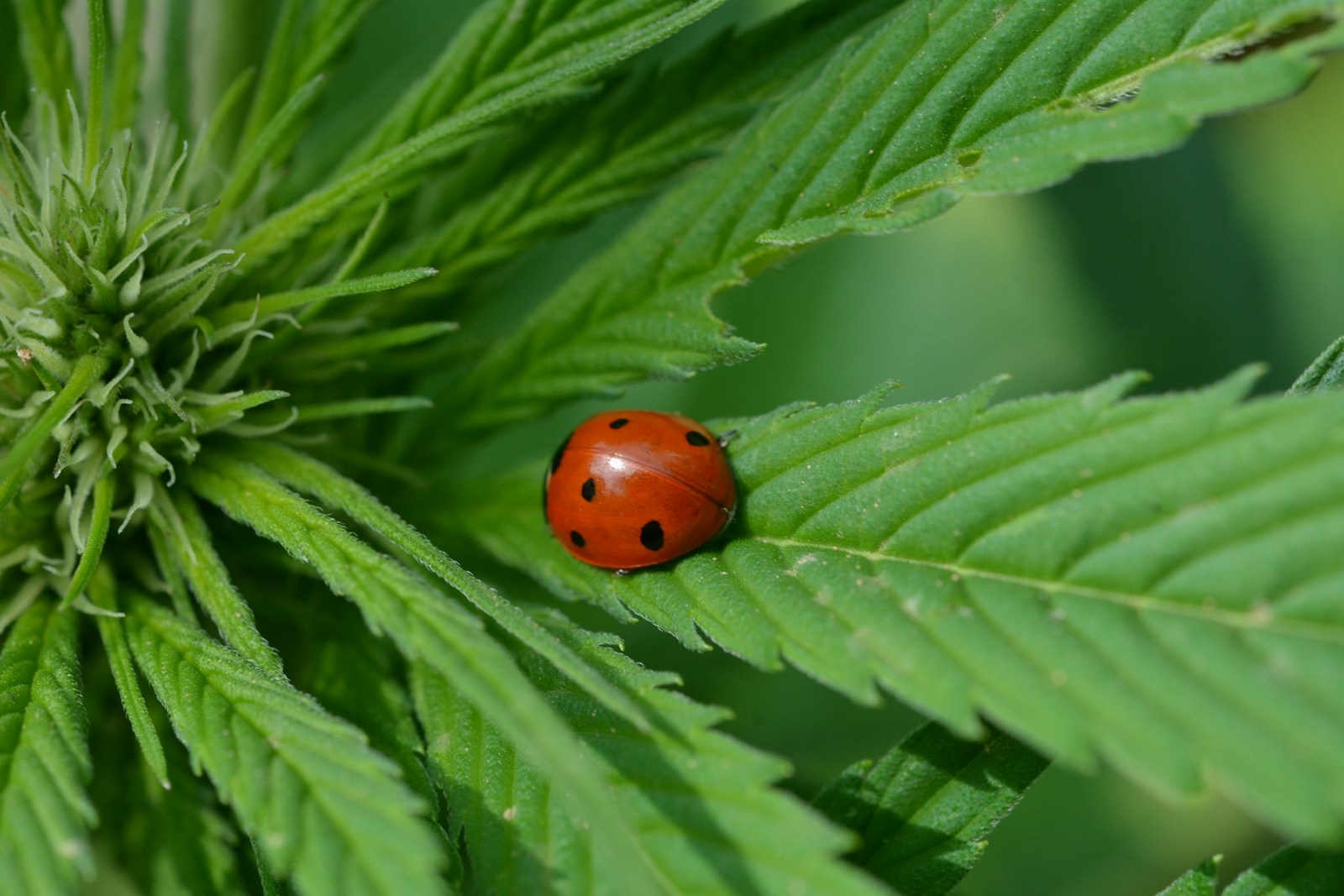
Protect your garden the smart way—without harsh chemicals using a natural pest control
If you’re growing organic cannabis (or any garden plants) and want to keep pests under control without compromising health, aroma, or leaf quality, this guide is for you. This Natural Pest Control guide walks you through identifying pests, choosing the best natural tools, and building a robust defense system rooted in both research and real-world grower experience.
Why Natural Pest Control Matters (Especially for Cannabis)
Before diving into pests and remedies, it helps to understand why we lean toward natural methods—especially in cannabis cultivation.
- Residue risk & testing: Many cannabis growers face strict testing protocols. Synthetic pesticides often leave residues that fail limits. A review of pesticide use in cannabis highlights how residue detection is a major regulatory hurdle. Analytical Science Journals
- Resistance development: Pests like spider mites evolve resistance quickly to synthetic chemicals (xenobiotics), making chemical-only strategies short-lived. AttheU
- Crop-specific challenges: Cannabis has dense foliage, sticky resinous surfaces, and a heavy trichome layer, which can interfere with predator insects’ movement and reduce spray efficacy. Recent research on indoor cannabis points out morphological and biochemical traits that complicate biological control. Frontiers+1
- Sustainability & ecosystem health: Natural control methods foster beneficial insects, protect soil life, and reduce environmental impact.
- Ethnobotanical potential: Interestingly, cannabis itself has been studied for its own pesticidal properties. One systematic review suggests that compounds in cannabis may exert toxicity against pest insects and mites, offering possible dual-use potential (though this is still in early research stages). ResearchGate+1
So, the goal is not just to kill pests—but to manage your garden ecosystem, keep beneficials thriving, and intervene strategically.
Common Cannabis Pests & How to Spot Them
Here’s a quick reference to major pests, their symptoms, and when you’re most likely to see them.
| Pest Type | Symptoms & Clues | Why It’s a Problem |
|---|---|---|
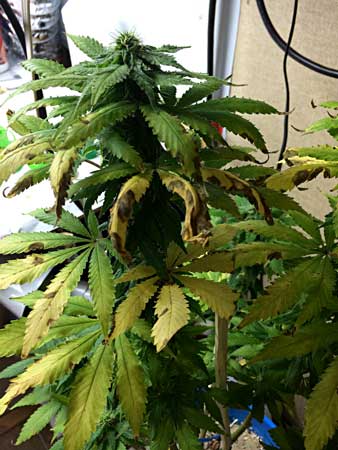
| Spider mites(Tetranychus urticae) | Speckled or stippled leaves, webbing, bronze or silvery patches, leaf loss | Rapid reproductive rate; can devastate a crop within days if unchecked |
| Aphids (various species) | Clusters on new growth/leaf undersides, honeydew (sticky residue), ants, curled or yellow leaves | Reproduce fast, deposit honeydew that encourages mold |
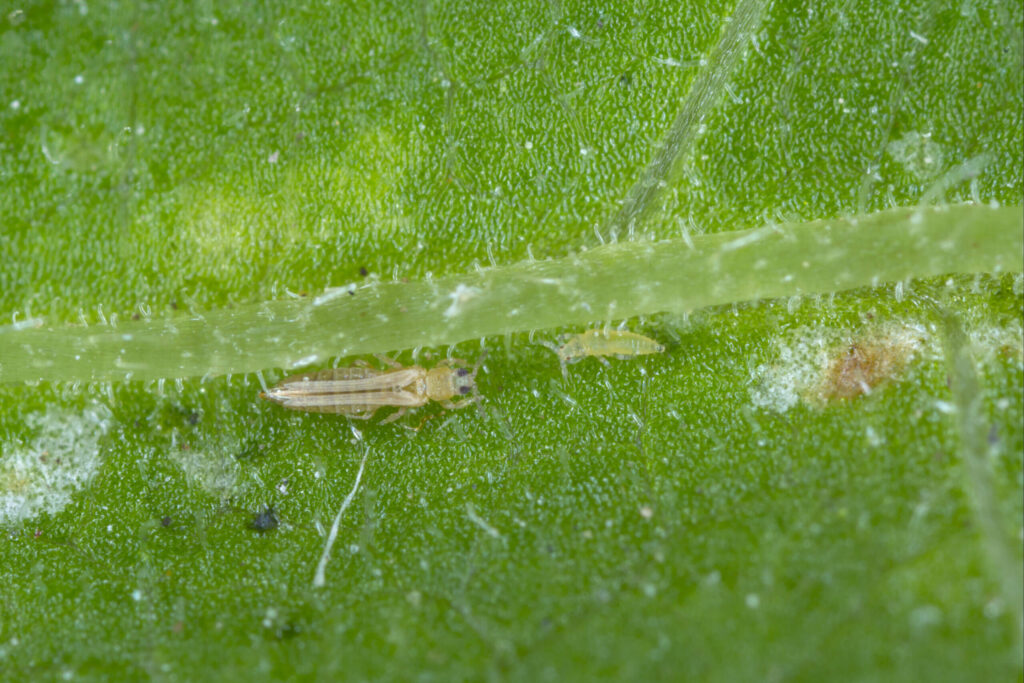
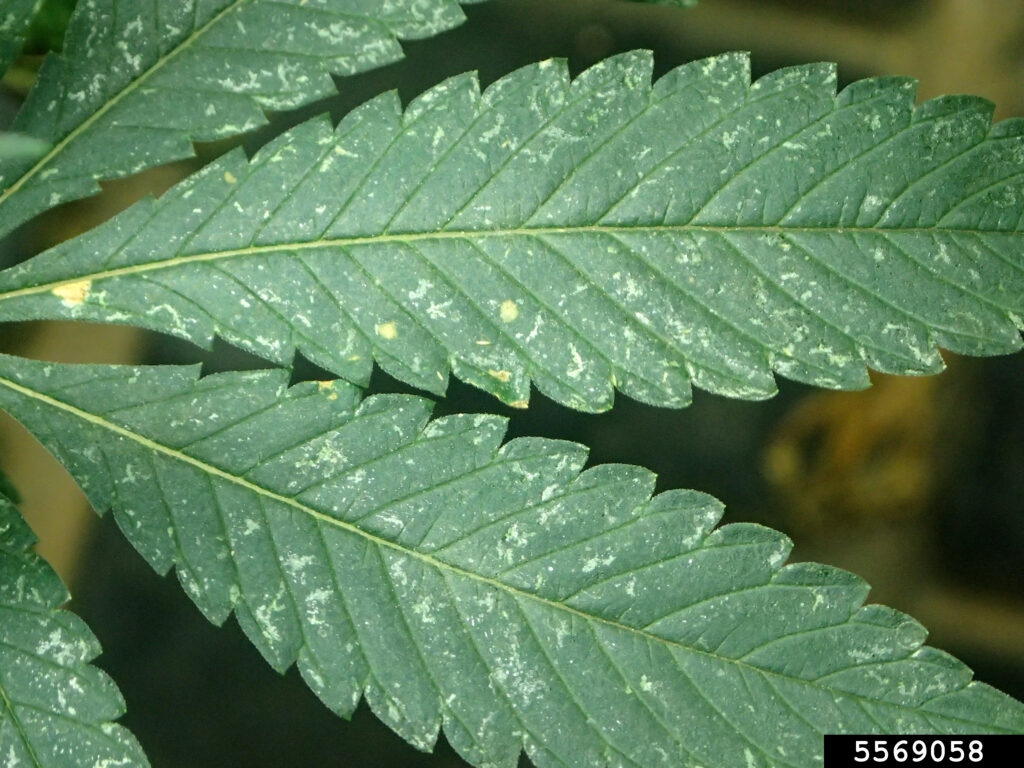
| Thrips (e.g. Frankliniella occidentalis) | Silvery streaking, black fecal spots, distorted new growth | They can transmit viruses between plants |
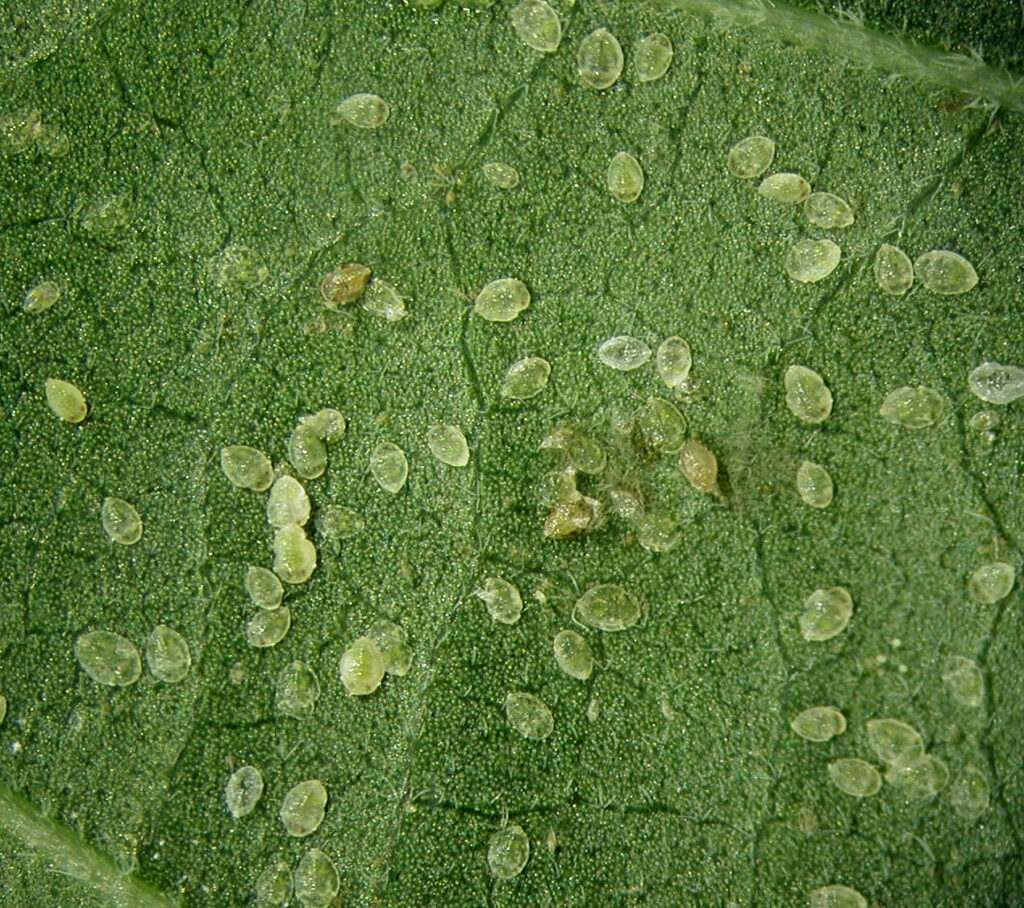
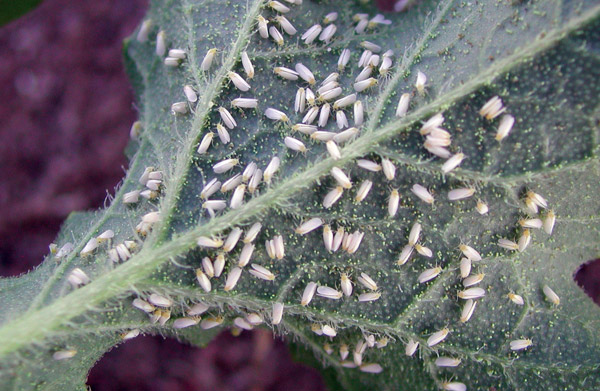
| Whiteflies (Bemisia, Trialeurodes) | Tiny white flies when disturbed, nymphs under leaves, honeydew, sooty mold | Fast breeding; challenging to reach eggs/nymphs |
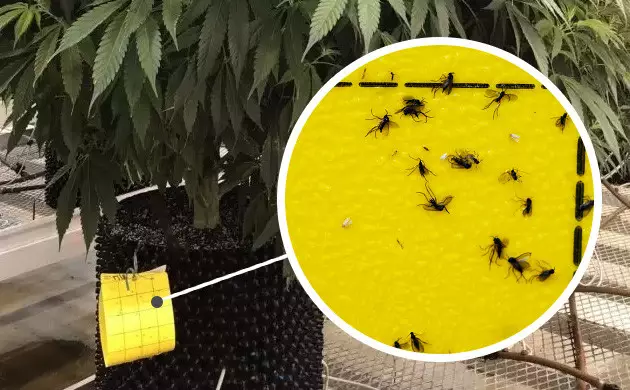
| Fungus gnats (Bradysiaspp.) | Dark flies near soil surface, root damage, stunted growth | Larvae feed on fine roots, harming plant health |
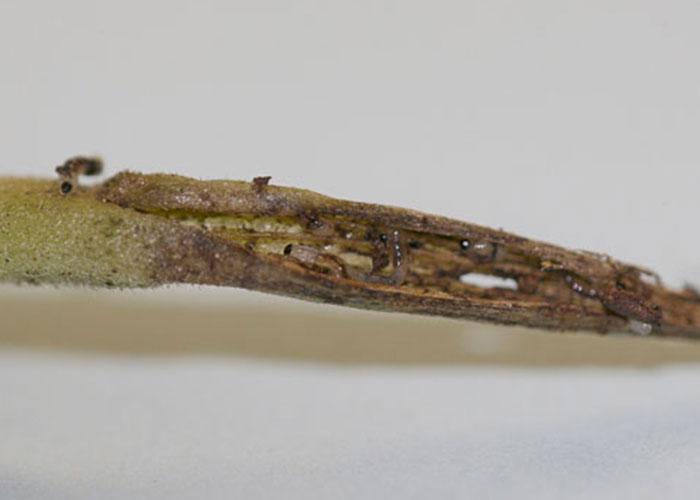
| Caterpillars / Larvae(various Lepidoptera) | Holes in leaves, frass (droppings), chewing damage on buds/leaves | Direct damage, and risk of bud rot if frass enters buds |
Always scout under leaves, early in the morning or late evening. Use a 10× loupe or magnifier if possible. Early detection makes all the difference.
Biological & Natural Pest Control: Ranked, Explained, and Applied
Below are many of the best natural tools—what works, when, and how—organized by pest. All methods here are compatible with organic practices when used correctly.
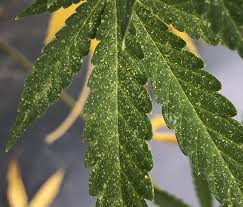
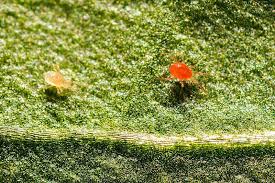
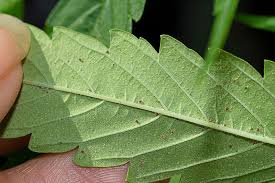
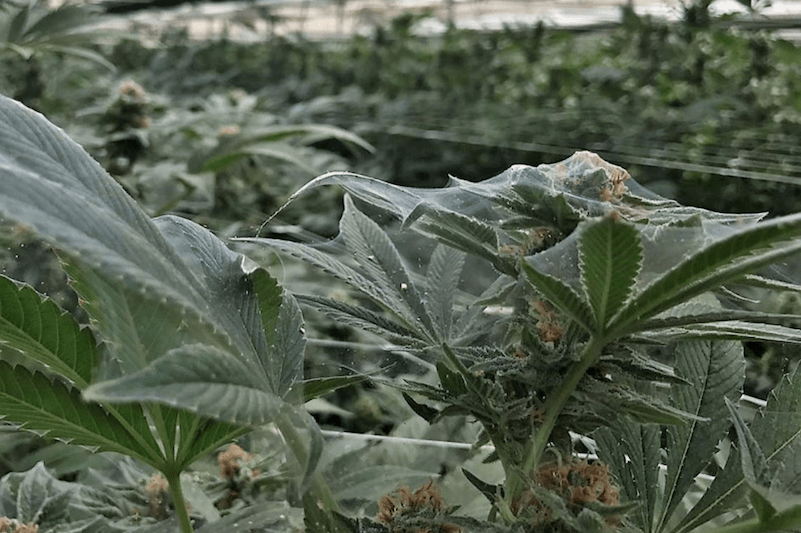
Spider Mites (Tetranychus urticae)
Top Tools & Tactics
- Predatory Mites (e.g. Phytoseiulus persimilis, Neoseiulus spp.)
- Why use them: These mites actively hunt spider mites and can reduce populations without any sprays.
- How to apply: Release 2–5 predatory mites per infested plant. Use slow-release sachets in areas you’re preserving (e.g. in flowering).
- Notes: Works best in moderate temperature/humidity ranges (65–85°F).
- Caveats: Because cannabis can be dense and sticky, predators sometimes struggle to navigate—so ensure proper placement and avoid sprays that may harm them.
- Neem Oil / Azadirachtin-based formulations
- Mechanism: Azadirachtin (a major neem-derived compound) doesn’t immediately kill mites. Instead, it disrupts feeding, development, and reproduction. NCBI+1
- Efficacy data: In one study, neem oil at a high concentration achieved 100% mortality for young female mites and dramatically reduced egg-laying. SpringerLink Another trial on leafy vegetables showed sublethal population suppression over time (though full knockdown was below 80%). ResearchGate
- How to apply: Use a 1–2% solution, spray thoroughly (undersides especially), every 3–7 days. Evening applications reduce risk of leaf burn. Avoid or limit use in flowering.
- Considerations & limits: Neem is slower acting and may not fully replace predator mites alone. Also, its effectiveness can decline due to photodegradation, volatility, or plant surface interactions. PMC
- Botanical / Essential Oil Sprays
- Candidates: Garlic, rosemary, clove, cottonseed, and combinations like GC-Mite (cottonseed + clove + garlic) have shown over 90% mortality in trials. PubMed
- How to apply: Mix oils in mild surfactant base, test first on one leaf, spray every few days.
- Caveats: These sprays can be phytotoxic to delicate leaves or impact beneficials. Use with caution early, not during late flowering.
- Botanical Formulation + Surfactants (Aloe, Oils, etc.)
- For example, ATTRA suggests recipes using aloe vera juice + neem + essential oils to smother mites. ATTRA
- These smothering mixes can interrupt mite reproduction cycles with frequent applications.
Pro Tip: Rotate modes of action—don’t use only neem or only predators—to delay mite adaptation and maintain stable control.
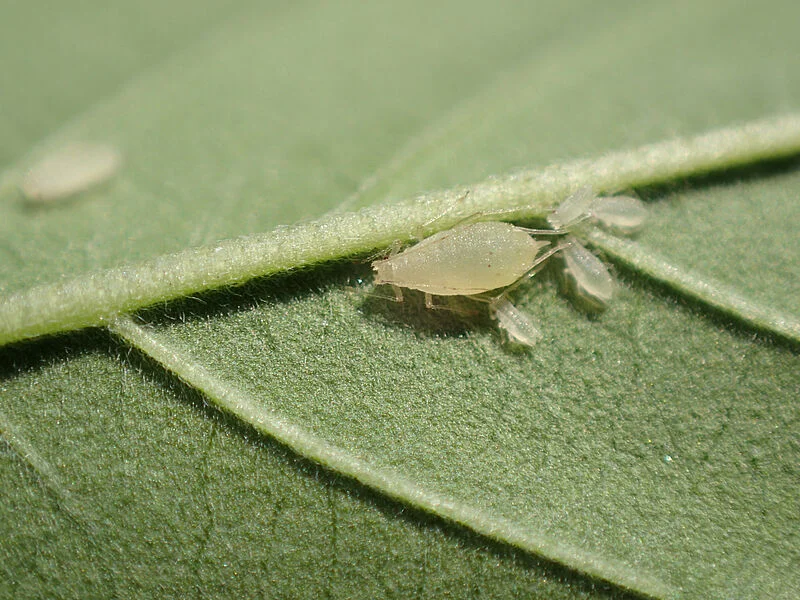
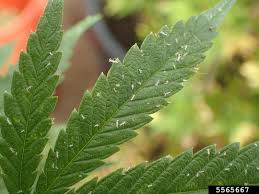
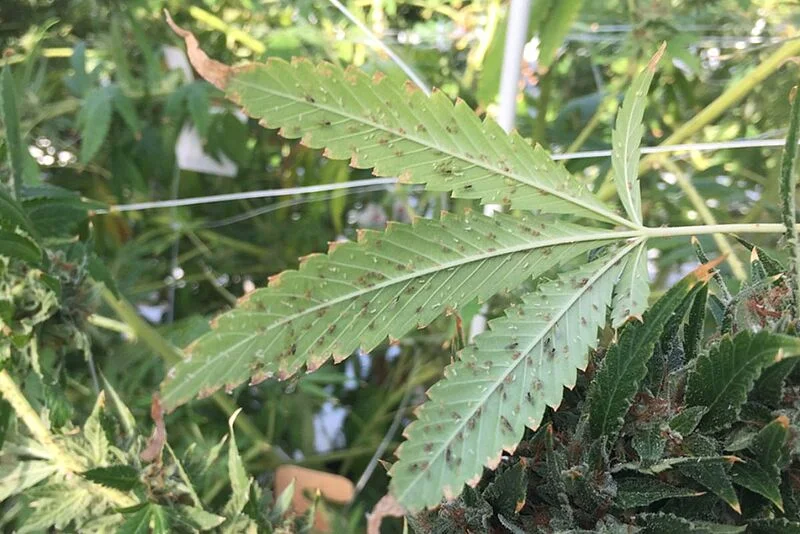
Aphids
Top Tools & Tactics
- Beneficial Insects (Ladybugs, Lacewings, Aphidius wasps)
These are classic aphid predators and parasites. They’re often effective when released early and maintained.Use: Release by the thousands per square foot scale; provide some refuges or pollen sources to help them stay. - Neem / Azadirachtin Products
Neem’s antifeedant and growth regulatory effects are effective against many aphid species. In trials, a neem-based extract (NEEM-01) caused aphid populations to drastically reduce after two treatments. ResearchGate
Use similarly to spider mite application (1–2% solution, every 5–7 days). - Companion Planting & Trap Crops
Plants like basil, marigold, and nasturtium can act as natural deterrents or attract aphids away from your main plants.
Interestingly, some studies suggest basil interplanting can influence neighboring plants’ metabolite production—possibly offering broader defense effects. ResearchGate
Use marigolds on perimeters; keep in mind marigolds sometimes attract spider mites in closed systems, so use with caution indoors. - Insecticidal Soaps & Mild Oils
At 1–3% concentrations, soaps are effective contact killers. Apply thoroughly when populations are low; repeat often.
Always spray underside of leaves.
Thrips
- Predatory Mites (e.g. Neoseiulus cucumeris, Amblyseius swirskii)
These mites target thrips eggs and larvae. Useful as preventive agents in the canopy.
Note: A. swirskii is commonly used in greenhouse settings for thrips control. Wikipedia - Soil-based Predators / Nematodes
Since many thrips pupate in soil/media, applying Steinernema feltiae (a beneficial nematode) to the root zone can break part of the lifecycle.
This internal + external control is essential for full suppression. - Spinosad (vegetative stage only)
When timed correctly, spinosad (organic-approved) can knock down larvae. Use only in veg stage or early flower (if permitted), and avoid during prime terpene development. - Sticky Traps + Monitoring
Use blue sticky traps at canopy level for early detection and pressure suppression.
Whiteflies
- Parasitic Wasps (e.g. Encarsia formosa, Eretmocerus spp.)
These wasps lay eggs inside whitefly nymphs, decimating populations. Especially useful in controlled environments. - Predatory Mites (e.g. Amblyseius swirskii)
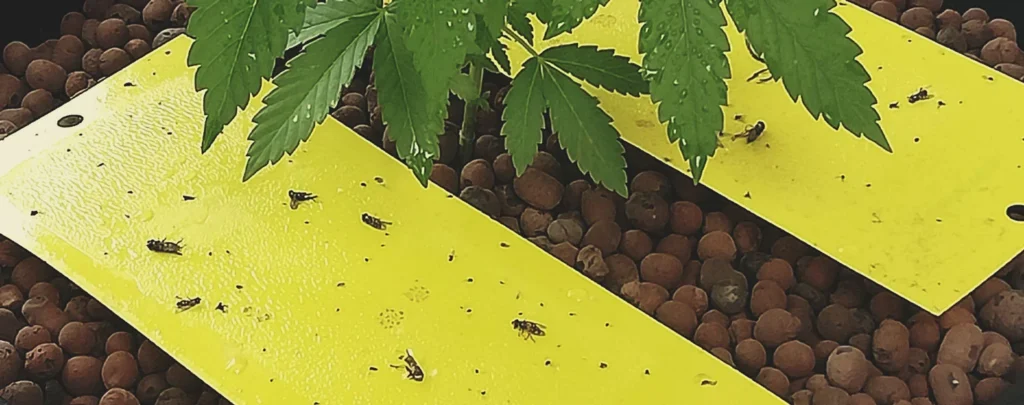
Serve as backup by consuming eggs or early instars. - Yellow Sticky Traps + Neem
Sticky traps catch adults while neem or oil touches immature stages. Use neem only cautiously in flowering. - Insecticidal Soaps / Oils
As always, good for contact kills but must be well-targeted and repeated.
Fungus Gnats
- Beneficial Nematodes & Predatory Soil Mites (e.g. Hypoaspis / Stratiolaelaps)
These soil predators attack gnat larvae. Very effective, especially in recirculating or potted systems. - Bacillus thuringiensis israelensis (BTI)
BTI (in dunk or granular form) releases bacteria that kill larvae in the root zone. Safe for plants at all stages. - Diatomaceous Earth (Food Grade)
Lightly dust soil surface. It abrades larvae, but be careful not to overuse or injure roots. Reapply after watering. - Cultural Controls
Let the topsoil dry, reduce overwatering, and use sticky yellow traps. Preventive practices are key.
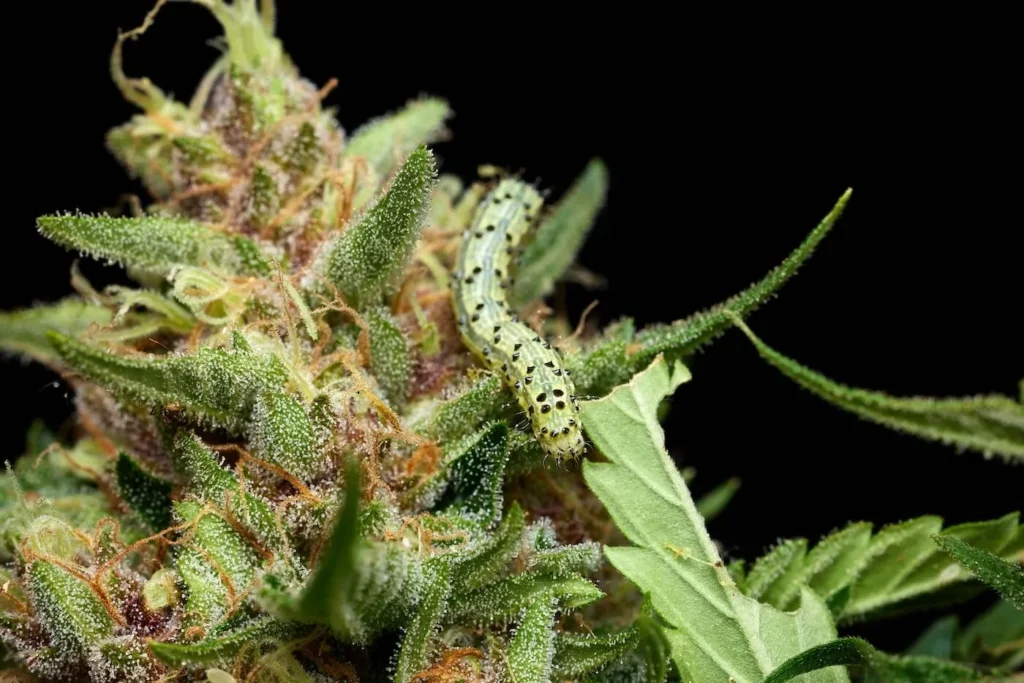
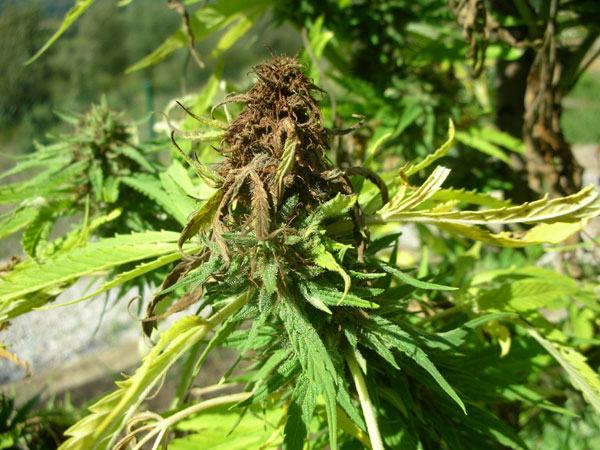
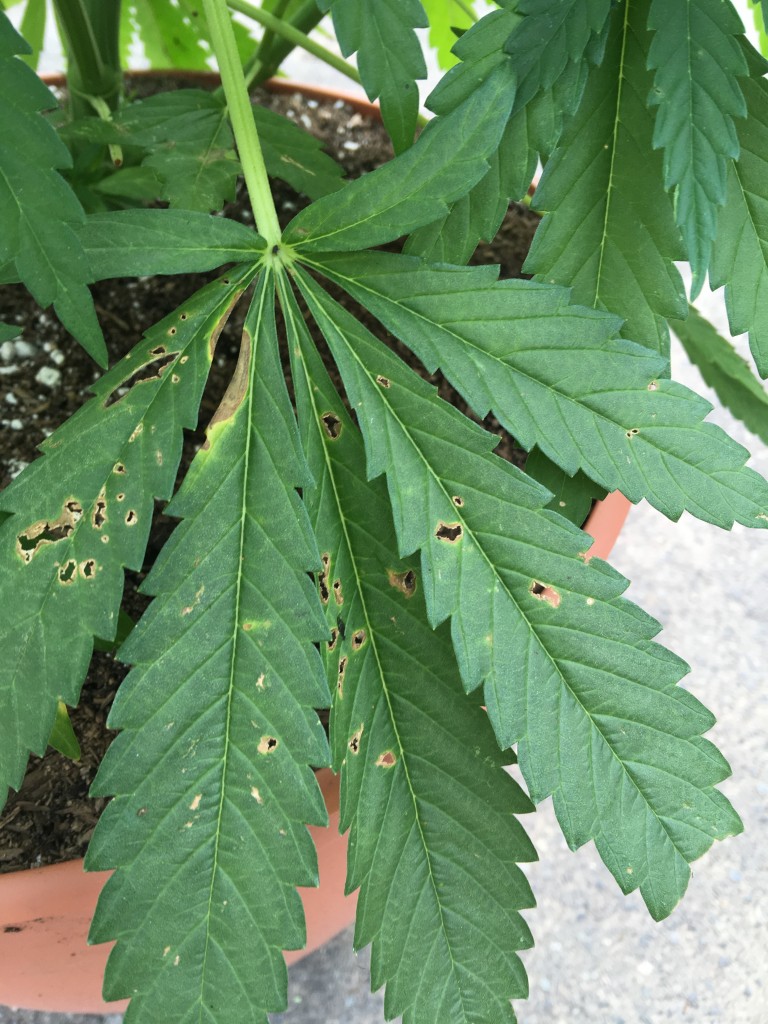
Caterpillars & Leaf-Eating Larvae
- Bacillus thuringiensis kurstaki (BTK / BT)
This is the go-to organic solution. When consumed, it halts feeding and kills caterpillars. Safe, effective, and compatible with beneficials. - Spinosad (cautiously, pre-flowering)
Good knockdown effect, but you must watch for residue concerns and avoid use in bud-forming stages. - Hand-Picking & Scouting
Especially outdoors, manual removal is a reliable (though labor-intensive) tool. - Barrier / Row Covers / Netting
Especially effective in outdoors to physically block egg-laying adults.
Integrated Strategy: Building a Balanced IPM System
No single method works all the time. You want to combine them into an Integrated Pest Management (IPM) system. Here’s how:
- Preventive Hygiene & Setup
- Sanitize tools, pots, and grow areas between cycles
- Quarantine new plants or clones
- Use sterile or well-mixed soil
- Optimize airflow, humidity, and spacing (crowded plants promote pests)
- Early Monitoring
- Inspect leaf undersides every few days
- Use sticky traps (yellow, blue) for early capture
- Keep pest logs (locations, counts, timings)
- Biological Agents First
Introduce predators, parasitic insects, or beneficial nematodes before pests boom. Establish populations.
Adjust releases based on scouting data. - Threshold-Based Intervention
Only when pest numbers exceed your tolerance, bring in botanical sprays (neem, oils, soaps) or BT/BIO treatments. - Rotate Modes of Action
Switch between predators, neem, oils, etc. to reduce resistance development. Research shows combining entomopathogenic fungi with neem (1:1 ratio) can provide higher effectiveness than either individually. agbioforum.org - Avoid Late-Stage Foliar Sprays
By mid-to-late flowering, stick primarily with biologicals (predators, BTK) to avoid compromising terpenes or residue issues. - Feedback & Adjustment
Keep records: what worked, what didn’t. Adjust strategies each cycle.
Safety, Plant Health & Terpene Considerations
- Always test on a leaf first—even natural sprays can cause burn or stress.
- Spray during low light or evening, avoid midday sun to reduce risk of leaf damage.
- Avoid direct spray on developing buds in late flower to protect aroma and resin.
- Compatibility: Many botanical sprays (especially strong essential oils) can impact beneficial insects or beneficial fungi; use strategically.
- Beneficials & BTK: These tend to have minimal negative impact on plant health when used properly.
- Residue & testing compliance: Always follow product instructions and any local regulations.
Quick Reference Cheat Sheet
| Pest | Best Control Strategy | Safe in Flower | Fast Knockdown |
|---|---|---|---|
| Spider Mites | Predatory mites + neem / oil rotation | Predators only during late | Neem (veg) |
| Aphids | Ladybugs, lacewings, neem | Beneficials only | Soap, neem |
| Thrips | Predatory mites + nematodes | Predators only | Spinosad (veg) |
| Whiteflies | Parasitic wasps + sticky + neem | Parasitics only | Neem / soap |
| Fungus Gnats | Nematodes + soil predators + BTI | Yes | BTI |
| Caterpillars | BTK + hand removal | Yes | BTK |
Final Thoughts & Best Practices
- Start early and keep up prevention and monitoring.
- Aim to cultivate an ecosystem, not wage chemical warfare.
- Rotate control methods so pests don’t adapt.
- Be gentle in late flower — rely on biology, not sprays.
- Track what works in your environment—humid vs. dry, indoor vs. outdoor, strain sensitivity, etc.
- Stay updated—cannabis-specific pest research is growing fast; the more you know, the better you adapt.
You don’t need zero pests (that’s unrealistic)—you want to keep them below damage threshold so your plants stay healthy, productive, and potent. A garden where beneficials roam freely, sprays are backup tools, and your plants get to express their full aroma potential—that’s the goal.