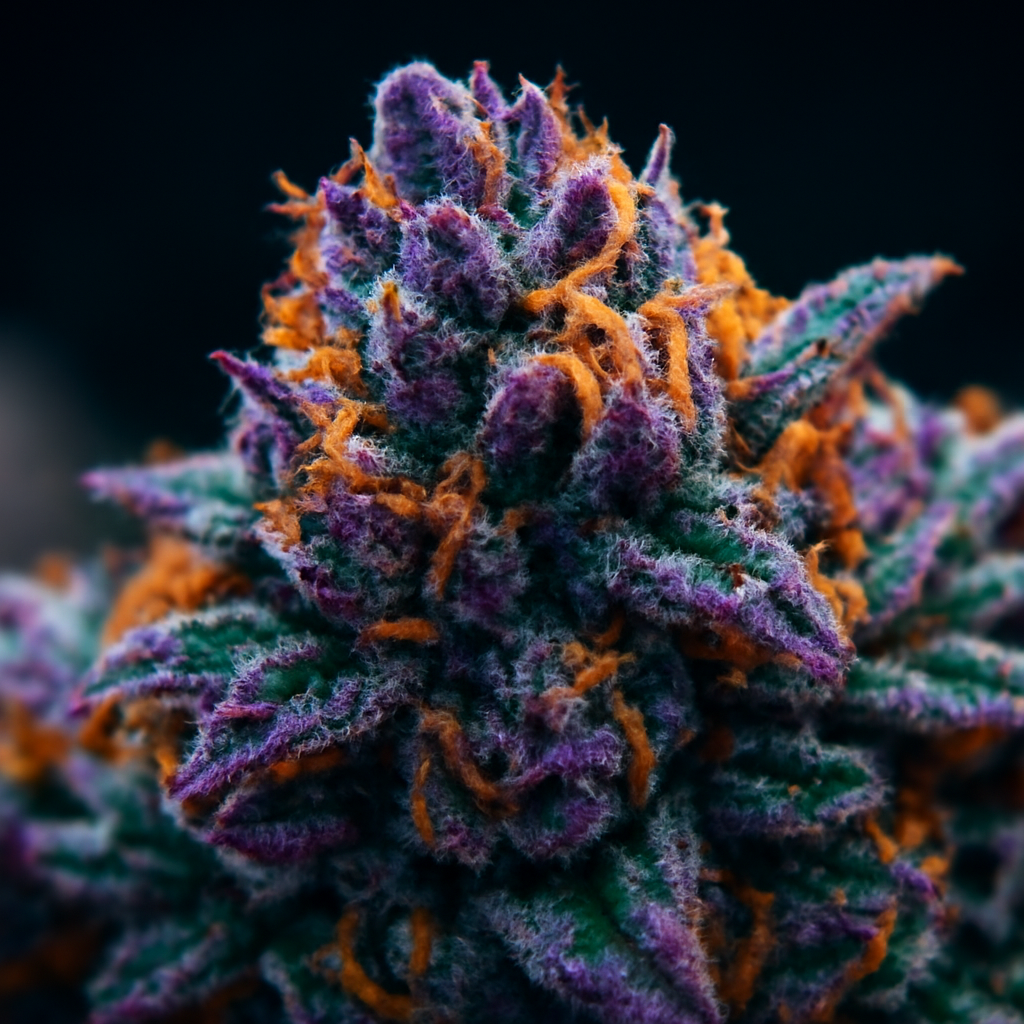
What Is Lavender Kush?
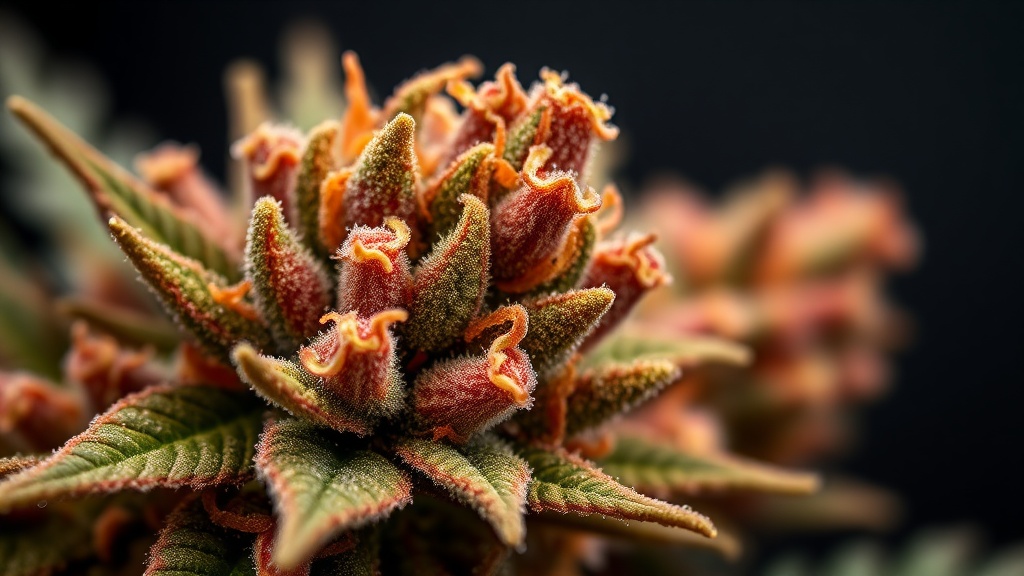
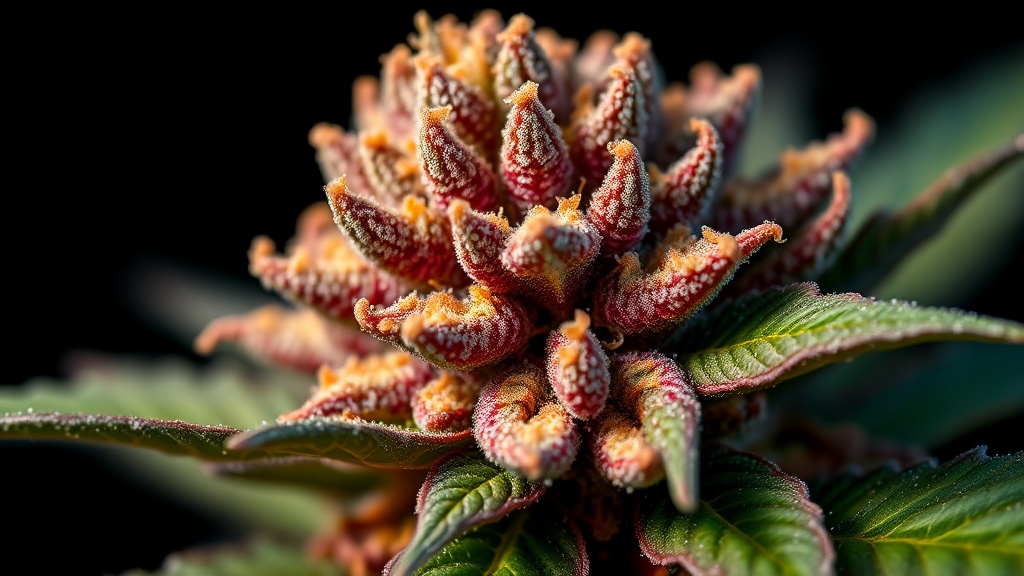
Lavender Kush is an indica-dominant hybrid that punches well above its weight on aroma. The strain carries a dense, resinous bud structure typical of Kush genetics, layered with a floral lavender and earthy musk that becomes more pronounced through a proper cure. It's a moderately challenging grow — not a beginner trap, but nothing a grower with one or two runs under their belt can't handle. The reward for doing it right is a potent, aromatic harvest that reflects exactly how much care went into the environment.
This guide walks through the full cultivation cycle: environment setup, nutrient timing, training, harvest windows, drying, and curing — all with specific numbers you can act on today. If you want to track your Lavender Kush run alongside this guide, the Grow Schedule Planner will map your entire cycle from seed to jar. You can also browse other growers' Lavender Kush journals on the platform to see how real runs have played out.
Setting Up Your Environment for Lavender Kush
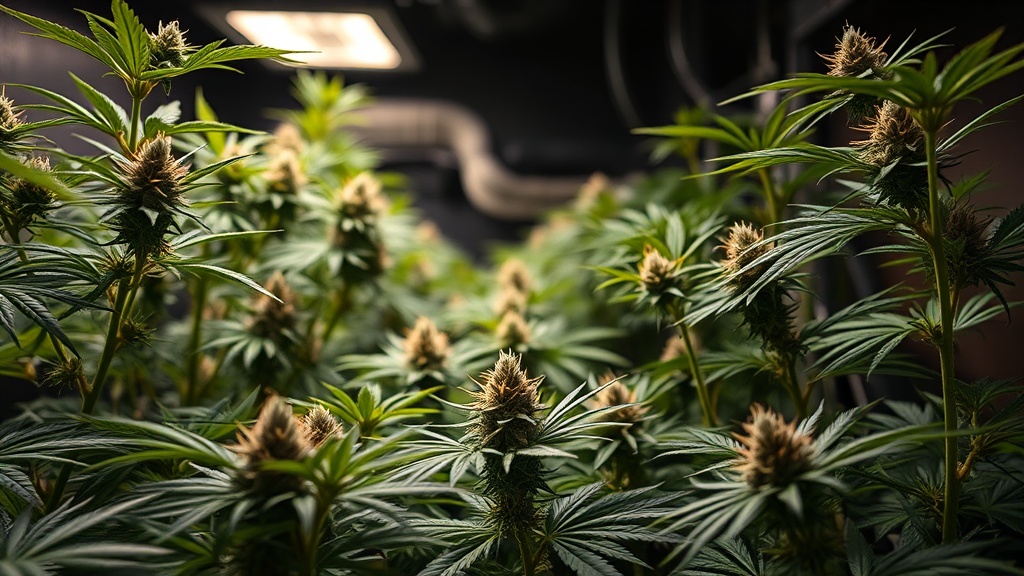
Lavender Kush is sensitive to temperature swings. Keep daytime temps between 68°F and 78°F (20–26°C) throughout veg and early flower. During the final two weeks of flowering, drop temps by 5–10°F at lights-out to stress the plant mildly — this encourages purple pigment expression in susceptible phenotypes and tightens terpene production.
Humidity is where growers lose this strain. Early flowering: 45–50% RH. Final two weeks: pull it down to 40–45%. Anything above 55% in late flower with dense Kush buds is an invitation for botrytis. Run a dehumidifier if your room climbs past that range, and keep airflow indirect — oscillating fans pointed at walls or above canopy, not directly at buds.
For VPD, target 0.8–1.0 kPa in early veg, stepping up to 1.2–1.6 kPa through peak flowering. This keeps transpiration active and nutrient uptake efficient without pushing the plant into stress.
Choosing the Right Growing Medium for Lavender Kush
Lavender Kush performs best in organic living soil. The microbial activity in a well-prepared soil medium amplifies the terpene output — particularly the linalool and myrcene compounds responsible for that floral signature. Across Grow Guide's tracked grows, 63.3% of all journals use soil as their primary medium, and for an aroma-forward strain like this, that preference makes sense.
Build your soil base with compost, perlite (25–30% by volume for drainage), worm castings, and bat guano. Top-dress with additional worm castings at week 3 of flower. If you're brewing compost teas, apply them every 7–10 days through the vegetative stage. For an organic nutrient approach, see our guide to best organic nutrients for cannabis.
Coco coir is a viable alternative if you want more direct control over nutrient delivery, but expect to work harder to replicate that terpene complexity. If you run coco, maintain pH at 5.8–6.0 and EC at 1.4–2.0 mS/cm in flower.
Soil growers: target pH 6.2–6.8 at the root zone throughout the grow.
Lighting: PPFD Targets and Spectrum
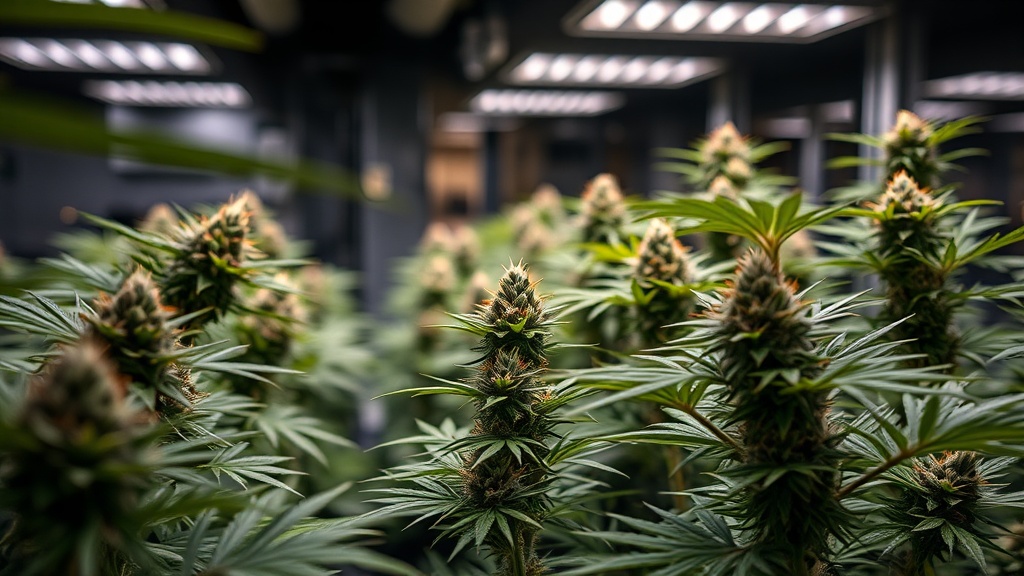
Modern LED fixtures with full-spectrum output are the right call for Lavender Kush. The strain responds well to dialed light intensity — too low and you get airy, sparse buds; too high without adequate CO₂ and you'll see light bleaching on tops.
- Vegetative stage: 600–900 µmol/m²/s PPFD, 18 hours light / 6 hours dark
- Flowering stage: 900–1,200 µmol/m²/s PPFD, 12 hours light / 12 hours dark
- Final 2 weeks: You can back off to 800–900 µmol/m²/s and drop temps to encourage terpene preservation
Use the Grow Light Calculator to figure out how many fixtures you need for your canopy footprint and to confirm you're hitting those PPFD ranges without hotspots.
Training Lavender Kush for Yield
Left unmanaged, Lavender Kush grows with a classic Kush structure: a dominant central cola and shorter lateral branches. That's fine for a single-plant setup, but if you're running multiple plants or want to maximize canopy efficiency, training makes a real difference.
Topping: Top at node 4–5 during early veg (around day 21–28 from seed). This splits the apical growth into two main colas and redirects energy to lateral branches. For a deep comparison of topping versus FIMing on similar genetics, check out our fimming vs topping guide.
Low-stress training (LST): After topping, begin LST by gently bending and tying branches outward to create a flat, even canopy. Continue adjusting tie-downs every 2–3 days until the flip to 12/12. A flat canopy means every bud site gets similar light exposure, which translates directly to more even, denser buds across the plant.
Defoliation: At day 21 of flower, remove large fan leaves blocking bud sites. A second, lighter defoliation at day 42 opens airflow to lower buds and reduces mold risk on dense Kush colas.
Use the Yield Calculator to estimate expected output based on your canopy size and lighting setup before you commit to a training approach.
Nutrient Schedule for Lavender Kush
Vegetative stage (weeks 1–5): Lead with nitrogen. In organic soil this might mean top-dressing with worm castings and applying a balanced liquid feed at half-strength. In coco or with bottled nutrients, target EC 1.2–1.6 mS/cm. Watch for dark green, slightly clawing leaves — that's nitrogen toxicity, back off immediately.
Transition to flower (week 6, first week of 12/12): Begin backing off nitrogen and introducing higher phosphorus and potassium. Most bottled bloom formulas handle this shift, but in organic soil you can top-dress with high-phosphorus bat guano at this point. For seedling and early growth nutrition advice, see our cannabis seedling nutrient guide.
Weeks 7–10 (peak and late flower): EC can push to 2.0–2.2 mS/cm if the plant is feeding hard and showing no signs of tip burn. Watch leaf edges — Lavender Kush can be sensitive to potassium excess, which shows as brown leaf tips progressing inward. If something looks off, run it through the Nutrient Deficiency Identifier before adjusting feeds.
Flush (7–10 days before harvest): Switch to plain, pH-adjusted water. This clears residual salts from the root zone and results in a noticeably smoother, cleaner-tasting final product. In living soil, a full flush is less critical but still beneficial as a final rinse.
Troubleshooting Common Lavender Kush Problems
Foxtailing in Late Flower
Foxtails — elongated, spiky bud growth that ruins density — are usually a heat or light stress response. If you're seeing foxtails on Lavender Kush tops, check that canopy temps aren't climbing above 82°F and that your lights aren't sitting too close. Raise fixtures by 4–6 inches, add an exhaust fan, and the issue will stabilize within 5–7 days. Foxtails that develop in the final week before harvest are more likely genetic and less of a concern for quality.
Bud Rot on Dense Colas
This is the primary risk with Kush-dominant genetics. Dense bud structure traps moisture. If you find soft, grayish inner bud tissue when you pull apart a cola, that's botrytis. Remove the affected material immediately with sterilized scissors, dispose of it outside the grow space, and drop your RH by 5% within 24 hours. Preventive measures: drop RH to 40% by week 7, defoliate strategically, and never let condensation sit on leaves overnight.
Purple Stems Without Purple Buds
Purple stems in early flower are often a phosphorus uptake issue rather than a sign of the strain's color genetics. Check your root zone pH first — if it's below 6.0 in soil, phosphorus becomes unavailable regardless of how much you're feeding. Correct pH, wait 4–5 days, and the stems should green up. Genuine purple bud expression in Lavender Kush requires cool night temperatures (below 65°F) sustained over the last 2–3 weeks of flower.
Harvesting Lavender Kush
Lavender Kush finishes in 8–10 weeks of flowering. Don't harvest by the calendar — harvest by trichomes. Use a 60x–100x jeweler's loupe or a digital microscope to inspect trichome heads on the sugar leaves and bud surface.
- All clear trichomes: Too early. THC is still building — wait.
- 70–80% cloudy / milky, 15–25% amber: Peak harvest window. Maximum potency with a balanced, calming effect profile typical of this strain.
- 50%+ amber: THC is degrading to CBN. More sedating, less complex. Some growers prefer this for nighttime use, but the terpene profile will be diminished.
Pistil color is a rough secondary check: when 70–80% of pistils have turned orange-red and begun curling in, you're likely in the right window. Always confirm with trichomes.
Drying and Curing Lavender Kush
This is where most of the strain's signature aroma is won or lost. Rush this stage and you'll be smoking mediocre cannabis regardless of how well the grow went.
Drying (10–14 Days)
Hang whole branches upside down in a dark room at 60–65°F (15–18°C) and 55–65% RH with gentle, indirect airflow. This slow dry preserves terpene content — the floral linalool compounds in Lavender Kush are volatile and evaporate quickly in warm or high-airflow conditions. The stems should snap cleanly, not bend, when the buds are ready to jar. That's your cue to move to cure.
Curing (Minimum 2 Weeks, Ideal 4+ Weeks)
Trim and place buds in wide-mouth glass mason jars filled to 75% capacity. Store in complete darkness at 60–65°F. For the first week, burp jars for 10–15 minutes twice daily to release moisture and exchange CO₂ for fresh air. After week one, burp once daily. A small hygrometer in each jar is not optional — you're targeting 58–62% RH inside the jar. Drop below 55% and terpenes start degrading. Go above 65% and mold becomes a risk.
A 2-week cure is the minimum for acceptable quality. At 4 weeks, Lavender Kush's full floral terpene expression comes through. If you can push to 6 weeks, the smoothness and complexity increase again. Use the Dry & Cure Timer to schedule your jar burping and track target dates automatically.
Tracking Your Lavender Kush Grow
Keeping a detailed journal for a strain like Lavender Kush pays dividends — particularly because phenotype variation means your environment notes from run one will directly improve run two. Log daily temps, RH, VPD, watering volume, EC, and any training events. Our guide on how to keep a cannabis grow diary covers the format and what data actually matters.
Once you have a per-gram cost after harvest, run your numbers through the Cost Per Gram Calculator to see how Lavender Kush stacks up against other strains in your rotation. High-terpene, specialty strains often justify their extra attention when you see the cost-per-gram output from a dialed grow.
For a deeper look at how the strain's terpenes map to effects and what's actually driving that lavender aroma, the Terpene Explorer breaks down linalool, myrcene, and caryophyllene profiles in detail.
Frequently Asked Questions
How long does Lavender Kush take to flower?
Lavender Kush flowers in 8–10 weeks under a 12/12 light cycle. Most phenotypes are ready at the 9-week mark. Always confirm harvest timing by inspecting trichomes with a 60x–100x loupe rather than relying solely on the breeder's stated flowering time.
Why aren't my Lavender Kush buds turning purple?
Purple pigmentation in Lavender Kush requires sustained cool night temperatures — ideally below 65°F — for the final 2–3 weeks of flowering. If your night temps are staying above 70°F, the anthocyanin pigments won't express regardless of genetics. Drop your lights-out temperature and you should see the color develop within 7–10 days.
What's the best growing medium for Lavender Kush's terpene profile?
Organic living soil is the strongest choice for maximizing Lavender Kush's floral aroma. The microbial ecosystem in a well-prepared soil mix enhances linalool and myrcene expression in ways that synthetic or coco-based grows struggle to replicate. Amend with worm castings, compost, and bat guano for best results.
How do I prevent bud rot on Lavender Kush's dense colas?
Keep late-flower RH at 40–45%, defoliate at day 21 and day 42 of flower to improve airflow through the canopy, and ensure no standing moisture on leaves overnight. If you spot soft gray tissue inside a cola, remove it immediately with sterilized tools and drop your RH response within 24 hours.
How long should I cure Lavender Kush?
A minimum of 2 weeks in sealed glass jars with daily burping. Four weeks is where the full floral terpene profile comes through clearly. If you have the patience, a 6-week cure produces noticeably smoother, more complex smoke. Target 58–62% RH inside the jars throughout the process.
References
- Leafly Editorial Team (2023). "How to Grow Lavender Cannabis." Covers organic soil recommendations, training techniques, and terpene considerations for floral cannabis strains. leafly.com
- DSS Genetics Grow Guides (2026). "Lavender Kush Cultivation Guide." Detailed environmental targets including temperature, humidity, flush timing, trichome harvest windows, and post-harvest drying and curing protocols specific to Lavender Kush. dssgenetics.com
- McPartland, J.M. & Russo, E.B. (2001). "Cannabis and Cannabis Extracts: Greater Than the Sum of Their Parts?" Journal of Cannabis Therapeutics, 1(3–4), 103–132. Foundational research on how terpenes like linalool and myrcene interact with cannabinoids, informing why terpene-preserving cultivation and curing techniques matter for strain expression.
- Caplan, D., Dixon, M., & Zheng, Y. (2017). "Increasing Inflorescence Dry Weight and Cannabinoid Content in Medical Cannabis Using Controlled Drought Stress." HortScience, 52(11), 1510–1517. Demonstrates how environmental stress management during late flowering directly affects yield and secondary metabolite concentration in cannabis. doi.org/10.21273/HORTSCI12363-17
- Grow Guide Platform Data (2026). Internal analysis of 1,000 tracked grow journals across the Grow Guide platform, showing medium distribution (63.3% soil, 14.9% coco coir) and feeding method preferences among active cannabis cultivators.