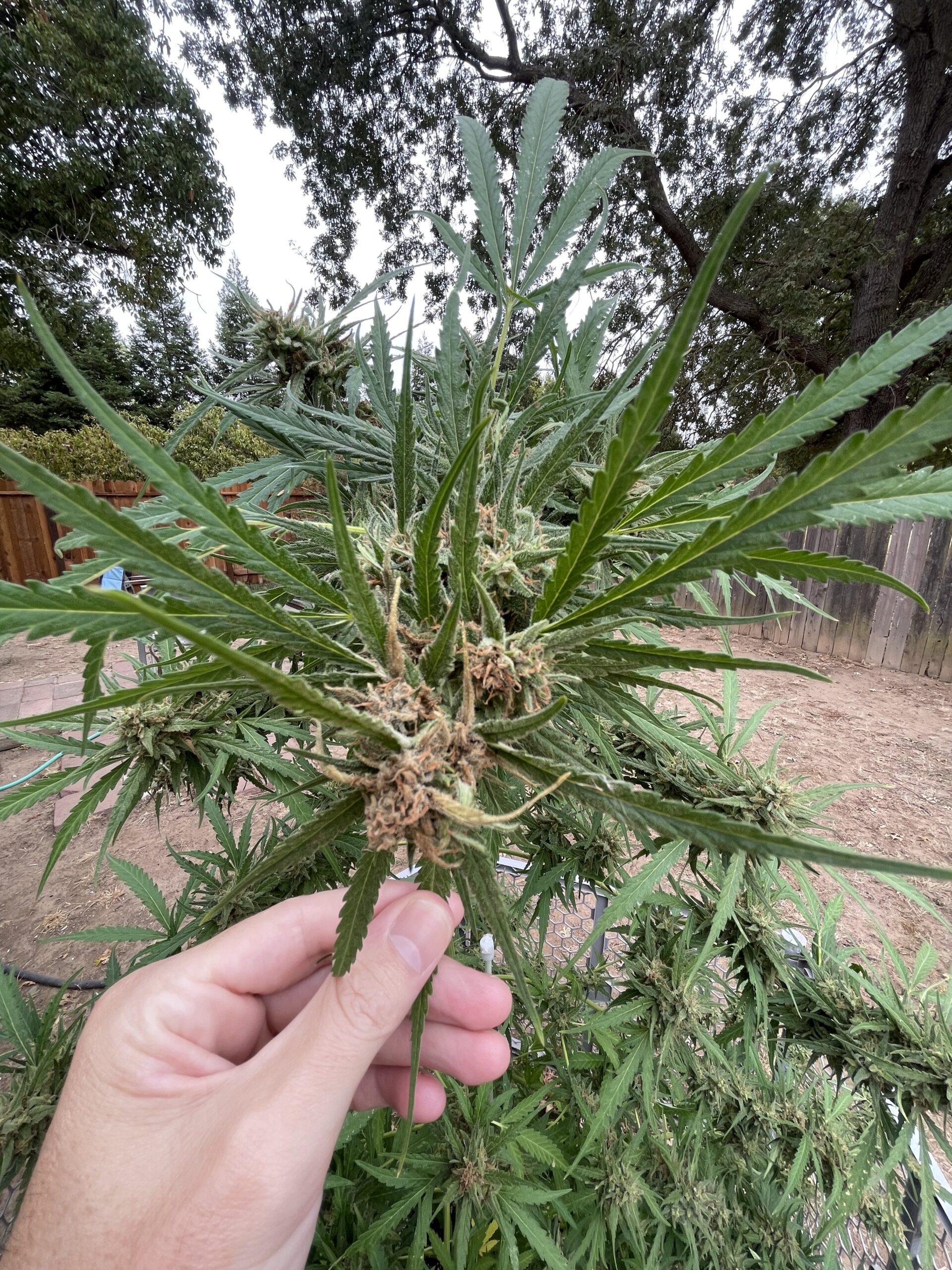
The Final Countdown: What Cannabis Growers Must Watch For During the Last Weeks of Outdoor Harvest
There's this moment every outdoor grower knows—when you're checking your plants and realize you're maybe two weeks out from harvest. Everything looks perfect. The buds are swelling, trichomes are starting to cloud up, and you can almost taste victory.
And that's exactly when things tend to go wrong.
I wish someone had told me this before my second grow, when I lost about 40% of my crop to bud rot in the final ten days. Turns out those last couple weeks? They're brutal. Your plants are basically sitting there, fat and happy, covered in sticky resin—which makes them irresistible to every pest, mold spore, and weather pattern in a fifty-mile radius.
The thing about outdoor cannabis growing is that you can do everything right for three or four months, and still watch it all unravel in the final stretch if you're not careful. So let's talk about what actually threatens your harvest when you're this close to the finish line, and more importantly, what you can do about it.
Understanding how to Harvest Cannabis Outdoor can make all the difference in ensuring a successful yield.
Tips to Successfully Harvest Cannabis Outdoor
Mold & Bud Rot: The Thing That'll Keep You Up At Night
Okay, real talk—bud rot is absolutely the worst. It's devastating in a way that's hard to explain until you've dealt with it. You spend months nurturing these beautiful plants, and then boom: you find this gray, fuzzy nightmare growing inside your best cola.
What makes botrytis (the fancy name for bud rot) so nasty is how it operates. It doesn't start on the outside where you can see it. It gets into the densest part of your bud—usually where moisture gets trapped—and starts rotting from the inside out. By the time you see brown, mushy spots on the surface, half that bud might already be toast.
And here's the kicker: it spreads. Fast. Like, "infect your whole plant in three days" fast when conditions are right.
What You're Actually Looking For
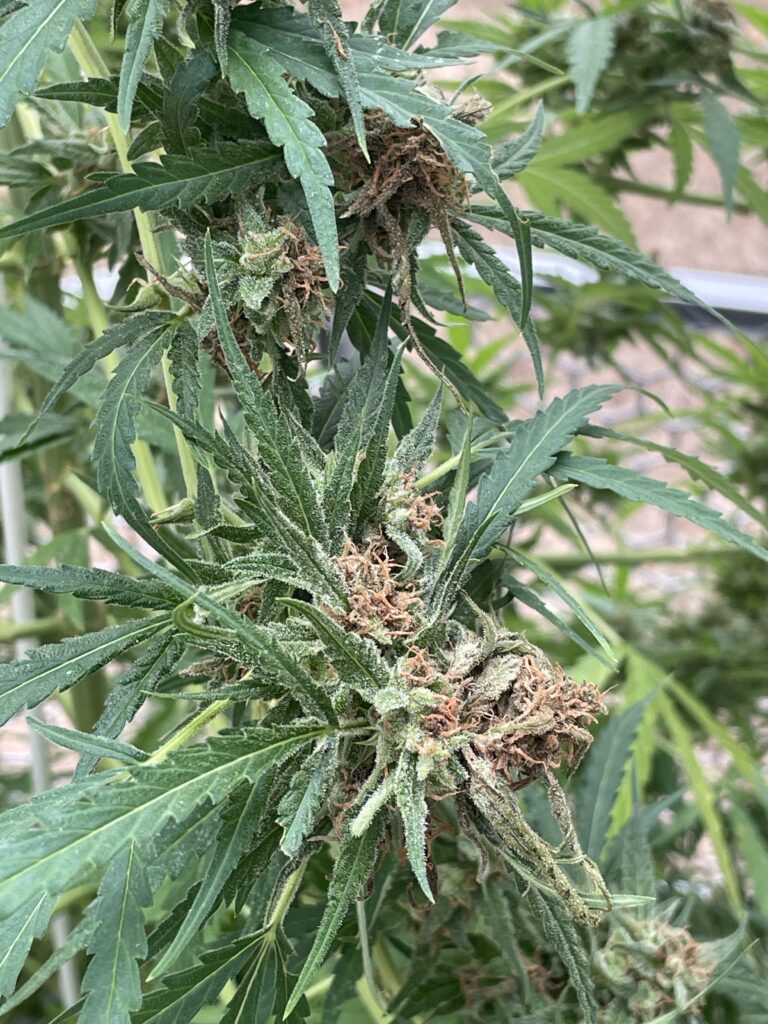
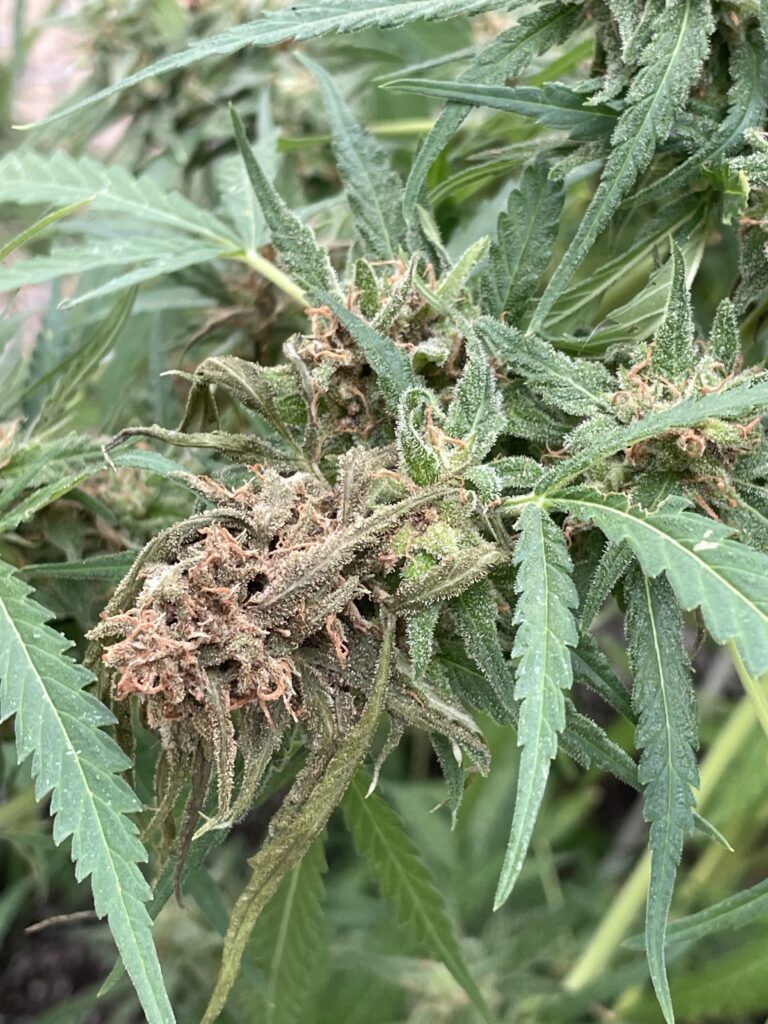
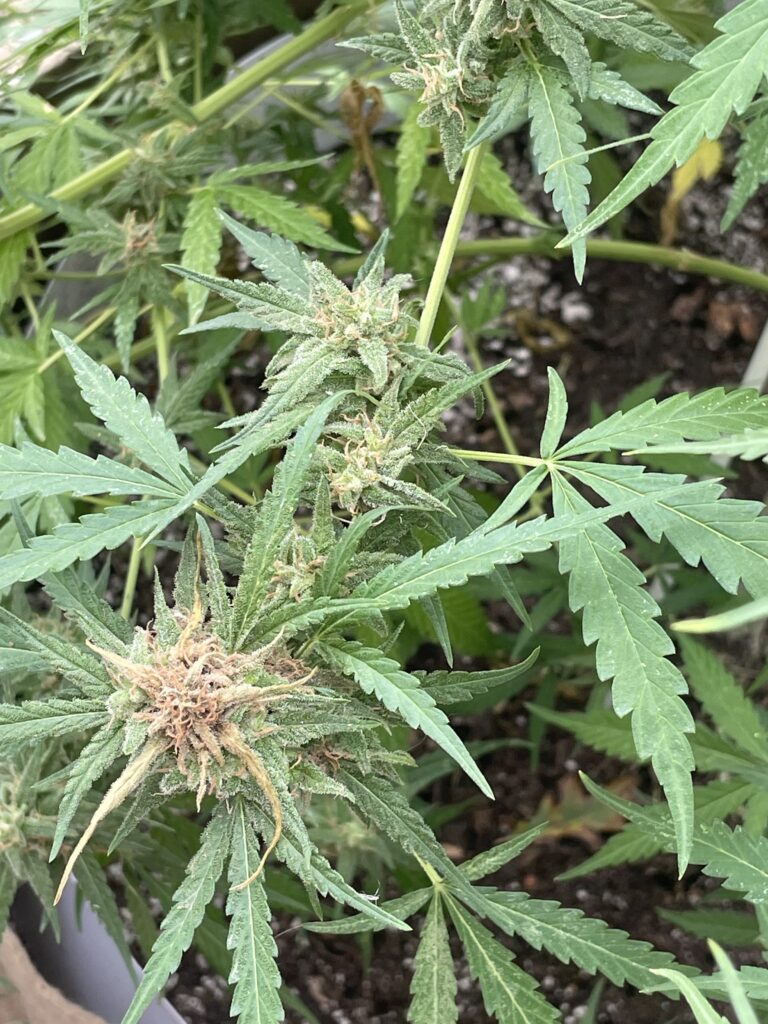
During these final weeks, you need to become borderline obsessive about checking your plants. I'm talking daily inspections, getting up close and personal with every cola. Look for:
- Buds that look "off"—maybe a weird gray or brown color compared to the healthy green around them
- Anything that feels mushy when you gently squeeze it (and I mean gently)
- White powder on leaves or that fuzzy cotton-candy looking stuff growing anywhere
- Stems near buds that look darker or wet
- Fan leaves right next to bud sites that suddenly wilt or yellow
Pro tip from a grower I know: smell your buds during inspections. Healthy cannabis smells amazing—dank, skunky, pungent. Bud rot has this musty, almost moldy basement smell that's immediately noticeable once you know what you're sniffing for.
How To Actually Prevent Bud Rot
Prevention is everything here. If you started with solid genetics and did some basic plant training earlier in the season, you're already ahead of the game. Now you need to focus on:
Airflow is your best friend. Strip away those big fan leaves that are blocking air movement through your canopy. I know it feels wrong to defoliate this late, but trapped air is how bud rot wins. Your buds need to breathe.
Shake your plants every morning. Sounds weird, I know. But morning dew sitting on dense buds is an invitation for mold. Just give them a gentle shake to knock the moisture off.
Get aggressive about humidity management. If you're consistently seeing humidity above 50-60% during these final weeks, you're in the danger zone. Consider removing more leaves, spacing plants out if possible, or even setting up fans if you're growing in a semi-protected area.
Dense indica strains like Northern Lights are particularly vulnerable because their tight bud structure traps moisture like crazy. If you're running something chunky and compact, you need to be extra vigilant.
When You Find It (And You Might)
Don't panic. Okay, maybe panic a little—it's natural. But then:
- Cut off the infected bud immediately, going at least 2-3 inches below any visible rot
- Put it straight into a plastic bag and get it away from your grow area. Don't compost it, don't leave it sitting around
- Clean your scissors with rubbing alcohol between every single cut
- Check every neighboring plant and bud site obsessively for the next few days
- If it keeps spreading despite your efforts, seriously consider harvesting early. A slightly premature harvest is infinitely better than watching your whole crop rot
Cannabis Pests: Uninvited Guests at the Worst Possible Time
Just when you think you're home free, the bugs show up. It's almost like they know exactly when your buds are at peak ripeness. Caterpillars, aphids, spider mites—they all seem to appear out of nowhere right at the end.
Caterpillars Are The Actual Worst
These things don't just eat your leaves like earlier in the season. Now they're boring directly into your buds and eating them from the inside. I've opened up colas that looked perfect on the outside only to find them completely hollow.
Warning signs include:
- Tiny holes in buds (these jerks literally bore through)
- Small dark pellets on or around flowers—yeah, that's caterpillar poop
- Webbing inside colas if you pull them apart
- Random chunks missing from leaves near buds
Your best bet is manual removal during daily inspections. Just pick them off (I use gloves because it's gross). You can also use BT spray (Bacillus thuringiensis), which is organic and safe to use right up until harvest. Spray it in the evening when caterpillars are most active.
The Tiny Vampires (Aphids & Mites)
Aphids and spider mites are sneaky because they're so small. But they multiply insanely fast, and they're sucking the life out of your plants right when you need those final growth spurts.
Check the undersides of leaves for:
- Sticky residue all over everything (aphids secrete this sugary stuff called honeydew)
- Curling or yellowing leaves
- Tiny moving dots—might need your reading glasses for this one
- Fine webbing between branches (spider mites love to redecorate)
This close to harvest, you don't want harsh chemicals anywhere near your buds. Insecticidal soap works, or very diluted neem oil—but keep it off the buds themselves if you're within a week of cutting. Sometimes the smartest move is just harvesting affected branches early rather than spraying anything questionable.
Keeping Them Out in the First Place
- Daily inspections (yeah, I keep saying this—it's that important)
- Yellow sticky traps to catch flying pests before they set up shop
- Keep everything clean—dead leaves and plant debris attract pests
- If you're growing under any kind of covering, screens or netting help a lot
Weather Challenges: Mother Nature Doesn't Care About Your Timeline
You can control nutrients, watering, training—but weather? That's completely out of your hands. And it seems like the weather always goes sideways right when you're about to harvest.
Rain: When Good Water Goes Bad
A light drizzle? No big deal. But heavy rain pounding down on dense, almost-ripe buds? That's how you get mold. You're basically creating a spa day for every spore floating around.
When rain's in the forecast:
Build some kind of shelter. Even something simple—a tarp on poles, PVC frame with plastic sheeting, whatever. Just make sure water runs off and doesn't pool on top.
Don't seal them up tight. Your plants still need airflow. If you create a moisture trap trying to protect them from rain, you might create an even worse mold situation.
After the rain stops, get out there. Shake your plants to remove standing water. Use fans if you've got them. Get air moving around those buds.
Know when to cut your losses. If the forecast shows multiple days of rain and your trichomes are mostly cloudy, harvest early. Seriously. A slightly early harvest beats losing everything to mold.
I learned this the hard way during an unexpected October storm. Lost almost half my crop because I stubbornly waited for "the perfect day" to harvest. There is no perfect day. Sometimes you just gotta cut.
Humidity Is The Silent Killer
If you're in a naturally humid climate (looking at you, Southeast and Pacific Northwest growers), late flowering is nerve-wracking. Anything above 60% humidity sustained over multiple days is asking for problems.
Your options:
- Aggressive defoliation to improve airflow (yes, even this late)
- Harvest your densest colas first, leave airier buds for last
- Set up fans if you're in a greenhouse or covered area
- For next year, choose strains specifically bred for humid climates from breeders like Barney's Farm or Royal Queen Seeds
Frost Will End Your Season Instantly
A light frost might just stress your plants. A hard freeze (below 28°F/-2°C) will literally kill them. And it happens faster than you'd think—I've seen plants go from perfect to ruined overnight.
Check weather forecasts obsessively during these final weeks. If frost is predicted:
- Cover plants with frost blankets, old sheets, or even cardboard boxes
- Remove covers during the day so plants don't overheat
- If a hard freeze is coming and your trichomes are mostly ready, just harvest
Better a day or two early than frozen solid.
Trichome Ripeness & Pistil Coloration: Actually Knowing When To Cut
This is where a lot of beginners blow it. You can't judge harvest readiness by how the plant looks overall. You need to check trichomes, period.
You Need Magnification
Get a jeweler's loupe (like $10 on Amazon) or a cheap USB microscope. 30-60x magnification minimum. Trying to judge trichomes with your naked eye is basically impossible.
Look at trichomes on the buds themselves (not sugar leaves). You're checking the mushroom-shaped glands covering everything. Here's what you're seeing:
Clear/transparent trichomes: Not ready. THC production is still ramping up.
Cloudy/milky trichomes: This is the sweet spot. Peak THC levels, balanced effects. This is where most people harvest.
Amber/brown trichomes: THC is degrading into CBN. You'll get more sedative, heavy, couch-lock effects.
Most growers shoot for 70-80% cloudy with 10-20% amber. Want a more energetic high? Harvest when trichomes are mostly cloudy with minimal amber. Want heavy sedation? Let more turn amber (but not too many or you've waited too long).
According to cannabis harvest research, different cannabinoid profiles develop at different stages, so timing really does matter for the effects you want.
The Pistil Color Guide (Less Accurate But Helpful)
Those orange/brown hairs (pistils) give you a general idea:
- Mostly white and standing up = too early
- About 50% darkened = getting closer
- 70-90% dark and curling inward = probably ready (but check trichomes to confirm)
Different strains finish at different speeds. Autoflower seeds can finish in 8-10 weeks from seed. Photoperiod strains vary wildly. This is why keeping a grow journal helps so much—you'll know what to expect next time.
Security Risks: Don't Lose Your Harvest Now
You've made it this far. Don't lose your crop to something stupid in the final stretch.
Theft Happens (Even Where It's Legal)
As harvest approaches, that smell gets stronger. It carries on the wind. Even in legal states, theft is a real thing. Sometimes it's strangers, sometimes it's opportunistic neighbors or "friends" who suddenly take an interest in your garden.
What helps:
- Reduce visibility where you legally can
- Motion-activated lights for accessible grows
- Don't brag about your plants on social media until after harvest (seriously)
- Harvest promptly when ready—don't leave ripe plants sitting around
Some growers actually coordinate with neighbors to watch each other's properties during harvest season. Not a bad idea if you trust them.
Animals Don't Know (or Care) It's Not For Them
Deer will absolutely destroy your plants if given the chance. So will rabbits, groundhogs, and birds. I know someone who lost plants to raccoons—they just knocked them over and chewed through stems.
Physical barriers work best: fencing, netting, or motion-activated sprinklers. Just make sure netting doesn't rest directly on buds because that creates moisture problems.
Storm Damage Can Break Heavy Branches
Those buds are heavy now, and wind can snap branches loaded with weight. Before storms hit:
- Stake anything that looks unstable
- Move potted plants to protected areas
- Consider emergency harvest if severe weather is predicted
I've seen branches snap from wind with perfectly healthy plants. The weight of mature buds plus strong gusts equals broken limbs.
Frequently Asked Questions
How do I know if my buds are overripe?
When you see more than 50% of trichomes turned amber, you've probably waited too long for most strains. THC has been degrading into CBN, which creates that really heavy, sedative effect. Pistils will be completely dark and shriveled. If you're here, harvest immediately—you're past peak potency and it's only going downhill from here.
Can I harvest in stages?
Absolutely, and it's actually pretty common. Top colas mature faster because they get better light exposure. I usually harvest tops first, then give lower branches another 5-7 days to finish. This is especially useful if you're growing tall plants where light doesn't penetrate well to lower growth. Just keep track of what you cut when so you don't get confused.
What should I do if it rains right before I planned to harvest?
If it's light rain and you were planning to harvest tomorrow, wait 24-48 hours for things to dry naturally, then proceed. But if you've got heavy rain or multiple rainy days forecast? Inspect everything carefully for mold, shake off excess water, and honestly consider harvesting immediately if trichomes are reasonably ready. The risk of mold spreading isn't worth waiting for "perfect" ripeness. Just give plants a few hours to air dry before actually cutting—don't harvest soaking wet.
How quickly can bud rot spread?
Terrifyingly fast. Under ideal conditions for the fungus (high humidity, poor airflow, cool temps), bud rot can double in size every 24-48 hours. I've watched it take over entire plants in less than a week. This is why you absolutely cannot skip daily inspections during these final weeks. Something that looks fine today could be compromised tomorrow.
Should I flush my plants before harvest?
Most growers do a 7-14 day flush (watering with plain pH-balanced water only) before harvesting cannabis. The theory is it removes excess nutrients from plant tissue, making smoke smoother and flavor cleaner. Whether it actually works is hotly debated—some studies suggest it doesn't make much difference, others swear by it. I still do it just in case, but if you need to emergency harvest due to weather or pest pressure, skip the flush entirely. Some bud is better than no bud.
Don't Blow It Now
Look, you've spent months getting to this point. You've dealt with nutrients, training, watering, weather fluctuations, and probably a million other small crises along the way. Don't let preventable problems steal your harvest when you're this close.
Check your plants every single day. Watch weather forecasts like your livelihood depends on it (because your harvest actually does). Trust your gut—if something looks wrong, investigate immediately. It's always better to overreact than to ignore a problem until it's too late.
And remember: there's no such thing as the "perfect" harvest day. Sometimes you have to cut a little early because a storm's coming or mold is starting to appear. That's not failure—that's smart growing. Salvaging 90% of your crop by harvesting strategically is way better than losing everything while waiting for ideal conditions that never arrive.
Once you get these plants down safely, you'll want proper drying and curing techniques lined up. That's a whole other topic, but it's just as important as anything covered here.
Ready to take your growing to the next level? The Grow Guide app lets you track your grows, get personalized advice, and connect with experienced growers who've been exactly where you are now. And if you're already thinking about next season (because we all are), check out Strain Guide to explore genetics that actually match your climate and skill level.
Now get out there and bring those plants home safely. You didn't come this far to lose it in the final stretch.