What Is Cap Junky?
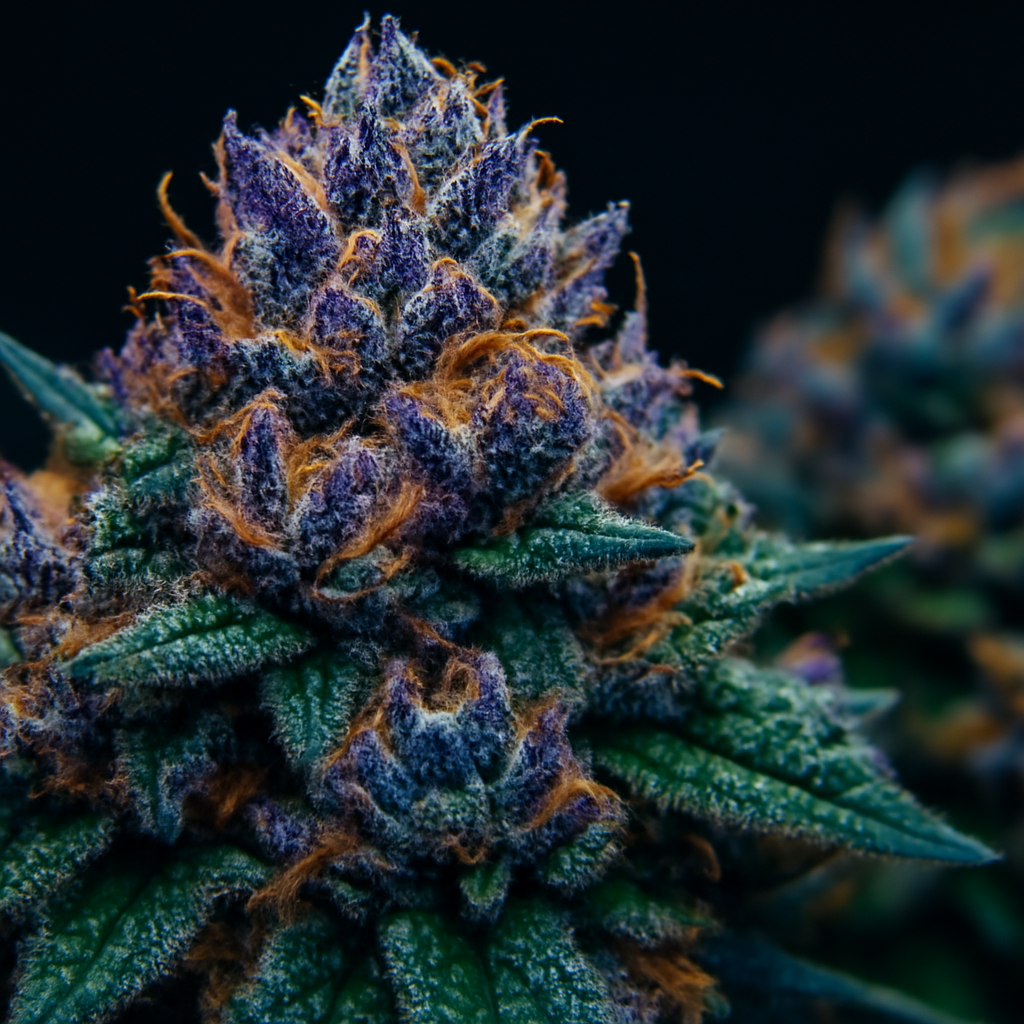
Cap Junky is the result of a collaboration between two of the most respected names in cannabis breeding: Capulator (of MAC fame) and Seed Junky Genetics. The cross — Alien Cookies × Kush Mints #11 — delivers a cultivar that punches well above its weight. Lab results regularly land between 30–35% THC, with standout phenotypes testing as high as 41%. That's not marketing copy; that's verified third-party testing that's made Cap Junky grows some of the most-discussed journals on the platform.
As a grower, what that potency ceiling means practically is that this plant has a high metabolic demand. It eats heavy, it drinks hard, and it rewards precision. Get the environment and nutrients dialed and you'll pull dense, resin-caked flowers with a complex terpene profile anchored by caryophyllene, limonene, and myrcene. Miss a feeding or let VPD drift and you'll know about it fast. Use the Terpene Explorer to dig into the terpene profile before harvest planning.
Cap Junky Growth Structure and Training
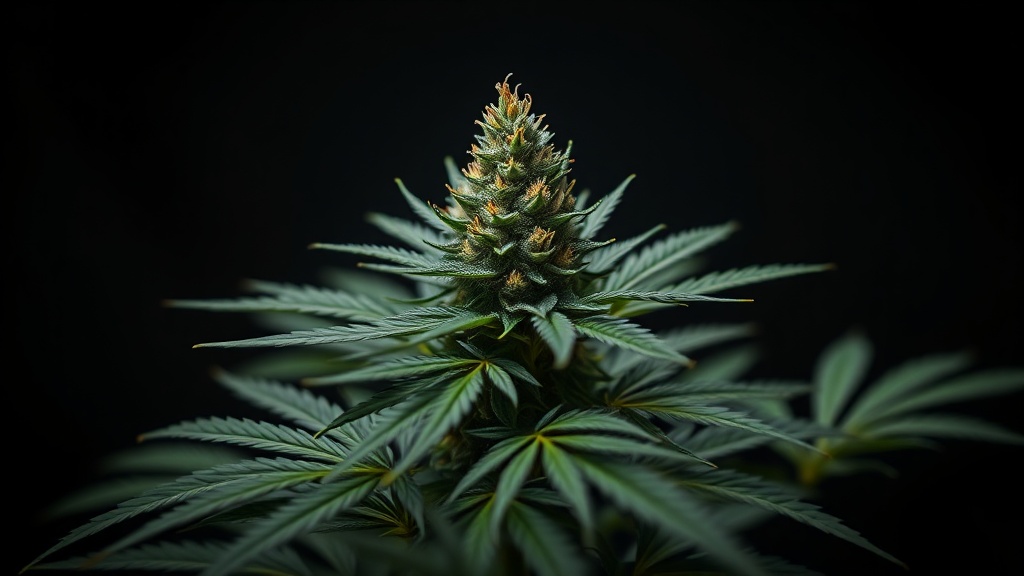
Cap Junky grows to medium height with a vigorous, bushy structure. Internodal spacing is relatively tight, which is great for canopy density but means you need to manage airflow actively. Branches are sturdy — this plant can hold heavy flowers without needing much support, but top colas will still benefit from a bamboo stake or SCROG net in the final 3 weeks of flower.
Training is where you make or break your yield. Because the plant wants to produce a dominant central cola, early intervention is essential:
- Top at node 4–5 during veg (day 14–21 from transplant) to create two main colas and redirect energy laterally. See our Fimming vs Topping guide if you're undecided on technique.
- LST through week 3–4 of veg — bend and tie branches outward to open the canopy and get lower bud sites into the light footprint.
- Defoliate selectively at day 21 of flower — remove large fan leaves blocking lower bud sites. Don't strip the plant; remove 20–30% max in a single session.
- SCROG works exceptionally well with Cap Junky given its lateral branching response. Fill the net to 70–75% before flipping to 12/12.
Cap Junky Environmental Requirements
Cap Junky is a refined cultivar — it will show you immediately when conditions drift. Nail the environment and the plant practically grows itself; let humidity climb in week 6 and you're gambling with bud rot on those dense colas.
Temperature and VPD
- Veg: 73–78°F (23–26°C), 55–60% RH. Target VPD of 0.8–1.0 kPa.
- Early flower (weeks 1–4): 72–78°F (22–26°C), 50–55% RH. VPD 1.0–1.2 kPa.
- Late flower (weeks 5–harvest): 70–76°F (21–24°C), 42–48% RH. VPD 1.2–1.5 kPa. Drop humidity aggressively — dense Cap Junky buds are a mold trap if you're sitting above 50%.
Lighting and PPFD
Cap Junky is a light-hungry cultivar. Don't under-drive your fixtures. Run your Grow Light Calculator before deciding on fixture wattage and hanging height.
- Veg: 400–600 µmol/m²/s PPFD, 18/6 photoperiod
- Early flower: 700–900 µmol/m²/s PPFD
- Peak flower (weeks 4–7): 900–1,100 µmol/m²/s PPFD. If you're running a sealed room with CO₂ supplementation at 1,000–1,200 ppm, you can push to 1,200–1,400 µmol/m²/s without light stress.
- Final 2 weeks: Dial back to 700–800 µmol/m²/s as you taper nutrients and approach flush.
Cap Junky Nutrient Schedule
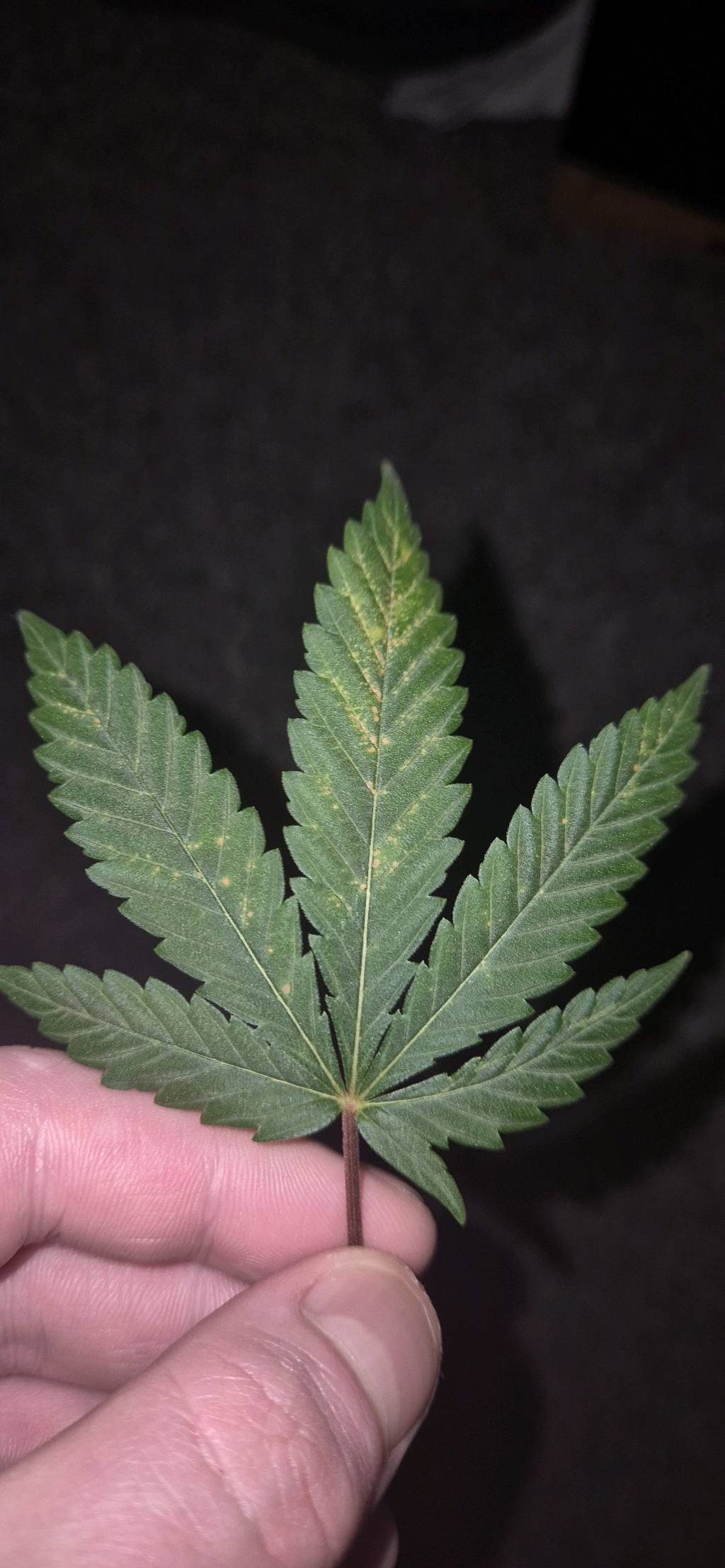
This strain is a feeder. Calcium and magnesium are your most important micronutrients — deficiencies show up as interveinal chlorosis on mid-canopy leaves around week 3–4 of flower if you're underdosing. If you see yellowing and aren't sure whether it's a cal-mag issue or something else, run it through the Nutrient Deficiency Identifier.
EC and pH Targets by Stage
| Stage | EC (coco/hydro) | pH (coco/hydro) | pH (soil) |
|---|---|---|---|
| Seedling (days 1–14) | 0.6–0.8 | 5.7–6.0 | 6.2–6.5 |
| Veg (days 15–flip) | 1.2–1.6 | 5.8–6.1 | 6.3–6.7 |
| Early flower (weeks 1–3) | 1.6–1.8 | 5.8–6.1 | 6.3–6.8 |
| Peak flower (weeks 4–6) | 1.9–2.2 | 5.9–6.2 | 6.3–6.8 |
| Late flower / taper (weeks 7–8) | 1.4–1.6 | 5.8–6.1 | 6.2–6.5 |
| Flush / final 10–14 days | 0.4–0.6 (plain water or enzyme flush) | 6.0 | 6.0–6.5 |
According to Grow Guide platform data from over 1,000 tracked grows, 63% of growers use soil as their medium and 15% use coco coir. Cap Junky genuinely shines in coco — the precision control over calcium and magnesium delivery pays off in bud density and trichome development. Check our Best Nutrients for Cannabis Seedlings guide for seedling-stage product recommendations before you even hit transplant.
Harvesting Cap Junky
The harvest window for Cap Junky runs from day 60 to day 70 of flower. Don't go purely by breeders' timelines — use a 60× jeweler's loupe or digital microscope and look at trichomes on the buds themselves (not the sugar leaves, which mature faster).
- All cloudy, no amber: Too early. Wait 4–7 days.
- Mostly cloudy, 5–10% amber: Harvest window. Balanced effect, maximum potency.
- 20%+ amber: Slightly late. Still viable but potency may be beginning to degrade and the effect profile shifts heavier and more sedative.
For Cap Junky specifically, target that 5–10% amber point. Given the THC ceiling on this strain, going early is the more common mistake — growers see full, resinous flowers and pull the trigger at day 55. Resist that. The extra week of ripening on a Cap Junky plant makes a measurable difference in density and resin maturation.
Use the Grow Schedule Planner to count forward from flip date and set a harvest window reminder so you're not eyeballing week numbers mid-grow.
Drying and Curing Cap Junky
Dense, resinous buds like Cap Junky produce need a slow, controlled dry. Fast drying at high temperature destroys terpenes — and with a terpene profile this complex, that's a waste.
Drying
- Hang whole branches (or the whole plant if your space allows) in complete darkness
- Temperature: 60–65°F (15–18°C) — stay on the cooler end of the range
- Humidity: 55–60% RH
- Airflow: gentle circulation, not blowing directly on buds
- Duration: 7–10 days until small stems snap cleanly rather than bending
Curing
- Trim and jar into airtight glass containers at roughly 60–65% fill capacity
- Burp jars 2× daily for the first week — open for 5–10 minutes each time
- Week 2 onward: burp once daily, then every few days as moisture stabilises
- Target internal jar humidity: 58–62% (use Boveda or Integra packs to maintain)
- Minimum cure time: 3 weeks. Optimal cure: 6–8 weeks for full terpene expression
Track your dry and cure with the Dry & Cure Timer — it gives you daily burping reminders and flags when your drying room conditions go out of range. After the grow is wrapped, run your numbers through the Cost Per Gram Calculator to benchmark efficiency against your next run.
Yield Expectations and Final Notes
Indoor Cap Junky yields in the range of 400–550g/m² under optimised conditions — high-output LED fixtures, SCROG training, and a controlled coco environment. Soil grows will typically land 15–20% lower but can produce superior terpene complexity in the final product. Use the Yield Calculator to model your specific setup before the grow rather than guessing at harvest.
If you're keeping a grow journal — and you should be — our Cannabis Grow Diary guide walks through exactly what data to log at each stage to make your next Cap Junky run even tighter.
Frequently Asked Questions
How long does Cap Junky take to flower?
Cap Junky flowers in 8–10 weeks, with most phenotypes finishing right around 9 weeks (63 days). Harvest window is typically day 60–70 — confirm with trichome inspection rather than relying solely on day count.
What EC should I run for Cap Junky in coco?
Start early flower at EC 1.6–1.8, push to 1.9–2.2 during peak demand at weeks 4–6, then taper to 1.4–1.6 in the final two weeks before flushing down to 0.4–0.6 in the last 10–14 days.
Is Cap Junky a good strain for beginner growers?
Cap Junky is manageable but not forgiving — its heavy calcium and magnesium demand and dense bud structure mean it punishes humidity and feeding mistakes quickly. Growers with at least one or two previous grows will get the best results. If you're new, get your environment dialled first with a more forgiving cultivar.
What causes Cap Junky buds to develop bud rot?
The dense, large cola structure traps moisture easily. Keep late-flower humidity at 42–48% RH, maintain VPD at 1.2–1.5 kPa, and ensure gentle airflow moves through and under the canopy — not just above it. Aggressive defoliation at day 21 of flower also reduces the risk significantly.
How long should I cure Cap Junky for?
A minimum of 3 weeks is needed to smooth out harshness, but 6–8 weeks is where the terpene profile really opens up. Given Cap Junky's complexity — caryophyllene, limonene, and myrcene all present — the longer cure is worth the wait.