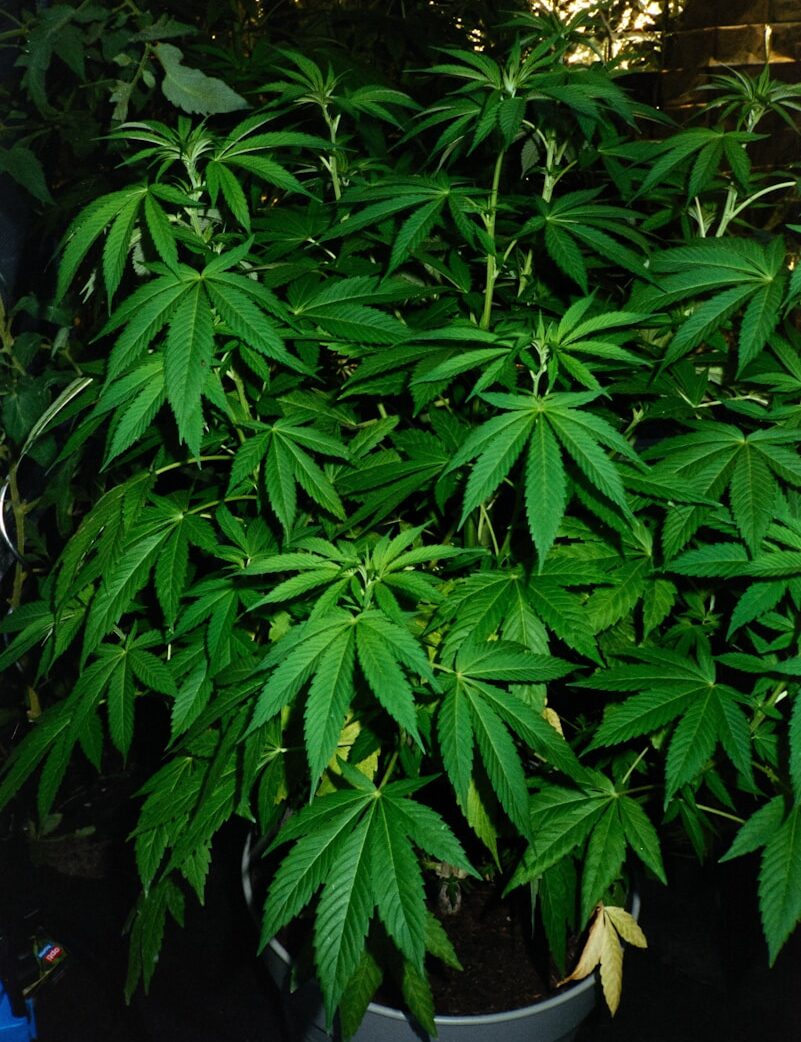
Expert-Based Problem Solving for Cannabis Growers
Based on proven methodologies from leading cannabis educators
How to Use This System
This diagnostic system follows the same methodical approach used by expert cannabis educators to solve 99% of growing problems. Instead of guessing or chasing symptoms, you'll work through each step systematically to identify and fix the root cause.
The 5-Step Expert Method:
- Environmental Check - Rule out basic environmental issues first
- Watering Assessment - Address the #1 cause of plant problems
- pH Verification - Ensure nutrients can actually be absorbed
- Visual Diagnosis - Identify specific symptoms and causes
- Action Protocol - Follow proven recovery steps
Step 1: Environmental Foundation Check
Complete this BEFORE diagnosing specific symptoms
Temperature & Humidity Assessment
Optimal Ranges:
- Vegetative: 40-60% humidity, 70-78°F (21-26°C)
- Flowering: 45-50% humidity, 65-75°F (18-24°C)
Check Your Environment:
- [ ] Temperature stays within range for growth stage
- [ ] Humidity stays within optimal range
- [ ] No extreme fluctuations (>10°F or >15% humidity swings)
- [ ] Adequate airflow without direct wind on plants
If Environmental Issues Found:
- High Humidity (>65%): Increase ventilation, add dehumidifier
- Low Humidity (<35%): Add humidifier, reduce ventilation
- High Temperature (>80°F): Increase air movement, reduce light intensity
- Low Temperature (<65°F): Check heating, reduce night-time temperature drops
⚠️ Critical: Cannabis plants can show false nutrient deficiency symptoms when humidity drops below 35%. Fix environment before chasing nutrient problems.
Step 2: Watering Analysis
The #1 cause of cannabis growing problems
Overwatering Check (Most Common Issue)
Visual Signs of Overwatering:
- [ ] Leaves drooping (not perky, even after lights come on)
- [ ] Leaves curling down in "claw" shape
- [ ] Yellowing leaves despite feeding
- [ ] Slow growth or stunted development
- [ ] Soil stays wet longer than 4-5 days
- [ ] Fungus gnats present
- [ ] Stems feel weak or soft
Soil Assessment:
- [ ] Stick finger 1 inch deep - is soil wet?
- [ ] Does water drain freely from pot bottom?
- [ ] Has it been <48 hours since last watering?
If Overwatering Detected:
- Stop watering immediately
- Allow top inch of soil to dry completely
- Improve drainage if water doesn't drain in 2 minutes
- Wait until finger test shows dry before next watering
- Resume with less water, less frequently
Underwatering Check (Less Common)
Visual Signs of Underwatering:
- [ ] Leaves wilting and droopy but thin/papery feel
- [ ] Leaf tips curling up
- [ ] Dry, brown leaf edges
- [ ] Soil obviously dry and pulling away from pot sides
If Underwatering Detected:
- Water slowly until 20% runoff from bottom
- Resume normal watering schedule
- Monitor daily until recovery
Step 3: pH Verification System
Nutrients can't be absorbed outside optimal range
pH Testing Protocol
What to Test:
- [ ] Input water pH (what you're giving plants)
- [ ] Runoff water pH (what's actually at the roots)
Optimal Ranges:
- Soil: 6.0-7.0 pH
- Hydro/Coco: 5.5-6.5 pH
pH Problem Identification
Signs of pH Lockout:
- [ ] Multiple nutrient deficiencies appearing simultaneously
- [ ] Plants don't respond to feeding
- [ ] Symptoms that change/migrate between waterings
- [ ] Input pH correct but problems persist
pH Testing Results:
Input pH Correct + Runoff pH Wrong = Soil Buffering Issue
- Runoff too high (>7.5): Flush with pH 6.0 water until runoff stabilizes
- Runoff too low (<5.5): Flush with pH 7.0 water until runoff stabilizes
Both pH Wrong = Immediate Correction Needed
- Adjust input water to proper range before next watering
- Test runoff after adjustment
Step 4: Visual Symptom Diagnosis
Only proceed here if Steps 1-3 check out normal
Problem Identification Matrix
Nutrient Burn
Symptoms:
- Brown, crispy leaf tips and edges
- Dark green leaves (overfed appearance)
- Symptoms start on newer growth
- Affects multiple nutrients simultaneously
Causes:
- Following nutrient company feeding schedules at full strength
- Feeding too frequently
- Salt buildup in soil
Recovery Protocol:
- Stop all nutrients immediately
- Flush with plain, pH-adjusted water (3x pot volume)
- Wait 5-7 days for new growth
- Resume feeding at 1/4 strength
Environmental Stress
Symptoms:
- Leaves curling up (heat stress) or down (cold/overwater)
- Unusual growth patterns
- Symptoms appearing on upper growth first
- No clear nutrient pattern
Causes:
- Temperature outside optimal range
- Humidity problems
- Light intensity issues
- Poor air circulation
Recovery Protocol:
- Identify and fix environmental factor
- Wait 48-72 hours for plant response
- No feeding changes needed if environment corrected
Pest Infestation
Symptoms:
- Small white/yellow dots on leaves (spider mites/thrips)
- Flying small dark insects (fungus gnats)
- Webbing on plants (spider mites)
- Sticky residue on leaves (aphids)
Immediate Action:
- Isolate affected plants immediately
- Identify specific pest type
- Begin treatment based on pest identification
- Check all other plants daily
Step 5: Action Protocols & Recovery
Immediate Response Checklist
For Any Problem Detected:
- [ ] Document with photos (before/during/after treatment)
- [ ] Make only ONE change at a time
- [ ] Wait 48-72 hours to assess response
- [ ] Track all changes and plant responses
Problem Priority Order
Address in this order for best results
- Environmental Issues (temperature, humidity, airflow)
- Watering Problems (overwatering/underwatering)
- pH Lockout (nutrient absorption issues)
- Pest Problems (if present)
- Nutrient Issues (only after above are ruled out)
Recovery Timeline Expectations
Overwatering Recovery: 5-10 days for new growth Environmental Stress: 2-5 days for improvement Nutrient Burn: 7-14 days for new healthy growth pH Correction: 3-7 days for symptoms to stabilize Pest Treatment: Varies by pest and severity
Prevention Protocols
Daily Monitoring (30 seconds)
- [ ] Visual plant inspection for changes
- [ ] Note any environmental shifts
- [ ] Check for pest activity
Weekly System Check (5 minutes)
- [ ] Test runoff pH
- [ ] Check soil moisture before watering
- [ ] Review environmental data
- [ ] Photograph plants for comparison
Monthly Optimization (15 minutes)
- [ ] Review all documented changes and results
- [ ] Identify patterns in your specific setup
- [ ] Adjust prevention protocols based on lessons learned
- [ ] Plan improvements for next grow cycle
Emergency Quick Reference
Plant Emergency Triage
Droopy Plants: Check watering first (most likely overwatered) Yellowing Leaves: Check pH runoff, then environmental conditions Brown Tips: Stop feeding, check for nutrient burn Slow Growth: Check environment, then watering practices Multiple Symptoms: pH lockout - test and correct immediately
Expert Contact Methods
When this system isn't enough
- Grow Guide Community: Connect with experienced growers
- Photo Diagnosis: Submit plant photos for expert analysis
- App Integration: Track symptoms and treatments systematically
Getting More Help
Next Level Resources
This diagnostic system covers the fundamentals that solve 99% of growing problems. For advanced techniques and optimization:
- Environmental Mastery Course: Deep dive into VPD, lighting, and climate control
- Nutrition Optimization Program: Master feeding schedules and nutrient management
- Grow Guide App: AI-powered diagnosis and systematic grow tracking
Stay Connected
Questions about using this system? Email us directly - we read every message and often turn common questions into helpful guides for the entire community.
Want more expert-based growing insights? Join our weekly newsletter for research-backed growing tips and community case studies.
Remember: This systematic approach is based on proven methodologies from leading cannabis educators. Every plant problem has a logical cause and solution - you just need the right method to find it.
© Grow Guide - Expert-Based Cannabis Education