What Is the Black Maple Strain?
The Black Maple strain is an indica-dominant hybrid bred from Dulce de Uva and Sherbanger — two heavy-hitting parents that bring grape-forward sweetness, gassy depth, and a terpene stack that punches well above its weight. THC sits between 24–28% across most phenotypes, with select cuts testing as high as 33%. That resin load isn't just about potency numbers; it makes Black Maple one of the more extraction-friendly cultivars available to home growers right now, whether you're pressing rosin or chasing solventless hash.
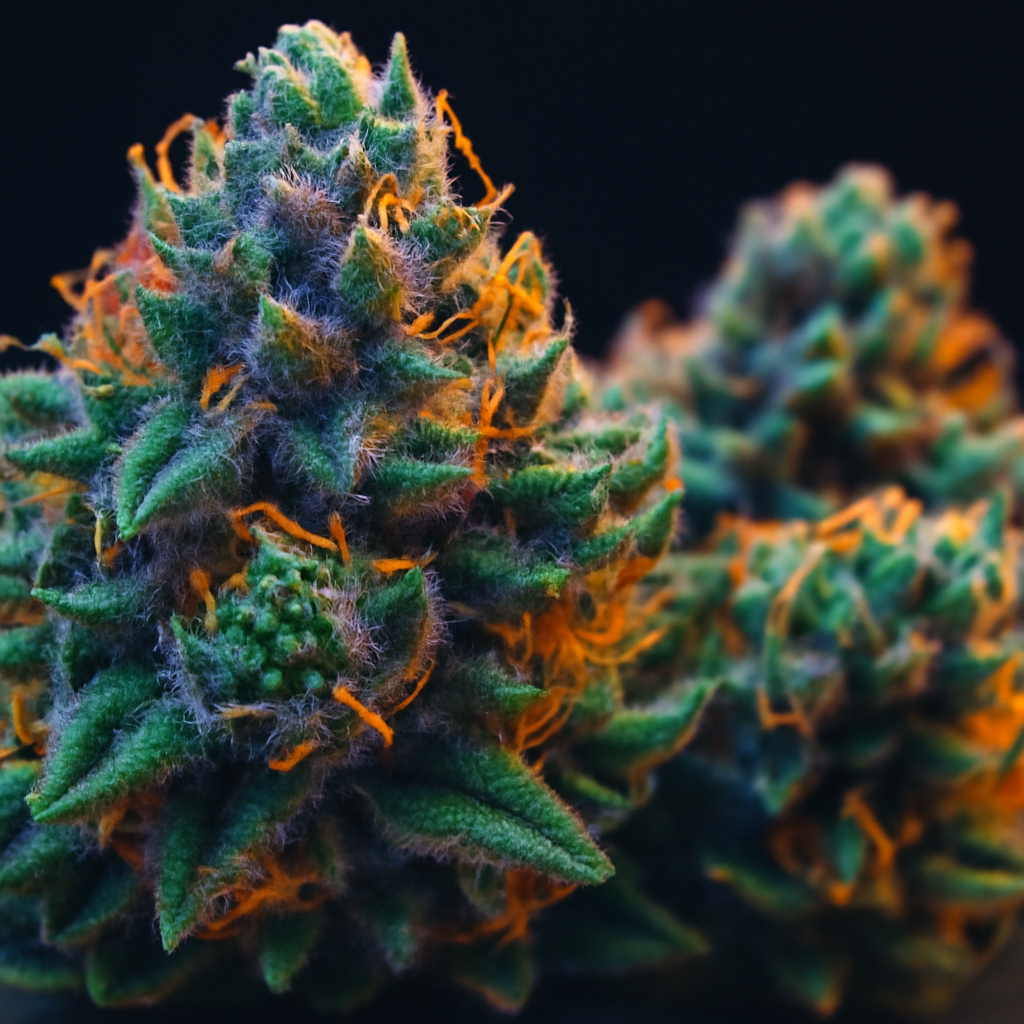
The plant itself is compact to medium height with broad indica fan leaves, dense lateral branching, and — its most visually distinctive trait — foliage that fades to deep purple or near-black when temperatures drop during the finishing window. If you're logging this grow, you can track every environmental variable and feeding event using the Grow Schedule Planner to keep your phenotype selection and timing tight.
Black Maple Strain Growing Timeline
Indoor flowering runs 56–63 days (8–9 weeks). Factor in a 4–5 week vegetative period from rooted clone or 6–7 weeks from seed for a full-cycle estimate of roughly 14–16 weeks seed to harvest. Check the indoor grow timeline guide if you need a broader framework for planning your room.
Environment: VPD, Temperature, and Humidity for Black Maple
Black Maple is unforgiving of a wet canopy. Those dense, resin-coated buds trap moisture like a sponge, and if you're running RH above 55% past week four of flower, you're courting botrytis. Stay disciplined with your environment from the start.
Vegetative Stage
- Temperature: 75–82°F (24–28°C)
- RH: 60–70%
- VPD: 0.8–1.2 kPa
- PPFD: 300–500 µmol·m⁻²·s⁻¹
Flowering Stage
- Temperature: 72–78°F (22–26°C) — drop to the lower end in the final two weeks to trigger purple expression
- RH: 45–55%, tightening to 45–50% by week six
- VPD: 1.2–1.5 kPa
- PPFD: 700–900 µmol·m⁻²·s⁻¹; CO₂-supplemented rooms (800–1,200 ppm) can push to 1,100 µmol·m⁻²·s⁻¹
To dial in your light intensity and coverage for Black Maple's canopy, use the Grow Light Calculator before you hang your fixture. Getting PPFD right at canopy level — especially if you're running a multi-plant setup — makes a real difference in whether these dense colas bulk up evenly or leave you with larfy lower buds.
Nutrients and Feed Schedule for the Black Maple Strain
Black Maple isn't a heavy feeder by cannabis standards, but it does respond well to precision. The two nutrients it rewards most are calcium-magnesium in early flower (to support rapid cell division and dense bud structure) and elevated potassium through mid-to-late flower (to drive resin synthesis and terpene expression).
EC Targets
- Vegetative: EC 1.6–2.2 mS/cm
- Early flower (weeks 1–4): EC 1.8–2.2 mS/cm
- Mid-to-late flower (weeks 5–8): EC 2.0–2.4 mS/cm
- Pre-harvest flush: Taper to EC 1.0–1.2 mS/cm for the final 7–10 days
pH Targets
- Coco/perlite: 5.8–6.0
- Living soil: 6.3–6.8
According to Grow Guide platform data, 63% of tracked growers run soil as their primary medium — a viable choice for Black Maple, but coco at pH 5.8–6.0 gives you tighter control over calcium and magnesium uptake, which matters with this strain's resin-heavy phenotype. If you spot any yellowing, interveinal chlorosis, or leaf curl, run it through the Nutrient Deficiency Identifier before reaching for a bottle. Overshooting nutrients on a dense indica like this causes tip burn and lockout faster than most sativa-dominant cultivars.
For seedling nutrition in the early weeks, the 2026 seedling nutrients guide covers starting EC ranges and when to introduce your first base feed.
Training and Canopy Management
Black Maple's branching structure lends itself to a Screen of Green (ScrOG) or a light topping approach. The plant naturally throws out wide lateral shoots, so you don't need to fight the structure — work with it. A single topping at node four or five, followed by low-stress training (LST) through week two of veg, produces a flat, even canopy that hits your PPFD targets uniformly across the top.
The more important intervention is defoliation. Black Maple builds a tight, leafy interior that restricts airflow — exactly the conditions botrytis needs. Run two defoliation passes: the first at the flip to 12/12 (remove any fan leaf blocking a bud site or crossing the canopy), and a second light cleanup around day 21 of flower to open up the lower third. Don't overdo it; this isn't a strain that tolerates aggressive late-flower defoliation well. Remove problem leaves, not everything green.
If you're deciding between topping and fimming for your veg training approach, the Fimming vs Topping guide breaks down recovery times and node count outcomes for both techniques.
Triggering Purple Coloration
Black Maple's near-black foliage isn't just cosmetic — it's a strong indicator that anthocyanin expression is proceeding correctly, which correlates with cold-conditioned terpene production. To trigger it reliably, drop nighttime temperatures to 62–65°F (17–18°C) during the final two to three weeks of flowering. The differential between day (74–76°F) and night drives anthocyanin accumulation without stressing the plant. Don't chase color by dropping temps below 60°F — you'll slow resin maturation and extend your harvest window unnecessarily.
Harvesting the Black Maple Strain
Target harvest when roughly 5–10% of trichomes are amber under 60x magnification, with the majority showing cloudy/milky opacity. Clear trichomes at this point should be negligible. Black Maple's calyx-to-leaf ratio is excellent — this is a strain that bulks late, so resist the urge to chop early if you're watching the calendar rather than the trichomes. Week 8 is a baseline; many phenotypes benefit from running to day 63 or beyond.
Before you harvest, run your expected wet weight through the Yield Calculator to set realistic dry weight expectations. Black Maple's moisture content at chop tends to be high due to resin density — expect around 75–80% weight loss through drying, which is on the higher end.
Drying and Curing Black Maple
Slow drying is non-negotiable with this strain. The terpene profile — that savory-sweet grape-meets-gas combination — is delicate. Rushing the dry at high temperatures obliterates it.
Drying Parameters
- Duration: 10–14 days (whole-plant or large branches preferred)
- Temperature: 60°F (16°C)
- RH: 55–60%
- Environment: Dark room, gentle airflow (no direct fan on buds)
Curing Protocol
- Trim and jar at stem-snap dry (stems snap cleanly, buds aren't bone dry)
- Burp jars daily for the first 7 days — 15 minutes each session
- Monitor RH inside jars; target 58–62% (Boveda 62s work well here)
- Switch to weekly burps for weeks 2–4
- Minimum 4-week cure for full terpene expression; 6–8 weeks if destined for long-term storage
Use the Dry & Cure Timer to track your drying and curing milestones so you're not guessing when to open jars or when burping frequency should taper off.
Is Black Maple Worth Growing for Concentrates?
Short answer: yes, if resin yield per gram of input is your metric. Black Maple's high trichome density makes it a strong candidate for ice water hash, rosin press, and dry sift. The Dulce de Uva parentage comes through clearly in the final extract as a grape-candy sweetness, while Sherbanger's gassy backbone keeps it from going one-dimensional. Expect high wash quality when processed fresh-frozen (live rosin) — the plant's resin glands hold structure well through the freeze. Just keep your wash water at 34–38°F and don't rush the agitation.
For a broader look at running this strain alongside others in a structured room, tracking your actual inputs versus outputs in a grow journal pays off quickly. The grow diary guide explains exactly how to structure per-plant data so you can compare Black Maple phenotypes across runs.
Common Problems and Troubleshooting
- Botrytis (bud rot): Most common in the final two weeks. Triggered by RH above 55% combined with poor airflow into the canopy. Defoliate, add an oscillating fan at canopy level, and run your exhaust fan at minimum 80% capacity through the dark period when humidity spikes.
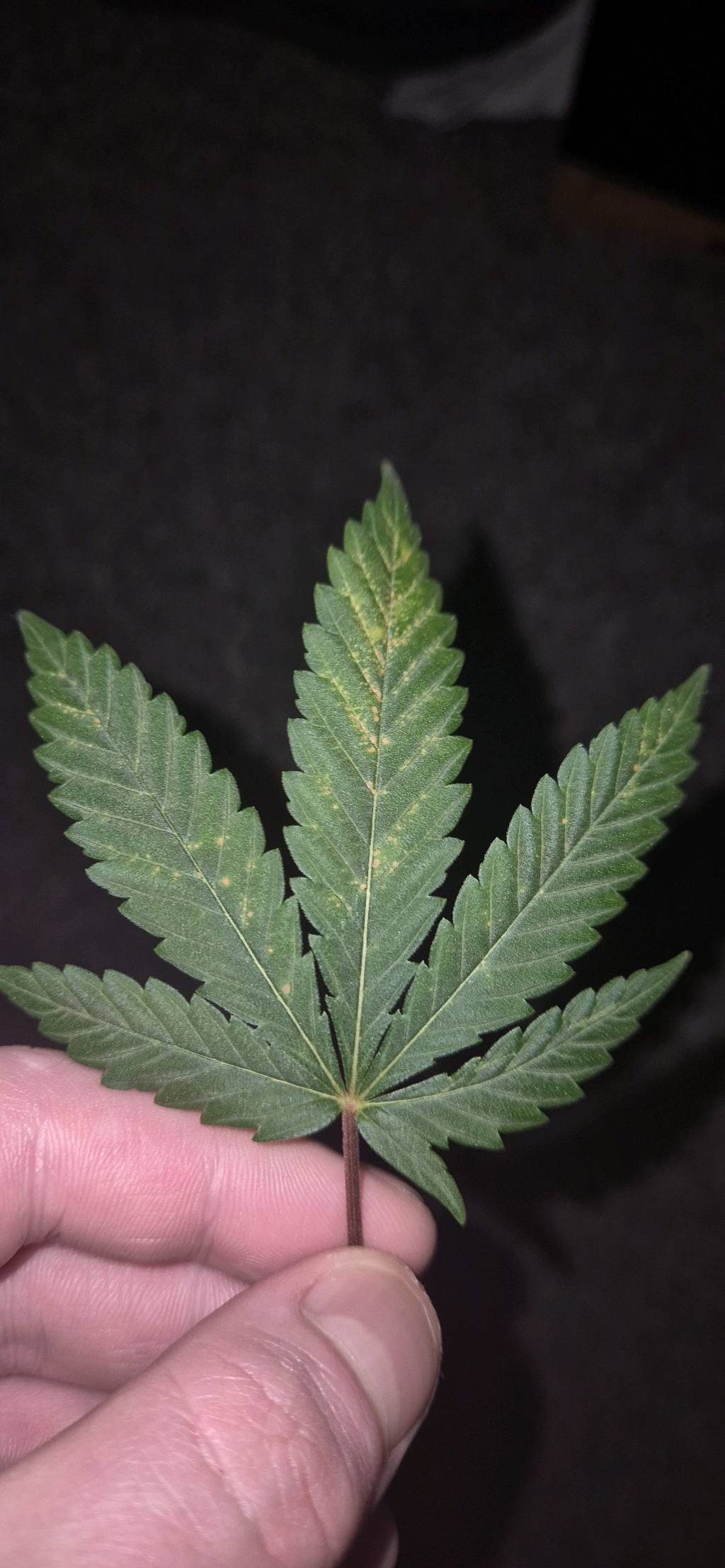
- Calcium deficiency: Shows up as brown spots on upper new growth around weeks 3–4 of flower, especially in coco at pH below 5.7. Bump CalMag to 5–7 mL/gal and verify pH at the root zone, not just in the reservoir.
- Light stress / bleaching: At 900+ PPFD without CO₂ supplementation, upper colas can show light bleaching (white, not just pale). Pull your light up 6–8 inches or dial intensity down by 10–15% before adding CO₂ as a band-aid.
- Slow purple expression: If foliage isn't shifting to purple by week six, your nighttime temps are too high. Confirm your night temp is hitting 62–65°F at canopy level, not just at the thermostat sensor.
Frequently Asked Questions
What is the flowering time for the Black Maple strain?
Black Maple flowers in 56–63 days (8–9 weeks) indoors under a 12/12 photoperiod. Most phenotypes are ready closer to day 63, so use trichome inspection — 5–10% amber with the majority cloudy — rather than the calendar alone.
How much does Black Maple yield indoors?
Black Maple is a moderate yielder — it trades raw quantity for exceptional resin quality. Expect roughly 1.5–2 oz per plant under standard conditions (600W HPS equivalent, 4-week veg), though a well-trained ScrOG can push higher. Its value is in extraction return per gram, not raw dried flower weight.
What does the Black Maple strain smell and taste like?
Black Maple carries a savory-sweet terpene profile — dark grape and berry sweetness from the Dulce de Uva lineage, layered over a gassy, creamy base from Sherbanger. Properly cured, it develops a complexity closer to baked grape pastry than straight fruit candy. Explore the terpene breakdown using the Terpene Explorer.
Is the Black Maple strain difficult to grow?
It's intermediate difficulty. The plant structure is manageable and it responds well to standard training, but its dense bud formation demands strict humidity control (below 55% RH in flower) and at least one proactive defoliation pass. Growers comfortable with indica management in a controlled indoor environment won't find it challenging.
What genetics make up the Black Maple strain?
Black Maple is a cross between Dulce de Uva and Sherbanger. Dulce de Uva contributes the grape sweetness and dark anthocyanin expression; Sherbanger (a Sherbert × Headbanger hybrid) brings potency, resin density, and a gassy, creamy character.
References
- StrainPedia (2025). Black Maple Strain Profile. Documents Black Maple's genetic lineage (Dulce de Uva × Sherbanger), THC range of 24–28%, dense branching structure, and purple-to-near-black foliage under cooler finishing temperatures. strainpedia.com/black-maple/
- Joint Commerce Cannabis Blog (2025). Black Maple Weed Strain: A Comprehensive Strain Guide. Covers cultivation-specific parameters including PPFD targets (700–900 µmol·m⁻²·s⁻¹), EC ranges (1.8–2.4 mS/cm in flower), and dry/cure protocols (60°F, 55–60% RH for 10–14 days). app.jointcommerce.com
- Grow Guide Platform Data (2026). Aggregated Grow Journal Statistics — 1,000 Tracked Grows. Internal dataset showing 73.4% of tracked growers use indoor environments and 63.4% use soil as their primary growing medium, providing context for substrate recommendations.
- Caplan, D., Dixon, M., & Zheng, Y. (2017). Optimal rate of organic fertilizer during the vegetative-stage for cannabis grown in two coir-based substrates. HortScience, 52(12), 1920–1927. Establishes foundational EC and nutrient delivery principles relevant to coco-grown cannabis including indica cultivars. doi.org/10.21273/HORTSCI12401-17
- Zaller, J.G., et al. (2023). Cannabis sativa terpene biosynthesis and environmental modulation. Industrial Crops and Products. Examines how temperature differentials during flowering influence secondary metabolite (terpene and anthocyanin) expression in cannabis, supporting the cool-night finishing approach used with Black Maple. sciencedirect.com